Best Streaming Device: Top Picks For Every Budget
The best streaming device delivers fast 4K video, easy control, strong app support, and smooth daily use.
You sit down after a long day, turn on the TV, and spend ten minutes hunting for one show. The right streaming player can make that moment simple again. It can add smart features to an older television, improve picture quality, and bring movies, live channels, and music into one clear menu. I tested these options by focusing on setup, speed, remote design, picture support, Wi-Fi performance, and everyday comfort. This guide will help you choose the Best Streaming Device for your room, TV, budget, and viewing habits.

Roku Ultra, Ultimate Streaming Player…
Ultra-speedy streaming: Roku Ultra is 30% faster than any other Roku player, delivering a lightning-fast interface and apps that launch in a snap. Cinematic streaming: This TV streaming device brings…

Roku Streaming Stick HD with…
HD streaming made simple: With America’s TV streaming platform, exploring popular apps—plus tons of free movies, shows, and live TV—is as easy as it is fun. Based on hours streamed—Hypothesis…

Roku Streaming Stick Plus with…
4K streaming made simple: With America’s TV streaming platform exploring popular apps—plus tons of free movies, shows, and live TV—is as easy as it is fun. Based on hours streamed—Hypothesis…
Roku Ultra 4K Streaming Player

The Roku Ultra is a strong choice for viewers who want a full-size streaming box with a simple menu. It supports 4K streaming and is made for a stable connection near your television. The box design leaves room for ports and features that small stick players may not offer. In daily use, the clean Roku layout makes it easy to move from one service to another.
I like this model for a main living-room TV because it feels quick and steady. The voice remote can reduce typing when I search for a film, actor, or app. Roku also gives users access to a wide mix of paid services, free channels, and live content, though exact availability can change by region. If you want a polished Best Streaming Device with a familiar interface, the Ultra deserves close attention.
Pros:
- Sharp 4K support for compatible TVs and content
- Simple Roku home screen with clear app access
- Full-size box design suits a permanent TV setup
- Voice remote helps with faster content searches
- Good choice for mixed streaming households
- Easy setup for most modern televisions
Cons:
- It takes more shelf space than a streaming stick
- Some premium picture features depend on the TV and content
- Users may see ads or promoted content on the home screen
The biggest strength here is balance. The Roku Ultra does not force one company’s content store or smart-home system on you. That matters when one person watches Netflix, another uses live TV, and someone else prefers free channels. I also find Roku menus less distracting than some rival interfaces, which helps older users and guests learn the controls fast.
Like any streamer, the Ultra cannot create 4K detail from a low-quality source. Your internet plan, router, HDMI cable, and TV all affect the result. A wired network option can be useful for a crowded home Wi-Fi network, but buyers should check the current box contents and port details before purchase. This is a reliable living-room hub, not just a device for occasional travel.
My Recommendation
I recommend the Roku Ultra for families, movie fans, and anyone replacing an older smart-TV system. It is especially useful when you want simple menus, broad app support, and a dedicated player that stays connected to one television. It also suits people who do not want to learn a new smart-home platform just to watch a show. For many households, this is the Best Streaming Device because it keeps the focus on viewing rather than settings.
Roku Streaming Stick HD

The Roku Streaming Stick HD focuses on the features most people need. It plugs into an HDMI port and hides behind the television, so it keeps a small room neat. Its HD output fits older 1080p TVs that do not need 4K or advanced HDR. The included voice remote adds a simple way to search without using an on-screen keyboard.
I see this model as a practical pick for a bedroom, guest room, dorm, or spare TV. It does not ask you to spend extra on picture features your screen cannot show. Setup is usually short: connect the stick, power it, join Wi-Fi, and sign in to your apps. For budget shoppers, it may be the Best Streaming Device when low cost and easy use matter more than premium resolution.
Pros:
- Compact design hides behind most TVs
- Good fit for HD and 1080p televisions
- Voice remote makes search easier
- Roku menus are simple for first-time users
- Works well in bedrooms and smaller spaces
- Usually costs less than 4K streaming hardware
Cons:
- It does not target 4K picture quality
- Performance depends on wireless signal strength
- A nearby power outlet or USB power source is still needed
In my experience, an HD stick can be a smarter buy than an expensive 4K player when the TV is older. Many people stream sitcoms, news, and casual shows where a clean HD image looks perfectly fine. The small body also helps when the television hangs close to a wall. It is a quiet little upgrade that can give an old screen a fresh start.
The limits are clear, so buyers should match it to the screen. If you plan to upgrade to a 4K TV soon, a 4K model may save money over time. Wi-Fi placement also matters because the stick sits behind the TV, where metal panels or a crowded router area can weaken the signal. Even so, this model delivers good value when the goal is basic, dependable streaming.
My Recommendation
I would choose the Roku Streaming Stick HD for a 1080p TV, a second room, or a tight budget. It suits students, renters, older adults, and guests who need clear controls without extra hardware. It is also a good fix for a slow or outdated smart-TV menu. Among affordable options, this can be the Best Streaming Device for simple HD viewing and low power use.
Roku Streaming Stick Plus 4K

The Roku Streaming Stick Plus brings 4K viewing into a small, hidden body. It supports HDR10+, which can improve contrast and color when the TV and video service support the format. The voice remote makes it easier to find a show, open an app, or control basic playback. Because it sits behind the TV, it is a neat choice for wall-mounted screens.
This stick feels like a middle path between a basic HD player and a larger premium box. It gives a modern 4K TV a suitable streaming partner without filling the media shelf. I would consider it for viewers who want better detail but do not need the largest feature list. It has the simple Roku experience that makes the Best Streaming Device choice less stressful for new buyers.
Pros:
- Supports 4K streaming for compatible televisions
- HDR10+ can improve supported scenes and colors
- Small stick design reduces cable clutter
- Voice remote speeds up searches
- Easy fit for wall-mounted TVs
- Roku software offers broad service access
Cons:
- HDR benefits require a compatible TV and source
- Wireless performance varies with router distance
- It may offer fewer connection choices than a full-size box
I like the Plus for people who want a clean setup. A stick is easy to hide, and that matters when a television is the main design feature on a wall. The 4K output also gives buyers room to grow if they already own a UHD screen. Voice search is helpful when a family shares one remote and nobody wants to type long titles letter by letter.
Do not buy it only because a box says HDR10+. Streaming services use different HDR formats, and the TV must support the matching signal. A strong Wi-Fi connection remains important, especially with large 4K files. If your network is weak or your TV cabinet blocks the signal, a player with more connection flexibility may be a better fit.
My Recommendation
The Roku Streaming Stick Plus is best for 4K TV owners who want a small, clean, and easy player. It works well in apartments, bedrooms, wall-mounted setups, and homes that favor simple menus. I would pick it over the HD stick when the television can show 4K detail. For balanced price, size, and picture support, it is a strong Best Streaming Device for everyday 4K use.
Google TV Streamer 4K

The Google TV Streamer 4K takes a content-first approach. Instead of making you open each app before browsing, Google TV can place recommendations from several services on one home screen. The included voice remote supports search and can connect with Google features in a compatible home. Its 32 GB storage gives the device more room for apps than many small streaming sticks.
This player is a good match for people already using Android phones, Google Assistant, Nest products, or other Google services. It supports 4K entertainment and HDR when the content, TV, and connection all meet the needed standards. I found the unified guide useful for households that forget which service carries a show. For connected homes, it may become the Best Streaming Device and a small control point for more than TV.
Pros:
- 4K support for compatible displays and content
- Google TV brings recommendations into one view
- 32 GB storage offers room for more apps
- Voice search helps find shows and films quickly
- Useful links with compatible Google smart-home devices
- Clean design fits a modern entertainment center
Cons:
- Recommendations can feel busy for users who prefer a plain app grid
- Some features work best inside the Google ecosystem
- Streaming subscriptions still cost extra
The storage advantage is easy to understand. More room can help people who install many apps, games, or smart-home tools. The Google TV layout also saves time when a family uses several services. I especially like the universal search idea because it addresses a real problem: knowing what to watch is often harder than pressing play.
The interface may take a little longer to learn than Roku’s simpler layout. Google TV places suggestions and sponsored content in a more active feed, which some viewers enjoy and others may find distracting. App support can also differ by country and service. Before buying, check that your favorite services work on the current Google TV platform in your area.
My Recommendation
I recommend the Google TV Streamer 4K for Google households, app-heavy users, and viewers who want smart recommendations. It is also a good choice for someone who wants more storage and smart-home control in one device. Choose it when discovery matters as much as playback. If your home already runs on Google, this could be the Best Streaming Device for a connected entertainment setup.
Amazon Fire TV Stick 4K Plus
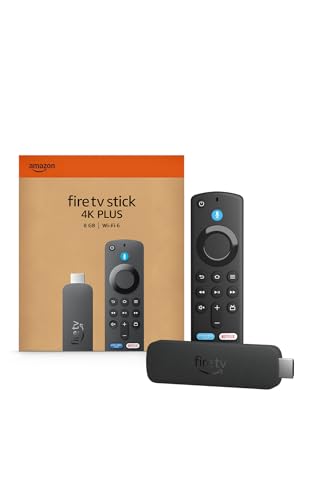
The Fire TV Stick 4K Plus targets viewers who want modern 4K streaming in a compact form. Its listed features include Wi-Fi 6, Fire TV search, voice control, and access to movies, shows, free content, and live TV. The stick connects behind the TV and leaves the room free of a large box. Alexa support can make searches and basic device control feel natural for Amazon users.
This is a strong option for homes that already use Prime Video, Echo speakers, Ring products, or other Alexa devices. The Fire TV screen puts content and apps in one place, though its home page also highlights Amazon recommendations and promotions. Wi-Fi 6 can help in a compatible network with many connected devices, but it cannot fix a slow internet plan. For Amazon fans, this may be the Best Streaming Device for voice-led viewing and smart-home use.
Pros:
- 4K streaming support for compatible TVs
- Wi-Fi 6 can improve network efficiency on compatible routers
- Alexa voice search reduces remote typing
- Compact design hides behind the television
- Access to free, paid, and live TV choices
- Good match for Amazon and Alexa households
Cons:
- The Fire TV home screen may show many promotions
- Wi-Fi 6 benefits require a compatible router
- Some Alexa or AI features may vary by account, region, or rollout
I would place this stick high on the list for Prime members. Alexa search can be useful when I remember an actor or genre but not the title. The small form also works well behind a wall-mounted display. If you own newer networking gear, Wi-Fi 6 may help the stick share a busy home network with phones, cameras, and laptops.
Buyers should keep expectations realistic about AI-powered search. Feature names and availability can change as software updates roll out, and a voice tool cannot guarantee that every service will respond in the same way. The best experience comes from a current TV, a good HDMI port, and a stable network. People who dislike busy content feeds may prefer Roku’s calmer home screen.
My Recommendation
The Fire TV Stick 4K Plus is best for Prime members, Alexa users, and homes with a newer Wi-Fi 6 router. It suits viewers who like voice search, live TV choices, and a compact 4K player. I would not choose it solely for AI features without checking current availability. Still, for Amazon-centered homes, it is a capable Best Streaming Device with strong convenience and broad entertainment access.
Roku Streaming Stick 4K

The Roku Streaming Stick 4K remains a useful choice for people who want 4K, HDR10+, and Dolby Vision in a small body. Its included voice remote helps with searches and daily navigation. The stick hides behind the television, which makes it good for clean wall-mounted installations. Roku’s familiar layout keeps the learning curve short for most viewers.
Dolby Vision support gives this model an edge for owners of compatible TVs and services. The result can include richer contrast and color, but the actual effect depends on the full chain from source to screen. I see this as a flexible Roku pick for a bedroom or second 4K TV. It can be the Best Streaming Device for users who want premium format support without moving to a larger box.
Pros:
- 4K output supports detailed video on compatible TVs
- Dolby Vision and HDR10+ support broadens format options
- Small body keeps the setup tidy
- Voice remote makes searches quicker
- Simple Roku interface suits many age groups
- Works well for a second-room 4K setup
Cons:
- HDR and Dolby Vision need matching content and hardware
- It depends on Wi-Fi rather than offering a large box design
- It may lack the extra storage or ports of a premium streamer
The picture-format support is the reason to consider this model over a basic 4K stick. If your TV supports Dolby Vision, this Roku lets you use that feature through compatible services. I also value the compact shape when the TV has little space around it. The device feels like a practical bridge between basic streaming and higher-end home theater.
Still, format labels should not decide the purchase alone. A high-quality 4K TV with good processing may look excellent with several formats. Your router must also deliver a steady signal, especially during high-bitrate scenes. If you need Ethernet, more ports, or a larger remote feature set, the Roku Ultra may be a better match.
My Recommendation
I recommend this Roku stick for 4K TV owners who want Dolby Vision and HDR10+ in a hidden design. It is a good fit for renters, bedroom TVs, and viewers who already know the Roku interface. Choose it when picture format support matters but shelf space does not exist. It remains a strong Best Streaming Device for compact 4K entertainment.
How I Compare the Best Streaming Device Options
I do not judge a streaming player by its maximum resolution alone. A device may advertise 4K, but the complete experience depends on the TV, HDMI connection, internet speed, router placement, and the service providing the video. I also look at how quickly the home screen opens, how easy it is to search, and how much effort setup takes. A good player should fade into the background after installation.
Software support matters just as much as hardware. Apps change over time, and a device that feels quick today may slow down after years of updates. I check the product’s current listing, supported features, remote design, and connection needs before making a final choice. Buyers should also confirm current service availability because no streaming device includes every subscription.
Picture Quality and HDR
HD remains enough for many older televisions. A 4K player makes more sense on a 4K or UHD screen, especially if you watch new films, sports, or nature shows. HDR can add more depth, but it works only when the TV, source, and player support the same format. I never treat a format label as a promise that every show will look better.
Dolby Vision and HDR10+ use dynamic data to adjust scenes in compatible setups. Standard HDR10 is more widely supported. If you are unsure which format your television uses, check its manual or manufacturer page before buying. This small step can prevent paying extra for a feature you cannot use.
Speed and Navigation
Fast menus make a bigger difference than many buyers expect. Slow loading can turn a relaxing night into a test of patience. I prefer a player that opens apps quickly, responds to remote clicks, and does not make me repeat searches. More storage can help users who install many apps, while a simple interface helps users who want fewer choices.
Roku tends to keep navigation direct. Google TV focuses more on recommendations across services. Fire TV places strong weight on Amazon content, Alexa, and a broad home feed. None is automatically right for every person. The Best Streaming Device is the one whose menu matches the way you already watch.
Wi-Fi and Placement
Streaming quality depends on a steady network. A stick behind a TV is neat, but the television and nearby metal can affect wireless signals in some rooms. Place the router in an open area when possible. Avoid hiding it in a cabinet or placing it far from the main viewing room.
Wi-Fi 6 can improve how a compatible network manages many devices. It does not make slow broadband fast, and it does not remove dead zones. If your signal drops often, fix the network before blaming the streamer. A wired connection may help in a fixed living-room setup, which is one reason some people prefer a full-size player.
Remote Controls and Voice Search
Voice remotes are useful, but they are not magic. They work best for clear titles, actor names, and simple commands. I still like physical buttons for volume, power, pause, and back. A remote that feels natural can matter more than a small difference in processor speed.
Voice search may show results from several services, or it may favor the platform’s own content. Read the result screen before renting or buying anything. Families with children should also review purchase settings and parental controls. A quick setup check can prevent unwanted purchases.
Subscriptions and Free Content
A streaming device does not replace subscriptions. Netflix, Prime Video, Disney+, Max, live TV services, and other apps set their own prices and plans. Some platforms offer free, ad-supported channels, but their catalogs change. A low-cost device can still lead to high monthly bills if you subscribe to too many services.
I suggest listing the services you use most before choosing hardware. Then check whether each app supports the operating system. This simple habit is more useful than chasing a long feature list. It also helps you avoid buying a device that cannot run one important service.
Best For Table
| Best for | Why |
|---|---|
| Most living rooms | Roku Ultra combines 4K support, a simple menu, voice search, and a stable full-size setup. |
| Google or Android homes | Google TV Streamer 4K brings recommendations, extra storage, and smart-home links together. |
| Budget HD rooms | Roku Streaming Stick HD adds easy streaming to an older 1080p TV at a lower cost. |
Setup Tips for Better Streaming
Start by checking the TV port. Most modern devices use HDMI, and some also need a wall adapter for power. Use the supplied power cable when possible, then select the matching HDMI input on the television. If the screen stays blank, unplug the player for a few seconds and try another HDMI port.
Next, connect the device to your home network. Use the same Wi-Fi band that gives your TV the strongest signal, if the device and router offer a choice. Update the software before judging speed because the first update may take time. Sign in only to the services you use, and remove apps that make the home screen harder to manage.
For the best 4K result, confirm that the TV input supports the needed signal. Some older HDMI ports limit resolution or HDR. Set the device to automatic display mode unless you have a clear reason to change it. If the picture looks too dark or washed out, check the TV’s HDR mode and picture settings before returning the streamer.
Keep the remote in a visible place. This sounds small, but lost remotes create more daily frustration than complex settings. Some platforms offer a phone app that can help locate or control the player. I also recommend enabling a PIN for purchases and reviewing privacy settings during setup.
Common Buying Mistakes to Avoid
The first mistake is buying 4K hardware for an HD television without a future upgrade plan. It may still work, but you may pay for picture support that the screen cannot show. The second mistake is ignoring Wi-Fi. A top-rated player will struggle if the router sits two floors away behind thick walls.
Another mistake is choosing a platform based only on a sale price. Check the remote, app support, home-screen style, and subscription habits. A cheap device that frustrates you every night is not a bargain. I would rather pay a little more for a player that fits the room and remains pleasant to use.
Some buyers also assume that a streaming device will make every service faster. It can improve an old smart-TV interface, but it cannot fix a service outage or poor internet speed. It cannot make low-resolution video look like true 4K. Clear expectations lead to a much better purchase.
FAQs Of Best Streaming Device
What is the Best Streaming Device for most people?
The Roku Ultra is the best overall choice for many households. It offers 4K support, a simple interface, voice search, and broad access to streaming apps. Choose another model if you need a hidden stick, Google smart-home features, or Amazon integration.
Do I need a 4K streaming device?
You need one only if you own a 4K TV or plan to buy one soon. An HD device is enough for a 720p or 1080p television. A 4K player may still be useful for future-proofing, but it will not turn an HD screen into 4K.
Is a streaming stick better than a streaming box?
A stick is smaller and often costs less. A box may offer more ports, stronger connection choices, or easier placement near the TV. Pick a stick for bedrooms and wall-mounted screens, and pick a box for a main room or a more permanent setup.
Does a streaming device include Netflix and other subscriptions?
The device may support those apps, but subscriptions usually cost extra. Some services offer free trials or ad-supported plans. Check each service’s current price and availability before you buy.
Can a streaming device improve an old smart TV?
Yes. It can replace a slow built-in menu with newer software and a better remote. The TV still needs a working HDMI port, and the final picture remains limited by the TV panel.
Final Verdict: Which Should You Buy?
For most homes, I recommend the Roku Ultra as the Best Streaming Device. Choose the Roku Streaming Stick HD for an HD TV, or Google TV Streamer 4K for a Google-based smart home.
Match the player to your TV, network, apps, and remote needs. The right streaming device makes every movie night simpler, faster, and more enjoyable.