5 Best AI Body Monitoring Devices: Top Smart Picks
The best AI body monitoring devices turn daily health data into clear, useful insights for smarter wellness choices.
You may step on a scale, check your sleep, or track body temperature, yet still feel unsure what the numbers mean. That is the gap these devices aim to fill. They collect simple body signals and present trends through an app or display, much like a personal dashboard. I tested the key features that matter most: ease of use, comfort, data range, app support, privacy, and value. The products below suit different needs, from body-fat checks and weight goals to sleep tracking and temperature trends.

TOP PICK
Digital Body Fat Analyzer, Electronic…
【EASY TO COMPARE】This fat percentage measurer can store data for up to nine definable users and their records can be recalled at any time when needed; In addition, after each…

BEST QUALITY
Handheld Body Fat Loss Monitor…
【EASY TO COMPARE】This fat percentage measurer can store data for up to nine definable users and their records can be recalled at any time when needed; In addition, after each…

RECOMMENDED
AMOVAN Smart AI Ring for Women…
【Advanced Chip & Dual Sensor】Fitness rings for women men with Bluetooth 5.2 dual-mode RTL8762ESF chip, VC30F-S sensor and ST LIS2DOCTR six-degree-of-freedom motion sensor, achieving high-speed connection, accurate monitoring, intelligent identification,…
Digital Body Fat Analyzer for Fitness Tracking

This handheld digital body fat analyzer offers a quick way to record body-fat estimates, BMI, and related fitness data. Its small size makes it easy to keep in a drawer, gym bag, or travel case. The LCD screen gives you a direct reading without forcing you to open a phone app. For basic home tracking, that simple design feels more like a quick measuring tool than a complex smart gadget.
The device can help you watch changes over time during a weight-loss or fitness plan. Still, handheld body-fat monitors use bioelectrical impedance analysis, or BIA, so the result can shift with hydration, meals, exercise, and skin contact. I would treat the number as a trend, not a medical diagnosis. When used at the same time and under similar conditions, it can add useful context to body weight and waist measurements.
Pros:
- Compact handheld design for home or travel use
- Large LCD display for quick reading
- Measures body-fat estimates and BMI-related data
- Useful for repeated progress checks
- Simple controls suit beginners
- Does not require a large floor scale
- Helpful for people who want a private body check
Cons:
- BIA readings can change with hydration and food intake
- It is not a replacement for clinical body-composition testing
- The handheld format may require careful hand placement
- Data storage and app features may be limited
My Recommendation
I recommend this analyzer for beginners who want more than a basic weight reading. It works well for someone starting a home fitness plan and looking for a low-cost way to follow body-fat trends. It may also suit users who dislike stepping on a smart scale or want a small device for travel. The direct screen keeps the process fast and reduces setup time.
Among the Best AI Body Monitoring Devices, this model is better described as a digital body monitor than a full AI health coach. Its strength is simplicity. If you can measure under similar conditions and focus on long-term movement, it offers practical value. It is widely available online, but I suggest checking the current listing for included batteries, measurement limits, and return terms before ordering.
Handheld Body Fat Loss Monitor and BMI Meter

This handheld body-fat monitor targets users who want a fast snapshot of body composition. It is made for routine checks rather than advanced sports testing. The small body and digital readout make it easy to use before breakfast or after a workout plan. I like this style for people who want a clear number without a large scale or a long setup routine.
The monitor can support a simple record of weight-loss progress when you use it consistently. BIA does not directly see body fat, and its estimate may vary from one reading to the next. Sweat, water intake, recent exercise, and contact pressure all affect the result. For that reason, I would pair its readings with body weight, waist size, photos, clothing fit, and how you feel during exercise.
Pros:
- Lightweight format fits small storage spaces
- Fast readings support regular check-ins
- Useful for people focused on weight-loss trends
- Digital display is easy to read
- Less bulky than a full body-composition machine
- Can complement a food and exercise journal
- Suitable for first-time body-monitor users
Cons:
- Results are estimates, not diagnostic measurements
- Readings may differ when your hydration changes
- Users must follow the same contact method each time
- It may offer less long-term data than a connected smart scale
My Recommendation
This model is best for a budget-minded user who wants a basic body-fat and BMI tool. It can help turn a vague goal into a repeatable habit. I would choose it for a home user who plans to check progress once or twice per week, not for an athlete who needs laboratory-level accuracy. Its value comes from routine and comparison, not from one isolated result.
It belongs on a practical shortlist of Best AI Body Monitoring Devices for simple fitness tracking, although the device itself may not use advanced AI. The larger lesson is important: smart labels do not make a measurement medically accurate. Use the monitor as one piece of a wider health picture, and ask a qualified professional if you have a medical concern.
AMOVAN Smart AI Ring for Temperature Tracking
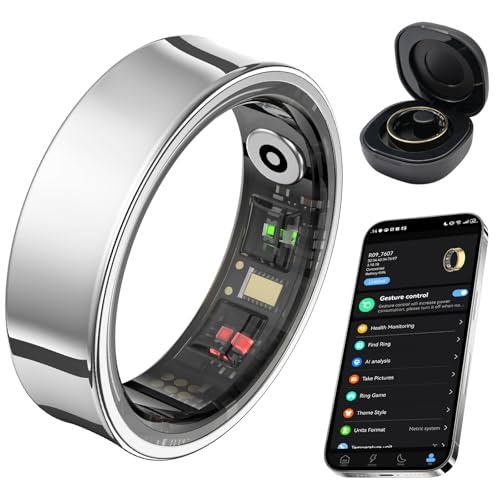
The AMOVAN smart ring is designed for people who want body data in a small, wearable form. Its main listed feature is 24-hour body-temperature tracking, and its ring shape feels less intrusive than a watch or chest strap. A ring can stay with you during sleep, work, and daily movement. That makes it useful for users who often forget to charge or wear larger fitness devices.
Temperature trends can provide helpful context, but a wearable ring does not replace a clinical thermometer. Skin temperature is not the same as core body temperature, and a loose fit, cold room, exercise, or hand position can affect results. I see this ring as a trend tool for wellness, sleep routines, and personal pattern tracking. Before buying, check the size guide carefully because a smart ring that fits poorly may collect weaker data.
Pros:
- Small ring design is easy to wear throughout the day
- Tracks temperature trends over a 24-hour period
- Can be more comfortable during sleep than a watch
- Low-profile style suits work and casual clothing
- Useful for noticing personal patterns over time with AI analysis
- Good option for users who dislike bulky wearables
- May support a more consistent monitoring habit
Cons:
- Skin temperature is not a medical fever reading
- Correct ring size is essential for reliable contact
- Small screens mean most data appears in the companion app
- Battery life and app functions may vary by use
- Some health features may require account access or software support
My Recommendation
I recommend the AMOVAN ring for users who want discreet, passive temperature tracking. It is especially appealing to people who sleep with a wearable and want less wrist bulk. It may also help users spot their own daily patterns, such as changes linked with sleep, travel, or training. It is not the right pick for anyone who needs a certified thermometer or a diagnostic medical device.
In the Best AI Body Monitoring Devices category, the smart ring stands out for comfort and continuous wear. Its value depends on a good fit and a clear understanding of what skin-temperature data can show. Read the current Amazon listing for app compatibility, sizing details, charging information, and any subscription terms before making a final choice.
JakobLife AI Bluetooth Body Scale

The JakobLife AI Bluetooth body scale is the most complete option here for users who want weight data in an app. It combines a digital scale format with Bluetooth connection and BMI analysis. The product listing also highlights AI membership features for heart-health cross analysis. That approach can help turn single readings into a wider view of personal trends, provided the app explains the data in a clear way.
A connected scale saves time because the phone can store readings automatically. Many users find that trend lines are more useful than daily numbers, since body weight naturally moves with water, meals, clothing, and activity. BMI can offer a broad screening measure, but it does not show body-fat distribution and may not suit every body type. I would use the scale on a firm, level floor and weigh at a similar time each day or week.
Pros:
- Bluetooth connection supports automatic data logging
- Digital weight readings are quick and easy to view
- BMI analysis adds context beyond body weight
- AI-based cross analysis may make trends easier to understand
- Useful for people managing a weight-loss plan
- App history can reduce the need for paper records
- White finish blends into many bathrooms
Cons:
- App setup may take more time than a basic scale
- Smart features depend on phone and software compatibility
- BMI is a general measure, not a complete health assessment
- Body-composition readings can shift with hydration
- Users should review membership and privacy terms
My Recommendation
The JakobLife scale is my top choice for most people who want a connected body-monitoring system. It suits families, weight-loss users, and anyone who likes to see progress in charts instead of loose notes. I also like it for people who want an entry point into AI-assisted health insights without wearing a device all day. The best experience will come from regular use and careful reading of the app results.
Of the Best AI Body Monitoring Devices reviewed here, this one offers the strongest mix of convenience, data history, and smart analysis. I would still avoid treating its AI output as medical advice. Check the latest Amazon details for supported phones, app requirements, included features, and any paid membership conditions because software terms can change.
Muse S Athena Brain-Sensing Headband
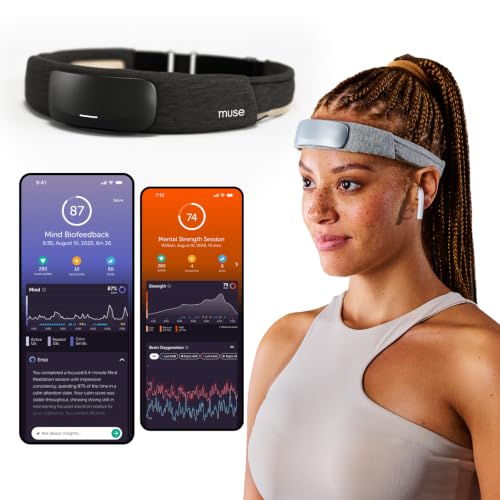
The Muse S Athena takes a different path from a body scale or smart ring. It is a brain-sensing headband made for sleep support, sleep tracking, meditation, and neurofeedback. The product uses EEG and fNIRS sensors, which are designed to collect brain-related signals at the head. For users who want to understand rest and meditation habits, this is a more focused tool than a general fitness tracker.
Athena may appeal to people who enjoy guided sessions and want feedback during quiet practice. Headband placement matters, and some users may need time to adjust to the feel of wearing it in bed. Sleep stages from consumer wearables are estimates, so I would focus on broad patterns such as bedtime consistency, rest duration, and how refreshed you feel. If you have a sleep disorder, neurological condition, or serious symptoms, use a clinician rather than a consumer headband for diagnosis.
Pros:
- Designed for sleep and meditation use
- EEG and fNIRS sensors offer a specialized monitoring approach
- Neurofeedback may support focused meditation practice
- Useful for users who want more than step counts
- Can help reveal personal sleep and relaxation patterns
- Guided feedback may make meditation easier to maintain
- Suitable for wellness users interested in brain-focused technology
Cons:
- Headband comfort may vary from person to person
- Sensor placement must remain consistent
- Consumer sleep data should not be treated as a diagnosis
- Advanced features may depend on an app or membership
- It is less useful if you only want weight or body-fat data
My Recommendation
I recommend the Muse S Athena for serious wellness users who care most about sleep, meditation, and neurofeedback. It is a strong match for people who already practice meditation and want feedback to build consistency. It may also suit users who enjoy detailed technology and do not mind wearing a headband at night. I would not buy it as a general body scale replacement because its focus is the brain and sleep experience.
As one of the more specialized Best AI Body Monitoring Devices, Athena offers depth rather than broad body metrics. Its value depends on your willingness to use the guided tools often. Review the current Amazon listing for battery details, supported devices, app access, and membership information. Remember that a consumer sensor can guide habits, but it cannot replace medical sleep testing.
How AI Body Monitoring Devices Work
AI body monitoring devices usually combine a sensor, software, and an app. The sensor collects a signal, such as weight, electrical impedance, movement, skin temperature, heart rate, or brain activity. Software then sorts the signal and turns it into a reading or trend. AI may help find patterns, explain changes, or create a personalized summary.
The word “AI” can mean different things from one product to another. Some devices use simple rules and charts, while others use machine-learning models to compare data across time. A smart scale may use an algorithm to estimate body composition. A sleep device may classify periods of rest from movement and brain signals. These outputs can be useful, but they remain estimates.
I always separate raw data from interpretation. Weight is a direct measurement from a scale, while BMI is a calculation based on weight and height. Body-fat percentage from BIA is an estimate. Sleep stages from a wearable are also estimates unless measured with a clinical sleep study. This distinction helps buyers avoid false confidence.
What I Look For When Reviewing Body Monitors
I start with accuracy claims, but I do not stop there. A device can have strong sensors and still frustrate users if it loses connection, hides data behind a paywall, or feels uncomfortable. I look at setup, daily use, data clarity, battery needs, and the quality of the companion app. A device only helps when people can use it often.
I also check whether the product matches the user’s goal. A body-fat analyzer cannot replace a sleep tracker. A temperature ring cannot give a full picture of heart fitness. A headband may offer rich sleep data but feel unnecessary to a person who only needs weight trends. The best choice is the one that measures the signal linked to your real goal.
Privacy matters too. Health data can reveal personal routines, sleep times, weight changes, and other sensitive details. Before pairing a device, I suggest reading the app privacy policy and checking what data it collects, stores, and shares. Use a strong password, update the app, and avoid giving more permissions than the device needs.
Accuracy, BIA, and Daily Conditions
Most home body-composition tools use BIA. The device sends a very small electrical current through the body and measures impedance. An algorithm then estimates body-fat percentage and other values. The result may change when you drink more water, eat a meal, exercise, or use the device with different contact points.
That does not make BIA useless. It means you should use it in a controlled way. Measure at the same time, on the same surface, and under similar conditions. Look at weekly or monthly trends rather than reacting to one reading. This method turns a noisy number into a more useful signal.
The Centers for Disease Control and Prevention describes BMI as a screening measure, not a direct measure of body fat or personal health. That advice applies to smart scales and handheld meters too. A BMI number cannot show muscle mass, fat location, fitness, diet quality, or medical history. Use it as a broad reference only.
How to Choose the Best AI Body Monitoring Devices
Choose the signal you truly need
Start with one question: what do you want to learn? Choose a body-fat analyzer if you want occasional composition estimates. Choose a Bluetooth scale if you want automatic weight records and app charts. Choose a smart ring if temperature trends and discreet wear matter most. Choose a brain-sensing headband if sleep and meditation are your main goals.
Check whether AI adds real value
AI should make data easier to understand, not merely decorate the product name. Look for trend reports, clear explanations, useful alerts, and practical next steps. Be careful with bold health claims that lack detail. If an app gives a score, find out what the score measures and whether the company explains its limits.
Consider comfort and routine
A device that stays in a drawer cannot monitor anything. A ring must fit well. A headband must feel acceptable during sleep. A scale needs a stable floor and enough space. A handheld meter needs a repeatable grip. Think about your normal day before choosing a device.
Review app and membership terms
Many smart products rely on an app for history, reports, and advanced tools. Check whether the app works with your phone and operating system. Also check whether the best features require a paid plan. A free trial can become a recurring charge if you do not cancel it in time.
Look at data export and sharing
Some users want to export data to a health platform or spreadsheet. Others prefer to keep all records inside one app. Check this before purchase if long-term ownership matters to you. Data that cannot move easily may be harder to use if you change phones or switch brands.
Think about the whole cost
The product price is only part of the cost. You may need batteries, a charger, a subscription, or a compatible phone. A lower-priced device can become less affordable if its useful features require a monthly fee. Compare the first-year cost, not only the box price.
Best Uses for These Devices
These tools work best as habit aids. A smart scale can remind you to follow a routine. A ring can show temperature changes across days. A headband can encourage regular meditation. A handheld analyzer can help you record body-fat estimates during a fitness plan.
They can also support better conversations with a health professional. A clear record may help you describe weight changes, sleep problems, or unusual trends. Bring the raw data and note how you felt at the time. Do not assume the device has found the cause of a symptom.
For weight goals, pair device data with simple actions. Track meals if that helps you. Add strength training, walking, or another activity you enjoy. Sleep enough to support recovery. A scale cannot tell you every reason behind a change, but it can show whether a longer plan appears to be moving in the desired direction.
For sleep, use the data as a prompt to improve routine. Keep a steady bedtime, reduce late caffeine, and make the room dark and quiet. If you snore loudly, stop breathing during sleep, or feel very tired during the day, speak with a clinician. No consumer sleep tracker can rule out sleep apnea.
Limits and Safety Notes
Do not use any device in this guide to diagnose, treat, or prevent disease. Consumer sensors can support wellness, but they do not have the same role as medical equipment. If a reading worries you, repeat it correctly and contact a qualified professional when needed. Seek urgent care for severe or sudden symptoms.
People with implanted electronic devices should read the product instructions and ask a clinician before using BIA products. This includes some pacemakers and other implanted systems. The maker’s safety information should guide your decision. Pregnancy, swelling, circulation problems, and other conditions may also affect whether a device is suitable.
Keep devices clean and dry according to the manual. Do not share a ring or headband without cleaning it properly. Store handheld meters away from heat and moisture. Replace batteries or charge the unit before a planned measurement session. Small care steps can improve both comfort and data quality.
Also remember that numbers can affect mood. Daily weight or sleep scores may rise and fall for normal reasons. If tracking makes you anxious or leads to unhealthy behavior, take a break and seek support. Health data should serve your well-being, not control it.
Best Features at a Glance
| Best for | Why |
|---|---|
| Connected weight tracking | JakobLife offers Bluetooth logging, BMI analysis, and AI-focused app insights. |
| Discreet temperature trends | AMOVAN uses a small ring form for day-and-night personal monitoring. |
| Sleep and meditation feedback | Muse S Athena focuses on EEG, fNIRS, sleep support, and neurofeedback. |
How to Get Better Results
First, create a repeatable routine. For a scale, use a hard floor and measure at the same time. For a handheld monitor, follow the same hand position and contact method. For a ring, confirm the fit and wear it as instructed. For a headband, place the sensors in the same position each session.
Second, record context. Write down hard exercise, travel, poor sleep, illness, or a large meal. These events can explain short-term changes. A note beside the number can be more useful than the number alone. It turns your health log into a small story rather than a pile of random scores.
Third, review trends at a sensible pace. Daily data can help, but daily judgment can mislead. Look at a seven-day or 30-day view when the app supports it. Compare similar periods instead of comparing one unusual day with a normal day. This approach reduces noise and supports calmer decisions.
Finally, update the device and app when needed. Software updates may improve stability, security, or data display. Read release notes when available. If a device starts giving strange readings, check fit, battery level, floor position, and app connection before assuming your body changed.
Who Should Buy a Smart Body Monitor?
A smart body monitor suits a person who enjoys simple feedback and can keep a steady routine. It may help someone starting a fitness plan, a user who likes data, or a family that wants automatic weight records. It can also support meditation and sleep habits when the chosen device matches that goal.
It may not suit someone who wants a one-time medical answer. These products do not explain every reading, and some rely on estimates. People who dislike apps may prefer a basic digital scale or thermometer. The right purchase depends on how much data you want and how much effort you will give to using it.
I also suggest buying from a seller with a clear return policy. Comfort and app support are personal. A ring may not fit. A headband may feel distracting. A scale may not connect well with your phone. A fair return option lowers the risk of trying new health technology.
FAQs Of Best AI Body Monitoring Devices
Are AI body monitoring devices medically accurate?
Most consumer devices provide wellness estimates, not medical diagnoses. BIA body-fat readings, BMI analysis, skin temperature, and sleep stages can all have limits. Use them to follow trends and discuss concerns with a qualified health professional.
Which device is best for weight loss?
The JakobLife AI Bluetooth body scale is the strongest fit for weight-loss tracking because it can log weight and BMI data in an app. The handheld analyzers may help with body-fat trends, but they require more manual use and careful measurement habits.
Can a smart ring measure a fever?
A smart ring tracks skin-temperature trends, not core body temperature. It should not replace a clinical thermometer. If you suspect a fever, use a suitable thermometer and follow medical advice.
Do smart scales need Wi-Fi?
Many Bluetooth scales send data to a phone through Bluetooth. Some models may also use Wi-Fi for automatic syncing. Check the product and app requirements before buying, since connection methods differ by model.
Can a brain-sensing headband diagnose sleep problems?
No. A consumer headband can estimate sleep patterns and support relaxation, but it cannot diagnose a sleep disorder. Speak with a clinician if you have loud snoring, breathing pauses, severe daytime tiredness, or ongoing insomnia.
Final Verdict: Which Should You Buy?
The JakobLife AI Bluetooth body scale is the best overall choice for most buyers. It combines easy weight tracking, BMI analysis, Bluetooth records, and AI-focused insights in one system.
For discreet temperature trends, choose AMOVAN. For sleep and meditation, choose Muse. These Best AI Body Monitoring Devices work best when you follow trends, protect your data, and treat results as wellness guidance—not medical proof.