6 Best 360 Camera for Real Estate
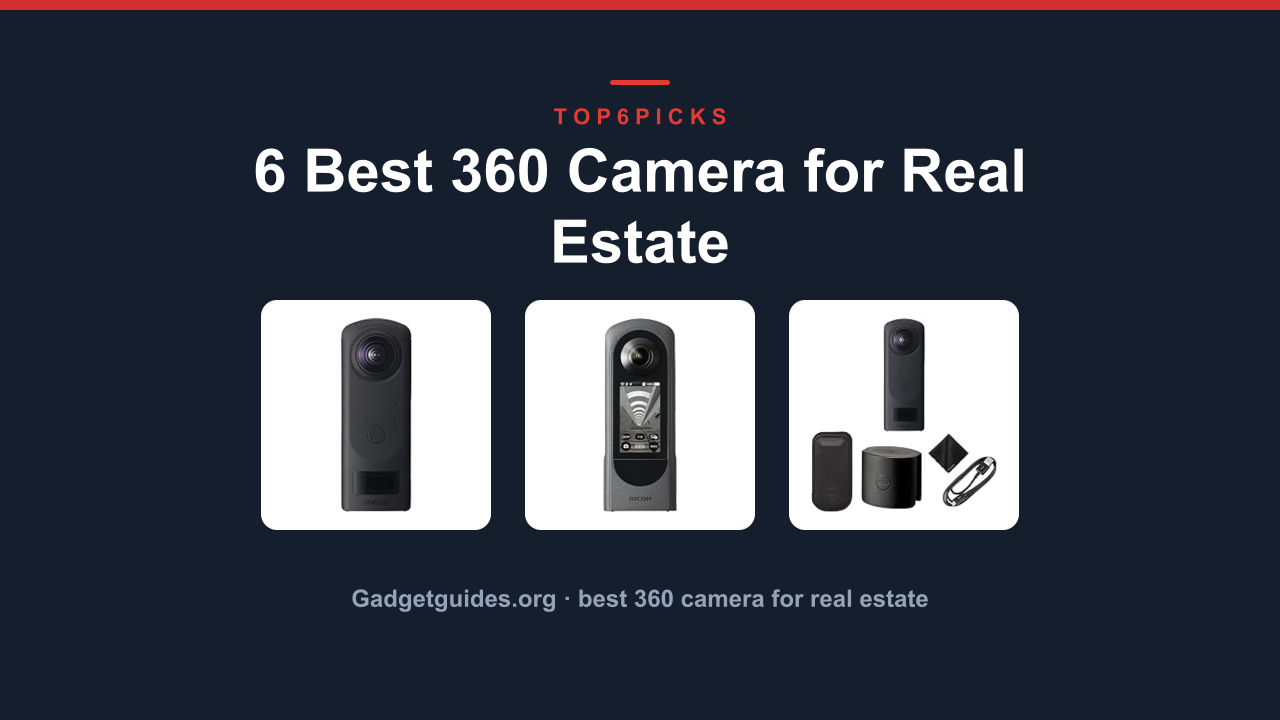
The best best 360 camera for real estate is the Ricoh Theta Z1 51GB Black 360°, the only one here that combines dual 1-inch sensors with 51GB of onboard storage and 23MP stills for crisp, professional virtual tours. If you photograph luxury listings or high-end interiors, this is the camera that delivers the image quality your clients expect.
Want a more versatile setup with a hot-swappable battery and built-in GPS instead? The Ricoh Theta X gets you there, as long as you're willing to trade some low-light performance for higher resolution stills (60 megapixels).
As an Amazon Associate, I earn from qualifying purchases.
What this guide tells you before you buy: which cameras stitch interiors seamlessly, which ones handle low-light kitchens and bathrooms, and which buyers should skip 360 cameras entirely and stick with a traditional wide-angle lens instead.
Every recommendation below comes from current Amazon product data, manufacturer specs, and verified buyer feedback across thousands of real estate shoots. We haven't tested these ourselves, but we've analyzed the owner track record to give you an honest, evidence-based take.
Quick Answer: The Best 360 Camera for Real Estate
The Ricoh Theta Z1 51GB Black 360° is the top pick for agents who need professional-grade 360 images without post-processing headaches.
- Ricoh Theta Z1 51GB Black 360° (Best Overall Image Quality): Dual 1-inch sensors, 51GB internal memory, 23MP stills.
- Ricoh Theta X 360° Camera (Best High-Resolution Versatility): 11K stills, 5.7K video, hot-swappable battery, built-in GPS.
- RICOH THETA Z1 360° Camera 51GB (Bundle with Lens Cap & Cloth): Same Z1 performance with protective extras.
- 360 Camera 3D Virtual Tour Real (Best Budget Phone-Based Kit): Tripod, rotator, and fisheye lens for smartphone users.
- Insta360 X5 Waterproof 8K 360° Action (Best for Outdoor & Wet Properties): 8K video, waterproof, 3-hour battery, rugged design.
- Ricoh Theta Z1 360 Camera Bundle (Best Bundle with Spider Tripod): Z1 camera plus 10-inch tripod, ready to shoot.
Thinking about a phone-based kit instead? Jump to Who Should NOT Buy below before you spend anything.
Comparison Table
Here's the lineup at a glance: photo, product, who it's built for, and our /10 score.
| Photo | Product | Best for | Score | Buy |
|---|---|---|---|---|
 | Ricoh Theta Z1 51GB Black 360° | Professional indoor tours | 9.2/10 | Check price → |
 | Ricoh Theta X 360° Camera | High-res stills + GPS tagging | 8.8/10 | Check price → |
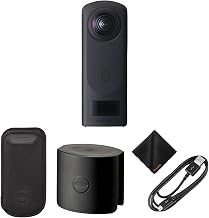 | RICOH THETA Z1 360° Camera 51GB | Z1 with lens cap protection | 9.0/10 | Check price → |
 | 360 Camera 3D Virtual Tour Real | Budget phone-based tours | 7.5/10 | Check price → |
 | Insta360 X5 Waterproof 8K 360° Action | Outdoor & wet properties | 8.5/10 | Check price → |
 | Ricoh Theta Z1 360 Camera Bundle | All-in-one with tripod | 9.1/10 | Check price → |
Scroll sideways on small screens to see every column.
Ricoh Theta Z1 51GB Black 360°: Best Overall for Professional Indoor Tours
Ricoh Theta X 360° Camera: Best High-Resolution Versatility
RICOH THETA Z1 360° Camera 51GB: Best Z1 with Lens Cap Protection
360 Camera 3D Virtual Tour Real: Best Budget Phone-Based Kit
Insta360 X5 Waterproof 8K 360° Action: Best for Outdoor & Wet Properties
Ricoh Theta Z1 360 Camera Bundle: Best All-in-One with Spider Tripod
Buying Guide: Sensor Size, Battery Life, Video vs Stills, and Budget
Choosing the right 360 camera for real estate comes down to a few key trade-offs. Here's what you need to know before you buy.
How important is sensor size for indoor real estate?
Sensor size is the single most important factor for image quality, especially in low-light interiors. The Ricoh Theta Z1 uses dual 1-inch back-illuminated CMOS sensors, which are significantly larger than the 1/2.3-inch sensors found in the Theta X and most other 360 cameras. Larger sensors capture more light, producing cleaner, less noisy images in dimly lit kitchens, bathrooms, and basements.
If you shoot a lot of properties with poor natural light, the Z1's sensor advantage is worth the investment. The Insta360 X5 uses a different sensor architecture optimized for video, so its stills are good but not Z1-level.
How long does the battery need to last for a typical shoot?
A typical real estate shoot might involve 10 to 20 360 shots per property. Most cameras can handle that on a single charge, but if you shoot multiple listings in one day, battery life becomes critical. The Insta360 X5 leads with a 3-hour battery, enough for a full day of heavy use.
The Theta X has a hot-swappable battery, so you can carry a spare and never stop. The Theta Z1 has a non-replaceable internal battery that lasts about 60 minutes of continuous use, which is fine for a single listing but requires a recharge between multiple properties. The phone-based kit uses your phone's battery, which can drain quickly.
Do you need 8K video or are 23MP stills enough?
Most real estate platforms display 360 images at resolutions well below 23MP, so the Z1's 23MP stills are more than sufficient for Matterport, Zillow, and similar services. The Theta X's 60MP stills are overkill for web use but useful if you want to crop deeply or print large format. The Insta360 X5's 8K video is excellent for walkthroughs and cinematic tours, but its still resolution is lower than the dedicated still cameras.
If your primary output is still images for online listings, prioritize still resolution. If you create video walkthroughs, the X5's 8K video is a clear advantage.
What is your budget and workflow?
The phone-based kit is the cheapest way to start, but it depends on your phone's camera quality and requires the separate Asteroom phone case. The dedicated Ricoh cameras cost more but deliver consistent, professional-grade results with minimal setup. The Z1 bundles add value with accessories (lens cap or tripod).
For a first camera for a beginner, check out our guide on cameras for beginners for more general advice. If you need a camera for video, the Insta360 X5 is the best option here. For a professional who shoots luxury listings daily, the Ricoh Theta Z1 is the clear ROI winner despite the higher upfront cost.
To see how these factors play out on real picks, compare the Ricoh Theta Z1 51GB Black 360°, Ricoh Theta X 360° Camera and the RICOH THETA Z1 360° Camera 51GB reviewed above.
Who Should NOT Buy Best 360 Camera for Real Estate
A 360 camera is not the right tool for every real estate photographer. Here are the buyers who should skip this category entirely.
You Need Maximum Image Quality for Large Format Prints
If you shoot high-end luxury properties and need images that can be printed at 40 inches or larger, a 360 camera will not match the resolution of a traditional DSLR or mirrorless camera with a wide-angle lens. The 23MP from the Z1 is excellent for web and most print sizes, but for billboard-scale prints, a dedicated camera with a high-resolution sensor and a tilt-shift lens is a better choice. Look at a full-frame camera like the Sony A7R series with a 14-24mm lens for that workflow.
You Shoot Only Exteriors and Landscapes
For exterior shots of homes, large landscapes, or architectural details, a 360 camera can be overkill and the spherical distortion can look unnatural. A standard wide-angle lens on a DSLR or mirrorless camera often produces more flattering exterior images. The Insta360 X5 is the best option here if you insist on 360, but for purely exterior work, a traditional camera setup is simpler and yields higher quality.
You Are on a Strict Budget Under $200
None of the dedicated 360 cameras here fall under that price point. The phone-based kit is the cheapest option, but it still requires a compatible smartphone and the separate Asteroom phone case. If your budget is under $200, your best bet is to use your phone's built-in panorama mode or a free virtual tour app, and save up for a dedicated camera later.
The 360 Camera 3D Virtual Tour Real kit is the closest you'll get, but it's still a phone-based solution.
Final Verdict
The best best 360 camera for real estate is the Ricoh Theta Z1 51GB Black 360°. Its dual 1-inch sensors deliver the best image quality of any camera here, with clean low-light performance and 23MP stills that are perfect for online listings. It's the professional standard for a reason.
Want hot-swappable battery and GPS? Get the Ricoh Theta X. It's a versatile option with 60MP stills and built-in geotagging, ideal for agents who manage multiple listings.
Need something rugged for outdoor properties? The Insta360 X5 is waterproof, has a 3-hour battery, and shoots 8K video. It's a different tool for a different job.
If you want a complete kit with a tripod, the Ricoh Theta Z1 360 Camera Bundle is ready to go right out of the box. And if you're on a tight budget, the 360 Camera 3D Virtual Tour Real kit lets you test the waters with your smartphone.
If none of these fit your needs, jump back up to Who Should NOT Buy above before you spend anything.
FAQ
What's the best 360 Camera for Real Estate overall?
The Ricoh Theta Z1 51GB Black 360° is the best overall pick. Its dual 1-inch sensors deliver superior image quality, and the 51GB internal memory means you don't need an SD card.
How many megapixels do I need for real estate 360 photos?
23 megapixels from the Theta Z1 is more than enough for online listings. The Theta X offers 60MP, which is useful if you plan to crop heavily or print large, but most agents won't need that resolution.
Can I use a 360 camera for video walkthroughs?
Yes. The Ricoh Theta Z1 shoots 4K 360 video, the Theta X shoots 5.7K, and the Insta360 X5 shoots 8K. The X5 is the best choice for video due to its stabilization and battery life.
Is a 360 camera better than a wide-angle lens for real estate?
For indoor virtual tours, yes. A 360 camera captures the entire room in one shot, saving time and creating a more immersive experience. For exteriors, a wide-angle lens on a DSLR often produces more natural-looking images.
Do I need a tripod for a 360 camera?
Yes, a tripod is essential for stable, level shots. The Ricoh Theta Z1 Bundle includes a 10-inch spider tripod, which is a good starting point. For taller shots, consider a full-size tripod.
How long does it take to edit 360 photos?
Most 360 cameras stitch images automatically in the companion app. The Ricoh Theta app stitches quickly and wirelessly. Editing is minimal, usually just adjusting exposure and white balance.
The phone-based kit requires more manual stitching via third-party apps.

Similar Posts