Best AI Smart Home Devices: Top Picks For Smarter Living
The best AI smart home devices make daily routines safer, simpler, and easier to control.
Picture this: you are in bed, the lights are still on, a parcel is at the door, and your child needs help with a question. A smart home device can handle many small tasks with a voice command, app tap, or automatic routine. I looked at the features, setup needs, privacy points, and daily value behind these picks. The list includes smart speakers, a starter kit, a video doorbell, and a wearable translator. Together, they show how AI can make a home feel less like a gadget demo and more like a helpful assistant.

Gemini Home Speaker with AI…
BEDSIDE SPEAKER AND SLEEP SOUND MACHINE: This compact wireless speaker combines Bluetooth audio, 16 built-in sleep sounds (white noise, brown noise, rain, ocean, and more) and multiple RGB night light…

Gemini Home Speaker with AI…
BEDSIDE SPEAKER AND SLEEP SOUND MACHINE: This compact wireless speaker combines Bluetooth audio, 16 built-in sleep sounds (white noise, brown noise, rain, ocean, and more) and multiple RGB night light…

Smart Home Starter Kit |…
Getting started with smart home has never been easier – An all-in-one kit with a quick guided setup makes starting your smart home easy. A setup so easy, it feels…
Gemini Home Speaker with AI Assistant
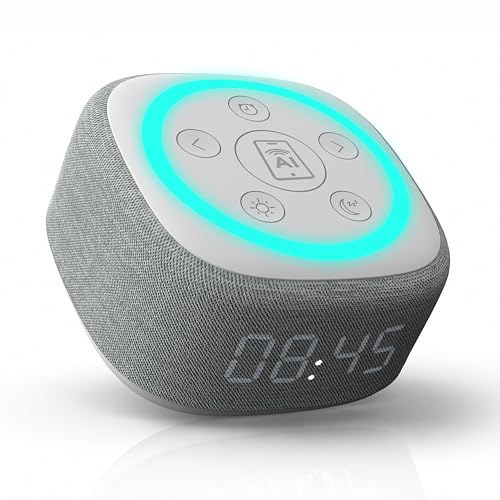
The Gemini Home Speaker BRS-180 combines a voice assistant, Bluetooth audio, sleep sounds, and a small LED clock in one compact unit. Its built-in microphone lets you use voice commands without reaching for your phone. The speaker also offers 16 sleep sounds and eight RGB night-light modes. That mix makes it more than a basic music speaker for a bedroom or guest room.
I like the way this device targets simple daily needs. You can use calming audio at night, a soft light for late reading, and the clock display for a quick time check. The Bluetooth function also gives you a flexible way to play music or podcasts from a phone. As with any connected speaker, performance will depend on Wi-Fi quality, phone settings, and the services supported by the assistant.
Pros:
- Combines voice control, audio, lighting, and clock functions
- Includes 16 sleep sounds for bedtime use
- Offers eight RGB night-light modes
- Built-in microphone supports hands-free commands
- Bluetooth connection works with compatible mobile devices
- Compact design fits a nightstand, desk, or shelf
- Can reduce the need for several separate bedside gadgets
Cons:
- Some voice features may require a compatible account or service
- Bluetooth range and audio quality can vary by room and phone
- RGB lighting may feel bright for users who prefer a dark bedroom
My Recommendation
I recommend this Gemini speaker for people who want one bedside device to manage sound, light, time, and basic voice tasks. It suits sleepers who enjoy white noise or gentle background audio. It also fits a child’s room, home office, or small apartment where counter space matters. The LED clock gives useful information at a glance without forcing you to unlock a phone.
This is one of the more approachable Best AI Smart Home Devices for buyers who want a calm entry point into voice control. It does not try to replace every smart home hub. Instead, it focuses on comfort and convenience. Check current compatibility and pricing on Amazon before ordering, since connected features and availability may change.
Gemini Home Speaker BRS-180 Alternative Listing
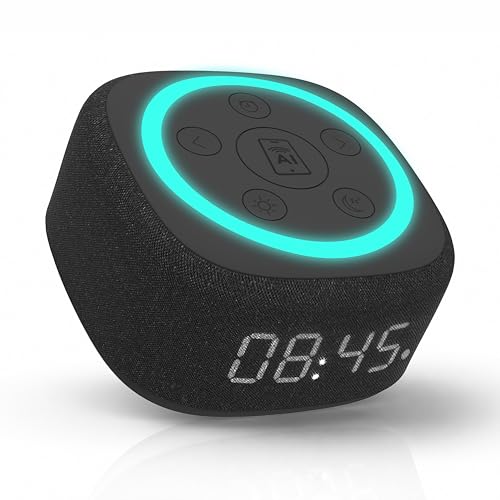
This second Gemini Home Speaker listing uses the same BRS-180 product name and the same core feature set. It includes AI voice assistant access, a built-in microphone, Bluetooth playback, sleep sounds, RGB lighting, and an LED clock. The separate listing may reflect a different offer, package, or seller arrangement. For that reason, I would compare the listing details, shipping terms, and return policy before choosing one.
From a use standpoint, this speaker is suited to a relaxed bedroom routine. A sleep sound can cover small background noises, while the night light can help you move around without turning on a harsh ceiling lamp. The voice feature may also help with simple hands-free tasks. Buyers should still review microphone controls and account permissions before placing the speaker in a private space.
Pros:
- Useful combination of sleep audio and smart speaker functions
- LED clock makes time checks quick and simple
- Eight light modes allow different bedtime settings
- Bluetooth adds a familiar way to play personal audio
- Voice access can help when your hands are busy
- Small footprint works well on narrow furniture
- Suitable for bedrooms, nurseries, offices, and guest spaces
Cons:
- Duplicate listings can make package details harder to compare
- Voice assistant functions may vary by region or account
- Users who need powerful room-filling sound may want a larger speaker
My Recommendation
I would choose this listing for shoppers who want the Gemini BRS-180 but prefer to compare another Amazon offer. It may be a good fit for a bedroom, dorm room, or home office. The strongest value comes from the combination of sound, light, clock, and voice control rather than from any one feature. That makes it practical for users who prefer fewer devices on a table.
Before buying, I suggest checking whether the product image, included items, seller, and delivery terms match your needs. This is a useful option within the Best AI Smart Home Devices category when comfort features matter most. It offers a gentle way to add smart functions without starting with a complex security or automation system.
Alexa Plus Smart Home Starter Kit

The Smart Home Starter Kit is the strongest all-around choice in this group for someone building a connected home from the ground up. It includes an Echo Hub, one Amazon Smart Plug, and four Amazon Basics Smart Bulbs. The bundle is designed for Alexa+ and puts a control screen, plug, and lights in one package. That gives a new user a clear starting point instead of a box full of unrelated devices.
The Echo Hub can serve as a central touch point for compatible smart home products. You can use the bulbs for schedules, room scenes, or voice control, while the smart plug can automate a lamp or another suitable device. I would start with simple routines, such as turning lights on at sunset or switching a lamp off at bedtime. Always follow the electrical ratings and safety instructions for the plug, and never use a smart plug with devices that should not be left unattended.
Pros:
- Includes five useful smart home components in one kit
- Four bulbs make it easier to create a multi-room setup
- Echo Hub provides a dedicated control screen
- Smart plug can automate a compatible lamp or appliance
- Designed around Alexa+ voice and home controls
- Good starting point for schedules and simple routines
- Reduces the guesswork of choosing a first smart home device
Cons:
- Best results require compatible Wi-Fi and supported devices
- Alexa+ features, services, or subscriptions may change over time
- Bulb color and brightness functions may depend on the exact model
- Some users may find a hub-based setup more work than a single speaker
My Recommendation
This kit is best for renters, families, and first-time smart home buyers who want a clear path into automation. The four bulbs are especially helpful for homes with several rooms, while the plug adds one more useful control point. The Echo Hub can make routines easier to see and manage than voice commands alone. It also gives visitors or family members a visual way to control selected devices.
Among the Best AI Smart Home Devices reviewed here, this is my top pick for broad home control. It has more setup work than a stand-alone speaker, but the bundle offers more room to grow. I would confirm current app support, included hardware, and Alexa+ terms on the product page before purchase.
Orbitell 1080p AI Video Doorbell

The Orbitell wireless video doorbell adds a watchful eye to the front door. It offers 1080p video, two-way audio, night vision, cloud storage, and smart AI motion detection. The device supports 2.4GHz Wi-Fi only, which is an important detail to check before buying. A doorbell camera can help you see visitors, speak with a delivery driver, or check motion when you are away.
In daily use, the value of a video doorbell comes from awareness rather than perfect prediction. Motion alerts can help you notice activity, but users should review alert settings so normal traffic does not create constant notifications. Night vision helps in low light, while two-way audio provides a quick way to communicate. Since cloud storage and AI detection can involve accounts or fees, I recommend reading the current storage terms and privacy details before installation.
Pros:
- 1080p video provides a clear view for routine door checks
- Two-way audio supports quick visitor communication
- Night vision helps monitor the entry area after dark
- AI motion detection may reduce the need to watch live video
- Wireless design can simplify placement and setup
- Cloud storage may preserve clips for later review
- Useful for deliveries, visitors, and basic entry awareness
Cons:
- Works with 2.4GHz Wi-Fi only
- Cloud storage terms may include limits or recurring costs
- Wireless devices need battery or power management
- Motion alerts can still include false alerts from cars, pets, or weather
My Recommendation
I recommend the Orbitell doorbell for apartment residents, homeowners, and frequent online shoppers who want basic front-door awareness. It is a practical pick for people who cannot answer every knock or who want to speak with visitors from another room. The 2.4GHz requirement may help range in some homes, but your router must support that band. Check local mounting rules and avoid aiming the camera into areas where recording could invade a neighbor’s privacy.
This is one of the Best AI Smart Home Devices for entry monitoring, not a full alarm system. Its best features are the camera, night vision, audio link, and motion alerts working together. I would buy it when those functions match your needs and the cloud plan fits your budget. Product availability and storage terms should be confirmed on Amazon before checkout.
SHAPERME AI Wearable Translator

The SHAPERME Smart AI Wearable Translator is made for travel, business talks, and language practice. The listing says it can translate more than 160 languages and support Spanish and English practice. Its wearable design aims to keep translation close at hand instead of requiring a large phone or separate device. That can be useful when your hands are full at an airport, shop, hotel, or meeting.
A translator can open a door, but it cannot replace patience and human judgment. Speech quality, accents, background noise, internet access, and language pair support can affect results. I would test the device at home before a major trip and download or confirm any needed app. For important medical, legal, or financial conversations, use a qualified human interpreter instead of relying only on an AI tool.
Pros:
- Supports a broad range of listed languages
- Wearable form keeps translation access convenient
- Useful for travel, business, and casual conversation
- Can support English and Spanish language practice
- May reduce the need to pass a phone back and forth
- Helpful for quick words, phrases, and directions
- Portable design fits a travel bag or daily carry setup
Cons:
- Translation accuracy can vary with accents and background noise
- Some functions may require a phone, app, or internet connection
- It should not replace a professional interpreter in high-risk settings
- Battery life and language features should be confirmed before travel
My Recommendation
The SHAPERME translator is best for travelers, international students, sales staff, and people who practice a second language. It can make short exchanges less stressful when you do not share a common language. The wearable style is its main advantage because it keeps the tool ready without making the phone the center of every conversation. I would treat it as a helpful bridge, not a perfect language expert.
It is an unusual pick among the Best AI Smart Home Devices, since its main role is personal communication rather than home control. Still, it shows how AI tools can support daily life beyond lights and cameras. Confirm supported languages, connection needs, app requirements, and return terms before buying. That small check can prevent a large travel headache.
How I Evaluate the Best AI Smart Home Devices
I do not judge a smart device by its word “AI” alone. I look at the task it solves, the work needed to set it up, and the limits that appear after the first week. A useful product should save time without creating a new chore. It should also explain what it can do, what it cannot do, and what data it may collect.
For home products, I focus on control, reliability, and compatibility. A smart bulb is only useful if the app connects and the bulb fits your lamp. A voice speaker needs clear microphones, a stable network, and settings that match your privacy comfort. A doorbell needs a strong mounting point, a suitable Wi-Fi band, and a storage plan that makes sense.
I also consider accessibility. Voice control can help someone with limited mobility, while a hub screen can help users who prefer visual controls. Sleep sounds may support a calm routine, and translation tools may reduce stress during travel. The best AI smart home devices should feel like quiet helpers, not demanding roommates.
AI Features That Matter in a Smart Home
AI can mean different things from one product to the next. In a speaker, it may help understand natural voice requests. In a camera, it may sort motion events or identify patterns. In a translator, it may turn speech into another language. The feature name matters less than the result you get in real life.
Look for clear controls and easy ways to change settings. A good system lets you mute a microphone, pause a camera, adjust alerts, or remove a device from your account. The Federal Trade Commission has long advised consumers to protect connected devices with strong passwords and current software. Those simple steps remain useful in 2026.
Security also starts with your network. The Cybersecurity and Infrastructure Security Agency recommends basic habits such as updating devices, using strong unique passwords, and securing home Wi-Fi. I would place smart devices on a guest network when the router supports it. This will not solve every risk, but it adds a sensible layer between your personal computers and smaller connected products.
Setup Tips for a Smoother Experience
Start with the product closest to your daily routine. If you want better bedtime comfort, begin with the Gemini speaker. If you want room control, start with the Echo Hub kit. If packages often sit outside, focus on the doorbell. A clear goal keeps setup from becoming a pile of half-finished experiments.
Before installation, check the Wi-Fi band, power needs, app name, account rules, and physical dimensions. The Orbitell doorbell lists 2.4GHz Wi-Fi support, so buyers should confirm that their router offers that band. For smart bulbs, check the lamp base and maximum watt rating. For a speaker, measure the shelf or nightstand and leave space for controls and sound.
After setup, create one simple routine. For example, set a bedroom light to turn off at bedtime or set a lamp to turn on at sunset. Use the device for several days before adding more automations. This slow approach helps you find weak Wi-Fi spots, unwanted alerts, and routines that look clever but do not save much time.
Privacy and Data Questions to Ask
Connected devices often need an account, an app, or cloud services. A microphone may listen for a wake word, while a camera may upload clips for storage or motion analysis. A translator may send speech to a service for processing. I do not see this as an automatic reason to avoid smart devices, but I do see it as a reason to read the privacy settings.
Ask how long recordings remain available and who can access them. Check whether you can delete voice history, camera clips, or account data. Use multi-factor authentication if the service offers it. You can also mute a speaker or turn off a camera when you do not need it.
Think about placement as well. Keep a voice speaker away from private work calls if that makes you uneasy. Aim a doorbell only at the needed entry space. Do not use a consumer translator for sensitive information unless you understand how the service handles speech data. Good smart home habits protect both convenience and peace of mind.
Best For Comparison
| Best for | Why |
|---|---|
| Whole-home beginners | The Alexa+ starter kit includes a hub, plug, and four bulbs for a clear first setup. |
| Bedroom comfort | The Gemini speaker combines sleep sounds, voice control, a clock, and RGB light modes. |
| Front-door awareness | The Orbitell doorbell adds 1080p video, night vision, motion detection, and two-way audio. |
The table shows why there is no single winner for every buyer. A family may value room control, while a light sleeper may care more about calming sound. Someone who travels often may prefer a translator over a home hub. The right choice depends on the problem you want to solve first.
Buying Guide for 2026
In 2026, smart home shoppers should look beyond a device’s feature count. Compatibility still matters more than flashy claims. A product that works with your current phone, router, and preferred platform will usually bring more value than a powerful device that sits unused.
Pay attention to standards and support. Matter can help compatible smart home products work across supported ecosystems, but not every feature works in every platform. Check the exact product page for current compatibility instead of assuming that a logo guarantees every function. Firmware support also matters because connected products need updates for stability and security.
Review the total cost. The purchase price may not include a subscription for camera storage or premium assistant features. Smart bulbs use little energy, but a growing collection can add clutter and setup work. A small device with clear value may beat a large bundle if you only need one task.
Read recent customer reviews with care. I look for repeated comments about connection drops, app problems, battery life, false motion alerts, and unclear instructions. One unusual complaint may not show a pattern. Many similar complaints deserve attention, especially when the product depends on cloud access.
Finally, check the return policy. AI features can feel different in your home than they sound on a product page. Your walls, router, accent, lighting, and room size all affect performance. A fair return window gives you time to test the device without turning a purchase into a gamble.
Common Mistakes to Avoid
The first mistake is buying several devices before choosing one home platform. This can lead to multiple apps, duplicate routines, and confusing voice commands. Start with one ecosystem when possible. Add products only after you know the controls fit your habits.
The second mistake is placing devices where they cannot work well. A speaker hidden behind a TV may miss commands. A doorbell may face direct sun or a busy street. A Wi-Fi device in a far corner may disconnect. Placement is not a minor detail; it is part of performance.
The third mistake is ignoring people who share the home. Ask family members before placing a camera or microphone in a shared space. Give them a simple way to disable or mute it. Smart technology works best when everyone understands the rules.
The fourth mistake is expecting AI to understand everything. AI can help with routine tasks, but it may misunderstand accents, names, noisy rooms, or unusual requests. Keep manual controls available. A physical button, app control, or backup plan can save time when voice control misses the mark.
FAQs Of Best AI Smart Home Devices
What are the Best AI Smart Home Devices for beginners?
The Alexa+ Smart Home Starter Kit is the best starting point for most beginners because it includes a hub, a plug, and four bulbs. It offers several useful functions without requiring you to select every part separately. A Gemini speaker is a simpler choice if you only want voice control, sleep sounds, and a bedside light.
Do AI smart home devices need Wi-Fi?
Most connected features need Wi-Fi or another network connection. Bluetooth may handle direct audio on some products, but voice assistants, cloud storage, motion alerts, and remote control often need internet access. Always check the product requirements, including the supported Wi-Fi band.
Are smart cameras safe for privacy?
No connected camera is risk-free, but you can lower risk with a strong password, multi-factor authentication, software updates, and careful placement. Review storage and sharing settings before use. Turn off or unplug the camera when monitoring is not needed.
Can AI smart speakers control all home devices?
No. A smart speaker can control compatible products only. Support depends on the brand, app, platform, and available integrations. Check compatibility before buying, and remember that some advanced features may need a subscription or newer hub.
Can a wearable translator replace a human interpreter?
No. A wearable translator can help with short, everyday exchanges, directions, and practice. It may struggle with noise, accents, complex terms, and context. Use a trained interpreter for medical, legal, financial, or other high-stakes conversations.
Final Verdict: Which Should You Buy?
The Alexa+ Smart Home Starter Kit is my top pick because it offers the broadest path into home control. Choose the Gemini speaker for sleep and bedside use, or the Orbitell for front-door monitoring. The SHAPERME translator suits frequent travelers.
The Best AI Smart Home Devices work best when they solve one clear problem first. Check compatibility, privacy settings, storage costs, and current Amazon availability before you buy.





2 Comments