How To Mount A Soundbar: Easy Step-By-Step Guide
Mounting a soundbar means placing it securely near your TV so sound is clearer, wider, and more immersive.
If you have ever felt like your TV audio sounds thin, muffled, or oddly small for the picture on screen, you are not alone. I have set up a lot of soundbars over the years, and the difference a proper mount makes is huge. Done right, mounting a soundbar can make your setup look cleaner, sound better, and feel more polished in one simple step.
Why mounting a soundbar matters
A soundbar works best when the sound has a clear path to your ears. When it sits too low, too high, or gets blocked by furniture, audio can sound uneven. Mounting the soundbar near the TV usually helps it blend into the viewing angle and create a more direct listening experience.
There is also a practical side. A mounted soundbar frees up shelf space, reduces cable clutter, and gives your setup a built-in look. In my experience, this is one of those small upgrades that makes a room feel instantly more finished.
Another reason people search for how to mount a soundbar is safety and stability. A properly mounted unit is less likely to get knocked over by pets, kids, or everyday movement around the room. That matters more than people think, especially in busy family spaces.

What you need before you start
Before you learn how to mount a soundbar, it helps to gather the right tools and parts. I always recommend laying everything out first. It saves time and keeps you from stopping halfway through the job.
You will usually need:
• A soundbar mounting bracket or the bracket included with your soundbar
• A drill and drill bits
• A stud finder
• A level
• A measuring tape
• A pencil for marking holes
• Screws and anchors that match your wall type
• A screwdriver
• A socket wrench or hex key, depending on the bracket
If your TV is already mounted, check whether the soundbar can attach to the TV mount itself. Many universal soundbar mounts are made for this exact setup. If the TV stands on a console, wall mounting the soundbar below it may still be the cleanest choice.
One lesson I learned early on is to check the soundbar manual before buying hardware. Some models have special mounting points, odd screw sizes, or weight limits that can change your plan. A five-minute check can save you a frustrating return trip.
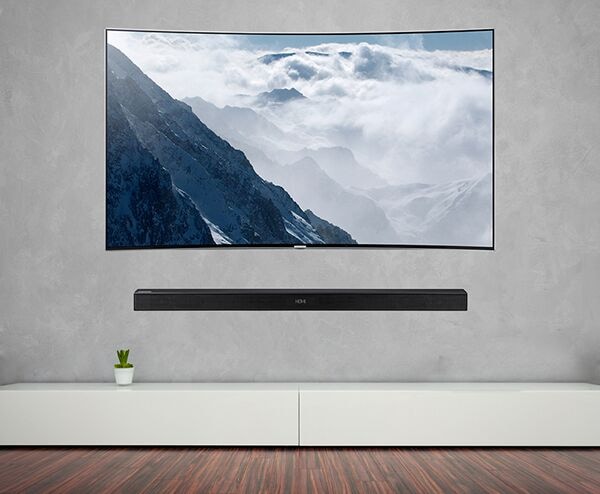
How to mount a soundbar step by step
The basic process of how to mount a soundbar is simple, but the details matter. Take your time and measure twice before drilling. That little bit of patience pays off.
1. Pick the right location
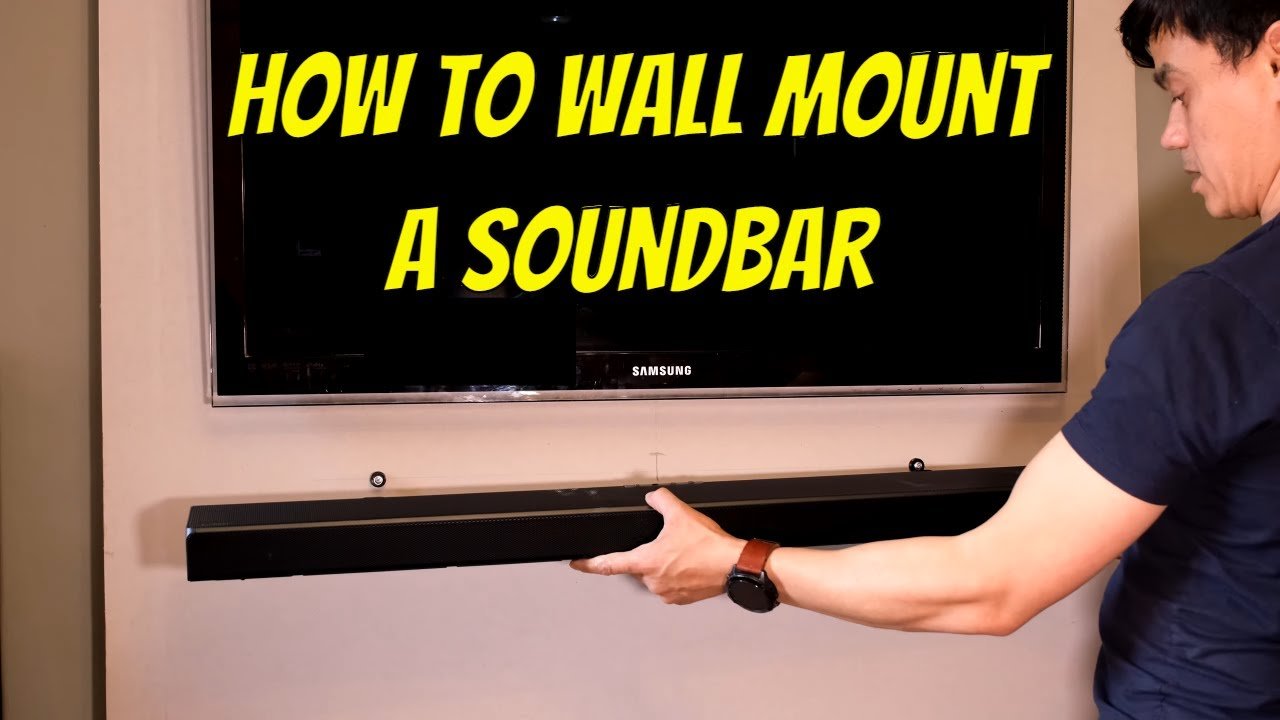
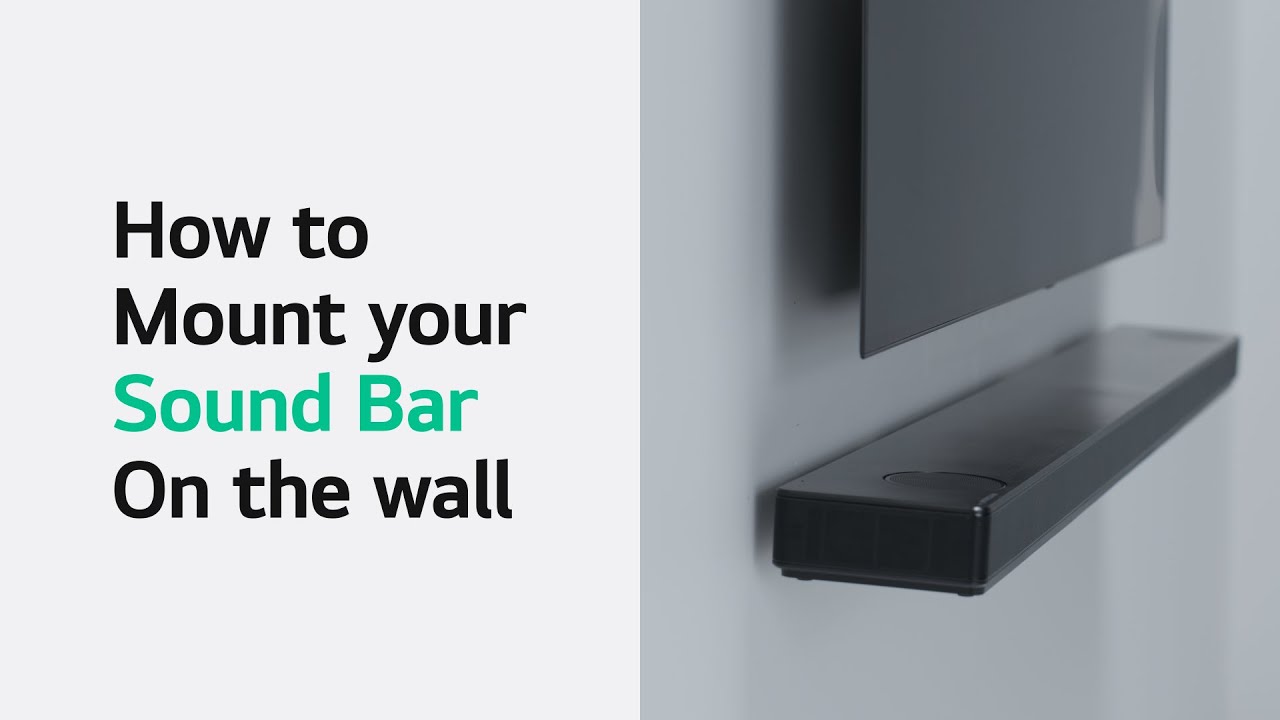
The best spot is usually centered under or above the TV. Most people mount the soundbar below the screen because it feels natural and keeps the speakers close to ear level. If the TV is wall mounted, the soundbar should sit just beneath it without blocking the screen.
Keep the following in mind:
• Leave enough room for the soundbar not to touch the TV
• Make sure the soundbar does not block the remote sensor
• Avoid placing it inside a closed cabinet
• Keep it clear of heat sources and direct sunlight
Sound quality can suffer if the bar is hidden behind objects. Think of it like speaking through a curtain. The clearer the path, the better the result.
2. Measure the placement carefully
Use a tape measure and level to mark where the bracket will go. Aim for the soundbar to sit evenly across the TV width. If the mount uses side arms, measure from the center of the TV so everything lines up.
I like to mark the center point first, then work outward. That keeps the setup balanced and avoids the common mistake of ending up slightly off-center, which is more noticeable than people expect. Even a small tilt can make the whole room look sloppy.
3. Find studs or use proper wall anchors
If you are mounting into drywall, try to anchor into studs whenever possible. Studs give the strongest hold. A stud finder makes this much easier and more reliable.
If studs are not in the right place, use heavy-duty wall anchors rated for the soundbar’s weight. Never rely on basic plastic anchors for a heavier setup. According to common building and mounting guidance used across home improvement practices, load-bearing support should always match the weight and wall material.
4. Attach the bracket
Once the holes are marked, drill carefully and attach the bracket using the included screws or approved hardware. Tighten everything firmly, but do not overdo it. Over-tightening can strip screws or damage the wall.
If the mount has adjustable arms, set them evenly. Double-check the level before moving on. This is one of those steps that looks boring but saves you from redoing the whole job later.
5. Secure the soundbar to the bracket
Now attach the soundbar to the mount. Some brackets use threaded inserts, while others hold the bar with clamps or rails. Follow the instructions for your specific model, since the attachment method can vary a lot.
Make sure the soundbar sits straight and does not wobble. Give it a gentle test to confirm it feels secure. I always do a light shake test before calling the job done, because that final check catches small issues fast.
6. Connect and hide the cables
After the soundbar is mounted, connect the power cable and audio cable. HDMI ARC or eARC is usually the best choice if your TV supports it, since it can carry high-quality sound and simplify control. Optical cables are still a solid option if HDMI ARC is not available.
Try to hide the cables with:
• Cable clips
• Raceways
• Velcro ties
• In-wall cable management if your setup allows it
A neat cable run makes the install look intentional instead of improvised. It is a bit like tucking in a shirt before a meeting. Small detail, big difference.
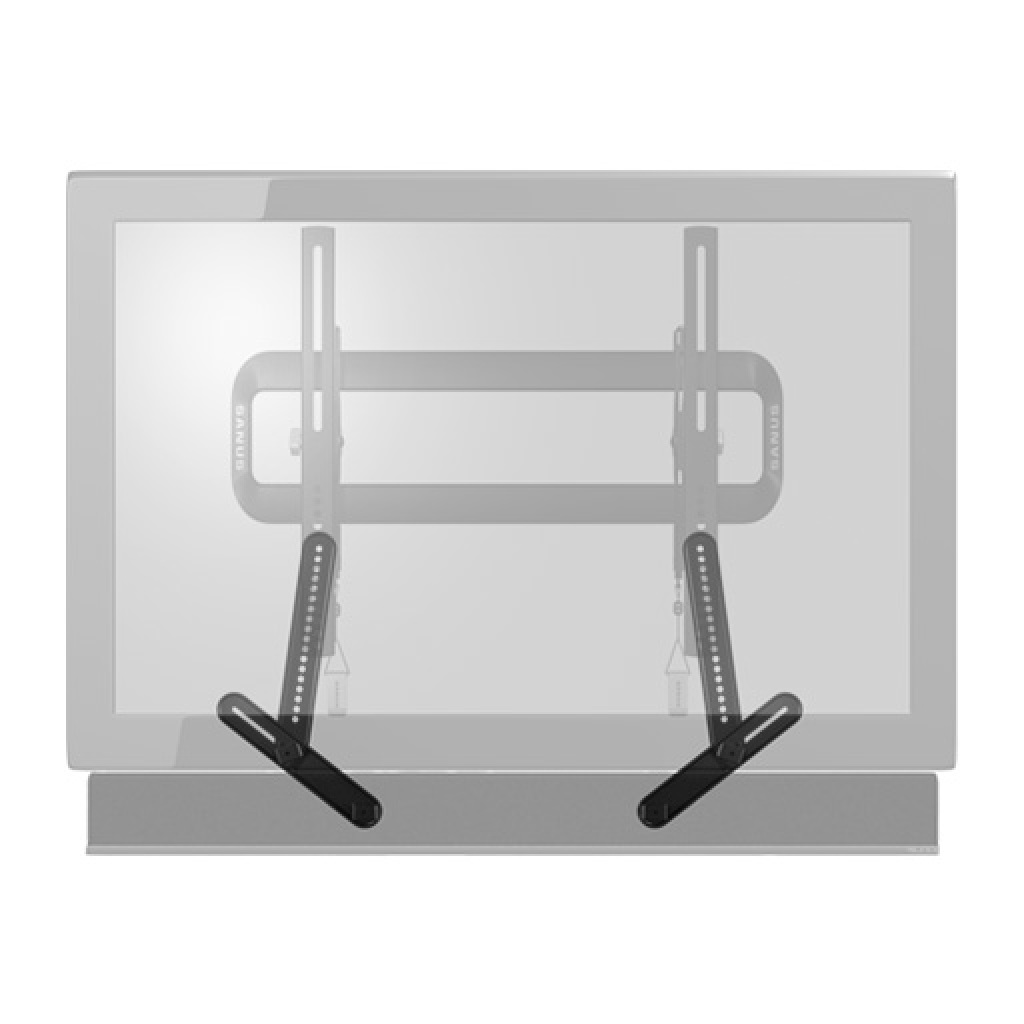
Choosing the best mount for your soundbar
Not all mounts are the same, and choosing the right one is a big part of learning how to mount a soundbar properly. Some mounts are designed to sit on the wall, while others connect directly to your TV bracket. The right choice depends on your room, your TV, and the shape of your soundbar.
Common mount types include:
• Fixed wall mounts, which keep the soundbar in one spot
• TV attachment mounts, which move with the TV
• Universal adjustable mounts, which fit many soundbar sizes
• Shelf-style brackets, which support soundbars without direct attachment
If your TV is on a swivel mount, a TV-attached soundbar mount can be a smart move. That keeps the soundbar aligned with the screen when you turn it. In my experience, this is the cleanest solution for living rooms where the TV angle changes often.
Pay attention to weight capacity, width compatibility, and the soundbar’s rear port layout. Some soundbars have rear-facing ports that need extra clearance. If you ignore that, you may end up with bent cables or blocked connections.
Soundbar mounting mistakes to avoid
A lot of people search for how to mount a soundbar after they already made a mistake. The good news is that most of those mistakes are easy to prevent.
Watch out for these common problems:
• Mounting too high or too low, which throws off sound and viewing comfort
• Blocking the TV sensor or screen edge
• Using weak anchors in drywall
• Forgetting to level the bracket
• Tightening screws too hard
• Ignoring cable clearance behind the unit
• Choosing a mount that does not fit the soundbar’s size
One mistake I see often is people mounting the soundbar before checking sound output direction. Some bars fire sound upward, forward, or from side speakers, and placement affects all of that. The instructions may seem obvious, but they usually contain a few useful clues.
Another issue is mounting above a fireplace. It can look stylish, but heat can be bad for electronics and the height can make dialogue harder to hear. If that is your only option, confirm safe temperature levels and consider whether a lower placement would sound better.

Best height and placement for sound quality
When people ask how to mount a soundbar, they often want the “perfect” height. The honest answer is that the best placement depends on your room, but there are a few solid rules. In general, the soundbar should be close to ear level when you are seated.
If you are mounting it below the TV, keep it just under the screen with enough gap to avoid vibration or blocking. If you mount it above the TV, keep in mind that dialogue may feel less natural because sound is coming from higher up. That is not always a dealbreaker, but it is worth thinking about.
For the best results:
• Keep the soundbar centered with the TV
• Avoid large gaps between the screen and soundbar
• Make sure nothing blocks the front grille
• Test audio with voice-heavy content, not just music or action scenes
Dialogue-heavy shows are the best test. I usually play a news broadcast or a quiet scene first, because that makes alignment and speech clarity easier to judge. Action movies can hide problems with all the extra sound effects.
Can you mount a soundbar with any TV?
In many cases, yes, but not always in the same way. A soundbar can be wall mounted under almost any TV if you have the right hardware and enough space. If the TV is already on a wall mount, a TV-attached soundbar bracket may be even better.
The key is compatibility. Check the soundbar’s width, weight, and mounting holes. Also check whether the TV mount leaves room for the soundbar to move with the screen if the TV tilts or swivels.
If you have a very large or unusually shaped soundbar, a simple universal bracket may not be enough. Some premium models need brand-specific kits. It is always better to verify than to force a fit that was never meant to work.
Tips from real setup experience
After installing a lot of soundbars, I have learned that good mounting is part planning and part patience. The actual drilling is the easy part. The real work is making sure the setup fits your room and your habits.
A few practical tips:
• Test the speaker location with painter’s tape before drilling
• Run all cables before locking the soundbar in place
• Use a second person if the bar is long or awkward
• Check whether the TV stand, wall, or shelf might reflect sound oddly
• Re-test after a day to make sure nothing loosened
I also recommend listening at different volume levels after the install. Sometimes a soundbar sounds great at medium volume but gets harsh when turned up. That can tell you whether the placement needs a small change.
Think of mounting like fitting a picture frame on a wall. The frame can be level, but if it hangs in the wrong room corner, it still feels off. Soundbars are the same way. Placement is not just about hardware. It is about how the whole space works together.

FAQs about how to mount a soundbar
Frequently Asked Questions of How to Mount a Soundbar
How high should I mount a soundbar?
The soundbar should usually be close to ear level when you are seated. If that is not possible, place it just below or above the TV while keeping it centered and unobstructed.
Can I mount a soundbar without drilling holes?
Yes, in some setups you can use a TV-mounted bracket or a shelf-style mount that does not require direct wall drilling. However, wall mounting is usually the most secure option for a permanent setup.
Should a soundbar go above or below the TV?
Below the TV is usually better because it keeps the sound closer to ear level and feels more natural. Above the TV can work, but it may make dialogue seem less direct.
What kind of screws do I need to mount a soundbar?
That depends on the soundbar and the wall type. Use the hardware recommended by the manufacturer, and match the anchor type to drywall, wood studs, brick, or concrete as needed.
Will mounting a soundbar improve sound quality?
It can improve clarity and make the audio feel better aligned with the screen. Good placement will not change the speaker’s internal sound design, but it can make a noticeable difference in how you hear it.
Conclusion
Mounting a soundbar is one of the easiest ways to improve both sound and style in your home setup. With the right tools, careful measuring, and proper placement, you can get cleaner audio, a tidier room, and a more polished entertainment space. The biggest takeaway is simple: take your time, match the mount to your gear, and focus on alignment as much as strength.
If you are ready to do it yourself, start by checking your soundbar model, choosing the right bracket, and mapping the placement before you drill. A little planning now can save you a lot of hassle later. If this guide helped, explore more home audio tips, share your setup in the comments, or subscribe for more practical DIY advice.