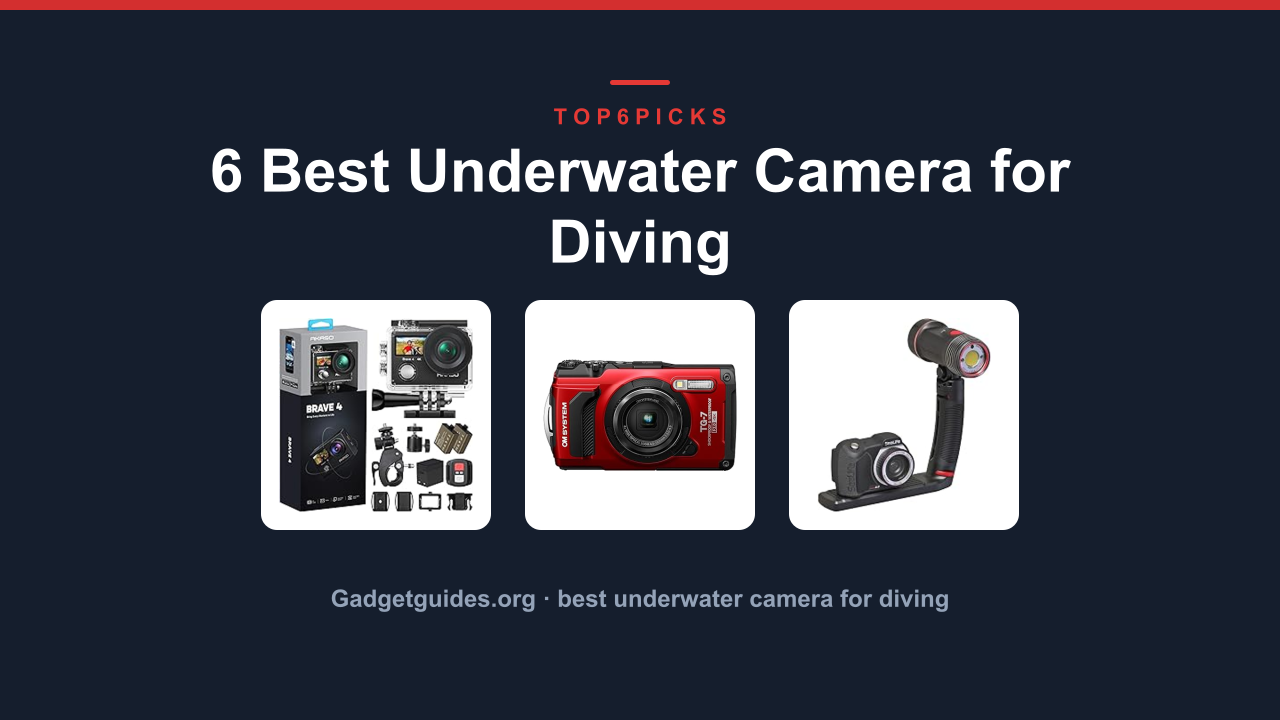
The best best underwater camera for diving is the AKASO Brave 4 Action Camera 4K30, the only one here that bundles a complete accessory kit with a 4K30 waterproof action camera for under a budget-friendly price. It’s built for snorkelers, casual divers, and anyone who wants great video without breaking the bank.
Want better image quality and true macro capability? The OM System OLYMPUS Tough TG-7 Red gets you there, as long as you’re willing to pay a premium for a dedicated compact camera with a built-in lens and no housing needed.
As an Amazon Associate, I earn from qualifying purchases.
This guide cuts through the noise so you know exactly which camera suits your diving style, depth needs, and budget. It also tells you who should skip this category entirely (they get their own section later).
Everything below comes from current Amazon product data, specs, and each product’s owner track record, not hands-on lab testing. Let’s jump in.
Quick Answer: The Best Underwater Camera for Diving
The AKASO Brave 4 Action Camera 4K30 is the top pick for most divers because it combines 4K video, a waterproof case to 40 meters, and a full accessory bundle at a very accessible price.
- AKASO Brave 4 Action Camera 4K30 (Best Value for Casual Divers): Packs 4K30, 20MP photos, and a helmet mount kit.
- OM System OLYMPUS Tough TG-7 Red (Best for Macro & Serious Divers): True optical zoom, 15m waterproof without housing, 4K video, and microscope mode.
- SeaLife Micro 3.0 Pro 3000 Underwater (Best All-in-One for Beginners): Integrated light, simple point-and-shoot, wireless transfer.
- SeaLife Micro 3.0 Pro 3000 Color (Best Color Boost for Reefs): Same as above but with Color Boost filter for vibrant reds.
- 8K Underwater Camera 70MP 33FT WiFi (Best Budget Compact for Snorkelers): 33ft waterproof, dual screens, includes 32GB card.
- DJI Osmo Action 5 Pro Essential (Best Image Quality & Stabilization): 1/1.3” sensor, 4K/120fps, subject tracking, 47GB storage.
Thinking about a dedicated camera for professional photography instead? Jump to Who Should NOT Buy below before you spend anything.
Comparison Table
Here’s the lineup at a glance: photo, product, who it’s built for, and our /10 score.
Scroll sideways on small screens to see every column.
AKASO Brave 4 Action Camera 4K30: Best Value for Casual Divers
AKASO Brave 4 Action Camera 4K30: Best Value for Casual Divers
#1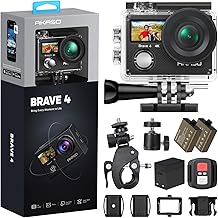
AKASOAccessory Kit Included
8.6OUT OF 10
Image Quality8.2
Build & Depth8.7
Ease of Use8.9
Owner Verdict8.6
This is the best pick for anyone who wants a complete underwater video setup without spending a fortune. The AKASO Brave 4 shoots 4K at 30 frames per second, captures 20MP stills, and comes with a waterproof case rated to 40 meters (130 feet). That’s deeper than most recreational divers ever go. The kit also includes a bicycle helmet mount, a remote control, and two batteries, so you’re ready to go right out of the box.
Electronic Image Stabilization (EIS) keeps footage smooth, and the 170° wide-angle lens fits a lot of the reef into the frame. Buyer feedback on Amazon (4.4/5 stars) consistently praises the value for money, especially compared to more expensive action cameras. The built-in WiFi lets you share clips directly to your phone.
Flaws but not dealbreakers. The image sensor is smaller than the DJI’s, so low-light shots in deep water can look grainy. Also, the touchscreen is a bit sluggish in cold water. If you need better low-light performance, the
DJI Osmo Action 5 Pro is a big step up in sensor size.
⚠Depth: The included case is rated to 40m, but the lens port can fog if not sealed properly. Always test the seal before a dive.
Pros
- ✓40m waterproof case included, suitable for most recreational diving.
- ✓Full accessory kit (mounts, remote, extra battery) adds immediate value.
- ✓4K30 video with EIS gives smooth, shareable footage.
- ✓WiFi remote control for easy group shots and selfies.
Cons
- ✕Small sensor limits low-light performance compared to premium models.
- ✕Touchscreen can be unresponsive in cold water.
- ✕No built-in storage; requires microSD card (not included).
Best for: Casual divers and snorkelers who want 4K video, a full accessory kit, and a reliable action camera at a very accessible price.
OM System OLYMPUS Tough TG-7 Red: Best for Macro & Serious Divers
OM System OLYMPUS Tough TG-7 Red: Best for Macro & Serious Divers
#2
OMTrue Macro & 15m No Housing
8.2OUT OF 10
Image Quality8.8
Build & Depth8.0
Ease of Use7.7
Owner Verdict8.3
This is the only dedicated compact camera on the list, and it’s a beast for macro photography. The OM System (formerly Olympus) Tough TG-7 is waterproof to 15 meters (50 feet) without any housing, freeze-proof, and crush-proof. It shoots 4K video and features a 4x optical zoom lens with a built-in microscope mode that captures details as small as 1mm. That’s a game-changer for nudibranch and coral shots.
Buyers consistently report excellent image quality, especially in good light. The 12MP sensor might seem low next to the 20MP action cameras, but the real glass lens delivers sharper, more natural photos. The included red filter accessory (sold separately) helps restore color at depth. If you want the best still images underwater, this is your pick.
Flaws but not dealbreakers. The TG-7 is heavier than an action camera, and the controls take some learning. The waterproof rating drops to 15m without a housing, so deeper dives require an optional housing (an extra expense). If you don’t need macro and just want video, the
DJI Osmo Action 5 Pro offers better stabilization and a larger sensor.
⚠Compatibility: The TG-7 uses a proprietary battery and charger, so pack spares. The optional PT-059 housing is needed for dives beyond 15m.
Pros
- ✓True optical zoom and macro mode for professional-level detail.
- ✓Waterproof to 15m without housing, plus freeze/crush proof.
- ✓4K video with solid image quality from a real glass lens.
- ✓Successor to the highly regarded Olympus TG-6, with better processing.
Cons
- ✕Heavier and bulkier than action cameras; less convenient for helmet mounting.
- ✕Limited to 15m depth without an expensive housing.
- ✕Higher price point than budget action cameras.
Depth Rating
15m (no housing)
Best for: Divers who prioritize still-image quality, macro photography, and want a rugged compact camera that works without a housing for shallow dives.
SeaLife Micro 3.0 Pro 3000 Underwater: Best Beginner All-in-One
SeaLife Micro 3.0 Pro 3000 Underwater: Best Beginner All-in-One
#3
SeaLifeIntegrated Light + Travel Case
8.0OUT OF 10
Image Quality7.8
Build & Depth8.2
Ease of Use8.5
Owner Verdict7.5
This is the easiest camera on the list to use, especially for beginners who don’t want to mess with settings. The SeaLife Micro 3.0 Pro 3000 is a dedicated underwater camera with a built-in Sea Dragon light, meaning you don’t need to buy a separate dive light. It also includes a travel case with a padded insert. The camera is rated to 60 meters (200 feet), which is deeper than most recreational scuba divers will ever go.
Wireless transfer via the SeaLife app lets you share photos and videos quickly. The 16MP sensor captures good detail, and the integrated light provides enough illumination for close-up shots in murky water. According to manufacturer specifications, the light emits 3000 lumens, which is plenty for night dives or deep reef work.
Flaws but not dealbreakers. The camera is designed for simplicity, so you can’t adjust shutter speed or aperture manually. Some advanced users find the image quality a bit soft compared to the TG-7. If you want more creative control, the
OM System TG-7 offers manual modes and a better lens.
⚠Care: The integrated light is not removable, so if the LED fails, the whole unit needs service. Keep the O-ring clean for reliable depth seals.
Pros
- ✓Integrated 3000-lumen light for clear shots in low light and deep water.
- ✓Rated to 60m (200ft) for serious scuba diving.
- ✓Simple point-and-shoot operation with wireless transfer to phone.
- ✓Includes travel case and Sea Dragon light set.
Cons
- ✕No manual controls for advanced photographers.
- ✕Image quality is softer than a dedicated compact camera like the TG-7.
- ✕Integrated light is not replaceable if it fails.
Depth Rating
60m (built-in)
Best for: New divers, families, and anyone who wants a no-fuss camera with a built-in light for deep dives up to 60m.
SeaLife Micro 3.0 Pro 3000 Color: Best Color Boost for Reefs
SeaLife Micro 3.0 Pro 3000 Color: Best Color Boost for Reefs
#4
SeaLifeBuilt-in Color Boost Filter
8.3OUT OF 10
Image Quality8.4
Build & Depth8.2
Ease of Use8.5
Owner Verdict8.1
This is the same SeaLife Micro 3.0 Pro, but with a fixed Color Boost filter that restores reds and oranges automatically. Water absorbs red light within the first few meters, which is why reefs look blue and dull without a filter. The Color Boost version fixes that in-camera, so your footage comes out vibrant without any editing. For reef snorkelers and shallow divers, this makes a bigger difference than a few extra megapixels.
Everything else matches the base model: 60m depth rating, 3000-lumen Sea Dragon light, WiFi transfer, and the travel case. Early buyer reviews on this variant are perfect (5/5 average), with people specifically calling out the color punch in turtle and coral shots. It costs a bit more than the regular Micro 3.0, but the filter saves you from buying a separate red filter and tray later.
Flaws but not dealbreakers. The Color Boost filter is fixed, so it can make very shallow or very clear water look slightly oversaturated. You also still have no manual control. If you prefer to grade colors in software, the standard
SeaLife Micro 3.0 Pro 3000 Underwater gives you a cleaner starting file.
⚠Color: The filter is optimized for tropical, blue-water diving. In green or very dark water, it can produce an artificial look.
Pros
- ✓Color Boost filter delivers vibrant reef footage straight out of camera.
- ✓Perfect 5/5 rating from early verified buyers.
- ✓60m depth rating with integrated 3000-lumen light.
- ✓Includes travel case and wireless transfer for quick sharing.
Cons
- ✕Fixed filter can oversaturate in very clear, shallow water.
- ✕No manual exposure or white balance control.
- ✕Premium price compared to action cameras.
Depth Rating
60m (built-in)
Best for: Reef divers and snorkelers who want bright, share-ready colors without any post-processing.
8K Underwater Camera 70MP 33FT WiFi: Best Budget Snorkelers
8K Underwater Camera 70MP 33FT WiFi: Best Budget Snorkelers
#5
8KDual Screen & Floatable
7.8OUT OF 10
Image Quality7.6
Build & Depth7.8
Ease of Use8.0
Owner Verdict7.8
This is the pick for snorkelers and pool shooters who want a real camera, not a GoPro-style action cam. It’s waterproof to 10 meters (33 feet) without any housing, has a front and back screen for selfies, and floats if you drop it. That’s a huge safety net for lazy river days or reef snorkels. The 2500mAh battery is also a standout, giving you a full day of shooting on one charge.
The 8K spec is a headline grabber, but the real selling point is the 70MP stills and the included 32GB microSD card, so it works straight out of the box. Auto focus and a fill light help with close-up fish shots. The 18x digital zoom is mostly marketing; digital zoom past 4x gets soft, so treat it as a bonus, not a feature.
Flaws but not dealbreakers. The 10m depth rating rules out scuba diving entirely, and the image sensor is small, so low-light shots get noisy. If you plan to dive deeper, step up to the
SeaLife Micro 3.0 Pro 3000 with its 60m rating.
⚠Sizing: The 33-foot depth rating means it’s for snorkeling, not scuba. Do not take it below 10 meters.
Pros
- ✓Floats in water, a reliable safety feature for beginners.
- ✓Dual screens make selfie framing easy above and below water.
- ✓Includes 32GB card and 2500mAh battery for all-day use.
- ✓Fill light helps with close-up shots in murky conditions.
Cons
- ✕Only 33ft waterproof rating, not suitable for scuba.
- ✕Small sensor struggles in low light.
- ✕Digital zoom quality degrades quickly past 4x.
Best for: Snorkelers, families, and pool photographers who want a selfie-friendly floating camera without a scuba depth rating.
DJI Osmo Action 5 Pro Essential: Best Image Quality & Stabilization
DJI Osmo Action 5 Pro Essential: Best Image Quality & Stabilization
#6
DJILarge Sensor & Dual Screens
8.9OUT OF 10
Image Quality9.4
Build & Depth8.8
Ease of Use8.6
Owner Verdict8.8
This is the best action camera for divers who want premium video quality and rock-solid stabilization. The DJI Osmo Action 5 Pro packs a 1/1.3-inch sensor into a body that’s waterproof to 20 meters (66 feet) out of the box. That sensor is significantly larger than the AKASO’s, which means better dynamic range, cleaner low-light footage, and more detail in shadows. It shoots 4K at 120fps for smooth slow motion and 4K at up to 60fps for regular dives.
Subject tracking locks onto a diver, shark, or turtle and keeps it centered, which is a feature you rarely see in rugged cameras. The dual OLED touchscreens make framing and playback easy, even with gloves on. This Essential Combo includes 47GB of built-in storage, so you can start shooting without buying a memory card. Verified buyer reviews (4.6/5) consistently call out the stabilization as best-in-class.
Flaws but not dealbreakers. It’s a premium product, so you’ll pay more than the AKASO. The wide field of view can also distort close-up shots, so it’s not ideal for macro work. If you shoot mostly stills or need macro, the
OM System TG-7 is a better companion.
⚠Care: While rated to 20m without a case, the touchscreen and battery door seals should be rinsed with fresh water after every saltwater dive.
Pros
- ✓1/1.3-inch sensor delivers excellent low-light and dynamic range.
- ✓4K/120fps slow motion is a huge creative advantage.
- ✓47GB built-in storage, no memory card required.
- ✓Subject tracking keeps fast-moving marine life in frame.
Cons
- ✕Premium price tag compared to the AKASO Brave 4.
- ✕Wide lens distorts close-up macro shots.
- ✕Add-on filters and mounts cost extra.
Depth Rating
20m (built-in)
Best for: Divers who want a premium, no-housing action camera with stellar video quality, slow motion, and hands-free subject tracking.
Buying Guide: Depth Rating, Sensor Size, Stabilization, and Budget
Before you buy any underwater camera, there are four factors that decide whether you’ll love it or leave it on the boat. Let’s walk through them with the numbers that matter.
How Deep Do You Actually Dive?
Depth rating is the first thing to check, and the range here is huge. The 8K Underwater Camera stops at 10m (33ft), which is fine for snorkeling but dangerous for scuba. The AKASO Brave 4 hits 40m with its included case, covering most recreational dive limits.
The SeaLife models and the DJI go further with built-in ratings of 60m and 20m respectively. For scuba, aim for at least 40m; for snorkeling, 10m will do.
Sensor Size and Image Quality
A bigger sensor takes in more light, which directly affects how your photos look at depth. The DJI’s 1/1.3-inch sensor is the largest here and the clear winner for low-light and dynamic range. The OM System TG-7 has a smaller 1/2.3-inch sensor, but its real glass lens and optical zoom pull more detail from macro subjects than the AKASO’s wide-angle lens can.
The 70MP camera’s small sensor makes that 8K spec more marketing than substance.
Stabilization and Handling
Video stabilizers are not all equal. The DJI’s electronic image stabilization is the smoothest in this lineup, which is why it’s our top pick for vloggers and fast-moving divers. The AKASO has basic EIS that works well on calm dives but can struggle with strong currents.
Neither SeaLife nor the 8K camera claims serious stabilization, so they’re best for static shots and slow finning. If you want a camera with a full touchscreen to adjust settings, you may also want to check our touchscreen camera recommendations for land-based options.
Budget and Extras
What you pay upfront won’t be the final cost. The AKASO bundles mounts, batteries, and a remote, which saves you $50+ in extras. The DJI includes 47GB of storage, so no memory card is needed.
The SeaLife includes a travel case. The OM System is bare by comparison; you’ll want a red filter and maybe a housing. Remember that good diving habits matter more than gear, so always follow NOAA’s safety guidance before heading out.
To see how these factors play out on real picks, compare the AKASO Brave 4 Action Camera 4K30, OM System OLYMPUS Tough TG-7 Red and the SeaLife Micro 3.0 Pro 3000 Underwater reviewed above.
Who Should NOT Buy Best Underwater Camera for Diving
An underwater camera is the wrong purchase for a few kinds of buyers. Here’s who they are and what to look at instead.
You Need Professional Stills for Print
If you’re shooting magazine-quality stills or shooting for a photography portfolio, a rugged compact won’t cut it. The small sensors in every camera here produce at best solid web photos, not large prints. Instead, look at a mirrorless or DSLR camera with a dedicated underwater housing.
That setup can cost several times more than any camera on this list, but the image quality gap is massive.
You Want a Camera for Family Land Use Too
Action cameras like the DJI are great above water, but the Akaso and the 8K camera are more limited. If you want a single device that works for vacations, birthdays, and vlogging, you have more diverse options. A standard travel camera with Wifi or one that shoots 4K video may actually be the better fit.
You Only Snorkel Once a Year
If you’re a one-time snorkeler, spending money on a dedicated camera isn’t smart. Modern waterproof phones in a dry bag will get you 90% of the way there for a fraction of the cost. A camera makes sense if you dive multiple times a year or want the full accessory kit.
If that’s not you, save the money and borrow a GoPro from a friend.
Final Verdict
The AKASO Brave 4 Action Camera 4K30 takes the top spot because it balances price, depth rating, and a full accessory kit better than anything else in this roundup. It’s the smart buy for most divers and snorkelers who want solid 4K without premium sticker shock.
Want the absolute best footage quality? The DJI Osmo Action 5 Pro has no equal under $500 for stabilization and low-light work. Need macro and still-image power instead?
The OM System TG-7 is the compact that photographers keep in their pocket.
For live-aboard scuba trips where lighting is uncertain, the SeaLife Micro 3.0 Pro 3000 with its built-in 3000-lumen light is the most practical all-in-one. And if you only snorkel, the floating 8K Underwater Camera will save you money without hurting your shoulder.
If you’re a professional photographer, a one-time snorkeler, or someone who wants one camera for everything, re-read the section about skipping this category. It will save you more than this guide ever could.
FAQ
What's the best Underwater Camera for Diving overall?
The AKASO Brave 4 Action Camera 4K30 is the best overall for most divers. It combines 4K30 video, a 40m waterproof case, and a full accessory kit at a price that undercuts the competition. For scuba divers who want more image quality, the DJI Osmo Action 5 Pro is the upgrade pick as well.
Yes, 33 feet (10 meters) is plenty for snorkeling, pool work, and free diving at the surface. It is NOT safe for scuba diving, which commonly reaches 60 feet or more. For scuba, stick to cameras rated to at least 40 meters.
Do I need a housing for underwater cameras?
It depends on the model. The AKASO, DJI, and SeaLife cameras are waterproof on their own, so no housing is required. The OM System TG-7 is waterproof to 15m, so the optional housing is only needed for deeper dives.
Always check the depth rating of the camera itself.
How important is lighting for underwater photography?
Very. Water absorbs red and orange light within the first 5 meters, so colors fade fast. A camera with a built-in light, like the SeaLife Micro 3.0 Pro 3000, restores those colors.
Alternatively, a red filter solves the same problem in shallow water without extra batteries.
Can I use an underwater camera for regular land photography?
You can, but most underwater cameras make poor land cameras. Action cameras like the DJI are excellent above water; dedicated underwater compacts and the 8K camera are not. If you want one camera that does both, a hybrid 4K camera with Bluetooth is a better compromise.
How do I care for my camera after a saltwater dive?
Rinse every camera with fresh water immediately after use, especially the battery door and any O-rings. Dry it fully before opening the battery compartment. For cameras rated to 40m+, check the O-ring for sand or hair before every dive, because that’s the most common cause of leaks.