Best AI Sleep Trackers: Top Picks For Better Sleep
The best AI sleep trackers turn nightly data into simple, useful advice for better rest.
You may wake up tired even after spending eight hours in bed. A sleep tracker can show when you fell asleep, how often you woke, and how your night changed over time. The best AI sleep trackers go further by spotting patterns and turning raw data into clear tips. I reviewed five popular options for comfort, sleep features, battery life, smart tools, and daily value. This guide can help you pick a tracker that fits your routine, phone, budget, and health goals.
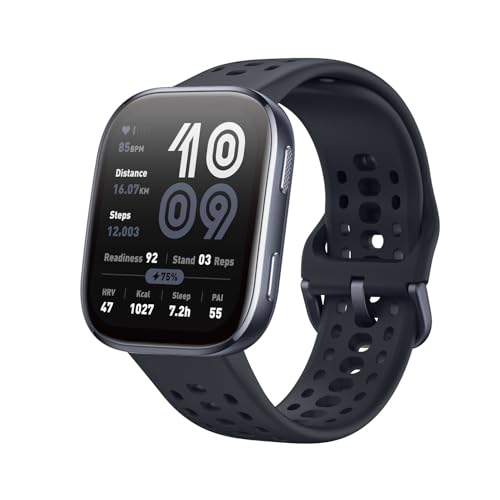
Amazfit Bip 6 Smart Watch,…
STYLISH DESIGN, VIBRANT DISPLAY: The lightweight aluminum build blends effortless style with workout durability, while the vivid 1.97″ AMOLED display keeps your data easy to read, even under bright sunlight….

Google Fitbit Air Special Edition…
Step up your game with Google Fitbit Air Special Edition Stephen Curry, blending maximum performance with legendary style;[1] with a water-resistant coating, it’s sweatproof and moisture-wicking for your toughest workouts[2,3]…

wepmous AI Smart Ring for…
【AI HEALTH INSIGHTS — SMARTER THAN BASIC TRACKING】 Go beyond ordinary smart rings. This AI-powered health ring analyzes your daily wellness patterns, including heart rate, sleep quality, HRV trends, blood…
Amazfit Bip 6 Smart Watch

The Amazfit Bip 6 is a full-featured smartwatch for shoppers who want sleep tracking without buying a separate sleep device. Its large AMOLED screen makes night reports easy to read the next morning. It also combines sleep data with steps, workouts, heart rate readings, and daily activity. That mix makes it useful for people who want one watch for both rest and movement.
In daily use, the Bip 6 has the feel of a practical fitness watch rather than a lab tool. Its built-in GPS can help active users compare exercise load with sleep quality. The watch works with iOS and Android phones, which gives it broad appeal. As with any wrist tracker, sleep stages and recovery scores should be viewed as estimates, not medical measurements.
Pros:
- Large AMOLED display makes sleep summaries easy to view
- Tracks sleep alongside activity and workouts
- Built-in GPS helps active users review training and rest together
- Works with both iOS and Android phones
- Useful all-day smartwatch design
- Provides more features than a sleep-only band
Cons:
- The larger watch case may feel bulky for small wrists
- Frequent screen use and GPS can reduce battery life
- Sleep insights may require time to become useful and personal
My Recommendation
I recommend the Amazfit Bip 6 for anyone who wants an affordable smartwatch with sleep tracking built in. It suits walkers, runners, and busy users who want sleep data next to fitness data. The bright screen helps users check trends without opening a phone. Among the Best AI Sleep Trackers, it is a strong choice for broad daily use rather than sleep alone.
This watch offers good value when you want GPS, activity tools, and sleep monitoring in one device. It is also a sensible pick for households that use different phone platforms. Before buying, check the current app features and phone compatibility. Availability and pricing can change on Amazon.
Fitbit Air Screenless Tracker

The Fitbit Air Special Edition Stephen Curry is made for people who do not want a glowing screen on their wrist. Its screenless design keeps the tracker small, quiet, and less distracting during the day. That simple approach can also feel comfortable at night, when a large smartwatch may get in the way. The Rye finish and special-edition styling give it a more personal look than a plain fitness band.
Fitbit has built a strong name around activity and sleep summaries, but the value of this product depends on the exact features included with the device and its app plan. It is best viewed as a low-distraction sensor that sends information to your phone. Users who enjoy detailed charts may like the Fitbit app experience. Users who want live stats on the wrist may find the screenless design limiting.
Pros:
- Screenless design reduces distractions at bedtime
- Light form can feel comfortable during overnight wear
- Fitbit app gives users a familiar place for health trends
- Special-edition style offers a more distinct appearance
- Useful for people who prefer phone-based reports
- Simple design may suit users who dislike full smartwatches
Cons:
- No on-device screen for instant sleep or workout checks
- Some Fitbit insights may depend on a paid membership
- Phone access is needed to review most detailed information
My Recommendation
I would choose the Fitbit Air for a person who wants quiet, simple sleep tracking. It is a good match for light sleepers, minimalists, and users who do not want notifications near the bed. The screenless body also removes the temptation to check messages late at night. In the Best AI Sleep Trackers category, this model stands out for comfort and low distraction.
Its best value comes from a person who already likes the Fitbit app or wants an easy way to view long-term trends. Read the product page carefully to confirm membership details before ordering. The tracker makes the most sense when you value simplicity more than live watch features. It is not the best fit for someone who wants a bright screen, GPS, or calls on the wrist.
wepmous AI Smart Ring
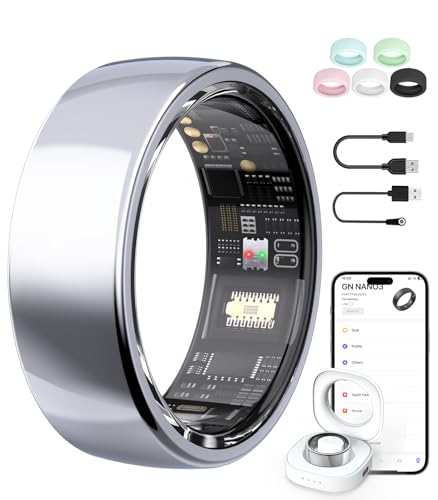
The wepmous AI Smart Ring takes a different path from a smartwatch. It places health sensors in a small ring, so there is no large face, buzzing screen, or watch band to manage. The product is designed for women and men and presents AI-based health analysis through its companion experience. For sleep, a ring can be appealing because it is light and stays on the finger while you rest.
Smart rings work best when the fit is correct. A ring that is too loose can move during sleep, while one that is too tight may become uncomfortable as fingers swell overnight. I suggest checking the size process before purchase and keeping expectations realistic. AI can help organize patterns, but it cannot replace a doctor, sleep study, or diagnosis.
Pros:
- Small ring form is less bulky than most smartwatches
- No bright watch face to disturb a dark bedroom
- AI health analysis may make data easier to understand
- Designed for both women and men
- Suitable for users who prefer discreet wearables
- Can support a simple sleep-first routine
Cons:
- Correct sizing is essential for comfort and good readings
- A ring may be easy to misplace when removed
- App quality and AI features can vary with updates
- It may offer fewer workout controls than a smartwatch
My Recommendation
The wepmous ring is best for users who dislike wrist devices but still want sleep and health trends. It may appeal to office workers, sleepers who find watches uncomfortable, and people who prefer a subtle design. The small shape makes it one of the more interesting Best AI Sleep Trackers for overnight comfort. I would place fit and app support above appearance when deciding.
This ring offers good potential value if you want discreet tracking and simple AI summaries. Check sizing instructions, supported phone systems, charging details, and any app fees before buying. It is not a replacement for clinical care. For everyday wellness trends, however, it can be a neat alternative to a traditional fitness watch.
WHOOP Peak With 12-Month Membership

The WHOOP Peak is designed for people who take recovery seriously. It focuses on continuous activity and sleep tracking, then uses coaching to help connect strain, rest, and daily readiness. The included 12-month membership is important because the WHOOP experience centers on its subscription platform. Its advertised battery life of more than 14 days can reduce the need for frequent charging.
WHOOP is especially interesting for athletes, shift workers, and users who want guidance instead of a long list of numbers. Sleep coaching can help users protect a bedtime, compare sleep need with sleep received, and notice the cost of late nights. Menstrual cycle insights may also help some users add context to changes in energy and rest. Still, the scores are personal wellness tools, not proof of a medical condition.
Pros:
- Strong focus on sleep, recovery, and daily readiness
- Personalized coaching can turn data into clear actions
- Advertised battery life of more than 14 days reduces charging stress
- 12-month membership adds access to the core platform
- Includes menstrual cycle insights for supported users
- Useful for athletes who balance training with recovery
Cons:
- Ongoing membership cost matters after the included year
- Users who want a watch screen may miss live information
- Coaching can feel excessive for casual sleep tracking
- Scores may seem complex until the user learns the system
My Recommendation
I recommend WHOOP Peak to serious athletes and people who want recovery coaching at the center of their routine. It is also useful for anyone who often pushes hard during the day and then wonders why sleep feels poor. Of the Best AI Sleep Trackers reviewed here, it offers one of the clearest recovery-focused approaches. The included year helps new users test the system before paying for another term.
WHOOP Peak provides the most value when you review trends and act on them. It may not be worth the subscription for someone who only wants bedtime and wake-time records. Check the membership terms and renewal price before checkout. If coaching, long battery life, and recovery context matter most, this is a powerful option.
uaue AI Smart Watch With ChatGPT

The uaue AI Smart Watch targets shoppers who want many features at a low entry point. It includes a 1.91-inch display, Bluetooth calling, more than 110 fitness modes, and sleep and heart-rate monitoring. Its ChatGPT feature adds an AI angle that may help with simple questions and daily tasks. The watch also lists IP68 water resistance, but users should still follow the maker’s care instructions.
This model is more of a general-purpose smartwatch than a specialist sleep device. Its value comes from combining calls, activity tracking, calories, steps, and sleep data in one wearable. A large screen can make bedtime reports easier to read, though it may also feel more noticeable during sleep. Buyers should confirm which functions work with their Android or iOS phone, since Bluetooth features can vary by platform.
Pros:
- Large 1.91-inch display supports easy viewing
- Bluetooth calling adds practical everyday use
- Offers more than 110 fitness modes
- Includes sleep, heart-rate, calorie, and step monitoring
- ChatGPT feature adds an extra smart tool
- IP68 rating offers added protection for everyday use
Cons:
- Many features may make the app feel less focused
- Sleep reports may be less detailed than recovery-first platforms
- Bluetooth calling depends on phone compatibility
- Large screens can feel less comfortable for some sleepers
My Recommendation
The uaue smartwatch is best for budget shoppers who want sleep tracking plus calls and broad fitness tools. It may suit a student, first-time smartwatch buyer, or active user who wants many functions in one device. In a Best AI Sleep Trackers comparison, it works well as a versatile entry-level pick. I would choose it for convenience, not for advanced sleep science.
Its overall value is strong when you want a watch that does more than count sleep. Confirm app permissions, phone support, water-use limits, and battery expectations before buying. The watch can help you notice routine changes, but it should not guide medical decisions. Availability and promotions may change, so check the current Amazon listing.
How AI Sleep Trackers Work
Most sleep trackers use sensors to estimate what happens after you go to bed. Common sensors include motion detection, heart-rate readings, and sometimes blood oxygen or skin temperature sensors. The device sends this information to an app, which estimates sleep time, wake periods, and sleep stages. AI may then compare those estimates with your past nights and present patterns in plain language.
The word “AI” does not mean that a tracker can see sleep directly. A wearable cannot reliably diagnose sleep apnea, insomnia, or another disorder by itself. Instead, it uses models trained to interpret signals from your body and movement. The result can be useful for personal trends, but it remains an estimate.
That difference matters when you compare the Best AI Sleep Trackers. A device may report a precise sleep score, yet the number is not automatically more accurate than a simpler report. I look for consistency, comfort, clear explanations, and useful advice. A tracker that you wear every night can be more helpful than one with advanced features that you remove after a week.
What to Look for in the Best AI Sleep Trackers
Comfort During Overnight Wear
Comfort comes first. A heavy watch, stiff band, or poorly sized ring can disturb sleep and create false gaps in your data. Look for a shape that fits your body and does not press into your skin. If you wake often, note whether the device itself may be part of the problem.
Useful Sleep Reports
A good tracker should show more than one large score. Look for bedtime, wake time, total sleep, awakenings, and a view of your pattern across several days. Some platforms also show sleep need, recovery, or a suggested bedtime. These tools help you make a small change instead of simply judging your night.
Battery Life
Battery life affects sleep data more than many buyers expect. If you must charge every day, you may remove the device at night or forget to put it back on. Longer battery life makes overnight use easier. Fast charging can also help when the battery runs low before bed.
App Quality
The app is where most AI sleep tracking happens. It should use plain words, show trends, and explain why a score changed. A crowded app can make useful data feel like a pile of homework. I prefer platforms that offer one or two clear actions, such as keeping a steady wake time or reducing late-day strain.
Phone and Platform Support
Check whether the tracker supports your phone before you buy. Some features may work only with Android or iPhone. Bluetooth calling, notifications, and health sharing can also depend on the operating system. This step takes less than a minute and can prevent a frustrating return.
Subscription Cost
A low device price may not show the full cost. Some brands place coaching, long-term reports, or advanced sleep tools behind a monthly or yearly plan. A membership can be worthwhile if you use the advice. It may not make sense if you only want basic sleep duration.
Privacy and Data Control
Sleep data is personal health information. Read the privacy policy and review app permissions before you connect a tracker. Check whether you can export, delete, or limit your data. A trusted brand should explain how it stores and uses information.
Comparing the Five Sleep Tracking Options
| Best for | Why |
|---|---|
| Best all-around watch | Amazfit Bip 6 combines sleep, GPS, workouts, and a bright AMOLED screen. |
| Best screen-free choice | Fitbit Air keeps the wrist simple and sends reports to the phone. |
| Best recovery coaching | WHOOP Peak links sleep, strain, readiness, and personalized guidance. |
How I Evaluate AI Sleep Trackers
I do not judge a sleep tracker by the number of features on its box. I ask whether the product solves a real problem at night. Can a user wear it comfortably? Does the app explain the data? Does the battery support regular use? These questions matter because a sleep tracker only helps when it collects enough nights to reveal a pattern.
I also separate wellness tracking from medical care. Reputable sleep research often uses polysomnography, which records brain activity, eye movement, breathing, and muscle activity in a clinical setting. Consumer wearables use fewer signals. They can support self-awareness, but they do not replace a qualified clinician or a sleep study.
For this guide, I considered each product’s design, sleep focus, smart features, likely comfort, phone support, battery claims, and cost structure. I also looked at how each one may fit a different type of buyer. That approach gives a fairer result than naming one device as perfect for everyone.
Tips for Getting Better Sleep Data
Wear the tracker in the same way each night. Keep the band snug but not tight, and make sure a ring fits without sliding. Start with at least one to two weeks of data before making large changes. One unusual night can come from travel, stress, illness, alcohol, or a late meal.
Keep a short sleep note beside the app. Write down your bedtime, wake time, caffeine use, exercise, and how rested you felt. Then compare your own feeling with the tracker’s report. Your personal pattern matters more than a generic score.
Do not chase a perfect number. A sleep score can move because of normal life. Use the information as a compass, not a grade. If the tracker repeatedly shows breathing problems, very poor sleep, or frequent waking—and you also feel unwell—talk with a health professional.
Are Smart Rings Better Than Smartwatches for Sleep?
Neither form is always better. A ring may feel lighter and less distracting, while a smartwatch gives you a screen, GPS, alarms, and workout controls. The best choice depends on what you can wear every night. A comfortable device with steady use often beats a more advanced device left in a drawer.
Smartwatches can also provide more context. You may compare a hard workout with your sleep report or see how late notifications affect your evening. Rings usually focus on discreet health data. Think about your full day, not just the hours in bed.
Do AI Sleep Trackers Improve Sleep?
A tracker cannot improve sleep by itself. It can help you notice habits that may affect rest, such as changing bedtimes, late exercise, or short sleep on work nights. The benefit comes from using that information to make realistic changes. AI advice works best when it stays simple and fits your life.
For example, a tracker may show that you sleep longer when you keep the same wake time. You can test that pattern for several weeks. Small steps often work better than trying to change everything at once. If sleep problems continue, seek professional advice rather than relying only on an app.
Common Mistakes to Avoid
Do not compare your sleep score with a friend’s score. Each brand uses its own methods, and each body has different needs. A lower score does not always mean that your night was harmful. Focus on changes within your own history.
Do not wear a device that causes pain, rash, numbness, or repeated waking. Clean the band or ring as directed and give your skin a break if needed. Stop using it and seek advice if you have a strong skin reaction. Comfort and safety should always come before data.
Finally, do not buy a subscription without checking its renewal terms. Write down the end date of any trial or included membership. Review the features you will lose if you cancel. This simple check helps you measure the real long-term value of the Best AI Sleep Trackers.
FAQs Of Best AI Sleep Trackers
What is the best AI sleep tracker overall?
The Amazfit Bip 6 is the best all-around option in this guide. It combines sleep tracking with GPS, activity tools, and a large screen. WHOOP Peak is a better fit for users who want recovery coaching and do not mind a membership.
Are AI sleep trackers accurate?
They can be useful for tracking personal trends, but they are not medical-grade sleep tests. Sleep stages are estimates based on signals such as movement and heart rate. Use the data as a guide, not a diagnosis.
Can a sleep tracker detect sleep apnea?
A consumer tracker may notice signs that deserve attention, but it cannot confirm sleep apnea. If you snore loudly, stop breathing during sleep, or feel very tired during the day, speak with a qualified health professional.
Should I choose a smart ring or smartwatch?
Choose a ring if you want a small, screen-free device. Choose a smartwatch if you want calls, GPS, workouts, alarms, and on-device reports. Comfort should guide the final choice.
Do the Best AI Sleep Trackers require a subscription?
Some do, while others offer basic tracking without a recurring fee. WHOOP places its main experience around membership. Always check the current product listing and app terms before purchase.
Final Verdict: Which Should You Buy?
The Amazfit Bip 6 is the best overall pick for most buyers. Choose WHOOP Peak for deep recovery coaching, Fitbit Air for screen-free comfort, wepmous for a discreet ring, or uaue for broad smartwatch features.
The Best AI Sleep Trackers can turn restless nights into useful patterns. Pick the device you will wear consistently, review its privacy and subscription terms, and use its advice as a wellness guide.