How To Calibrate A Drone Compass: Easy Step-By-Step Guide
Calibrate a drone compass by following a safe, level, open-space process before each flight.
If you fly drones often, compass calibration is one of those small steps that can save a flight from big problems. I’ve seen it prevent drift, flyaway warnings, and erratic heading behavior more times than I can count. In this guide, I’ll walk you through how to calibrate a drone compass the right way, when to do it, what can go wrong, and how to avoid the mistakes that trip up even experienced pilots.
What a drone compass does and why calibration matters
A drone compass helps the aircraft know which direction it is facing. It works with the GPS, IMU, and flight controller to keep the drone stable and oriented correctly. Without a reliable compass reading, the drone may think north is somewhere else entirely.
That is why drone compass calibration matters so much. If the compass is off, the drone can drift, yaw unexpectedly, or struggle to hold position. In real-world flying, that can mean a frustrating flight at best and a dangerous loss of control at worst.
I learned this the hard way early on. I once launched near a parked car and a steel fence, and the drone immediately showed a heading error. The lesson was simple: magnetic interference can ruin a compass reading in seconds.
When you should calibrate a drone compass
You do not need to calibrate the drone compass before every single flight, but you do need to do it at the right times. Overdoing it can be just as unhelpful as skipping it. The goal is accuracy, not habit.
Calibrate the compass when:
- You fly in a new region or far from your usual takeoff area
- The app or controller tells you there is a compass error
- You update firmware or reset the drone
- The drone has been stored or transported for a long time
- You notice drifting, unstable yaw, or strange heading behavior
- You fly near large metal objects, reinforced concrete, vehicles, or power lines
Most manufacturers, including DJI and other major drone brands, recommend calibration only when needed. That advice matters because a bad calibration in a noisy magnetic environment can be worse than no calibration at all.

How to calibrate a drone compass step by step
The exact process can vary by model, but the core steps are usually the same. If you learn the pattern once, you can handle most consumer drones with confidence. Always check your model’s app or manual first, since the on-screen prompts may differ.
1. Find a safe open area
Choose a place away from magnetic interference. A field, open dirt lot, or empty park area is usually better than a driveway or garage. Keep away from cars, speakers, rebar, cell towers, manhole covers, and electrical boxes.
2. Power on the drone and controller
Turn on the remote controller, then the drone. Open the flight app and wait for the system to connect fully. Many apps will show a compass status warning if calibration is needed.
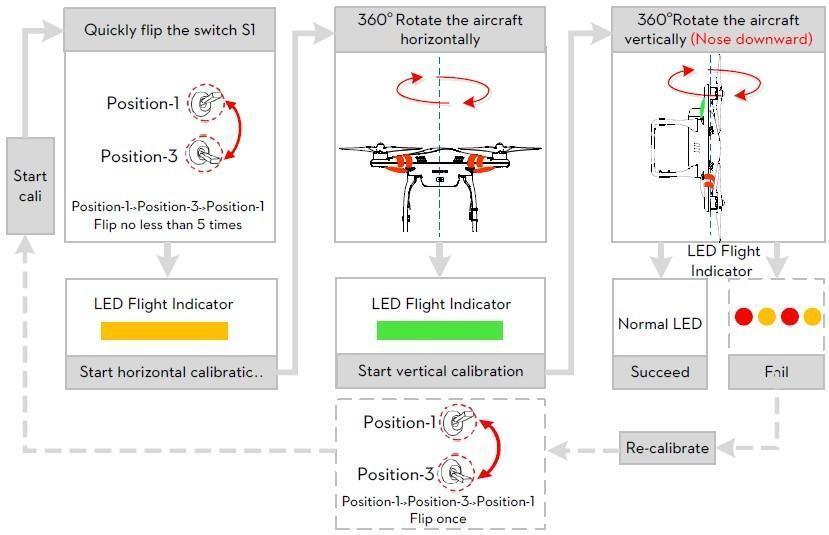
3. Start the compass calibration in the app
Look in the app’s safety or sensor settings for the calibration option. The app will usually guide you with clear animations. Follow each prompt slowly and steadily.
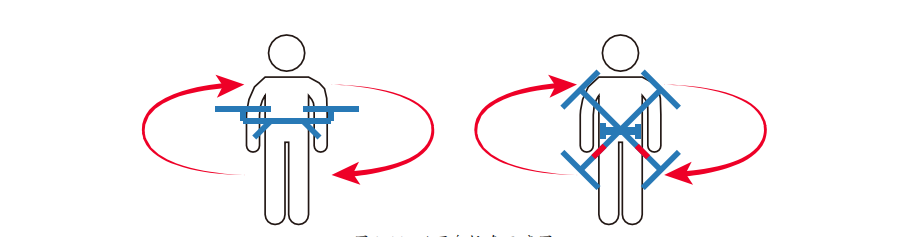
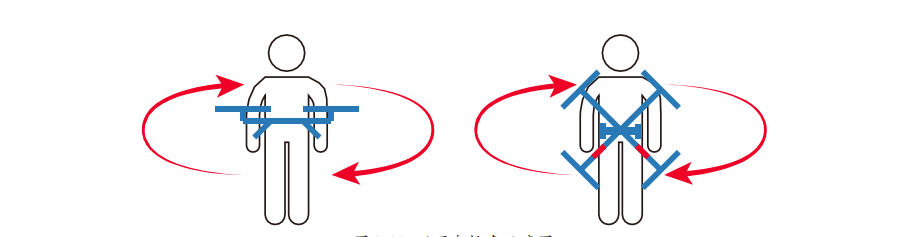
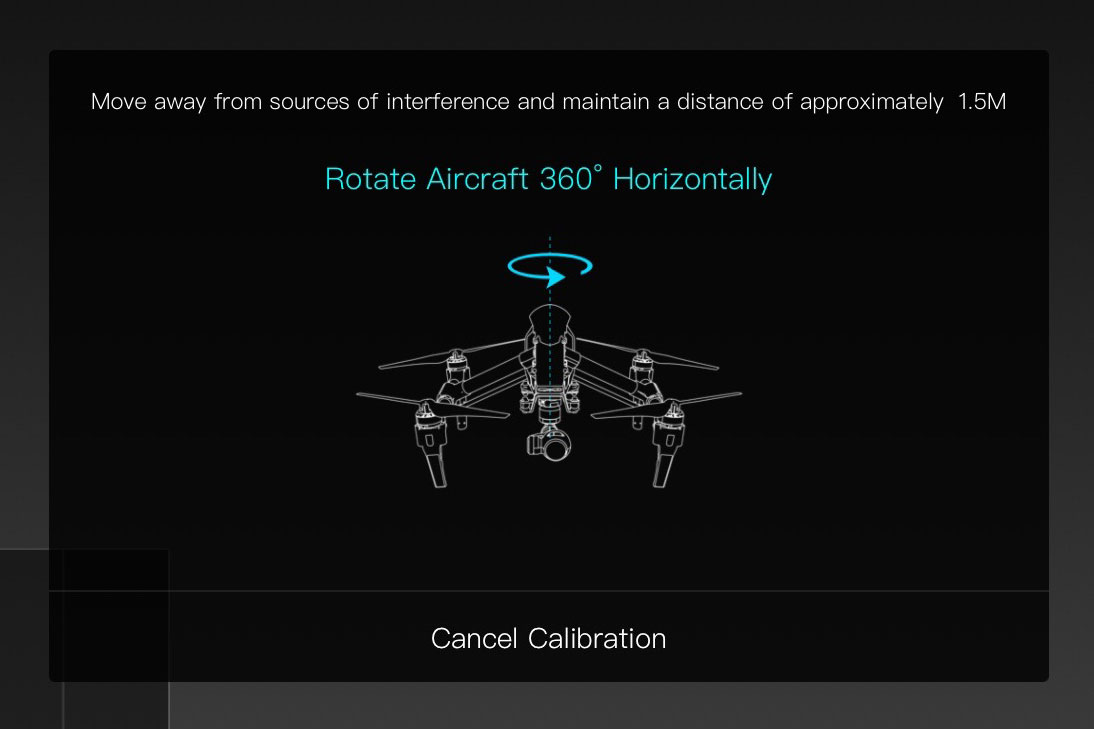
4. Rotate the drone horizontally
Hold the drone level and rotate it in a full circle, usually 360 degrees. Keep the motion smooth. Do not rush, because the compass needs clean data from each direction.
5. Rotate the drone vertically
Next, point the drone nose downward or sideways, depending on the app’s instruction, and rotate it again. This helps the system read the magnetic field from another angle. Some drones use two-step calibration, while others may only request one orientation.
6. Wait for confirmation
The app should confirm that calibration was successful. If it fails, move to a different location and try again. Repeated failures usually point to interference, not a broken compass.
7. Recheck the drone status before takeoff
After calibration, look for green or normal sensor indicators. Then do a short hover test a few feet off the ground. A stable hover is one of the best signs that the drone compass is reading correctly.
Common mistakes that ruin compass calibration
A lot of calibration problems are not caused by the drone itself. They come from the environment, the pilot, or both. The good news is that most of these mistakes are easy to fix once you know what to look for.
Avoid these common errors:
- Calibrating next to cars, concrete with rebar, or metal benches
- Wearing large metal accessories or holding a phone too close to the drone
- Calibrating on a truck bed, balcony railing, or rooftop with hidden metal
- Moving the drone too fast during the rotation
- Calibrating repeatedly when the app does not ask for it
- Ignoring warnings about magnetic interference
- Calibrating indoors near speakers, appliances, or wiring
One mistake I still see often is pilots trying to “force” a calibration to fix another issue. That usually wastes time. If the drone keeps failing calibration, the real problem may be interference, not the compass itself.

Signs your drone compass is not working right
A bad compass usually gives you clues before a flight becomes unsafe. The signs can be subtle at first, but they are worth learning. Catching them early can protect your drone and your footage.
Watch for these symptoms:
- The drone drifts even in light wind
- The map heading does not match the drone’s nose direction
- The drone yaws or spins unexpectedly
- The app shows compass error messages
- Return-to-home behaves strangely
- The drone takes off but pulls in one direction
- GPS lock seems normal, but the aircraft still feels unstable
These symptoms do not always mean the compass is the only issue. GPS, IMU, propeller damage, and environmental interference can also cause similar behavior. Still, compass calibration is one of the first things to check.
Best practices for accurate drone compass calibration
Good calibration is really about good habits. The more consistent your setup, the fewer problems you will face in the air. Think of it like tuning a musical instrument before a performance.
Use these best practices:
- Calibrate outdoors in a clean, open area
- Remove watches, rings, and magnetic accessories if possible
- Keep phones, radios, and metal objects away from the drone
- Calibrate only when needed or when prompted
- Follow the drone app’s motion guide exactly
- Test hover after calibration before flying far
- Check for local magnetic interference if problems repeat
From my own experience, the simplest routine works best. I set the drone down, walk a few steps away from my vehicle, and make sure the spot feels “quiet” before I even open the calibration menu. That small pause saves a lot of frustration.
Compass calibration vs IMU calibration
People often mix up compass calibration and IMU calibration, but they are not the same. The compass tells the drone where it is pointing relative to Earth’s magnetic field. The IMU measures motion, tilt, and acceleration.
Compass calibration is about direction. IMU calibration is about balance and movement. If the drone feels tilted, shaky, or has trouble hovering evenly, an IMU calibration may help more than a compass calibration.
Here is a simple way to remember it:
- Compass calibration fixes heading
- IMU calibration fixes attitude and stability
- GPS helps with location
- Flight controller combines all of them to keep the drone flying smoothly
If both systems are off, the drone may act confused even if each sensor is only slightly wrong. That is why proper maintenance matters.
What to do if calibration keeps failing
If your drone compass calibration fails more than once, do not keep forcing it over and over in the same place. That usually makes the situation worse. Step back and troubleshoot the environment first.
Try this:
- Move to a different open area
- Shut off nearby electronics and vehicles
- Restart the drone and controller
- Inspect the drone body for damage
- Check for firmware updates
- Remove any magnetic phone mounts or accessories nearby
- Reset and recalibrate only if the manual recommends it
If the failure continues after moving locations, the compass sensor may need service. At that point, contacting the manufacturer or an authorized repair center is the safest move. I have seen pilots waste an entire afternoon fighting a bad location when a simple move across the parking lot would have solved it.

Safety tips before you take off
A calibrated compass is important, but it is only one part of safe drone operation. A clean sensor setup, good weather, and careful preflight checks all matter. Think of calibration as the foundation, not the whole house.
Before takeoff, check:
- Battery level on the drone and controller
- Propellers for cracks or loose fit
- GPS signal strength
- Compass and IMU status in the app
- Wind conditions
- Nearby obstacles and people
- Home point confirmation for return-to-home
A short hover test is also smart. Let the drone sit a few feet above the ground for a moment and watch how it behaves. If it holds position well and responds normally, you are off to a much better start.
Frequently Asked Questions of How to Calibrate a Drone Compass
How often should I calibrate a drone compass?
You should calibrate it only when needed, not before every flight. Most drones do fine with occasional calibration, especially after travel, firmware updates, or compass warnings.
Can I calibrate my drone compass indoors?
It is not recommended because indoor spaces often contain magnetic interference from wiring, appliances, speakers, and metal framing. An open outdoor area is the safest choice for a reliable calibration.
What happens if I fly without calibrating a bad compass?
The drone may drift, yaw unpredictably, or misread its heading. In some cases, return-to-home can also behave incorrectly, which increases the risk of losing the aircraft.
Why does my drone keep asking for compass calibration?
That usually means the drone is detecting magnetic interference or sensor inconsistency. Try moving to a cleaner area, checking for metal nearby, and restarting the drone before calibrating again.
Is compass calibration the same for all drone brands?
The basic idea is the same, but the exact steps can vary by brand and model. Always follow the instructions in your drone app or user manual for the best results.
Conclusion
Calibrating a drone compass is not complicated, but it does require patience, the right location, and a careful approach. When you calibrate a drone compass in a clean open area and follow the prompts exactly, you give your aircraft the best chance to fly smoothly and safely. That small bit of prep can prevent a lot of stress later.
If you fly often, make compass checks part of your normal preflight routine, but only calibrate when the drone actually needs it. Keep learning your drone’s behavior, trust the warnings it gives you, and practice in safe conditions. If this guide helped, keep exploring more drone safety tips and share your own calibration experience in the comments.