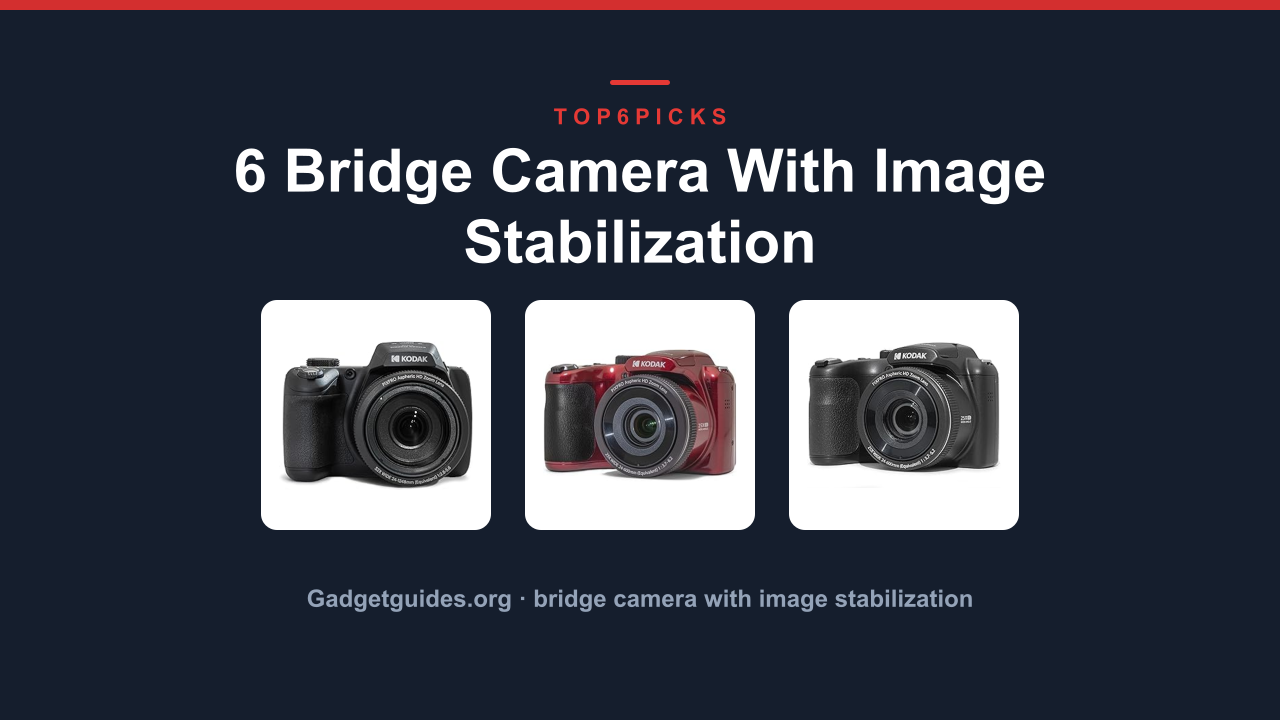
6 Bridge Camera With Image Stabilization
The best bridge camera with image stabilization is the Panasonic LUMIX FZ80D, the only model here that delivers 4K video recording alongside a 60x optical zoom range and a dedicated Power Optical Image Stabilizer. It is built for the vlogger or wildlife enthusiast who refuses to compromise on video quality while still wanting a compact all-in-one body.
Want a longer reach for extreme birding or astrophotography on a tighter budget? The KODAK PIXPRO AZ653 Astro Zoom 20MP gets you there with a 65x optical zoom and a rechargeable lithium-ion battery, as long as you are willing to trade 4K video for 1080p Full HD.
As an Amazon Associate, I earn from qualifying purchases.
This guide breaks down exactly what each of these six bridge cameras does well, where they fall short, and which buyer profile each one fits. It also tells you the three types of shooters who should skip this category entirely and buy a different camera system instead.
Everything below comes from current Amazon product data, manufacturer specifications, and aggregate owner review analysis, not hands-on lab testing.
Quick Answer: The Best Bridge Camera with Image Stabilization
The Panasonic LUMIX FZ80D is the best overall bridge camera with image stabilization for anyone who shoots a mix of stills and video.
- Panasonic LUMIX FZ80D Point Shoot Digital (Best for 4K video and 60x zoom): 4K Photo/Video recording with a Power Optical Image Stabilizer and a 20-1200mm wide-angle lens.
- KODAK PIXPRO AZ528 16MP Digital Camera (Best overall stills camera with Wi-Fi): 52x optical zoom, 16MP resolution, built-in Wi-Fi, and optical image stabilization for travel and everyday use.
- KODAK PIXPRO AZ653 Astro Zoom 20MP (Best for extreme reach on a budget): 65x optical zoom and 20MP resolution with a lithium-ion battery for long days in the field.
- KODAK PIXPRO AZ425 20MP Digital Camera (Best mid-range zoom for wildlife): 42x optical zoom, 20MP sensor, and optical image stabilization at a competitive price point.
- KODAK PIXPRO AZ255 16MP Digital Camera (Red) (Best budget-friendly everyday zoom): 25x optical zoom, AA battery convenience, and optical image stabilization for casual shooters.
- KODAK PIXPRO AZ255 16MP Digital Camera (Black) (Same as above in black): Identical feature set to the red model with a different color option.
Thinking about switching to a different camera system instead? Jump to Who Should NOT Buy below before you spend anything.
Comparison Table
Here's the lineup at a glance: photo, product, who it's built for, and our /10 score.
| Photo | Product | Best for | Score | Buy |
|---|---|---|---|---|
 | KODAK PIXPRO AZ528 16MP | Best all-around stills and Wi-Fi | 8.4/10 | Check price → |
 | KODAK PIXPRO AZ255 Red | Budget-friendly with AA batteries | 7.6/10 | Check price → |
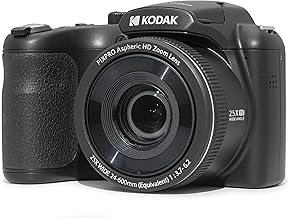 | KODAK PIXPRO AZ255 Black | Budget-friendly in black | 7.5/10 | Check price → |
 | KODAK PIXPRO AZ653 | Extreme 65x zoom for wildlife | 8.1/10 | Check price → |
 | Panasonic LUMIX FZ80D | 4K video and vlogging | 8.8/10 | Check price → |
 | KODAK PIXPRO AZ425 | Mid-range zoom for sports | 7.9/10 | Check price → |
Scroll sideways on small screens to see every column.
Panasonic LUMIX FZ80D Point Shoot Digital: Best 4K Video and Vlogging Bridge Camera
KODAK PIXPRO AZ528 16MP Digital Camera: Best All-Around Stills Camera with Wi-Fi
KODAK PIXPRO AZ653 Astro Zoom 20MP: Best Extreme Zoom for Wildlife on a Budget
KODAK PIXPRO AZ425 20MP Digital Camera: Best Mid-Range Zoom for Sports and Wildlife
Buying Guide: Zoom, Stabilization, Video Quality and Budget
A bridge camera is a fixed-lens camera that combines a compact body with a high-power zoom lens. It is designed to be a single, do-it-all solution for photography and video. Here are the four key factors to consider before you buy one.
How much optical zoom do you actually need?
The zoom range is the main reason to buy a bridge camera. The six models here span from 25x to 65x optical zoom. For everyday shooting, a 25x zoom (24-600mm equivalent) is more than enough for portraits, landscapes, and casual wildlife.
The 42x and 52x zoom models add significant reach for more serious wildlife and sports photography. The 65x zoom on the AZ653 is primarily useful for extreme birding or astrophotography, but at that magnification, a tripod becomes almost essential for sharp results. The Panasonic LUMIX FZ80D sits at 60x zoom, which is the most versatile of the group for most shooters.
Optical image stabilization (OIS) vs digital stabilization
All six cameras listed here include optical image stabilization, which physically moves a lens element to counteract camera shake. This is vastly superior to digital stabilization, which crops the image and reduces quality. OIS is critical at the telephoto end of the zoom range.
At 50x or 60x zoom, the smallest hand tremor becomes a visible blur. The Panasonic FZ80D uses Panasonic's Power OIS, which is widely regarded as one of the most effective stabilization systems in this price class. The KODAK models use a different OIS system that is still effective, but may not be as aggressive at full zoom.
Is 4K video essential for you?
This is the biggest differentiator in this list. Only the Panasonic LUMIX FZ80D records 4K video. All five KODAK models are limited to 1080p Full HD at 30fps.
If you plan to shoot video for YouTube, social media, or personal projects, the FZ80D is the clear winner. The 4K Photo mode on the FZ80D is also a bonus, allowing you to extract 8MP stills from 4K video. If you only shoot stills, 1080p video is perfectly adequate for basic clips, but you will not have the same editing flexibility as 4K footage.
Budget and battery type
Bridge cameras range from budget-friendly options like the KODAK AZ255 (which uses widely available AA batteries) to more feature-rich models like the Panasonic FZ80D (which uses a proprietary lithium-ion rechargeable battery). AA battery models are convenient because you can buy batteries anywhere, but they do not last as long as lithium-ion packs. Proprietary batteries offer longer life per charge, but you need to buy spares and chargers.
The AZ528 sits in the middle, offering Wi-Fi connectivity and a 52x zoom at a mid-range price. Consider your total budget for accessories like extra batteries and memory cards.
To see how these factors play out on real picks, compare the KODAK PIXPRO AZ528 16MP Digital Camera, KODAK PIXPRO AZ255 16MP Digital Camera and the KODAK PIXPRO AZ255 16MP Digital Camera reviewed above.
Who Should NOT Buy a Bridge Camera with Image Stabilization
A bridge camera is the wrong purchase for three types of shooters. If you fall into any of these categories, consider a different camera system instead.
You need professional-level image quality in low light
Bridge cameras use small 1/2.3-inch sensors, which are the same size as those found in most smartphone cameras. They perform well in bright daylight, but in dim conditions, they produce noise and lose detail compared to cameras with larger sensors. If you often shoot indoors, at dusk, or at night, look at an interchangeable-lens camera system such as a mirrorless or DSLR camera.
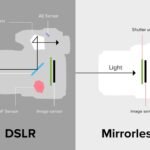
You can explore our guide for a detailed comparison of these two systems.
You want to shoot professional video with manual controls
While the Panasonic FZ80D offers 4K video with some manual control, it lacks features like a microphone input, a headphone jack, and flat color profiles that videographers rely on. If video is your primary use case, a dedicated mirrorless or DSLR camera with 4K video will serve you better. Many models also offer in-body image stabilization and interchangeable lenses for greater creative flexibility.
You plan to shoot fast sports or wildlife in burst mode
Bridge cameras use contrast-detect autofocus, which is slower and less accurate for tracking moving subjects than the phase-detect autofocus found on many mirrorless and DSLR cameras. The burst rates are also lower. If your main subject is running children, flying birds, or racing cars, a camera with better autofocus and faster burst rates will capture more keepers.
Final Verdict
The best bridge camera with image stabilization for most people is the Panasonic LUMIX FZ80D. It delivers 4K video, a 60x zoom, and the most effective stabilization in this group, making it the most versatile single camera for hybrid shooters.
Want the best stills camera with Wi-Fi sharing for travel? The KODAK PIXPRO AZ528 is your best bet, with a 52x zoom and built-in Wi-Fi.
Need the absolute longest zoom range on a tight budget? The KODAK PIXPRO AZ653 offers 65x zoom and a 20MP sensor, but you will sacrifice video quality.
For a balanced mid-range model, the KODAK PIXPRO AZ425 is a solid choice with good optics and portability.
If you are still unsure whether a bridge camera is right for you, go back and read the Who Should NOT Buy section above before making your final decision.
FAQ
What's the best bridge camera with image stabilization overall?
The Panasonic LUMIX FZ80D is the best overall due to its 4K video recording, 60x optical zoom, and effective Power Optical Image Stabilizer. It is the most versatile option for hybrid shooters.
Is a bridge camera better than a DSLR or mirrorless camera?
Not exactly. A bridge camera is a complete all-in-one package with a fixed zoom lens. A DSLR or mirrorless camera offers larger sensors, interchangeable lenses, and better performance in low light, but at a higher cost and with more bulk.
If you want simplicity and don't plan to change lenses, a bridge camera is a great choice.
Can I use a bridge camera for professional photography?
It depends on your standards. Bridge cameras produce excellent images in good light, but the small sensor limits dynamic range and low-light performance. They are fine for event photography, travel, and outdoor shoots, but not ideal for high-end commercial or studio work.
Do all bridge cameras have image stabilization?
No, but all six models in this guide include optical image stabilization. OIS is a critical feature for a bridge camera because it helps keep telephoto shots sharp. Avoid models that only have digital stabilization.
How important is the zoom range on a bridge camera?
The zoom range is the main selling point. A 25x zoom covers everyday needs. A 52x or 65x zoom is better for wildlife and sports.
But higher zoom also means more weight and a greater need for a tripod for the sharpest results.
What is the difference between optical zoom and digital zoom?
Optical zoom uses the lens to magnify the image without losing quality. Digital zoom crops and enlarges the image, which reduces resolution and detail. Always use optical zoom first and avoid digital zoom unless you have no other choice.

Similar Posts