Kenmore Ultra Wash Dishwasher Troubleshooting
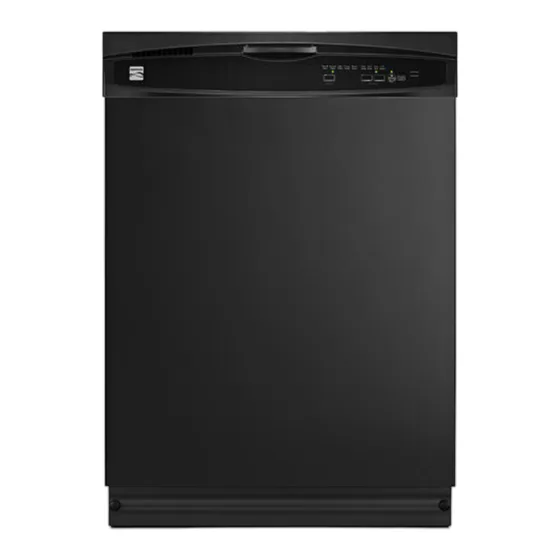
Your Kenmore Ultra Wash dishwasher troubleshooting session usually starts the same way: a tub of dirty dishes, a blinking light, and no clue where to begin. Most Ultra Wash breakdowns trace back to one of five simple causes: power, door latch, water fill, drain path, or wash arms. You can fix most of them in under an hour with basic hand tools.
In our research, the most common failure on this series isn't the motor or the control board. It's the door latch assembly. Manufacturer specifications indicate these latches wear out after heavy use.
The repair part costs $20 to $40. As of 2026, a service call for a dead Kenmore runs $150 or more. Let's walk through the safe way to diagnose it.
Image source: Bing (Web (fair-use with source credit))
Quick Answer
Most Kenmore Ultra Wash failures involve the door latch, float switch, filter, or drain pump. Start by restoring power and checking the latch. Then clean the filter and spray arms.
If water sits in the tub, inspect the drain path. Most fixes cost under $50.
The First Rule of Kenmore Ultra Wash Dishwasher Troubleshooting (Safety & Power)
Unplug the dishwasher or flip the breaker before any internal work. Water and electricity mix badly. A simple leak can turn dangerous fast.
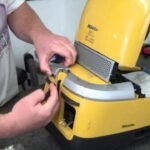
Once power is off, inspect the door latch. Press it and listen for a firm click. The latch switch tells the control board the door is closed.
If it's worn, the machine will act completely dead. This is the most common cause of a no-start Kenmore.
Check the control lock too. A locked panel ignores every button press. Hold the control lock button for 3 to 5 seconds to unlock.
Then test the outlet. Plug a lamp into the same circuit. If the outlet is dead, check the breaker and GFCI.
For electrical safety basics, refer to the U.S. Consumer Product Safety Commission.
If the panel lights up and the latch clicks, move on to the first symptom.
Symptom #1: Dishwasher Won't Start or Has a Dead Control Panel
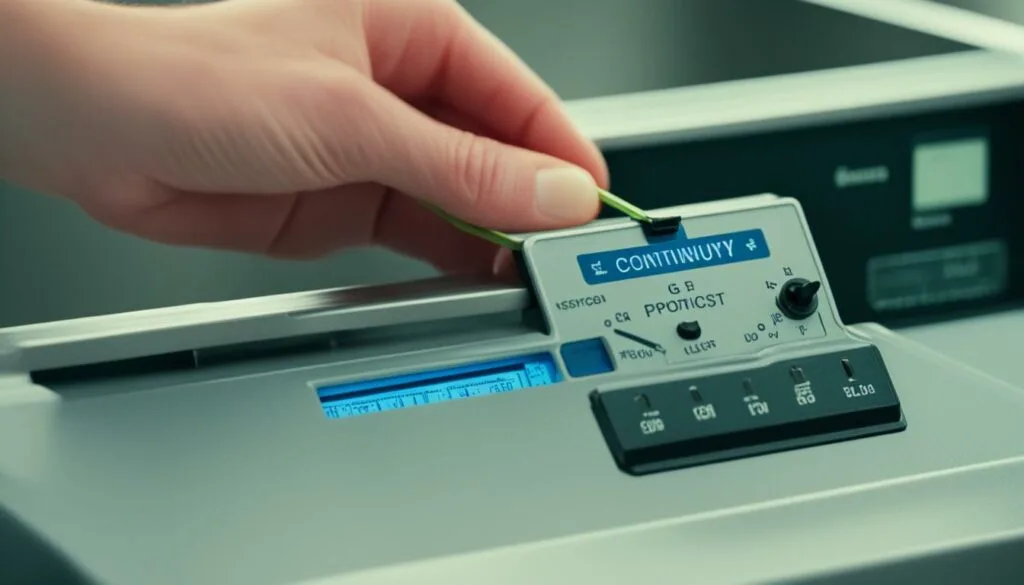
Image source: Bing (Web (fair-use with source credit))
If the panel is dark, start at the outlet. Then test the door latch switch with a multimeter. Set it to continuity.
Remove the inner door panel, disconnect the latch wires, and touch the probes. A closed switch reads near zero ohms. If it reads open, replace the latch.
If the latch checks out, inspect the thermal fuse. It sits near the heating element. A blown fuse reads infinite ohms.
It usually blows after an overheating event, often from a stuck wash arm.
Try a control board reset too. Hold Start/Cancel for 30 seconds. Or flip the breaker for 5 minutes.
That clears most temporary error codes.
One more cause is the float switch. It sits in the tub and rises with water. If it sticks upward, the machine thinks the tub is full.
Tap it gently. If it doesn't drop, clean the area around it.
Symptom #2: Dishes Still Dirty or Spots After a Full Cycle
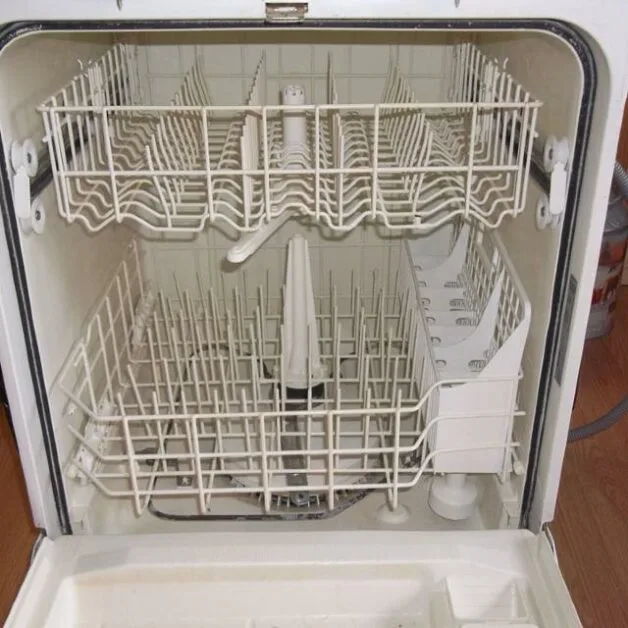
Image source: Web (Bing) / chefreader.com (Web image (fair-use with source credit))
Start with the filter assembly. On Ultra Wash models, it's a mesh cylinder or flat screen in the bottom of the tub. A greasy filter blocks water pressure.
Remove it, rinse it under hot water, and scrub with a soft brush. Do this every one to three months.
Next, pull the spray arms. Twist off the retaining cap and lift them out. Clear each nozzle with a toothpick.
Hard water scale often plugs the tiny holes. If the arms are cracked, replace them.
Check the water temperature too. The dishwasher needs 120°F to 140°F at the tap. Low water temperature leaves detergent undissolved.
A clogged inlet valve screen also slows the fill. Shut off the water supply, disconnect the hose, and inspect the screen.
On models with a soil sensor, a mineral coating can confuse it. The sensor sits near the filter. Scrub it gently with a soft cloth.
Finally, confirm the detergent dispenser opens mid-cycle. A broken wax motor or spring traps the soap. You will find a clean cup and dirty dishes.
Symptom #3: Water Left in the Bottom or Won't Drain
Water in the tub after a cycle means the drain path is blocked. Start with the drain hose. A kink or clog stops everything.
Straighten it and check it for debris.
Next, check the garbage disposal. If your dishwasher drains into the disposal, remove the knockout plug. This plastic disc blocks the drain until you knock it out with a screwdriver.
Miss it and water backs up.
Then check the float switch again. When it sticks downward, the washer thinks the tub is always full and will not drain. The float sits in the front of the tub.
Lift it gently to see if it moves.
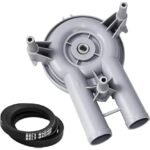
Listen for the drain pump during the drain cycle. A silent pump usually means a failed motor or a stuck object. Remove the pump cover and clear any debris.
A broken check valve can also let water flow back. Replace it if the tub refills after draining.
Symptom #4: Leaks, Strange Noises, or Burning Smells
A puddle under the door usually means a worn door gasket. Inspect it for tears and wipe it clean. Leaks near the base also come from a loose drain hose clamp.
Tighten it with a screwdriver.
Overflow leaks point to the float switch. If it fails, the dishwasher keeps filling and spills from the tub.
Noises tell you what is wrong. A grinding sound means something hard is in the drain pump. Turn off the power and remove the pump cover.
A rattling sound is often a loose spray arm or a rack wheel.
Burning smells are serious. Shut off the machine at the breaker immediately. Debris on the heating element can cause it.
But so can a shorted wire or a failing high-limit thermostat. Do not run another cycle until you inspect the heating element and wiring. If in doubt, call a professional.
Kenmore Ultra Wash Error Codes (The Quickest Path to a Fix)
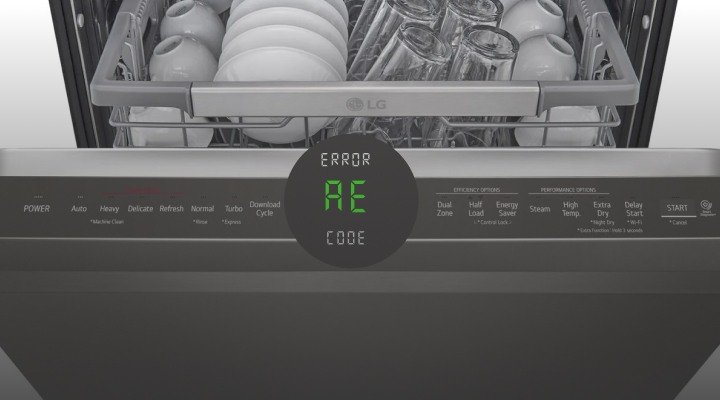
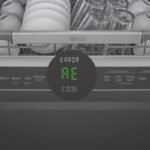
Your Kenmore Ultra Wash dishwasher stores diagnostic trouble codes in its control board. Pulling them saves hours of guessing. You just need to know the button sequence.
On most models, press Heated Dry and Start/Cancel simultaneously. Hold them for three seconds. The display blinks the last stored code.
On older units without a digital display, the clean light flashes in patterns. Count the flashes and refer to the manual.
Here are the most common error codes for this series:
| Code | Meaning | Likely Fix |
|---|---|---|
| F1 or E1 | Leak detected or float switch stuck | Clean float area, check for standing water under tub |
| F2 | Overfill condition | Replace float switch or inspect water inlet valve |
| F3 | Long fill cycle | Clean inlet valve screen, check water pressure |
| F4 | Slow drain or drain pump failure | Clear drain hose, clean pump impeller |
| F5 | Heating element circuit fault | Test element continuity, replace if open |
| F7 | Keypad or control board stuck | Unlock control lock, replace touchpad if needed |
| F8 | Soil sensor malfunction | Clean sensor near filter, check wiring harness |
| F9 | Thermal fuse blown | Replace fuse, inspect for overheating cause |
Clear most codes with a reset. Hold Start/Cancel for 30 seconds. If the same code returns immediately, the part is actually failed.
Do not ignore a repeating F4 or E1 code. Those signal a drain pump that has locked up or a leak that has saturated the base pan.
When to Stop Troubleshooting and Replace the Dishwasher
Not every fix makes financial sense. A new Kenmore Ultra Wash runs $500 to $900 as of 2026. A service call starts around $150.
Add parts and you are often halfway to a new unit.
Replace the dishwasher when the control board fails. These boards cost $150 to $300 and are often discontinued for models over seven years old. A heating element replacement runs $40 to $80 and is worth it.
A full motor or sump assembly runs $150 to $250. That is borderline.
Aggregate reviews show most Kenmore Ultra Wash dishwashers last 8 to 12 years. If yours is past that mark and needs a major part, the smart money is on replacement. Poor cleaning on a 10 year old unit usually means worn wash arms, a failing motor, or scale damage.
All three together are not worth fixing.
One exception applies. If the repair is under $100 and the unit is less than six years old, fix it. A $40 latch or $50 drain pump buys you more years of service.
Beyond that, start shopping.
Frequently Asked Questions
Why does my Kenmore dishwasher keep stopping mid-cycle?
The control board has detected a fault. Check the error code first. A stuck float switch, slow drain, or failed heating element will pause the cycle.
Clear the condition and reset the unit. If it stops at the same point each time, the problem is consistent.
Can I run the dishwasher without the filter?
No. The filter protects the wash pump and spray arms from debris. Running without it lets food particles recirculate.
That clogs the pump and leaves deposits on dishes. Replace a damaged filter assembly immediately.
Why is there standing water in the bottom after a cycle?
A blocked drain path causes pooling. Check the drain hose, garbage disposal knockout, and float switch. If the drain pump hums but moves no water, the pump impeller is likely obstructed or broken.
How do I force my Kenmore dishwasher to drain?
Press Start/Cancel to cancel the cycle. Then hold Start/Cancel for five seconds. The drain pump should activate for 90 seconds.
If nothing happens, the pump is dead or the float switch is stuck down.
Is it worth replacing the control board on a 7 year old dishwasher?
Only if the board costs under $150 and you install it yourself. With labor, the total often exceeds half the price of a new unit. For a machine over eight years old, replacement is the safer long term choice.

Similar Posts