Bath And Body Works Wallflowers Not Smelling
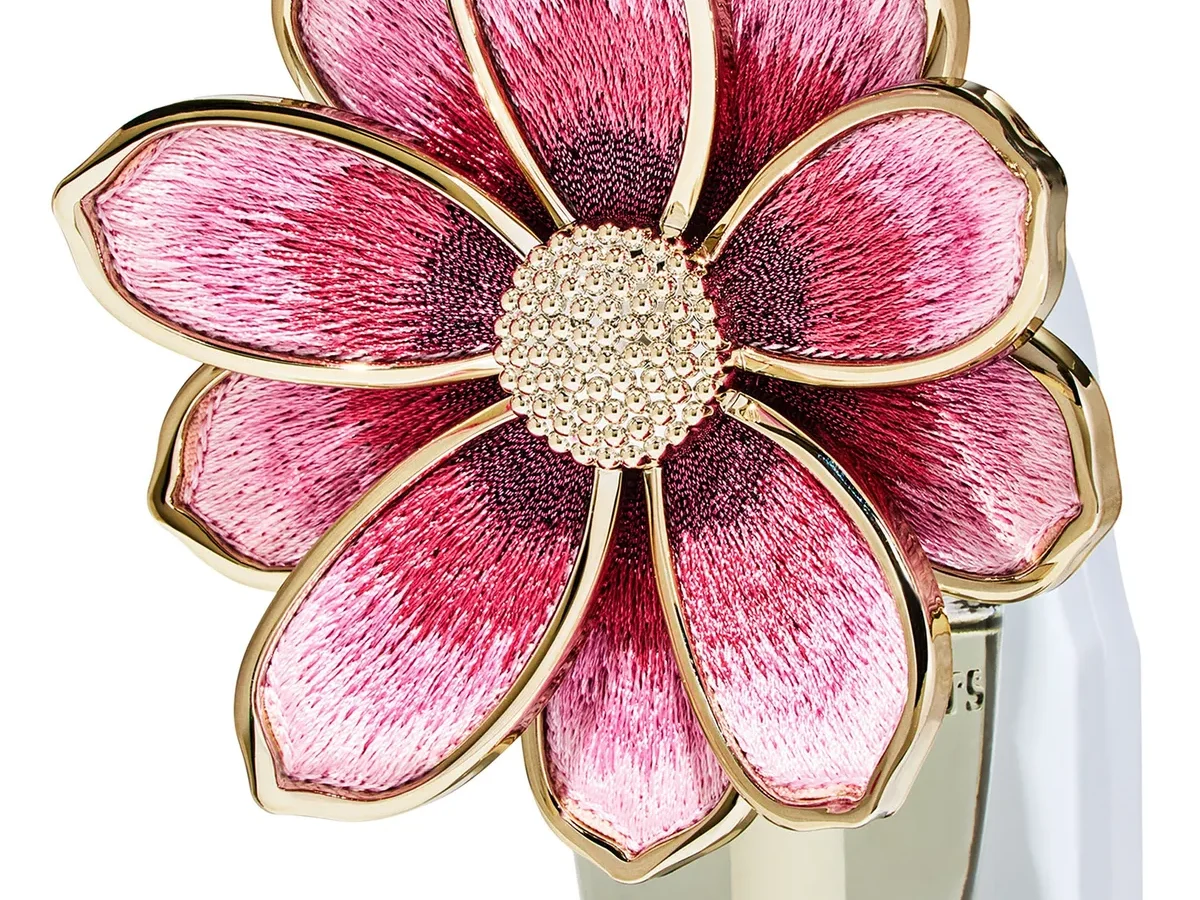
Your Wallflower used to fill the room, and now you’re standing right next to it wondering if it even has a refill in it. You’re not imagining things. “Bath And Body Works Wallflowers Not Smelling” is one of the most common complaints about these plug-in diffusers. It usually points to one of four problems: a failing plug, a bad refill, poor placement, or your nose getting used to the scent.
Manufacturer specifications indicate each refill should last 4 to 6 weeks on the medium setting and cover roughly 200 to 250 square feet. When the scent disappears before that window, something physical is often the cause. Let’s walk through the diagnostic flow so you can identify what’s wrong and fix it without wasting money on the wrong part.
Bath & Body Works official product guidance confirms these basics.
Image source: Bing (Web (fair-use with source credit))
Quick Answer
Run the swap test first. Screw a fresh refill into a different plug in a different outlet. Still faint?
Replace the refill and check the wick. Strong now? The old plug’s heating element likely failed.
Leave the room for 10 minutes. Placement matters too. Move it away from furniture and vents.
Before You Toss It: Why Your Wallflowers Suddenly Stopped Smelling
Here’s the overlooked fact: the Wallflower plug itself has a lifespan. Aggregate reviews and verified buyer feedback suggest the heating element starts losing performance around 12 months of regular use. You can’t see it.
It still feels warm to the touch. But the ceramic core inside slowly degrades, and one day it just doesn’t vaporize oil properly anymore.
The four possible reasons your scent vanished:
- Plug failure. The heating element isn’t getting hot enough to release the fragrance.
- Refill failure. The wick is charred, clogged, or bent, so the oil never reaches the heat.
- Placement failure. The plug sits in a dead zone, like behind furniture or near a return vent.
- Olfactory fatigue. The product works fine, but your brain stopped noticing the smell.
Each one has a different fix. The good news is you can isolate the real problem in under five minutes with no tools.
How a Wallflower Actually Works: Heat, Wick, and Oil
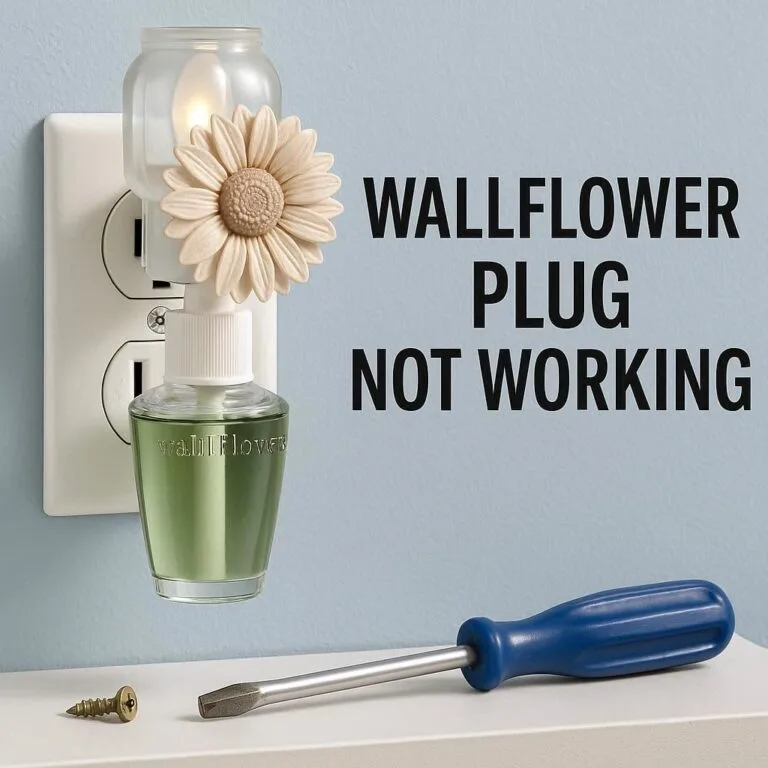
Image source: Bing (Web (fair-use with source credit))
Understanding the mechanism makes diagnosis faster. The Wallflower system has three parts that must work together.
The plug contains a ceramic heating element. When plugged in, it warms to roughly 130°F and cycles on and off to maintain temperature. The heat rises into the neck of the refill.
The refill bulb holds about 0.9 fluid ounces of synthetic fragrance oil. A nylon braided wick runs from the bottom of the bulb up through the neck. The bottom sits in the oil.
The top sits right where the heat hits it.
- Capillary action pulls the oil up the wick.
- The heated ceramic element warms the top of the wick.
- The heat turns the liquid into a fine vapor.
- That vapor drifts into the room.
If the plug doesn’t get hot enough, the oil never vaporizes. If the wick burns or clogs, the oil never reaches the heat. If the oil thickens with age, it can’t travel.
User reports suggest the wick fails most often. After weeks of constant heat, the nylon braid can char and harden. That’s why a bulb that looks full can produce almost no scent at all.
The Swap Test: Find Out Whether the Plug or the Refill Is the Problem
Image source: Bing (Web (fair-use with source credit))
This test takes three minutes and pinpoints the broken component. You need a refill you know works, ideally fresh from a new package, and a second outlet you don’t normally use.
Step 1: Check the wick visually. Unscrew the refill. Look at the exposed wick at the top of the glass neck. If it’s brown, black, crusty, or burned, replace the refill.
That’s the entire problem.
Step 2: Test the refill in a different plug. If the wick looks fine but the scent is weak, screw that refill into a plug you know is working. Still no smell after 30 minutes? The refill is bad.
Toss it.
Step 3: Test the original plug. If the refill works fine in the other plug, your original plug has degraded heating. Replace it, especially if it’s over a year old.
Step 4: Test a different outlet. If a fresh refill still smells weak, move the entire unit to another wall outlet, preferably in another room. Some outlets deliver inconsistent voltage or have loose connections. A new outlet can fix the scent instantly.
Step 5: The “is it me” check. If everything passes but you still can’t smell it, leave the room for 10 to 15 minutes. Go get water or check the mail. Then come back.
If the scent hits you on re-entry, you had olfactory fatigue. The system was working. Your brain just filtered it out.
Room Size, Drafts, and Nose Blindness: When Nothing Is Actually Broken
Sometimes all the hardware works and the problem is the environment. This category frustrates people most because there’s nothing to replace. But understanding these variables saves you from buying refills that vanish into your living room.
Room size is the biggest hidden factor. A single Wallflower covers about 200 to 250 square feet. That’s roughly a 15 by 15 foot room. If you place one in a 500 square foot open floor plan, the vapor spreads thin before it reaches your nose.
One unit probably won’t cut it.
HVAC and drafts steal the scent. Forced air heating and cooling cycle a room’s air several times per hour. If your Wallflower sits near a return vent or supply register, the vapor gets pulled into the ductwork or blown away. Ceiling fans create the same problem.
Nose blindness kicks in faster than you’d think. Olfactory fatigue sets in after about 15 to 20 minutes of continuous exposure. Your brain decides the scent is safe and stops signaling it. A guest walking in would smell it immediately.
Fix this category with behavior changes, not product swaps. Move the plug where the scent can pool. Close the door of a smaller room.
Take a break to reset your nose. And for large spaces, run a second unit on the opposite wall.
Placement Mistakes That Quietly Kill the Scent
Even a brand new plug and fresh refill can seem silent if the placement is wrong. Wallflowers are picky about location, and most people plug them into the worst spots without realizing.
Behind furniture is the number one error. A sofa, bookshelf, or armchair blocks the vapor before it reaches you. The scent sinks and pools near the floor. It stays trapped in a dead zone.
Under cabinets or counters is almost as bad. Bathrooms and kitchens are common spots. The warm vapor hits the underside of the cabinet, condenses, and never circulates. You get a faint whiff on entry, but the scent never builds.
Near return air vents or registers. This one is sneaky because the outlet feels convenient. But nearby HVAC returns suck the vapor into the ductwork. Supply registers blow the scent away before it concentrates.
The corner trap. An outlet in a corner forces the scent into a narrow plume. It doesn’t spread evenly. Most of the room misses it entirely.
The best placement, according to aggregate user feedback, is an interior wall. Choose a spot in the middle of the wall, at least a foot away from furniture. Give the scent room to spread and you’ll notice better results.
How to Keep a Working Wallflower Running Strong for Months
Preventive maintenance makes a real difference. The heating element is fragile. A few simple habits keep it alive far longer.
Clean the ceramic core every month. Unthread the refill and use a dry cotton swab to wipe away residue. Do not use water or cleaning solutions. Moisture can damage the electrical parts.
Store refills upright at room temperature. Avoid direct sunlight, garages, and steamy bathroom cabinets. Heat thins the oil and causes separation. Cold thickens it and slows wicking.
Both hurt scent throw.
Use the adjustable dial smartly. Low and medium settings cycle the heat, giving the wick time to cool. That extends both refill and plug life. High heat is for short bursts, not continuous use.
Replace the plug on schedule. Mark the purchase date on a new plug. At 12 months, watch for scent fade. At 18 months, replace it before it fails.
As of 2026, the plug design in current stores is still the same, and the lifespan hasn’t changed.
FAQs On Wallflowers Smell Issues
Why does my Wallflowers plug smell like it’s burning?
That smell usually means the heating element is overheating or the wick is badly charred. Unplug the unit immediately. If the wick looks blackened, replace the refill.
If the smell continues with a fresh refill, discard the plug. A burning plastic smell is a fire risk, not a cleaning issue.
Can I use third-party refills or essential oils in a Wallflowers plug?
No. Bath & Body Works warns against using non-brand refills and essential oils. The oil viscosity and heat tolerance are calibrated to the plug’s heating element.
Other oils can clog the wick, burn, or cause the plug to overheat. Stick with the brand’s own refills.
How often should I replace the plug itself?
Manufacturer guidance and user feedback point to 12 to 18 months for continuous use. After a year, the heating element loses efficiency even if it still feels warm. Replacing it proactively is cheaper than troubleshooting a dead unit for weeks.
Why did my strong new scent fade after just a few days?
That’s classic olfactory fatigue. The product is working correctly, but your brain stopped registering the smell. Ask someone to walk into the room and describe what they smell.
If they notice it, your nose is the problem, not the plug or the refill.
Why does the Wallflowers work in one room but not another?
Room size and airflow are the usual reasons. A 250 square foot bedroom with the door closed smells strong with one unit. A 500 square foot open space won’t.
Check for ceiling fans or HVAC vents near the plug that push the vapor away before it settles.
The Decision Guide: What to Replace, When, and Why
Run this flow in order. Stop when you land on a clear answer.
| Condition | Check | Action |
|---|---|---|
| Wick looks brown, black, or crusty | Visual inspection | Replace the refill |
| Wick looks fine but scent is weak | Swap to a known-good plug | If it works, replace the old plug |
| Plug older than 12 months | Check the date mark | Replace proactively |
| Fresh refill, working plug, still faint | Test a different outlet | If better, avoid the old outlet |
| Guests smell it, you don’t | Ask for a second opinion | Reset your nose for 15 minutes |
| Room bigger than 250 sq ft | Estimate floor area | Add a second unit or use a smaller room |
A burned wick is the most common culprit. A worn plug is the second. Placement and nose fatigue are the silent third and fourth.
You can fix all four without guesswork and without wasting money on refills that won’t solve the real problem.

Similar Posts