5 Best AI Educational Robots (2027): Top Picks For Smarter Learning
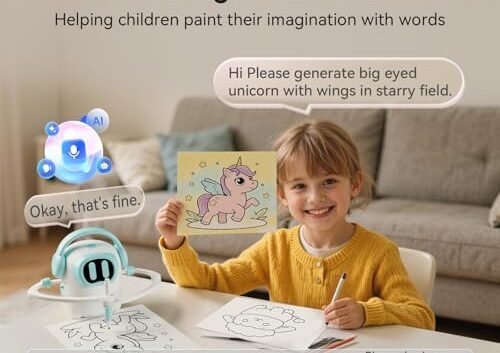
The best AI educational robots turn screen time into playful learning, creative discovery, and useful family interaction.
Choosing a smart robot for a child can feel hard. One model may focus on drawing, while another teaches STEAM skills through games, stories, and guided tasks. Some robots also act as friendly desk pets for older kids and adults. I reviewed the main features, age fit, learning value, controls, and likely limits of these products to help you find the Best AI Educational Robots for your home, classroom, or gift list. The right choice should feel less like another gadget and more like a helpful learning partner.

AI Drawing Robot for Kids,…
【10000+ Free Images, AI-Powered Drawing Robot for Early Learning】 Children can simply tell the IBEED robot what they want to draw using their voice. Once connected to WiFi, the AI…

Miko 3 AI Robot for…
BIG FUN THAT TEACHES (AGES 5–10) Miko 3 is an AI robot for kids that turns curiosity into daily fun. It combines STEAM learning, emotional growth, and interactive play using…

EMOPET AI Desk Robot Companion…
Meet EMO, Your New Desk Buddy – Say hello to EMO, the ultimate desk robot that’s here to jazz up your workspace. With built-in AI model and wide-angle camera, it…
AI Drawing Robot for Kids
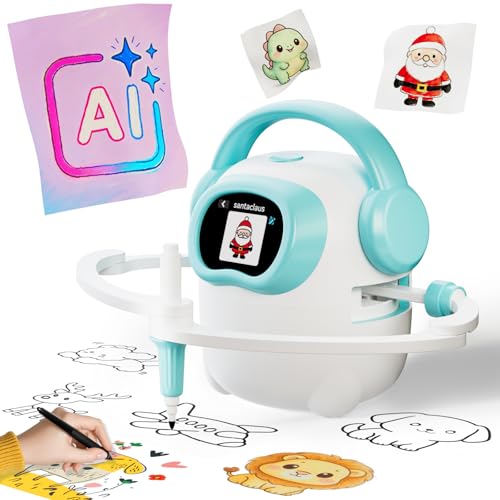
The AI Drawing Robot for Kids takes a simple idea and makes it feel fresh: children can use technology to create art. Its listed library includes more than 10,000 AI-generated images, giving young artists many prompts to explore. The product is aimed at boys and girls ages 3 to 8, so the activities should suit preschool and early elementary learners. I see it as a creative toy first, with AI used as a spark rather than a replacement for a child’s own ideas.
This cyan model may work well when a child enjoys pictures but needs help getting started. A large image library can support themes such as animals, space, nature, and basic objects. The regularly updated library may also help keep the experience from feeling stale over time, although parents should check how updates work and whether they need internet access. For a birthday gift, it offers a clear learning path without the complexity of a programmable robot.
Pros:
- Large library of more than 10,000 listed AI-generated images
- Supports drawing, visual thinking, and creative play
- Designed for younger children ages 3 to 8
- Regular image updates may add fresh ideas
- Simple concept for children who may find coding robots too hard
- Useful for quiet indoor play and parent-child art time
Cons:
- It may offer less STEM depth than a coding-focused robot
- Parents should confirm update and connectivity requirements
- Young children may need help with setup and guided use
My Recommendation
I recommend this AI drawing robot for preschoolers and early elementary children who love pictures, colors, and hands-on art. It is also a strong pick for parents who want one of the Best AI Educational Robots without placing a strong focus on coding or complex menus. The large image collection can act like a box of endless crayons: it gives ideas, but the child still makes the final creative choices. I would choose it for a birthday, rainy-day activity, or first introduction to AI-assisted learning.
The main value comes from its low learning barrier. A child does not need to understand programming before enjoying the robot. Parents should still set clear rules for device use and check the current product details on Amazon before ordering. Overall, this model is best for creative learning rather than advanced robotics.
Miko 3 AI Robot for Kids in Red
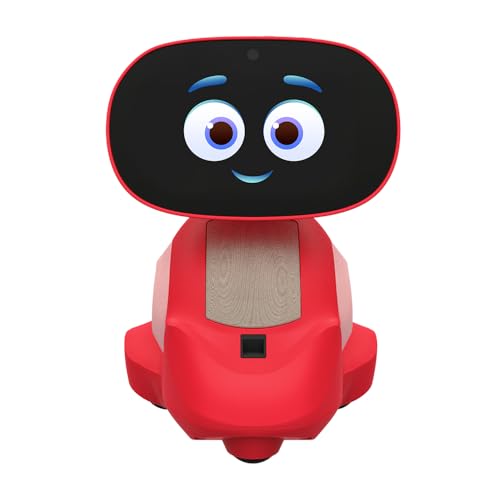
The Miko 3 AI Robot is built as a broader learning companion for children ages 5 to 10. Its listed features include interactive apps, games, stories, and activities, with a focus on educational and STEAM play. That mix matters because children often learn best when a robot changes pace instead of repeating one task. The red finish also gives it a bright, playful look that can make it feel like a companion rather than a small computer.
I like this type of design for families that want learning content in several forms. Games can support logic, stories can encourage listening, and STEAM activities can introduce science, technology, engineering, art, and math in a friendly way. The experience may be more engaging than a single-purpose toy, but parents should review available content, account needs, and any optional subscription before purchase. As with any connected AI product, adult supervision and privacy settings deserve attention.
Pros:
- Broad age range for children from 5 to 10
- Combines games, stories, apps, and learning activities
- Supports several STEAM-related learning paths
- Can grow with a child better than a single-task toy
- Interactive format may help children stay engaged
- Bright red design works well as a gift or playroom robot
Cons:
- Some content or features may require a subscription or account
- Parents need to manage internet access and privacy settings
- The larger feature set may take time for a child to learn
My Recommendation
The red Miko 3 is a good choice for families seeking a general-purpose learning companion. I would place it near the top of my Best AI Educational Robots list for children who enjoy switching between stories, games, and guided lessons. It fits a child who may lose interest in a drawing-only toy but is not ready for advanced programming kits. The age range also gives it a practical advantage for siblings or a child who is moving from kindergarten into early grade school.
This robot is most useful when parents treat it as a learning tool, not a digital babysitter. I suggest setting a daily time limit and exploring the content together at first. Its value depends on how well the available activities match the child’s interests. If the content suits your family and the ongoing costs fit your budget, the Miko 3 offers a rich mix of play and learning.
EMOPET AI Desk Robot Companion

The EMOPET AI Desk Robot Companion takes a different route from lesson-based children’s robots. It is listed as ChatGPT enabled and supports voice commands, dancing, and an interactive personality. That makes it more like a small desk pet than a formal tutor. It is designed for adults and kids, so it may appeal to families who want a shared conversation piece instead of a toy aimed at one narrow age group.
A desk robot can add a little life to homework areas, bedrooms, offices, or study spaces. Voice interaction may make simple questions and casual play feel more natural than tapping a screen. Dancing and personality features add fun, but they do not automatically equal structured education, so I would not buy this model as a replacement for a math or reading program. Buyers should also confirm how voice data, internet access, and ChatGPT-related features work before giving it to a young child.
Pros:
- ChatGPT-enabled interaction adds conversational play
- Voice commands can reduce the need for screen tapping
- Dancing creates an entertaining break from study time
- Suitable for both adults and kids
- Compact desk format fits bedrooms, offices, and study areas
- Personality features may make daily interaction feel more personal
Cons:
- It may provide less structured learning than Miko 3
- Internet access may be needed for AI functions
- Voice and privacy settings require careful adult review
- Chat-based answers should not be treated as always correct
My Recommendation
I recommend EMOPET for buyers who want an AI companion with entertainment value and casual conversation. It may suit older children, teens, families, and adults who enjoy expressive desk gadgets. Among the Best AI Educational Robots, this is a better match for social interaction and light exploration than for a planned lesson schedule. It can encourage children to ask questions, but parents should guide them to check important answers with trusted books, teachers, or reliable sources.
The strongest feature is its broad appeal. A child can enjoy dancing and voice commands while an adult may use it as a playful desk companion. Its educational value depends on how the owner uses it, so it works best beside real reading, creative projects, and hands-on activities. Check current compatibility, data controls, and included features before buying.
YONBO Programmable AI Robot for Kids
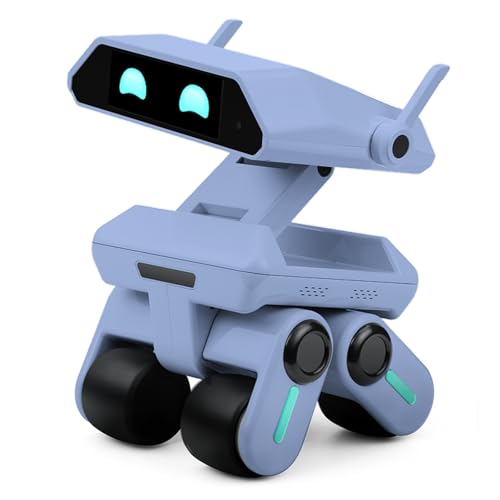
The YONBO AI Robot is aimed at children who want more than simple play. Its listed abilities include programming, voice control, visual recognition, emotion awareness, and long-term memory. It is also described as ChatGPT powered, which gives it a conversational layer in addition to its STEAM focus. This combination makes YONBO one of the more ambitious options in this Best AI Educational Robots review.
Programmability can help children move from using technology to understanding how technology works. Visual recognition may make interaction feel more responsive, while memory features can support a sense of continuity over time. Still, advanced functions often come with a steeper setup process, and younger users may need an adult to explain safe and useful ways to interact with the robot. I would look closely at the programming method, supported devices, app quality, and privacy controls before making a final decision.
Pros:
- Programming features can support early coding skills
- ChatGPT-powered interaction encourages question-based learning
- Voice control may make play more natural
- Visual recognition adds a more responsive experience
- Emotion-aware features can make the robot feel engaging
- Long-term memory may create more personalized interaction
- Strong fit for children interested in STEAM and robotics
Cons:
- Advanced features may be difficult for younger children
- Setup may require more parent involvement than a simple toy
- Connected AI functions raise privacy and data questions
- AI responses still need adult guidance and fact checking
My Recommendation
YONBO is best for curious children who ask how things work and want to experiment with technology. I would choose it for a family that values coding, robotics, and open-ended STEM play. It may be one of the Best AI Educational Robots for a child who has outgrown basic electronic toys but still needs an approachable introduction to AI. Parents and teachers can use it as a starting point for discussions about sensors, commands, memory, and responsible technology use.
The key benefit is depth. YONBO offers more ways to explore than a robot that only plays music or tells stories. The trade-off is that it needs more setup and supervision. If your child enjoys building skills over time, the extra learning curve may be worth it; if your family wants instant, simple play, another model may feel easier.
Miko 3 AI Robot for Kids in Blue
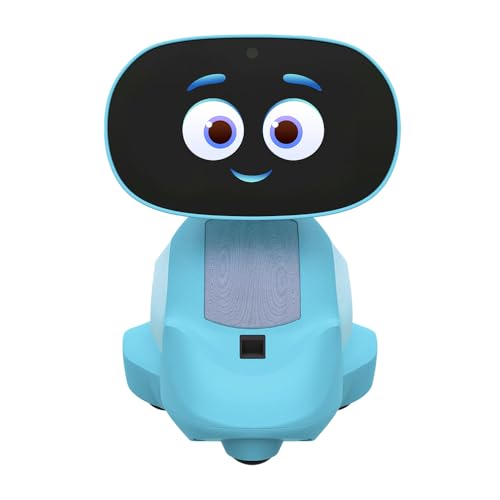
The blue Miko 3 offers the same core product idea as the red version, with a different color choice. It combines interactive apps, games, stories, and activities for children ages 5 to 10. This makes it a flexible option for homes where a child wants both entertainment and learning. The blue shell may appeal to children who prefer a cooler, less bright style.
I consider this model a good fit for regular after-school use because it can support different moods and subjects. A child might listen to a story one day, play a learning game the next, and explore a STEAM activity later. That variety can help prevent the robot from becoming a one-week novelty. As always, buyers should review current app support, subscription terms, network needs, and parental controls before ordering.
Pros:
- Offers a broad mix of games, stories, and activities
- Designed for children ages 5 to 10
- Supports STEAM learning through playful content
- Blue color gives families an alternative style choice
- Can suit children with changing interests
- May support shared parent-child learning sessions
Cons:
- Ongoing content costs may apply to some features
- Parents must manage screen time and online access
- Some children may prefer a robot with more physical movement
- Content quality and availability can change with app updates
My Recommendation
I recommend the blue Miko 3 for families who like the feature mix but prefer this color. It is especially suitable for children from kindergarten through early elementary school who enjoy guided play and short learning sessions. In a comparison of the Best AI Educational Robots, the two Miko colors should be judged by price, availability, and the child’s design preference rather than by expected learning performance. The core learning concept is the same.
This model offers good everyday value when a child uses its content with limits and adult support. It is not a substitute for a teacher, book, craft, or outdoor play. Instead, it works like a friendly activity shelf that can suggest something new. Families should check the latest Amazon listing for included services and current availability.
What Makes the Best AI Educational Robots Useful?
AI robots can make learning feel active. A child does not simply watch a video. The child may ask a question, choose an activity, draw an image, follow a story, or create a command. That small sense of control can help turn passive screen time into guided play.
Still, “AI” is not a magic label. A robot can speak in a clever way and still offer little educational value. I look for a clear link between the smart feature and the learning goal. For example, a drawing robot should encourage visual creativity, while a programmable robot should help a child understand commands and cause-and-effect.
The Best AI Educational Robots also need a good age match. A three-year-old may enjoy pictures and simple prompts, but a nine-year-old may want puzzles, stories, coding, or open-ended questions. If the robot feels too hard, the child may stop using it. If it feels too easy, interest may fade just as fast.
How I Compare AI Learning Robots
I use several practical points when comparing AI educational toys. These points matter more than a long feature list because they show how a product may work in a real home.
Learning purpose: I first ask what the robot teaches. Does it build art skills, language skills, logic, coding, or general curiosity? A clear purpose helps parents choose a product that fills a real need.
Age and independence: A robot should match the child’s reading level, motor skills, and patience. Younger children may need simple controls and an adult nearby. Older children may want challenges that let them explore without constant help.
Content quality: A large number of activities is helpful only when the activities feel useful. Stories should hold attention. Games should have a clear goal. STEAM tasks should invite thought rather than reward random tapping.
Ease of setup: I favor products that parents can understand without a long struggle. App steps, charging, Wi-Fi, account creation, and updates all affect the daily experience.
Privacy and safety: Connected robots may use cameras, microphones, apps, or online services. Parents should know what the device can collect and how to change settings. An AI robot should support a child’s learning without making adults guess how data is handled.
Long-term value: A toy has better value when a child can use it in new ways. Programmable functions, changing content, creative tools, and multiple activity types can extend the useful life of a robot.
Benefits of AI Robots in Early Learning
The best AI educational robots can support curiosity. Children often ask many questions, and a responsive device can encourage that habit. The robot may not always give the perfect answer, but it can help start a conversation that a parent or teacher continues.
AI robots can also offer practice without making a child feel judged. A child may repeat a story, puzzle, or drawing task several times. That freedom matters because learning often needs many small tries. A supportive robot can act like training wheels while the child builds confidence.
Creative robots have another strength. Art does not always have one correct answer, and children can learn through trial and error. An AI drawing robot may help a child move past the “I do not know what to draw” moment. The child still chooses the lines, colors, and final idea.
Programmable robots can make abstract ideas visible. When a child gives a command and sees a result, cause and effect becomes easier to understand. That experience can introduce basic coding habits such as sequence, testing, and correction. These skills can later support schoolwork in math, science, and technology.
Social interaction is also part of the appeal. A robot with voice commands, memory, or personality can invite a child to speak and listen. For some children, that playful practice may feel less stressful than a formal lesson. Adults should still take part, since real human conversation remains essential.
Limits Parents Should Know
AI educational robots have clear limits. They can support learning, but they cannot replace a teacher, parent, therapist, or trusted book. An AI system may misunderstand a question or give an answer that sounds confident but is wrong. Children need simple rules for checking facts.
Most connected robots also need some form of setup. That may include Wi-Fi, an app, charging, an account, or software updates. A parent should complete the setup before giving the robot to a young child. This prevents frustration and helps adults review the available controls.
Privacy deserves careful thought. A voice-enabled or camera-equipped robot may process information to respond. Product policies can change, and features may differ by location or software version. I advise parents to read the current privacy details, turn off functions they do not need, and avoid sharing private family information with any AI tool.
Subscriptions can affect the true cost. A low purchase price may not include every lesson, story, or app. Before buying, check what comes in the box and what requires an added plan. This is especially important when comparing the long-term value of the Miko models with simpler creative toys.
Finally, screen time still matters. A robot can be educational and still become too much of a daily habit. I suggest short sessions, clear limits, and a balance of books, outdoor play, crafts, and family talk. The goal is to use the robot as a bridge to learning, not as the whole road.
Best AI Educational Robots by Use Case
Best for creative children
The AI Drawing Robot is the clearest choice for a young child who enjoys art. Its listed image library gives children many starting points. It may also help a child who wants to draw but feels stuck when facing a blank page.
Best for broad learning
The Miko 3 models offer the widest mix of content among these choices. Games, stories, apps, and STEAM activities can support a range of interests. Choose the red or blue version based on color, price, and stock.
Best for coding and advanced exploration
YONBO is the strongest option for children who want programming and interactive AI features. It has more depth, but that depth brings a higher need for adult guidance. It suits a curious child who enjoys learning through experiments.
Best for casual conversation
EMOPET works best as a desk companion. Its voice commands, dancing, personality, and ChatGPT-enabled features make it more social than lesson focused. It may appeal to both children and adults who want a fun robot nearby.
Best For Comparison Table
| Best for | Why |
|---|---|
| Young artists ages 3 to 8 | The AI Drawing Robot offers a large image library and a simple path into creative play. |
| Children ages 5 to 10 who want varied activities | Miko 3 combines stories, games, apps, and STEAM learning in one companion robot. |
| Curious users who want AI interaction | YONBO and EMOPET offer voice-based interaction, while YONBO adds programming and visual features. |
Buying Tips for 2026
Before ordering one of the Best AI Educational Robots in 2026, I suggest checking the live listing rather than relying on an old review. Product names, included services, apps, and subscription plans can change. The Amazon page should show the latest price, seller details, shipping information, and available color.
Start with the child’s real interest. If the child loves drawing, a robot with thousands of pictures may receive more use than a robot with complex coding tools. If the child asks how machines work, a programmable model may create more lasting value. A good fit beats a long list of features.
Check the required connection. Some AI functions may need Wi-Fi or a linked app. This can matter in homes with weak signals, strict device rules, or limited internet access. Ask whether the robot can still perform useful tasks offline.
Look at the control method. Voice commands can feel easy, but young children may struggle with speech recognition in a noisy room. Touch controls may be simpler for some users. Programming tools can be powerful, yet they may need an adult lesson before the child can work alone.
Review privacy tools before purchase. Check for a microphone, camera, account system, parental dashboard, and data controls. I prefer products that explain these points in plain language. Parents should know how to mute, disconnect, delete, or limit features when needed.
Think about durability and daily care. Robots need charging and safe storage. Young children may pull, drop, or carry a device from room to room. A desk companion may be better kept in one place, while a creative toy may fit a supervised art area.
Do not overlook the return policy. A child may love the idea of an AI robot but lose interest after a few days. A clear return window gives families room to test the setup, content, and age fit. Always confirm the seller’s current terms before ordering.
How to Use an AI Robot as a Learning Tool
I recommend starting with a short family session. Show the child how to turn the robot on, ask a safe question, choose an activity, and stop when the session ends. This first lesson can prevent confusion and set good habits.
Use the robot beside a real task. After a story, ask the child to retell the main idea. After a drawing prompt, ask what the picture means. After a coding activity, ask what changed when the command changed. These simple questions turn play into deeper learning.
Parents can also create a project around the robot. A child might draw an animal, read about its habitat, and build a paper home for it. A child using YONBO might plan a basic command sequence and write the steps on paper first. These activities help move learning away from the screen.
Teach children not to share private details. A child should not give an AI robot a full name, home address, school name, password, or family schedule. Keep questions general and tell an adult when a response feels strange or upsetting.
Give the robot a clear role. It can be the art idea helper, story partner, coding guide, or desk pet. When a tool has a simple role, children are more likely to use it with purpose. That approach also helps parents decide whether the robot is earning its space and cost.
FAQs Of Best AI Educational Robots
Are AI educational robots safe for children?
They can be useful when adults manage setup, privacy, and screen time. Parents should review microphone, camera, account, and data settings before use. Children should also learn not to share private information with an AI robot.
Which AI robot is best for a young child?
The AI Drawing Robot is a strong choice for children ages 3 to 8 who enjoy art and visual play. It offers a simpler learning path than a programmable robot. Adult help may still be needed during setup.
Is Miko 3 a real educational robot?
Miko 3 is designed around educational and STEAM content, including games, stories, apps, and activities. It is best viewed as a learning companion, not a replacement for school instruction. Check current content and subscription details before buying.
Which robot is best for coding?
YONBO is the best fit in this group for children who want programming and interactive AI features. Its tools may need more setup and adult guidance. The child’s age, patience, and interest in technology should guide the choice.
Do AI robots need Wi-Fi?
Many connected AI functions need internet access, an app, or an account. Requirements vary by product and may change after updates. Check the current Amazon listing and product instructions before purchase.
Final Verdict: Which Should You Buy?
For most families, Miko 3 is the best all-around choice because it blends stories, games, apps, and STEAM activities. Choose the AI Drawing Robot for young artists, YONBO for coding, or EMOPET for casual AI companionship.
The Best AI Educational Robots work best with adult guidance and balanced screen time. Check current prices, subscriptions, privacy tools, and availability before ordering.

Similar Posts