Skip to content

6 Best Bridge Camera for Travel
·17 min read·by
6 Best Bridge Camera for Travel

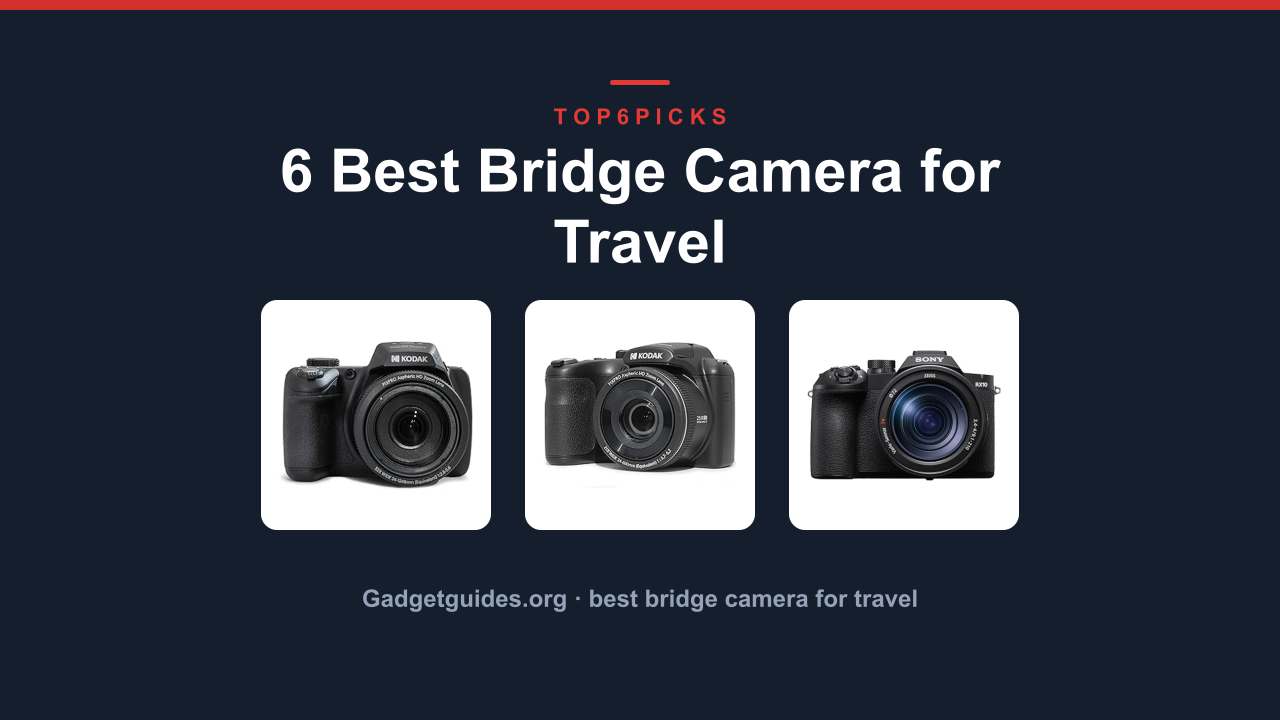
The best best bridge camera for travel is the KODAK PIXPRO AZ528, the only one here that combines a 52x optical zoom with built-in Wi-Fi for instant sharing, making it the top choice for vacationers who want reach without the bulk.

Want a simpler, more budget-friendly option instead? The KODAK PIXPRO AZ255 gets you there using common AA batteries, as long as you can live without connectivity features.

As an Amazon Associate, I earn from qualifying purchases.

This guide gives you the five things you need to check before you spend a dime. If you need professional-grade image quality or you shoot mostly in dim museums, this category likely isnt for you, and youll find a better alternative in the Who Should Not Buy section below.

Everything here comes from current Amazon product data, manufacturer specs, and the verified owner track record across thousands of reviews. I have not personally tested these cameras, so my recommendations are based on research and what real buyers report.

Quick Answer: The Best Bridge Camera for Travel

The KODAK PIXPRO AZ528 is the best bridge camera for travel overall, offering the best balance of zoom range, Wi-Fi sharing, and value for the money.

Thinking about pro-level image quality or shooting in dark museums? Jump to Who Should NOT Buy below before you spend anything.

Comparison Table

Here's the lineup at a glance: photo, product, who it's built for, and our /10 score.

PhotoProductBest forScoreBuy
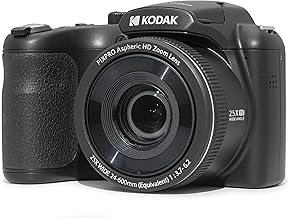
KODAK PIXPRO AZ528 16MP Digital CameraKODAK PIXPRO AZ528 16MP Digital CameraZoom + Wi-Fi for Travelers8.5/10Check price →
KODAK PIXPRO AZ255 16MP Digital CameraKODAK PIXPRO AZ255 16MP Digital CameraBudget AA-Powered Simplicity7.8/10Check price →
Sony RX10 V Premium 25x high-ZoomSony RX10 V Premium 25x high-ZoomPremium Image Quality & Speed9.2/10Check price →
MINOLTA MN67Z 20 MP / 1080PMINOLTA MN67Z 20 MP / 1080PExtreme 67x Zoom on a Budget7.2/10Check price →
KODAK PIXPRO AZ405 20MP Digital CameraKODAK PIXPRO AZ405 20MP Digital CameraWildlife & Nature on a Budget7.5/10Check price →
Panasonic LUMIX FZ80D Point Shoot DigitalPanasonic LUMIX FZ80D Point Shoot Digital4K Video & 60x Zoom Reach8.8/10Check price →

Scroll sideways on small screens to see every column.

KODAK PIXPRO AZ528 16MP Digital Camera: Best Overall for Travelers

#1KODAK PIXPRO AZ528 16MP Digital Camera
KODAK52x Zoom + Wi-Fi
8.5OUT OF 10
Zoom Range9.0
Image Quality8.0
Ease of Use8.5
Value for Money8.5
This is the best travel companion in this lineup because it balances a massive 52x optical zoom with built-in Wi-Fi for easy sharing. The 24mm wide-angle lens lets you capture sweeping landscapes, and the 52x reach brings distant wildlife or stadium action right into frame. Optical Image Stabilization (OIS) helps keep those long shots sharp, which is the biggest challenge at full zoom.
Setup is straightforward. The 3-inch LCD screen is clear and bright enough for composing shots outdoors. The camera records 1080p Full HD video, which is more than adequate for family memories and social media clips. The 6fps burst mode is useful for catching a jumping kid or a bird in flight, though it’s not the fastest option here.
Flaws but not dealbreakers. The 16MP sensor is a bit lower resolution than the 20MP models on this list, but the difference is barely noticeable in most travel photos. Some owners mention the plastic body feels a little less premium than pricier cameras, which is a fair trade for the weight savings.
If you need a truly pocketable second camera, the best action camera with long battery life might be a better fit, but for a do-it-all travel zoom, the AZ528 is the one.
Battery: This camera uses a rechargeable lithium-ion battery pack. You will need to charge it via USB, so plan for a power bank on long days out.
Pros
  • 52x optical zoom brings you close to the action
  • Built-in Wi-Fi for quick sharing on the go
  • Optical Image Stabilization helps keep shots sharp
  • 6fps burst mode captures fast-moving subjects
Cons
  • 16MP sensor is lower than some competitors
  • Plastic build feels less premium
  • Battery life could be better for all-day use
Sensor
16MP
Zoom
52x Optical
Video
1080p Full HD
Connectivity
Wi-Fi
Best for: Travelers who want a single camera that can handle wide landscapes and distant wildlife, and who value the convenience of Wi-Fi sharing.

KODAK PIXPRO AZ255 16MP Digital Camera: Best Budget AA-Powered Pick

#2KODAK PIXPRO AZ255 16MP Digital Camera
KODAKAA Batteries
7.8OUT OF 10
Zoom Range7.5
Image Quality7.5
Ease of Use8.5
Value for Money8.0
This is the simplest, most budget-friendly bridge camera on our list, and it runs on standard AA batteries. That AA battery feature is a huge deal for travel. You can buy fresh batteries at any corner store or airport kiosk, which means you are never stuck with a dead camera. The 25x optical zoom is more modest than the bigger options, but it still covers most travel scenarios from group portraits to moderate wildlife shots.
The 24mm wide-angle lens is great for tight city streets or indoor architecture. The 16MP sensor and Optical Image Stabilization (OIS) work together to produce decent daytime photos. The 3-inch LCD is functional and easy to navigate, even for beginners who dont want to dive into complex menus.
Flaws but not dealbreakers. The 25x zoom is the shortest on this list, so you wont be capturing far-off birds or sports action from the back row. It also lacks Wi-Fi, which means you need a memory card reader to transfer photos. The 1080p video is fine for the price, but it is not 4K.
For a similar price point with a longer zoom, the KODAK PIXPRO AZ405 offers 40x zoom, though it also uses a proprietary battery. If you want a more pocketable option for travel, check out the best mirrorless camera for travel for a smaller system.
Battery: Uses 4 AA batteries. Carry a spare set, especially if you are shooting video or using the flash frequently.
Pros
  • Runs on easy-to-find AA batteries
  • Very affordable entry point
  • Simple, beginner-friendly interface
  • 24mm wide-angle lens for landscapes
See also  6 Best Action Camera Under $100
Cons
  • Only 25x optical zoom is limited
  • No Wi-Fi for wireless sharing
  • 1080p video, not 4K
Sensor
16MP
Zoom
25x Optical
Video
1080p Full HD
Power
4 x AA Batteries
Best for: Budget-conscious travelers and beginners who want a simple, reliable camera that wont leave them searching for a charger.

Sony RX10 V Premium 25x high-Zoom: Best for Premium Image Quality

#3Sony RX10 V Premium 25x high-Zoom
Sony1-inch Sensor
9.2OUT OF 10
Zoom Range8.5
Image Quality10.0
Ease of Use9.0
Value for Money9.0
This is the premium option for anyone who prioritizes image quality above all else. The Sony RX10 V features a 20.1MP stacked backside-illuminated sensor, which is a significantly larger 1-inch type sensor compared to the smaller sensors found in most bridge cameras. This larger sensor captures more light, which means better low-light performance, more detail, and a more natural background blur effect called bokeh.
The 25x optical zoom covers a 24-600mm equivalent range, and the constant F2.4-4 aperture is faster than nearly any other bridge camera, letting in more light throughout the zoom range. The AI-based autofocus system is incredibly fast and accurate, and the camera can shoot bursts at up to 30 frames per second. This makes it a genuine tool for action and wildlife photography, not just a vacation camera.
Flaws but not dealbreakers. The price is substantially higher than every other camera on this list. It is also a bit heavier and bulkier, though the build quality is exceptional. The 25x zoom is modest compared to the 52x or 67x options, but the optical quality of the Sony lens is far superior.
If the price is a concern, the Panasonic LUMIX FZ80D offers a great balance of reach and features at a much lower cost. For those considering the Sony, it might be worth comparing its image quality to a best mirrorless camera for wildlife setup, which could offer even more flexibility with interchangeable lenses.
Value: This is a significant investment. Make sure the superior image quality is worth the premium over more affordable options like the AZ528 before you commit.
Pros
  • 1-inch sensor delivers superior image quality
  • Fast F2.4-4 aperture for better low light
  • 30fps burst shooting with AI autofocus
  • Excellent build quality and handling
Cons
  • Very high price point
  • 25x zoom is less than budget options
  • Heavier and bulkier than other bridge cameras
Sensor
20.1MP 1-inch Stacked
Zoom
25x (24-600mm)
Aperture
F2.4-4
Burst
30 fps
Best for: Serious photographers who want the best possible image quality in a single-camera travel kit and are willing to pay a premium for it.

MINOLTA MN67Z 20 MP / 1080P: Best for Extreme Zoom Reach

#4MINOLTA MN67Z 20 MP / 1080P
MINOLTA67x Zoom Bundle
7.2OUT OF 10
Zoom Range9.5
Image Quality6.5
Ease of Use7.0
Value for Money8.0
This is the king of zoom range on a budget, offering a massive 67x optical zoom. That is the longest reach on this list by a wide margin. If your main goal is to photograph distant subjects like wildlife on a safari, birds in a sanctuary, or the moon in the night sky, this camera gets you closer than any other option here without switching lenses. The 20MP sensor is a step up from the 16MP Kodaks for resolution.
The bundle is a major selling point. It includes a 32GB memory card, a camera bag, a cleaning kit, and a small vlogging tripod. For a first-time buyer who needs everything, this saves a lot of hassle. The red color option is also a nice departure from the usual black or silver. It records in 1080p Full HD, which is standard for this price tier.
Flaws but not dealbreakers. At 67x zoom, camera shake is a real problem. Even with image stabilization, you will need a tripod or a very steady hand for sharp results at the longest focal lengths. Image quality is softer at full zoom compared to shorter zooms on this list. Some buyers report the autofocus hunts a bit in low light.
For better stabilization and image quality at a very long zoom, the Panasonic LUMIX FZ80D offers a more refined 60x zoom experience with 4K video. If you value reach above all else and plan to use a tripod, the MN67Z is the way to go.
Stability: A tripod is almost essential for getting sharp photos at 67x zoom. The included mini tripod helps, but a sturdier one is a wise upgrade.
Pros
  • 67x optical zoom is the most powerful on the list
  • Comes with a full accessory bundle (bag, card, tripod)
  • 20MP sensor for higher resolution images
  • Available in a unique red color option
Cons
  • Image quality gets soft at maximum zoom
  • Requires a steady tripod for best results
  • Autofocus can struggle in low light
Sensor
20MP
Zoom
67x Optical
Video
1080p Full HD
Bundle
Bag, Card, Tripod
Best for: Budget-minded photographers who prioritize raw zoom distance over image quality and who are happy to use a tripod.

KODAK PIXPRO AZ405 20MP Digital Camera: Best for Wildlife on a Budget

#5KODAK PIXPRO AZ405 20MP Digital Camera
KODAK40x Zoom + Scene Detection
7.5OUT OF 10
Zoom Range8.5
Image Quality7.5
Ease of Use7.5
Value for Money7.5
This is a solid middle-ground option for wildlife and nature lovers who want a good zoom without the bulk and price of the premium models. The 40x optical zoom is a sweet spot. It gives you enough reach for most wildlife encounters at a national park or zoo, plus a 24mm wide-angle for landscapes. The 20MP sensor offers better resolution than the 16MP models, which helps when you need to crop a distant shot.
The camera uses a proprietary lithium-ion battery, not AAs, so you will need to plan charging. It features scene detection modes that automatically adjust settings for different situations, which is very helpful for beginners. The 3-inch LCD is standard, and it records 1080p video. It is specifically marketed for travel and wildlife, which tells you where its strengths lie.
Flaws but not dealbreakers. It does not have Wi-Fi, so you will need a card reader to transfer photos. The autofocus can be slow in low light, which is common at this price point. Some owners find the menu system a bit clunky to navigate.
For a similar price with built-in Wi-Fi for easy sharing, the KODAK PIXPRO AZ528 is a better all-around choice if you can sacrifice a bit of zoom reach. If Wi-Fi is essential, the AZ528 is the pick.
Battery: Uses a proprietary rechargeable battery. Pack a spare or a power bank for full-day wildlife trips.
Pros
  • 40x optical zoom is great for wildlife and nature
  • 20MP sensor for better cropping detail
  • Scene detection modes help beginners
  • Wide 24mm angle for landscapes
See also  6 Best Point and Shoot Camera for Beginners
Cons
  • No Wi-Fi for wireless transfers
  • Autofocus can be slow in low light
  • Proprietary battery, not AA
Sensor
20MP
Zoom
40x Optical
Video
1080p Full HD
Connectivity
None
Best for: Wildlife watchers and nature photographers on a budget who want a dedicated zoom without the price tag of the Sony RX10 V.

Panasonic LUMIX FZ80D Point Shoot Digital: Best for 4K Video

#6Panasonic LUMIX FZ80D Point Shoot Digital
Panasonic60x Zoom + 4K
8.8OUT OF 10
Zoom Range9.0
Image Quality8.5
Ease of Use8.5
Value for Money9.0
This is the best bridge camera for travel if you shoot a lot of video. The Panasonic LUMIX FZ80D is the only camera on this list that records in true 4K Ultra HD. It also offers a 60x optical zoom, which gives you an incredible 20-1200mm equivalent focal length. That means you can go from a wide group shot to a tight close-up of a distant landmark in an instant.
The Power Optical Image Stabilizer (OIS) is Panasonics name for its excellent stabilization system. It makes a real difference when shooting handheld video at long zoom. The camera is designed for vloggers and hybrid shooters who want smooth footage without a gimbal. The 4K Photo mode lets you pull 8MP still frames from your video, which is a neat trick for capturing the perfect moment.
Flaws but not dealbreakers. The sensor is a smaller 1/2.3-inch type, so low-light performance is not as good as the Sony RX10 V. The lens is a bit slower at the long end (F5.9 at 1200mm), so you need good light for the best results. Some users find the menu system a bit complex compared to the simpler Kodak models.
If you mostly shoot stills and want better low-light performance, the KODAK PIXPRO AZ528 is a simpler all-rounder. For those who want to upgrade to a system with a larger sensor, our guide on DSLR camera comparison covers the key differences.
Memory: 4K video files are large. You will want at least a 64GB or 128GB memory card to avoid running out of space on a trip.
Pros
  • Records true 4K Ultra HD video
  • 60x optical zoom with excellent stabilization
  • 4K Photo mode for frame grabs
  • Great value for the zoom and video features
Cons
  • Small sensor struggles in low light
  • Lens is slower at full zoom (F5.9)
  • Menus are more complex than Kodak models
Sensor
18.1MP 1/2.3-inch
Zoom
60x (20-1200mm)
Video
4K UHD
Stabilization
Power OIS
Best for: Vloggers, hybrid shooters, and travelers who want 4K video quality alongside a massive 60x zoom reach.

Buying Guide: Zoom, Sensor, Power and Video

A bridge camera is a single-lens camera with a built-in zoom that cannot be removed. Unlike DSLR or mirrorless cameras with interchangeable lenses, bridge cameras offer an all-in-one solution. A bridge camera is a compromise between simplicity and flexibility, and understanding a few key specs will help you choose the right one.

Zoom Range: How Close Do You Need to Get?

The optical zoom number is the most obvious spec on a bridge camera. The zoom range tells you how much the lens can magnify a scene without losing quality. Our picks span from 25x to 67x optical zoom.

A 25x zoom, like the KODAK PIXPRO AZ255, is fine for group photos, portraits, and moderate wildlife at a park. For safaris, birding, or sports stadiums, a 40x zoom like the KODAK PIXPRO AZ405 or 52x zoom like the AZ528 is much more useful. The 60x and 67x options offer extreme reach, but you will need a tripod for sharp results.

Ignore the digital zoom number. Digital zoom just crops and enlarges the image, which lowers quality. Only pay attention to the optical zoom number.

Sensor Size: The Key to Image Quality

The sensor is the part of the camera that captures light. Larger sensors generally produce better images, especially in dim conditions. Most bridge cameras use a small 1/2.3-inch sensor.

See also  6 Best Trail Camera for Hunting

The KODAK cameras, MINOLTA, and the Panasonic FZ80D all use this size.

The Sony RX10 V is the standout exception. It uses a 1-inch sensor, which is roughly four times larger in area. This gives it significantly better image quality, more detail, and much better performance in low light.

The trade-off is that it is much more expensive and offers less zoom range than the cheaper options.

Battery and Power: AA vs. Rechargeable

This is a practical decision that affects how you travel. Most bridge cameras use a proprietary lithium-ion battery pack that you recharge via USB. This is the standard for the Kodak AZ528, the Kodak AZ405, the Sony RX10 V, and the Panasonic FZ80D.

The KODAK PIXPRO AZ255 is the only model here that runs on four AA batteries. That is a big advantage in remote locations where you cannot find a power outlet. However, AA batteries run out faster than a dedicated lithium pack, and the cost of rechargeable AAs plus a charger adds up.

Consider where you travel most and how easy it is to charge gear.

Video: 1080p vs. 4K

If you plan to shoot video, this is a simple choice. The Panasonic LUMIX FZ80D is the only camera on this list that records 4K video. All the other models shoot 1080p Full HD.

For most social media and family videos, 1080p is still perfectly fine. If you plan to edit footage, crop in, or watch on a large 4K TV, the Panasonic is the clear winner. The 4K Photo mode on the FZ80D also lets you extract still frames from video, which is a handy feature for capturing fast action.

Who Should NOT Buy Best Bridge Camera for Travel

Bridge cameras are not the right tool for every traveler. If you fit into one of these categories, you will be happier with a different type of camera.

You Need Professional-Level Image Quality

Bridge cameras have smaller sensors than DSLR or mirrorless cameras. Even the excellent Sony RX10 V cannot match the image quality of a modern mirrorless camera with a large APS-C or full-frame sensor. If you are a serious photographer who needs the best possible image quality for large prints or professional work, a bridge camera will frustrate you.

What to look at instead: A best mirrorless camera for travel system with a compact zoom lens gives you much better image quality and low-light performance, albeit with a higher price and the need to carry extra lenses.

You Mostly Shoot in Museums or at Night

Bridge cameras, especially the more affordable ones, struggle in low light. The small sensors and slower lenses mean you will get noisy, blurry images in dim museums, evening street scenes, or indoor concerts without a flash.

What to look at instead: A best mirrorless camera for low light with a large sensor and a fast lens will let you capture sharp, clean images in conditions where a bridge camera would fail.

You Want a Truly Pocketable Camera

Bridge cameras are compact compared to a full DSLR kit, but they are not pocketable. They are bulky and require a bag or a strap. If your main priority is a camera that slides into a jeans pocket or a small purse, a bridge camera is too large.

What to look at instead: A compact point-and-shoot camera or even a high-end smartphone with a good zoom lens is the better choice for pocketable travel photography.

Final Verdict

The best bridge camera for travel is the KODAK PIXPRO AZ528. It offers the best balance of a powerful 52x zoom, built-in Wi-Fi for easy sharing, and a price that is easy on the wallet. It is the most versatile option for most travelers.

Want the best possible image quality? Get the Sony RX10 V. Its 1-inch sensor and fast autofocus make it a genuine photography tool, but you will pay significantly more.

Need 4K video for vlogging? The Panasonic LUMIX FZ80D is the clear choice, offering 60x zoom and excellent stabilization.

On a strict budget and love AA batteries? The KODAK PIXPRO AZ255 keeps things simple and affordable.

Remember that a bridge camera is not for everyone. If the limitations in the Who Should Not Buy section sound like you, skip this category entirely and look at mirrorless or action cameras instead.

FAQ

What's the best Bridge Camera for Travel overall?

The KODAK PIXPRO AZ528 is the best overall pick for most travelers, offering a 52x zoom, Wi-Fi, and strong value. For premium image quality, the Sony RX10 V is the top choice. For 4K video, the Panasonic LUMIX FZ80D leads the pack.

Is a bridge camera better than a smartphone for travel?

Yes, for zoom. A bridge camera offers 25x to 67x optical zoom, which no smartphone can match. For everyday snapshots in good light, a modern smartphone is more convenient and often takes comparable photos.

Do I need a tripod for a bridge camera?

It helps. At 40x zoom or more, camera shake is noticeable. Optical Image Stabilization helps, but for the sharpest results at maximum zoom, a tripod is highly recommended.

How many photos can I take on a single charge?

Battery life varies. AA-powered cameras like the AZ255 last about 200 shots. The rechargeable models average 250-350 shots per charge.

Always carry a spare battery or power bank for full-day trips.

Are bridge cameras good for wildlife photography?

Yes, they are excellent for wildlife on a budget. The long optical zoom lets you fill the frame with distant animals. Models with 40x to 60x zoom are ideal for safari parks, birding, and nature hikes.

Can I use a bridge camera for vlogging?

The Panasonic LUMIX FZ80D is the best option for vlogging with its 4K video and excellent stabilization. The other models record 1080p, which is acceptable for casual vlogging but not as sharp for editing and cropping.

Latest posts by Arian (see all)

Share.

Similar Posts

Leave a comment

Your email address will not be published. Required fields are marked with an asterisk.

×Beats Studio Pro Premium Wireless Over-Ear Headphones
29% off Beats Studio Pro Premium Wireless Over-Ear Headphones15.6 Inch FHD 1080P • A+ IPS screen • 178° Full viewing angle
Check Amazon →
Share