Can I Eat Seafood After Wisdom Tooth Extraction
You just got your wisdom teeth out. You're hungry, you're bored of applesauce, and you're staring at a plate of shrimp scampi wondering if it's worth the risk. Can I eat seafood after wisdom tooth extraction?
The answer isn't a simple yes or no. It depends entirely on how many days post-surgery you are and what type of seafood you're considering.
The stakes are real. Dislodging the protective blood clot in your extraction site can trigger dry socket, a condition the American Dental Association describes as intensely painful. In our research, oral surgeons consistently report that the first 72 hours are the highest-risk window for this complication.
Understanding the healing timeline is your best defense against a week of avoidable agony.
Image source: Bing (Web (fair-use with source credit))
The Honest Truth About Seafood and Healing
Seafood sits in a weird middle zone after oral surgery. It can be soft, flavorful, and packed with healing nutrients. It can also destroy your recovery in one careless bite.
Most people focus on the wrong thing. They ask "is this food soft enough?" when the real question is "can this food disturb the clot or introduce bacteria into an open wound?" Softness matters, but it isn't the only factor.
As of 2026, oral surgery guidance remains consistent across major dental programs. The clot must stay intact for 7 to 10 days. Anything that jeopardizes it, whether through suction, sharp fragments, or pathogenic bacteria, extends your healing time and increases pain.
Quick Answer
Seafood is off-limits for the first 3 days after wisdom tooth extraction. After that, you can introduce soft, flaky fish. Wait at least 10 days for shellfish.
Avoid all raw seafood for two weeks. Dry socket risk drives these timelines. Follow them and you'll heal faster.
Why Seafood is a Genuine Risk (Not Just a Rule)
The danger isn't the seafood itself. It's the physical mechanics of how you eat it, and the bacterial load some types carry. Your extraction site is an open wound with a delicate blood clot sitting on top.
That clot is your body's natural bandage. Anything that disturbs it invites pain and infection.
The texture trap. Crunchy coatings, tiny bones, and shell fragments are the obvious culprits. Fried calamari or fish and chips crumble into sharp little pieces that lodge deep in the socket. These bits cause irritation and can push the clot out as you try to dislodge them with your tongue.
The suction problem. Slurping oysters or sucking meat from crab legs creates negative pressure in your mouth. That vacuum effect can literally pull the clot right out of the socket. This is the same reason dentists tell you to avoid straws for the first week or two.
The bacteria angle. Raw seafood like sushi, ceviche, and raw oysters carry bacteria your mouth usually handles without a second thought. But an open surgical wound is a direct pathway to your bloodstream. The CDC warns that Vibrio and other pathogens in raw shellfish pose a real risk of infection, especially while you're healing.
Temperature sensitivity. Ice-cold shrimp or steaming hot chowder can aggravate already inflamed tissue. Extreme temperatures trigger swelling and dull, throbbing pain that slows your recovery.
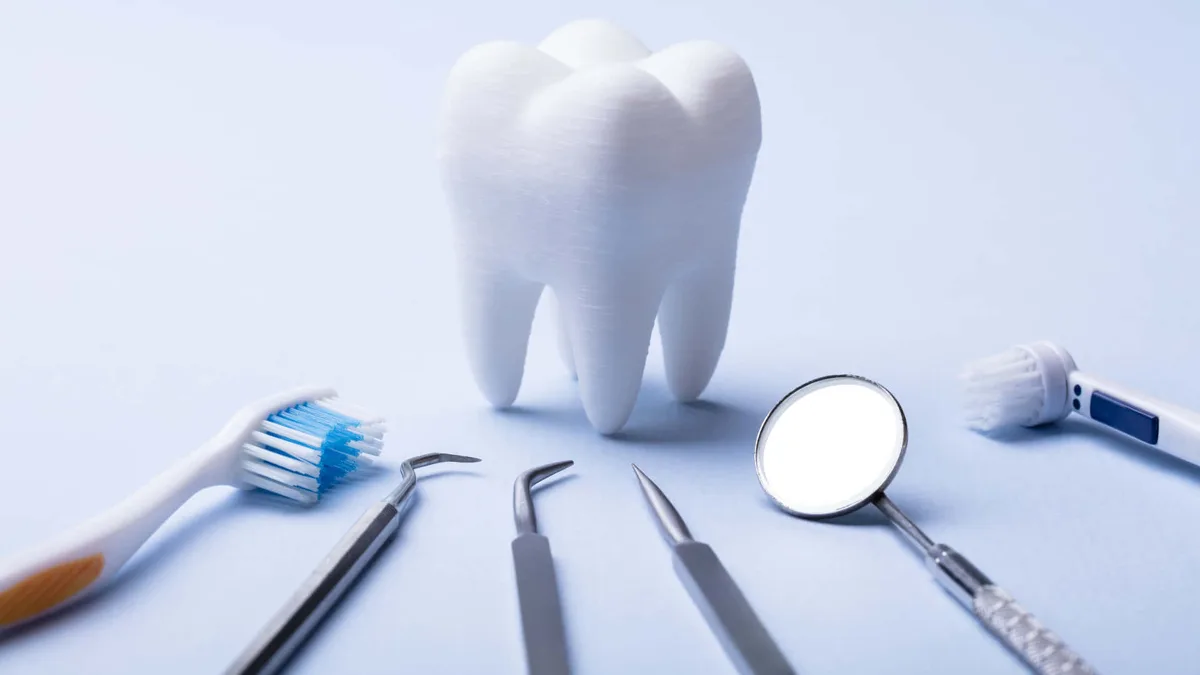
Image source: Web (Bing) / wallpapers.com (Web image (fair-use with source credit))
The Realistic Healing Timeline
Your mouth heals in stages, and each stage allows for different foods. Here's the breakdown, using the day of your surgery as Day 0.
Days 0 to 3 (The Clot Formation Phase): Your body is actively forming and stabilizing the blood clot. Any solid food is risky. Stick to liquids and completely soft items like yogurt, smoothies, broth, and applesauce.
No seafood. Period. Even soft fish requires chewing motion that can disturb the site.
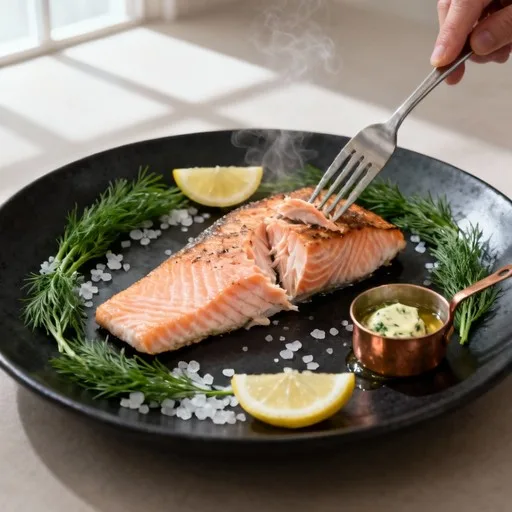
Days 4 to 7 (The Soft Tissue Phase): The clot is more stable, but the socket is still an open wound. This is when you can introduce well-cooked, flaky, boneless fish. Salmon, cod, tilapia, and trout are excellent options.
They fall apart with almost no chewing and deliver protein and omega-3s that support healing. Avoid anything with shells, bones, or crispy coatings.
Days 7 to 10 (The Granulation Phase): New tissue is forming and closing the socket. You can start adding canned tuna mixed with mayo, soft seafood cakes mashed into small pieces, and fish chowder (cooled to lukewarm). Shrimp and other shellfish remain risky because of their texture and the effort required to eat them.
Days 10 to 14 (The Closure Phase): Most people can eat most seafood by this point, as long as they chew gently on the opposite side. You can try peeled shrimp cut into small pieces, but avoid crab legs, lobster, and mussels in the shell. Raw seafood like sushi is still a no-go.
After 14 Days (The Clear Phase): Your socket is typically closed by now, and the soft tissue has healed. Raw seafood is generally safe to reintroduce, provided your mouth feels normal and pain-free. If you still have soreness or visible swelling, wait a few more days.
| Healing Phase | Timeline | Safe Seafood | High-Risk Seafood |
|---|---|---|---|
| Clot Formation | Days 0-3 | None | All seafood |
| Soft Tissue | Days 4-7 | Flaky cooked fish (salmon, cod, tilapia) | Shrimp, crab, fried fish, raw seafood |
| Granulation | Days 7-10 | Canned tuna, fish chowder, soft seafood cakes | Shellfish, crispy coatings, raw fish |
| Closure | Days 10-14 | Peeled shrimp (cut small), most cooked fish | Raw seafood, crab legs, lobster, mussels |
| Clear | After Day 14 | Most seafood, including raw | Only what still causes pain or discomfort |
The Safest Way to Eat Seafood (If You Must)
If you're craving seafood during your recovery, some methods are far safer than others. Follow these steps to minimize your risk and protect your healing socket.
Choose the right fish. Flaky white fish like cod, haddock, and tilapia are ideal. They break apart easily, have no small bones, and require minimal chewing. Salmon and trout are also good options, rich in omega-3s that reduce inflammation.
Cook it thoroughly. Fish should be cooked until it flakes apart easily with a fork. This eliminates harmful bacteria and makes the texture soft enough for compromised chewing. Bake, poach, or steam it.
Avoid frying at all costs. The crunchy batter is a hazard.
Remove all bones and skin. Even soft fish can contain small pin bones. Carefully check each bite before eating. The skin can be chewy and hard to manage.
Cool it to lukewarm. Let your fish rest after cooking. Hot food increases blood flow to the surgical site, which can intensify swelling. Lukewarm is the sweet spot for comfort and safety.
Eat with a spoon. Fork tines can accidentally poke the extraction site. A spoon lets you control small bites and direct them away from the surgical area.
Chew on the opposite side. Keep all chewing action on the side of your mouth that didn't have surgery. If both sides had extractions, eat very small bites and chew gently near the front of your mouth.
Rinse after every meal. Gently rinse your mouth with warm salt water after eating. This flushes out any tiny food particles that could lodge in the socket. Swish gently.
Don't spit forcefully.
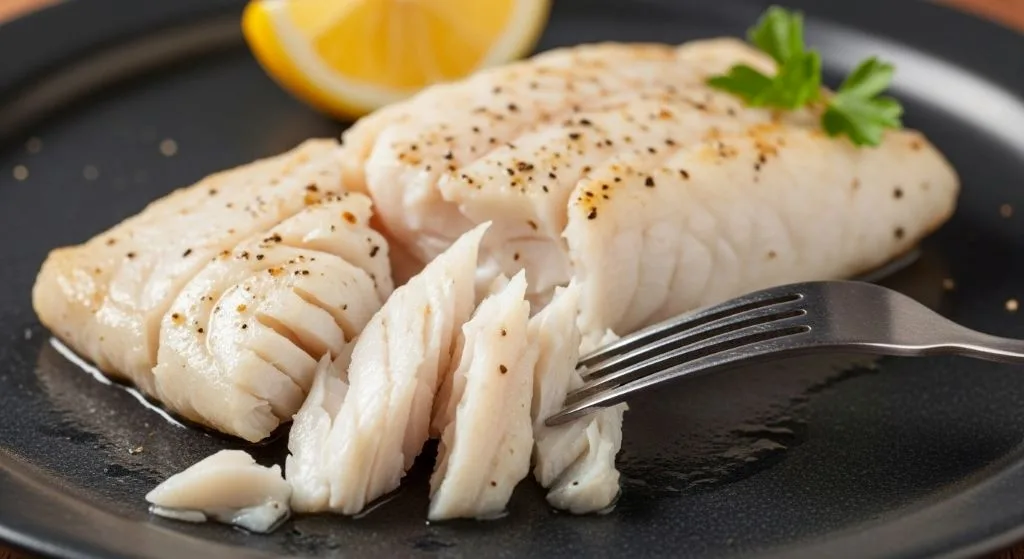
Image source: Bing (Web (fair-use with source credit))
Common Mistakes That Delay Healing
Even with the right intentions, people make errors that set their recovery back days. Avoid these traps to keep your healing on track.
Eating seafood too early. Day 2 is not the time for flaked salmon, no matter how soft it is. Your clot is still fragile. Give it at least 72 hours before introducing any solid food.
Using a straw. Using a straw for a smoothie or broth is tempting. But the suction can dislodge your clot instantly. This is one of the leading causes of dry socket, and it's entirely avoidable.
Ignoring small shell bits. Peeled shrimp can still harbor tiny shell fragments. These are sharp and can scratch or embed in your extraction site. Inspect every piece carefully or skip shrimp altogether in the first week.
Eating cold seafood straight from the fridge. Coldness numbs your mouth temporarily, which can hide pain and make you chew carelessly. Let seafood come to room temperature before eating.
Chewing mindlessly. Eating in front of the TV or while scrolling your phone makes you forget where the surgical site is. Focus on what you're doing. One distracted bite can undo a week of careful healing.
Eating seafood in crowded liquid. Fish stew or chowder with vegetables and herbs is sneaky. Small pieces of celery, onion, or herbs can migrate into the socket. Puree or strain these soups before eating.
If you notice persistent pain, a bad taste in your mouth, or see white bone in the socket, call your dentist. These are signs of dry socket or infection that require professional treatment.
When to Call Your Dentist
Some symptoms mean you need professional help. Don't wait and see. Call your oral surgeon immediately if you experience any of the following.
Severe, throbbing pain. Pain that starts a few days after surgery and intensifies is the classic dry socket sign. It often radiates to your ear, eye, or neck. Over-the-counter pain relievers won't touch it.
A bad taste or odor. A foul, sour taste that doesn't fade with salt water rinsing could mean food particles are rotting inside the socket. It can also signal an infection taking hold.
Visible bone. Look in the mirror. If you see white bone where the dark clot should be, your clot is gone. That's a dry socket, and it needs treatment fast.
Fever and worsening swelling. Mild swelling is normal for the first few days. Swelling that climbs your jaw or triggers a fever means infection. Both require professional evaluation.
Bleeding that won't stop. Light pink saliva is fine for the first 24 hours. Active bleeding beyond that needs attention. Bite on clean gauze, but get help if it doesn't slow down.
The American Dental Association's post-operative guidelines stress that these signs are never a "wait and see" situation. Call your dentist's office. They'll typically get you in the same day to pack the socket and start treatment.
Frequently Asked Questions
When can I eat sushi after wisdom tooth extraction?
Raw sushi is the riskiest seafood choice after extraction. Wait at least 14 days. Your gums need time to close the socket completely.
Bacteria in raw fish, including Vibrio and Listeria, can cause serious infections in open wounds. If your extraction site still hurts or looks red at two weeks, wait longer.
Can I eat canned tuna after wisdom tooth extraction?
Yes, but only after day four. Drain it well and mix it with mayo or mashed avocado. The goal is a smooth texture you can swallow without chewing.
Break up large chunks with a fork first. Check for small bones, which canned tuna sometimes contains. Avoid crunchy add-ins like celery or onions.
When can I eat shrimp after wisdom teeth removal?
Softly cooked shrimp can enter the rotation around day 10 to 14. Peel and devein them, remove the tail completely, and cut each shrimp into small pieces. Cooked until tender is the safest option.
Fried shrimp and tail-on shrimp stay off-limits much longer due to crunchy coatings and shell fragments.
What's the worst seafood to eat after tooth extraction?
Fried calamari takes first place. It's chewy, and the crispy batter crumbles into sharp shards that wedge into the socket. Raw oysters and clams in the shell come close behind because of the sucking required and the bacteria they carry.
Crab legs round out the list. Extracting the meat creates vacuum pressure that can pull your blood clot loose.
Does seafood help healing after wisdom tooth extraction?
Yes, once you're safely past the early recovery phase. Fish is rich in protein, omega-3 fatty acids, and vitamin D, all of which support tissue repair and reduce inflammation. Salmon and tuna are the best nutritionally.
Just prioritize safe texture over nutritional value in the first week.
Is smoked salmon safe after tooth extraction?
Not in the first 10 days. Smoked salmon is technically soft, but it's also raw and heavily salted. The salt stings open tissue, and the raw nature introduces bacteria you don't need.
If you want that flavor, cook it gently until it flakes.
The Bottom Line
Here's the decision guide, in plain terms.
If you are day 0 to 3: No seafood. Eat yogurt, smoothies, broth, and applesauce. The clot is still forming, and any solid food risks displacement.
If you are day 4 to 7: Choose soft, flaky, boneless fish only. Bake or poach it, cool it to lukewarm, and eat with a spoon. Avoid shellfish, fried coatings, and anything raw.
If you are day 7 to 10: Add canned tuna, soft seafood cakes, and pureed chowder. Peel and cut shrimp into tiny pieces if you really want them. Chew on the opposite side.
If you are day 10 to 14: Most cooked seafood is fine. Raw seafood stays off the menu. Skip crab legs and lobster tail.
The act of extracting the meat creates suction pressure.
After day 14: You're clear, assuming your socket feels closed and pain-free. When in doubt, run your tongue over the area. If it still feels like a hole, wait a few more days.
You've already survived the surgery. Don't let a shrimp tail undo all that healing.

Similar Posts