Can I Use An Air Purifier With Ac
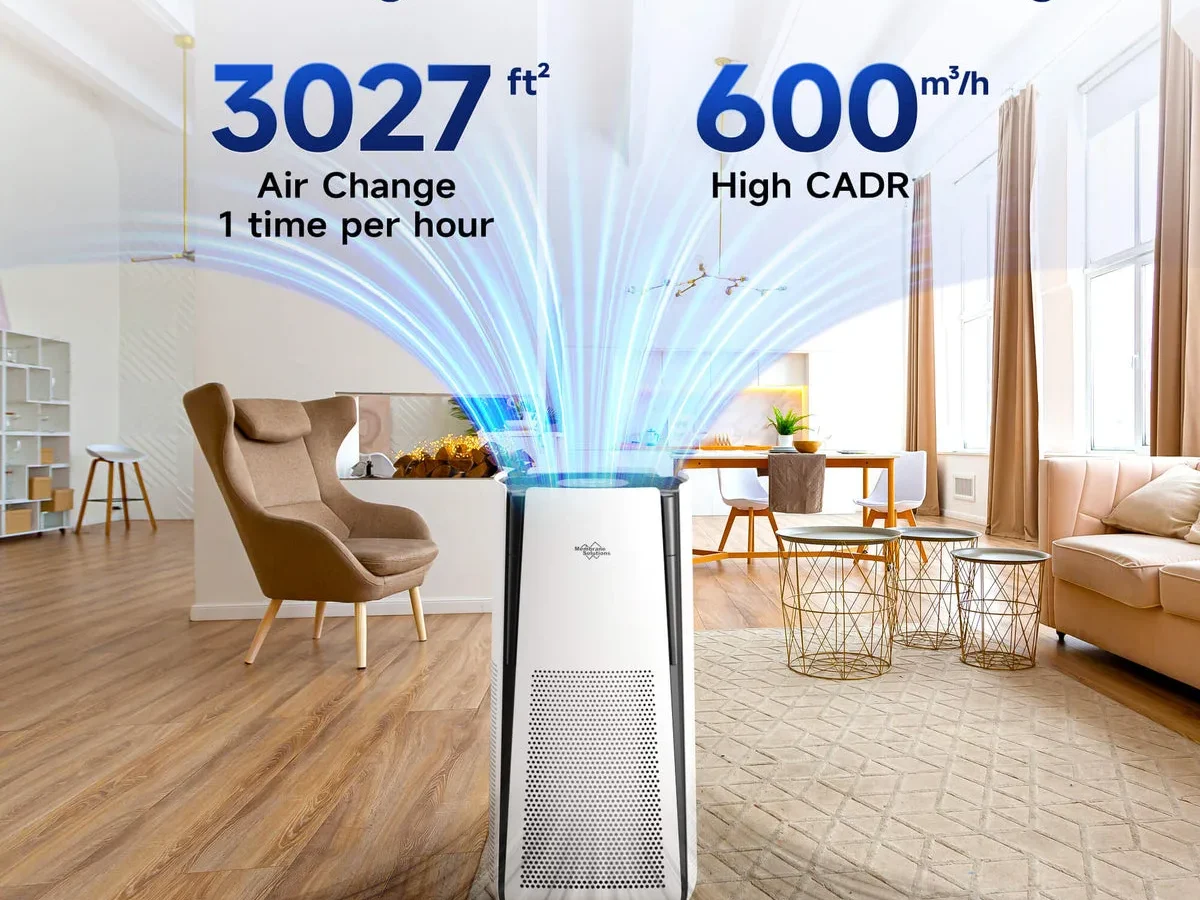
Can I use an air purifier with AC? Yes, and for most homes it's the smart move. Your AC controls temperature, but it does a mediocre job of cleaning the air on its own.
A portable air purifier fills that gap by removing smoke, dust, pollen, and pet dander that your AC's filter misses.
Research from AHAM shows a purifier with a CADR rating of 200 to 300 cleans a typical bedroom in about 15 minutes. Pair that with a window or central AC unit and you've got comfort plus clean air. As of 2026, compatibility is rarely a problem.
The setup, however, is everything, and that's where most people stumble.
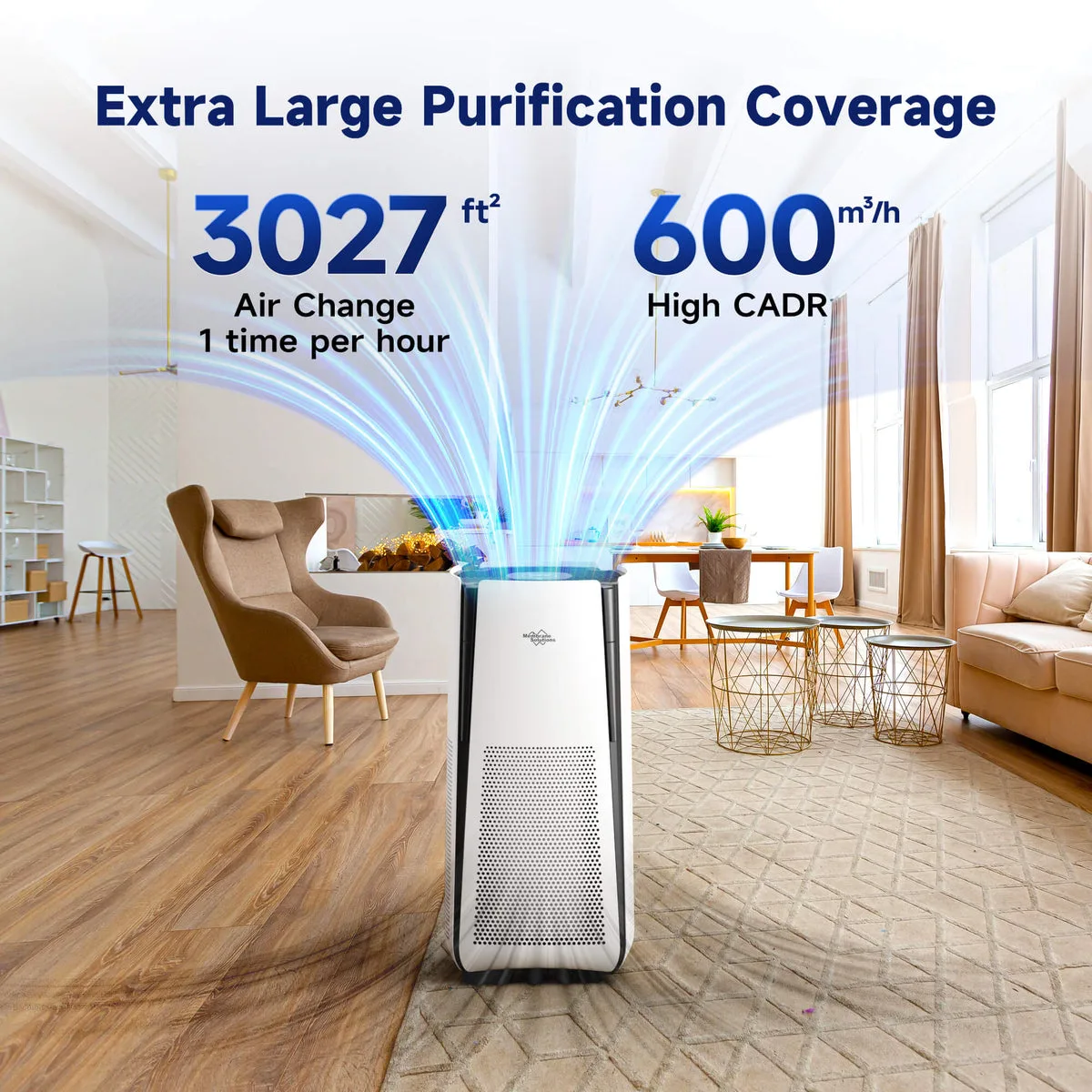
Image source: Bing (Web (fair-use with source credit))
Quick Answer
Yes, you can use an air purifier with an AC. They work well together. The AC controls temperature and humidity.
The purifier removes dust, pollen, and smoke. Keep the purifier away from the thermostat and AC vents. Place it in the center of the room.
That setup avoids short cycling and saves energy.
Yes, You Can Run an Air Purifier With an AC: The Setup Matters
Here's the short answer: yes. You can run an air purifier while your AC is running, and in most homes you should. The two machines have separate jobs.
Your AC handles temperature and humidity. The purifier captures dust, pollen, smoke, and dander. Neither interferes with the other's core function, as long as you position the purifier sensibly.
What causes problems is placement. If the purifier blows directly on a wall thermostat, the AC short-cycles and runs more often than needed. If it sits in front of a return vent, the system works harder to pull air.
Neither problem damages the hardware immediately, but both waste energy and shorten equipment life.
The Environmental Protection Agency notes that portable air cleaners with HEPA filters remove at least 99.97% of particles at 0.3 microns. That's a meaningful add-on to your AC's built-in filter, which mostly catches larger dust. So yes, this combo works.
Just keep the purifier away from the AC's sensing points and airflow openings.
Quick check: If your purifier has an auto mode, run it that way for the first week. Watch the AC's runtime on the thermostat. If you see short cycling, move the purifier 3 feet to the side.
Most manufacturer manuals also recommend keeping at least 2 feet between any air-cleaning device and the AC's intake or return vent.
How These Two Appliances Actually Work Together (or Against Each Other)
Your AC moves air to pull heat out of the room. It draws warm air through a return grille, passes it over cold coils, and pushes the cooled air back out through supply vents. An air purifier works differently.
It pulls room air through its intake, pushes it through a HEPA and sometimes carbon filter, and releases cleaned air out the top or front.
When both run, they share the same air without fighting. The AC keeps the temperature comfortable. The purifier keeps the particle count low.
In a normal bedroom, they influence the same air molecules without competing for supply.
The friction points are sensor interference and airflow direction. Wall-mounted thermostats measure only the air crossing them. If your purifier's outlet faces the thermostat, the AC thinks the room is cooler than it is.
The result is short cycling, higher energy bills, and poor humidity control.
Portable ACs add another twist. A single-hose model pulls indoor air and exhausts it outside, creating negative pressure. That negative pressure sucks outdoor air in through window gaps and door seals.
If you're running a purifier to filter smoke or pollen, that unfiltered air makes its job much harder. Dual-hose portable ACs pull outdoor air for the condenser separately, so they avoid this problem.
The short version: AC and purifier complement each other. The trouble starts only when airflow or sensing gets crossed. Now let's match your specific AC type.
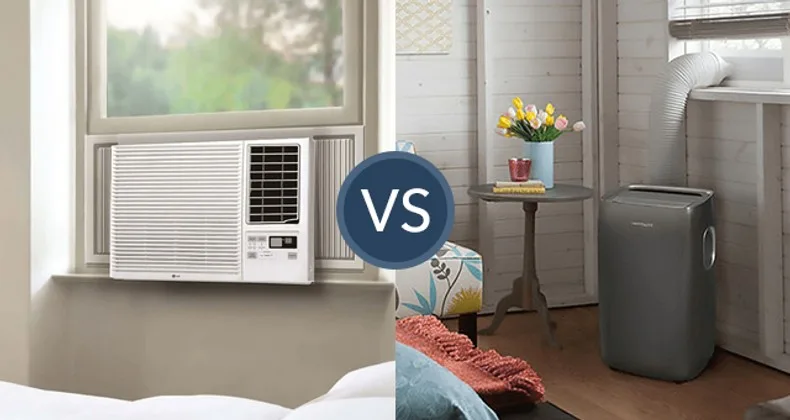
Image source: Bing (Web (fair-use with source credit))
The Decision Tree: What to Do Based on Your AC Type
Your AC type determines the best strategy. The decision tree below covers the four most common setups.
Central forced-air AC
If you have central air, place the purifier near the return air vent, 3 to 5 feet away. That gives the purifier access to mixed room air and lets the AC draw from the same space. Avoid putting the purifier directly under a supply vent.
The blast of cool air can trick the system into cycling unevenly.
Mini-split (ductless) AC
If you have a mini-split, treat the wall unit carefully. It has a temperature sensor built into its face. Keep the purifier at least 4 feet away and don't point it at the unit.
Otherwise the AC reads a false temperature and cycles too often.
Window AC
If you have a window unit, place the purifier in the center of the room, away from the AC's side intake grilles. This lets both machines draw from a mixed airflow pocket instead of competing at the window.
Portable AC
If you have a portable AC, check the hose count. Single-hose units create negative pressure, pulling unfiltered air in from outside. A dual-hose unit doesn't.
If you're stuck with single-hose, run the purifier on the opposite side of the room.
| AC Type | Works with purifier? | Best move |
|---|---|---|
| Central | Yes | Place purifier 3 to 5 ft from return vent |
| Mini-split | Yes | Keep purifier 4+ ft from wall unit |
| Window | Yes | Center of room, away from side intakes |
| Portable single-hose | Yes, but limited | Opposite side of the room. Pre-filter helps |
| Portable dual-hose | Yes | No special adjustment needed |
Where to Put Your Air Purifier So Both Run Efficiently
Placement is the difference between a setup that works and one that wastes electricity. Here's the checklist that covers every AC type.
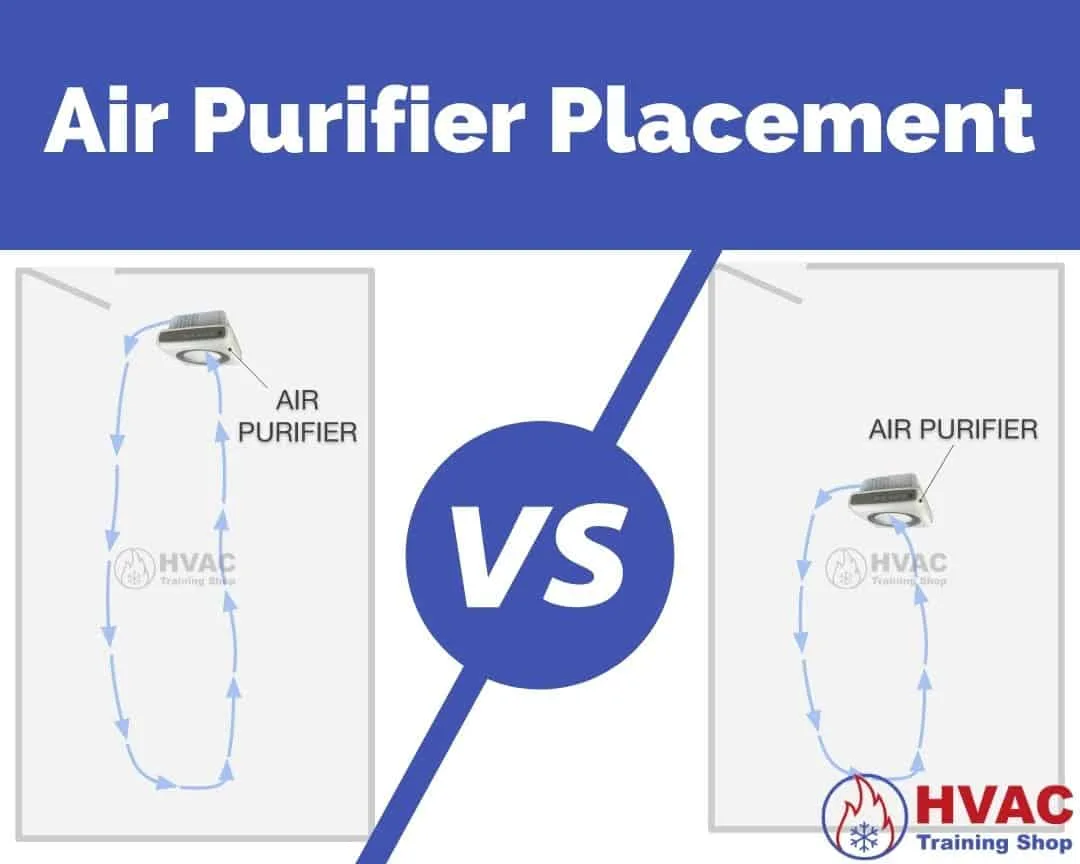
Image source: Bing (Web (fair-use with source credit))
Keep the purifier at least 3 feet away from walls and furniture. That's the standard distance that lets air flow into the intake properly. Wedging it into a corner means it just recirculates the same pocket of air.
Keep it 2 feet clear of any AC supply vent. Cool air pouring into the purifier's intake is wasted effort. That air is already conditioned.
You want the purifier pulling air from the rest of the room.
Keep it away from the thermostat. This is the one that silently inflates your energy bill. If the purifier's outflow hits the wall thermostat, the AC short-cycles.
Move the purifier so its outlet points into the room, not at the wall.
Don't park it in front of a return vent. In a central system, the return vent is that large metal grille pulling air into the ductwork. When the purifier sits too close, the AC pulls through the purifier's filter, adding resistance to the blower.
For a window or mini-split system, give the purifier open space on all sides and keep it off the floor if you have a tower model. A low table or even a sturdy shelf works well.
5 Mistakes That Waste Energy or Damage Your AC
Mistake 1: Aiming the purifier straight at the thermostat. The thermostat reads a localized temperature, so the AC thinks the room is cooler or warmer than it really is. Result: short cycling and higher bills. Turn the purifier so its outlet faces the center of the room.
Mistake 2: Blocking the AC's return vent. Setting the purifier in front of a large return grille forces the AC to draw air through the purifier's filter media. That adds resistance to the blower motor and can reduce system airflow. Keep at least 2 feet of clearance.
Mistake 3: Running a single-hose portable AC with the purifier in the same corner. The AC exhausts indoor air outside, creating negative pressure. The purifier ends up pulling dusty outside air through gaps around the window or door. Separate them to opposite sides of the room.
Mistake 4: Turning both machines to maximum in a small room. A tiny space gets over-conditioned, the AC short-cycles, and the purifier filters the same air over and over. Use medium or auto settings instead. You'll get the same air quality with less noise.
Mistake 5: Putting the purifier directly under a supply vent. Conditioned air blows straight into the purifier's intake, so the rest of the room never gets the benefit. Shift the purifier at least 3 feet away from any overhead or floor vent.
What This Combo Costs to Run (Real Numbers)
Running both units adds to your electric bill, but the purifier's share is small. A typical portable purifier on medium speed draws 30 to 60 watts. Over 10 hours a day, that's 0.3 to 0.6 kilowatt-hours (kWh).
At the US average rate of 16 cents per kWh, you're looking at about 5 to 10 cents per day.
Your AC uses far more. A window unit pulls 800 to 1500 watts, and a central system can draw 3000 to 5000 watts. Running the AC for 8 hours at 1000 watts costs roughly $1.28 per day.
The purifier's contribution is barely noticeable on the bill.
| Device | Power draw (watts) | Daily cost (10 hrs, $0.16/kWh) |
|---|---|---|
| Air purifier (medium) | 30–60 | $0.05–$0.10 |
| Window AC | 800–1500 | $1.28–$2.40 |
| Central AC (3 ton) | 3000–5000 | $4.80–$8.00 |
The real energy risk is wasted cooling from poor placement. If the purifier tricks the thermostat into short cycling, your AC runs 15 to 30 percent more. That wasted energy costs more than the purifier itself.
So follow the placement rules in section four, and you'll barely notice the purifier on your bill.
Filter replacement costs are separate. HEPA filters run $20 to $80 and last 6 to 12 months depending on usage and air quality. AC filters cost $10 to $30 and should be changed every 1 to 3 months.
If you run both, the AC filter may last slightly longer because the purifier catches more particulates first.
Keeping Both Units Running Well Long-Term
Maintenance is straightforward once you set up a routine. The purifier's pre-filter and the AC's foam or mesh filter are the two things that clog fastest. Check the purifier's pre-filter every two weeks.
Washable pre-filters can be rinsed under tap water. Disposable ones need replacing every 3 months.
The main HEPA filter in the purifier needs replacement according to the manufacturer's schedule, usually every 6 to 12 months. Some models have a filter life indicator that tracks runtime. Replace it when the indicator light turns on or you notice reduced airflow.
Change your AC filter every 1 to 3 months. This is more critical when running both units. A clean AC filter keeps the blower efficient and prevents frost buildup on the coils.
Seasonal adjustments work well. In summer when the AC runs daily, run the purifier alongside it. In winter, you can run the purifier alone on a lower fan setting. This extends the HEPA filter's life because the purifier works fewer hours overall.
Watch for noise changes. If the purifier's fan sounds strained, check for a clogged pre-filter. If the AC makes unusual sounds when the purifier is nearby, verify that nothing obstructs the AC intake or exhaust.
Keep both units at least 2 feet from curtains, furniture, or walls to maintain airflow. Over time, dust buildup on coils and fans reduces efficiency. A quick vacuum of the purifier's intake grille every month prevents heavy buildup.
Frequently Asked Questions
Will the purifier make my AC work harder?
No, not unless the purifier blocks airflow to the AC. If you position it more than 2 feet from any intake or supply vent, the AC runs normally. A well-placed purifier actually helps by trapping dust before it reaches the AC's coils.
Should I turn off the purifier when the AC cycles off?
You don't need to. Most purifiers sense air quality and adjust fan speed automatically. Letting it run continuously keeps particle levels low, so when the AC restarts, the air it moves is already cleaner.
No benefit to turning it off.
Can I use one purifier for a whole house?
Not effectively. A single purifier covers one room, usually the one it sits in. A central AC system moves air across rooms, but a portable purifier doesn't have that reach.
For whole-house coverage, look at an in-duct air cleaner that installs inside your HVAC system.
Does the purifier help with humidity?
No. Air purifiers remove particles, not moisture. Your AC handles dehumidification.
The two work independently. If you need humidity control, use a standalone dehumidifier or your AC's dehumidity mode.
How close can the purifier be to the thermostat?
At least 4 feet. Any closer, and the purifier's airflow can skew the thermostat reading, causing short cycling. If your thermostat is on a wall, place the purifier so its outlet points into the room, not toward the wall.
Will running both units cause electrical problems?
Not if the circuit is properly sized. Most standard household circuits handle 15 or 20 amps. A purifier uses 0.3 to 0.5 amps, and a window AC uses 7 to 12 amps.
Combined, that's well within limits. Never plug both into the same extension cord. Use separate outlets on the same circuit, and avoid daisy-chaining power strips.

Similar Posts