Can You Reinfect Yourself With Strep From Toothbrush
You just finished a round of antibiotics for strep throat. You feel better. Then you look at your toothbrush and wonder: Can you reinfect yourself with strep from toothbrush?
The short answer is no, it's highly unlikely. But the real story is a bit more interesting than that.
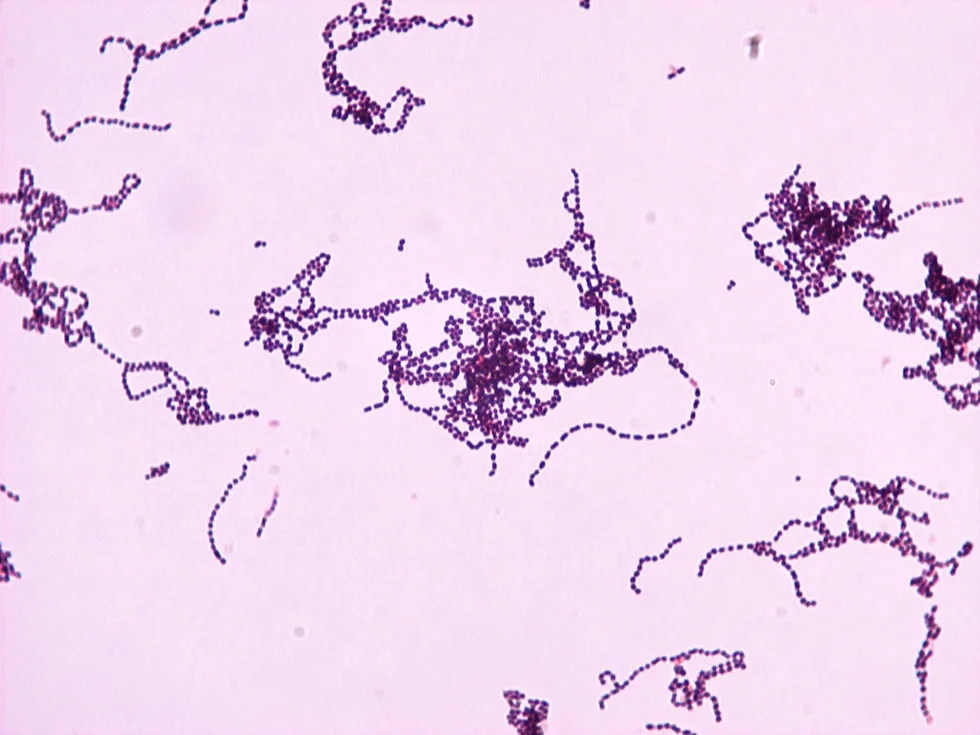
Group A Streptococcus (GAS) is the bacteria behind strep throat. It can survive on surfaces for a while. According to research published in the Journal of Clinical Microbiology, strep bacteria can live on dry toothbrush bristles for 8 to 48 hours.
That sounds alarming. But your body's immune system plays a much bigger role in reinfection than your toothbrush ever could. Let's walk through the science so you know what's worth worrying about.
Quick Answer
Reinfecting yourself from your own toothbrush is very unlikely. The bacteria die quickly on dry bristles. Your immune system also protects you after infection.
Focus on finishing your antibiotics instead. Replace your brush only if you want peace of mind.
The Core Answer: No, You Probably Won't Reinfect Yourself
Strep throat is caused by a specific strain of bacteria. Once you've had that strain, your body builds up antibodies against it. Those antibodies hang around for a while.
So even if you brush with a toothbrush that still has live bacteria, your immune system is ready to fight it off.
That doesn't mean you can't get strep again. It just means you won't get it from the same strain you just had. Reinfection with the same strain is rare within a few weeks.
It's much more likely that you'll catch a different strain from someone else in your household. Or that what feels like a new infection is actually the same one that never fully cleared up.
Image source: Bing (Web (fair-use with source credit))
Your toothbrush is not the villain here. It's a surface that can carry bacteria, but the bacterial load is tiny compared to what you'd get from a cough or a shared drink. The real risk comes from other people, not from your own bristles.
How Long Strep Bacteria Actually Survive on a Toothbrush
Let's talk numbers. Strep bacteria need moisture to survive. On a dry toothbrush bristle, they start dying off within hours.
After 24 hours, the number of live bacteria drops dramatically. After 48 hours, it's essentially zero.
The catch is that your toothbrush doesn't dry instantly. It stays wet for a while, especially if you store it in a closed container or a humid bathroom. That moisture gives bacteria a longer window to survive.
Even in a humid bathroom, the bacteria don't last beyond 48 hours.
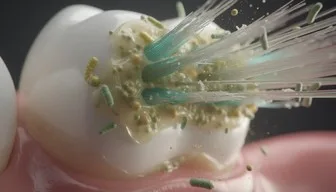
Image source: Bing (Web (fair-use with source credit))
| Condition | Bacterial Survival Time |
|---|---|
| Dry bristle | 8 to 24 hours |
| Moist bristle | 24 to 48 hours |
| In a closed container | Up to 48 hours |
If you're on day 3 of antibiotics and you've been rinsing your brush and letting it air dry, the bacteria are probably already dead. You don't need to panic. You don't need to toss the brush.
Just let it dry properly.
The Real Culprit: Relapse vs Reinfection vs Carrier State
Most people think they got reinfected from their toothbrush. The real issue is usually something else. Let's break down what actually happens.
Relapse means the same infection never fully cleared. You took antibiotics, but maybe you stopped too early. Or the bacteria were resistant to the antibiotic.
Either way, the sore throat comes back with the same strain.
Reinfection means you caught a new strain from someone else. This happens most often in households with kids. Kids can carry strep without symptoms.
They pass it to you. You think it's your toothbrush, but it's actually your kid.
Carrier state is when you have strep bacteria in your throat but no symptoms. You're not sick. You're not contagious.
But you can still test positive on a strep test. Many people who think they have recurrent strep are actually carriers. The bacteria are there, but they're not causing illness.
| Condition | What Happens | Is It Your Toothbrush? |
|---|---|---|
| Relapse | Same infection returns | No |
| Reinfection | New strain from others | No |
| Carrier state | Bacteria present, no symptoms | No |
The toothbrush is a distraction. The real causes of recurrent strep are incomplete treatment, new exposures, or carrier status.
When You Should Replace Your Toothbrush (and When It's Fine)
Let's be practical. You don't need to replace your toothbrush after every illness. But there are a few clear situations where it makes sense.
Replace your toothbrush if:
- You shared it with someone else (never share toothbrushes)
- You have a weakened immune system
- You're still sick after finishing antibiotics
- The bristles are worn or frayed (normal replacement cycle)
You can keep your toothbrush if:
- You finished your full course of antibiotics
- You're feeling better
- The brush is in good condition
- You let it dry completely between uses

Image source: Web (Bing) / duuren.life (Web image (fair-use with source credit))
The CDC guidelines for strep throat recommend finishing the full course of antibiotics. They don't specifically recommend replacing your toothbrush. The American Dental Association says to replace your brush every three to four months.
That's the standard advice.
If you want to be extra cautious, you can replace your brush after you finish your antibiotics. But it's not medically necessary. The bacteria are dead by then.
The risk is close to zero. If you're still getting strep throat repeatedly, look at your household, not your toothbrush.
Research shows that replacing your toothbrush after every illness does not reduce the frequency of reinfection. It's a harmless habit, but it's not a solution. The real solution is understanding the difference between relapse, reinfection, and carrier state.
How to Sanitize a Toothbrush If You Want to Keep It
Maybe you don't want to toss your brush. Maybe it's a good electric toothbrush head that costs real money. Or maybe you just want to be extra careful.
You can sanitize it without replacing it.
Boiling water works well. Drop the brush head in boiling water for about three minutes. Let it cool.
That's it. The heat kills the bacteria. Just don't boil electric toothbrush heads.
The heat can damage the plastic and the internal seal.
Hydrogen peroxide is another option. Soak the bristles in a 3% hydrogen peroxide solution for 10 minutes. Rinse thoroughly.
Hydrogen peroxide is a strong oxidizer. It breaks down bacterial cell walls. It's cheap and easy to find at any drugstore.
| Sanitization Method | Time Needed | Safe for Electric Heads |
|---|---|---|
| Boiling water | 3 minutes | No |
| 3% hydrogen peroxide soak | 10 minutes | Yes |
| UV sanitizer | 10 minutes | Yes |
| Dishwasher (top rack) | Full cycle | No |
UV sanitizers are popular. They work, but they're not necessary. A simple soak in hydrogen peroxide does the same job for pennies.
The most important thing is letting your brush dry completely between uses. Bacteria need moisture. A dry brush is a clean brush.
Common Mistakes That Keep Strep Circulating in Your Home
This is where most people accidentally keep strep alive. It's not the toothbrush. It's the small everyday habits.
Sharing cups and water bottles is a big one. You drink from a glass. The bacteria get on the rim.
Someone else drinks from the same glass. That's how strep spreads. It's not through the air.
It's through direct contact with saliva.
Lip balm is another hidden carrier. You apply it while you're sick. The bacteria get on the balm.
You use it again after you recover. Or someone else uses it. That's a direct transfer.
Toss the lip balm after a strep infection. It's cheap to replace.
Kissing is obvious but worth mentioning. You kiss your partner or your child. You share bacteria.
That's how strep moves through a household. If one person has strep, the whole family is at risk. The real transmission happens through close contact.
Here are the most common mistakes we see:
- Stopping antibiotics early because symptoms improve
- Sharing towels or washcloths during illness
- Not washing hands after touching your face or mouth
- Reusing the same lip balm or lip gloss
- Letting a child share a straw or water bottle
The fix is simple. Finish your antibiotics. Don't share personal items.
Wash your hands. And stop worrying about your toothbrush. It's not the problem.
Frequently Asked Questions
Can I get strep from my own toothbrush after I recover?
No. Your immune system has antibodies against that specific strain. Even if live bacteria are on the brush, your body will fight them off.
The risk is close to zero.
How long does strep live on a toothbrush?
Strep bacteria can survive 8 to 48 hours on toothbrush bristles. The exact time depends on moisture. Dry bristles kill bacteria faster.
Moist bristles give them a longer window.
Should I throw away my toothbrush after strep throat?
You don't have to. It's not medically necessary. If you want peace of mind, replace it after you finish your antibiotics.
But it won't prevent reinfection.
Can you get strep twice in a row?
Yes, but it's not common. What feels like a second infection is often a relapse of the same infection. Or it's a new strain from someone else in your household.
Why do I keep getting strep throat?
If you keep getting strep, you might be a carrier. Carriers have the bacteria in their throat but no symptoms. They can pass it to others.
Or you might be around someone who is a carrier. Talk to your doctor about a throat culture.
Is it safe to use a UV sanitizer on my toothbrush?
Yes, UV sanitizers are safe. They kill bacteria effectively. But they're not necessary.
A simple hydrogen peroxide soak works just as well. The most important thing is drying your brush between uses.
The Bottom Line: What Actually Matters
You don't need to worry about reinfecting yourself from your toothbrush. It's not a real risk. The science is clear.
Your immune system, the short survival time of the bacteria, and the low bacterial load on a toothbrush all make reinfection from your own brush extremely unlikely.
What matters more is finishing your full course of antibiotics. That's the number one thing you can do to prevent relapse. The second thing is understanding that strep spreads through close contact, not through your toothbrush.
If you keep getting sick, look at your household. Look at your habits. Look at your lip balm.
The toothbrush is a red herring. It's an easy thing to blame. But the real answers are in your immune system, your treatment, and your environment.
Focus on those. Your toothbrush will be fine.

Similar Posts