Do Air Fryers Make Food Crispy
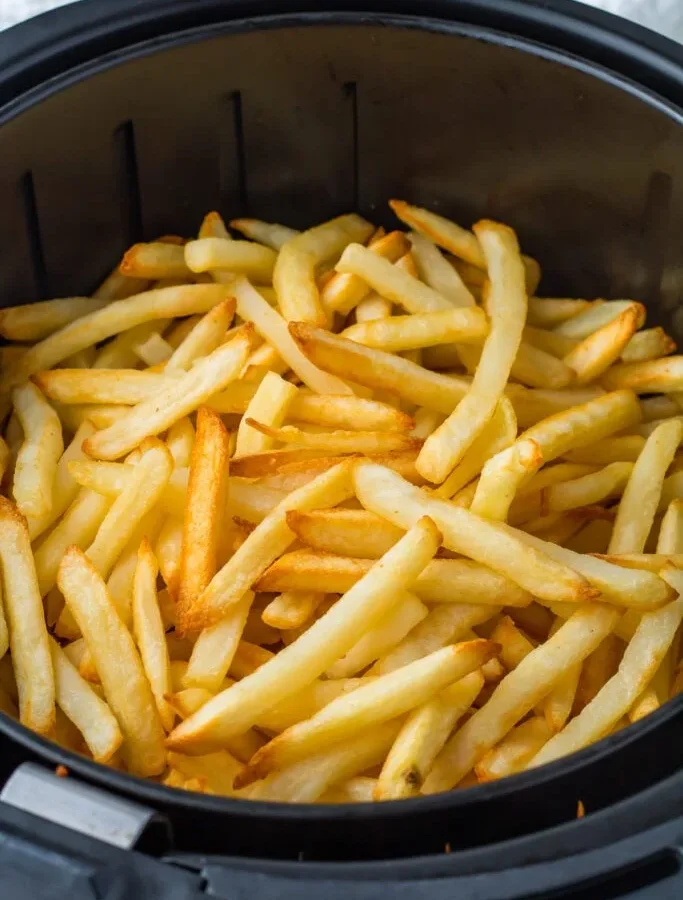
Let's answer the big one right now: do air fryers make food crispy? Yes, they can, but not automatically. The golden, crackling results you see in ads depend on how you prep ingredients, how you load the basket, and what you pick to cook in the first place.
The technology is genuinely solid. Air fryers combine high heat, between 180°F and 400°F, with a powerful fan that circulates hot air aggressively. USDA data confirms you can get crispy texture with roughly 70 to 80 percent less oil than deep frying.
The machine gets you most of the way. The rest is technique.
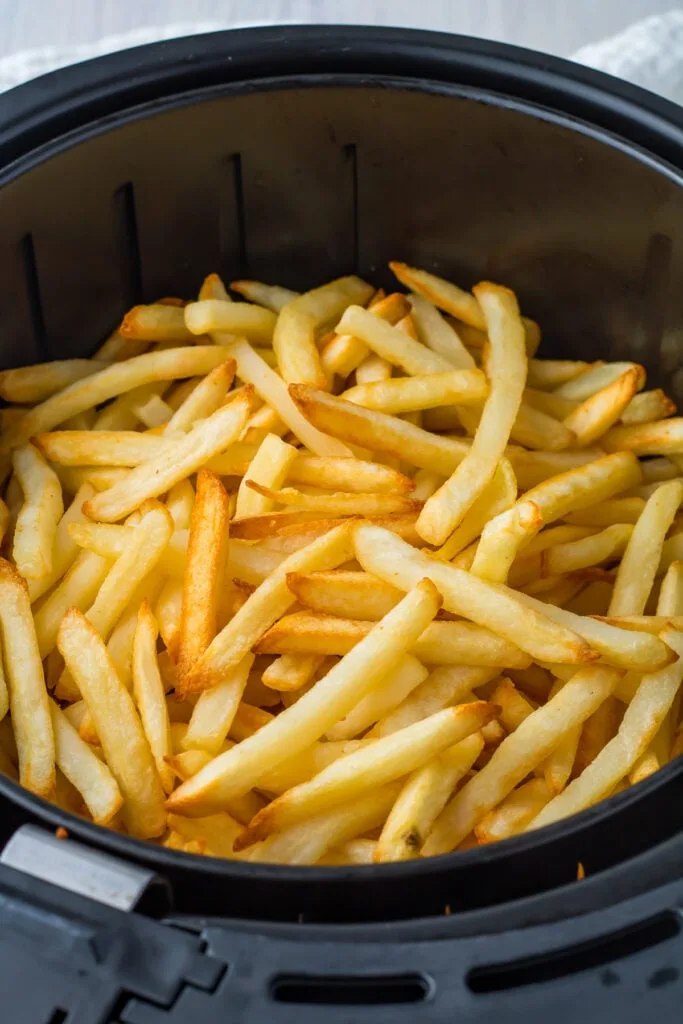
Image source: Bing (Web (fair-use with source credit))
Quick Answer
Do air fryers make food crispy? Yes. Rapid hot air dries surfaces and drives browning.
Add a light oil coat. Don't overcrowd the basket. Technique matters more than the machine.
The Real Answer: Why Some Food Turns Out Crispy and Some Doesn't
The difference between crispy and soggy comes down to one core factor: surface moisture. An air fryer is essentially a compact convection oven. A powerful fan pushes hot air across every exposed surface, evaporating moisture at the food's outer layer.
Once that layer dries, heat triggers the Maillard reaction, the chemical browning that creates a crisp crust.
Not all foods cooperate with this process. Fresh vegetables release water as they cook. Wet batter drips and steams before it can brown.
Frozen food carries a thin ice glaze that quickly becomes steam. These moisture sources fight the drying process. The result is soft food instead of crunchy.
Temperature stability also matters. Most air fryers perform best between 375°F and 400°F. Opening the basket repeatedly, loading too much cold food at once, or skipping preheat drops the temperature.
When heat drops, cooking turns into steaming. Steam is the enemy of crunch.
Manufacturer specifications confirm that wattage plays a role as well. Higher-wattage models, around 1500 to 1800 watts, recover heat faster after food is added. Spend less time in the steam zone, and you spend more time in the browning zone.
What Actually Creates the Crunch: The 4 Variables That Decide It
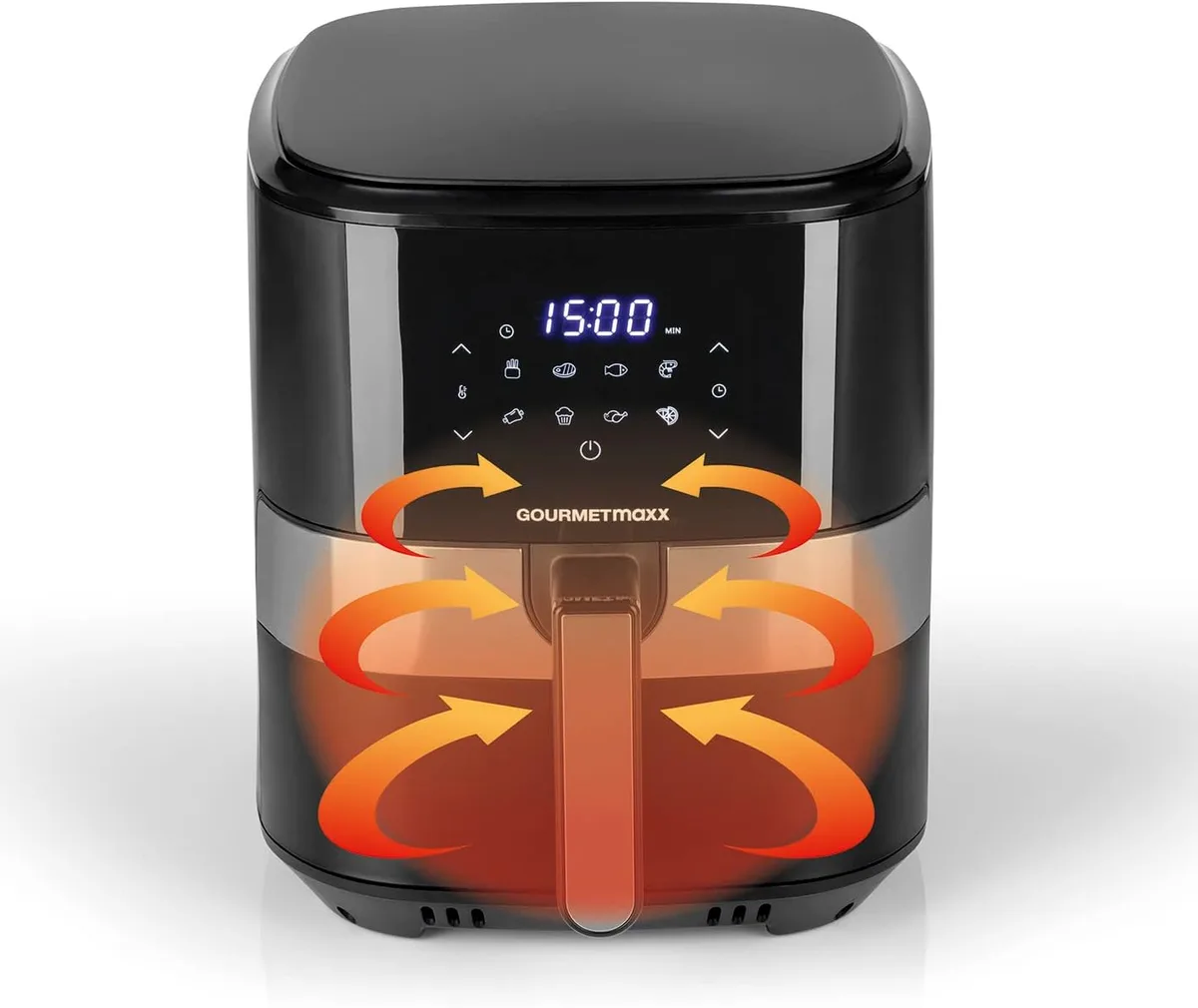
Image source: Web (Bing) / manuals.plus (Web image (fair-use with source credit))
Four variables determine whether your food emerges crisp or limp. Master all four, and you can make almost any air fryer perform well.
1. Airflow Contact
The fan is the engine of the machine. Hot air must reach every exposed surface. If food sits stacked, the hidden sides stay moist and soften.
Arrange pieces in a single layer with space around each one.
2. Oil Quantity and Type
You need some oil, but not much. One to two teaspoons per serving is usually enough. Oil transfers heat efficiently and encourages even browning.
Choose high smoke point oils like avocado or canola.
3. Food Surface Condition
The drier the surface going in, the crispier the result coming out. Pat raw vegetables dry before cooking. Let frozen food sit at room temperature for five minutes so the ice glaze melts.
Blot marinade residue off meat. This one habit fixes more soggy batches than any other change.
4. Temperature and Timing
Too low, and food dries out without browning. Too high, and the exterior burns while the center stays raw. Frozen fries need 400°F.
Chicken wings perform best at 380°F. Fresh vegetables crisp nicely at 375°F.
| Variable | What It Does | How to Adjust |
|---|---|---|
| Airflow contact | Determines how much surface gets dried | Single layer, no overcrowding |
| Oil quantity | Helps heat transfer and browning | 1 to 2 teaspoons, high smoke point |
| Surface condition | Controls initial moisture level | Pat dry, remove ice glaze |
| Temperature | Drives the Maillard reaction | 375 to 400°F depending on food |
Decision Guide: Pick Your Food Type, Get the Right Technique
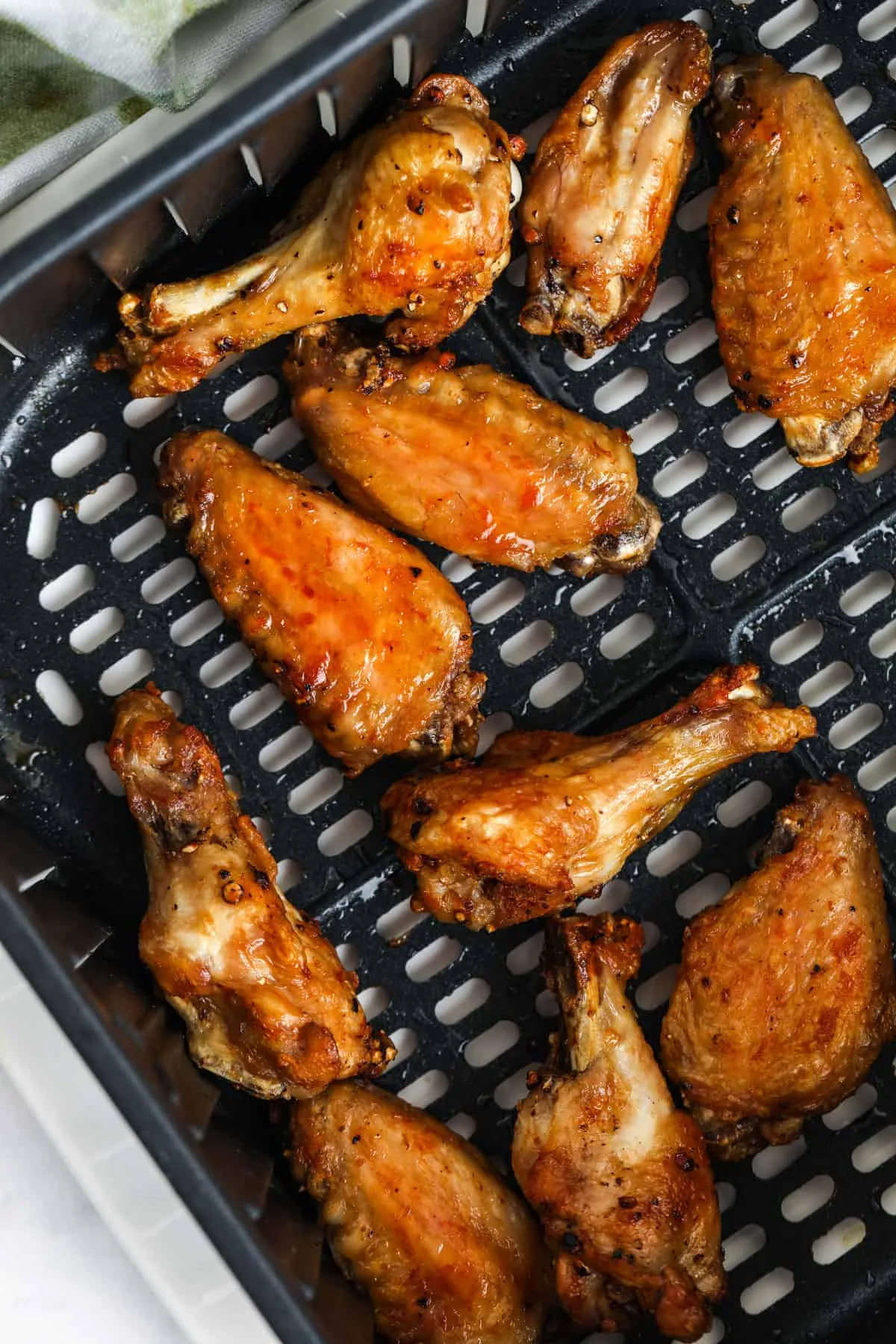
Image source: Web (Bing) / easylowcarb.com (Web image (fair-use with source credit))
Frozen Foods
Frozen fries, nuggets, and fish sticks are the easiest foods to crisp. Their coatings are designed to brown. Do not thaw them first.
Put them in frozen, spray lightly with oil, and cook at 400°F. Shake the basket halfway through.
Fresh Vegetables
Fresh vegetables are the hardest category because they are full of water. Cut them into uniform pieces. Pat them dry with a kitchen towel.
Toss with just enough oil to coat. Add salt after cooking, not before, since salt pulls moisture to the surface.
Chicken Wings and Drumsticks
Chicken skin crisps beautifully because it carries its own fat. Pat the skin dry with paper towels. Toss with a little oil and seasonings.
Arrange skin side up in a single layer. Cook at 380°F for 20 to 25 minutes. Flip halfway.
For safety, use a thermometer and confirm the internal temperature reaches 165°F per the USDA's Food Safety and Inspection Service.
Battered Foods
Wet batter does not work well in an air fryer. It drips through the basket and steams. Use a dry coating instead.
Flour, cornstarch, or panko breadcrumbs adhere well and crisp reliably. For gluten-free options, rice flour and potato starch work nicely.
Reheating Leftovers
This is where air fryers truly shine. Pizza, fried chicken, and french fries reheat with restored crispness. A microwave produces steam and softens everything.
Reheat at 350 to 375°F for three to five minutes. Check frequently.
The "Not Crispy" Fixer: Step-by-Step Fixes for Common Failures
Soft results do not mean the air fryer is defective. Walk through this sequence when a batch disappoints.
Step 1: Check the Basket Load
If pieces touch or stack, that is the issue. Air needs room to circulate. Remove half the batch and cook in two rounds.
Smaller batches produce better crispness.
Step 2: Add Oil
No oil at all almost always means soft food. The Maillard reaction needs some fat to transfer heat efficiently. Even a light misting makes a big difference.
Use a spray bottle or pump mister for even coverage.
Step 3: Raise the Temperature
Cooking under 350°F tends to dehydrate rather than crisp. Bump it to 380°F or 400°F. Higher heat drives off surface moisture faster and triggers browning sooner.
Step 4: Shake or Flip Midway
Every air fryer has hot spots. The side nearest the heating element gets more heat. Shaking the basket or flipping pieces halfway through redistributes them.
Most recipes benefit at the five to eight minute mark.
Step 5: Finish Without the Basket
For stubborn food, remove the basket for the final two minutes. Place pieces directly on the rack or tray if your model allows. The underside gets direct airflow.
This can rescue a nearly finished batch.
Step 6: Dry the Surface Before Cooking
Pat everything dry before it goes in. For potatoes, soak them in cold water for 30 minutes and dry thoroughly to remove excess starch. For chicken, pat the skin dry and rest it uncovered in the fridge for an hour if time allows.
Step 7: Use a Binder
Tofu, cauliflower, and zucchini benefit from a light dusting of cornstarch or potato starch. The starch absorbs surface moisture and browns quickly. Dust lightly and shake off excess before adding oil.
Step 8: Adjust Cook Time
Undercooked food cannot crisp because moisture has not had time to evaporate. Add three to five minutes and check again. For meat, use a thermometer.
For produce and frozen items, visual browning is your guide.
| Symptom | Likely Cause | Quick Fix |
|---|---|---|
| Soggy bottom | Too much food in the basket | Cook single layer, in batches |
| Pale, soft exterior | No oil | Spray or toss with oil |
| Burnt outside, raw inside | Temperature too high | Lower to 375°F, extend time |
| Uneven crispness | No shake or flip | Shake every 5 to 8 minutes |
| Chewy and tough | Overcooked | Reduce time by 3 to 5 minutes |
Common Mistakes That Kill Crispiness (and How to Avoid Them)
Overcrowding the Basket
This is the most common reason for soggy results. When the basket is packed, air cannot reach every surface. Moisture lingers, and food steams.
Cook in smaller batches and stagger rounds when needed.
Skipping the Oil Entirely
Many people buy an air fryer to use less oil, then cut it out completely. That is a mistake. You only need a small amount, but the Maillard reaction requires some fat for proper browning.
A light mist of avocado or canola oil transforms the final texture.
Not Preheating
Cold food hitting a cold basket produces a slow start. The food steam-cooks before crisping ever begins. Most models need three to five minutes.
Let the empty basket run while you prep your ingredients.
Adding Sauces Too Early
Sweet sauces burn before food can crisp. Sugar chars at high temperatures. Barbecue sauce and honey glaze turn sticky and bitter when added too soon.
Apply them only in the final two to three minutes.
Using Wet Batters
Traditional batter drips through the basket and creates a mess. The coating also stays soft without full oil immersion. Dry coatings are the better choice.
Seasoned flour, cornstarch, and panko provide the texture you want.
Quick Answers to Common Crispy Questions
Why isn't my air fryer making food crispy?
The most common cause is overcrowding. Food that touches or stacks steams instead of crisping, because the hot air never reaches the entire surface. Check your basket load first.
Then confirm you used at least a light oil coating. Most soft batches trace back to one of these two issues.
Do I need to preheat my air fryer?
Yes. A cold basket makes the temperature drop the moment you add food. That drop creates a steaming phase that softens the exterior before browning starts.
Most models need three to five minutes to reach their target. Let the empty basket run while you prep.
What is the best oil for air fryer crispiness?
Choose oils with a high smoke point. Avocado, canola, peanut, and grapeseed oils all handle high heat without burning. Use extra virgin olive oil sparingly, since it can smoke and turn bitter at 400°F.
One to two teaspoons per serving is plenty.
Can I make air fryer food crispy without oil?
Yes, but with limits. Dry items like tortilla chips and leftover fries crisp up reasonably well. High-moisture foods like chicken and fresh vegetables need some fat to brown properly.
Without it, you get a dry, leathery exterior instead of crunch.
Why does my food come out dry instead of crispy?
That usually means the surface moisture evaporated before browning had a chance to occur. The food dehydrates instead of crisping. Raise the temperature to 375°F or higher and shorten the cook time.
Check earlier and more often to catch the food at the right moment.
Final Verdict: When an Air Fryer Is the Right Tool for Crunch
An air fryer earns its place for specific jobs. It reheats leftovers beautifully. It turns frozen snacks into crisp treats.
It makes chicken wings with genuinely crackling skin. In these situations, it beats the microwave and often outperforms a full-size oven.
It does not replace a deep fryer. Fresh battered fish and beer-battered onion rings will disappoint. Those need full oil immersion.
Expecting identical results will only frustrate you.
Our research shows that most crispiness problems come from technique, not hardware. Master the four variables, and the machine rewards you. Give it space, a light oil coating, dry surfaces, and the right temperature.
As of 2026, air fryer technology has matured into a reliable kitchen tool. Wattage and basket size still vary by model, but the core physics has stayed consistent. The crunch is absolutely within reach.
It just needs a little preparation, a little patience, and one good shake.

Similar Posts