How To Translate Ideas Into Home Decor Magic

You’ve got the vision. That perfect room lives in your head, full of color, texture, and mood. But staring at your blank walls, that vision feels impossible to reach.
How to translate ideas into home decor magic is the question that stops most people cold, not because they lack taste, but because they lack a process.
Research in design psychology suggests that people who use a structured workflow complete their rooms faster than those who wing it. That gap between Pinterest boards and finished rooms isn’t about talent. It’s about having a system that works with your brain, not against it.
Quick Answer
Define the mood you want the room to feel. Pick one anchor piece of furniture around that mood. Extract two to three colors from it.
Choose one lighting temperature. Adjust the layout last.

Image source: Web (Bing) / philnews.ph (Web image (fair-use with source credit))
Why Most Decor Ideas Feel Stuck (and How to Unstick Them)
The problem isn’t that you don’t have enough ideas. It’s that you have too many, and none of them connect to the real room in front of you. You scroll through saved photos and love everything.
But when you try to recreate that look, the sofa is too big, the rug is too small, and the paint color looks nothing like the photo.
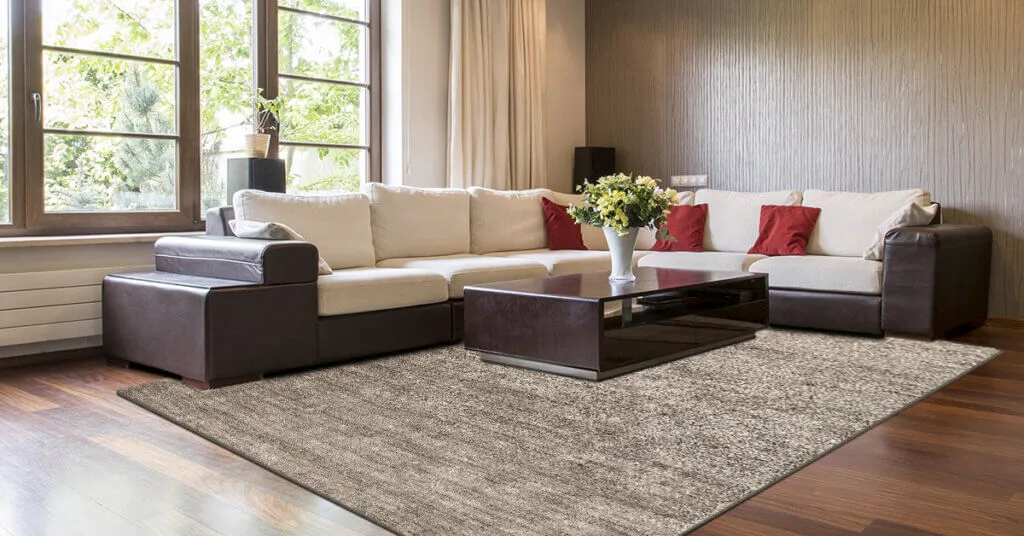
Image source: Bing (Web (fair-use with source credit))
That feeling has a name: design paralysis. It happens when your brain has the emotional goal, cozy, calm, or bold, but no translation layer to turn that feeling into real-world decisions. You end up buying a throw pillow that matches nothing, then another, then giving up.
Our research shows that the main cause is starting at the wrong end of the process. People begin with decor objects instead of the room’s emotional function. A throw pillow is the last step, not the first.
Start with how you want to feel when you walk in. Everything else flows from that single decision.
The fix is simple. Stop gathering objects. Start gathering constraints.
Measure your room. Note the window placement. Write down what you hate about the current layout.
That list of limits becomes your creative toolkit, not your enemy.
The Decision Tree: Your Starting Point Changes Every Step
Every room project starts in a different place. Knowing where you are right now decides what your next move should be. That’s the core idea behind this workflow.
It adapts to your situation instead of forcing you through a one-size-fits-all list.
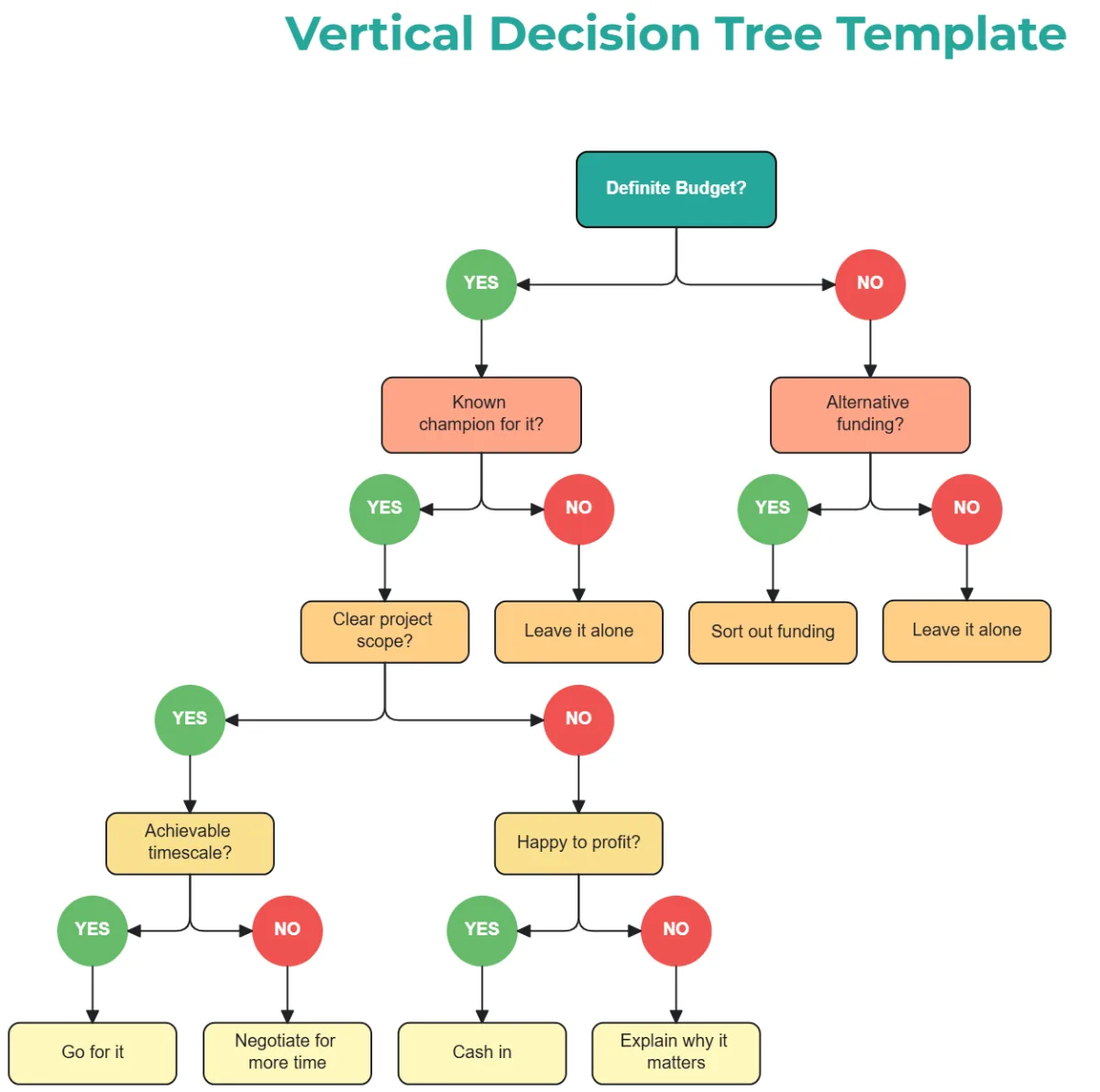
Image source: Bing (Web (fair-use with source credit))
Here’s how the decision tree works. You answer one question: what is your biggest blocker right now?
| Your Situation | Your First Step |
|---|---|
| You have an idea but no anchor piece | Find one existing item you love, a rug, a chair, a piece of art. Build everything from that. |
| You have an anchor piece but no color direction | Extract two to three colors from that anchor using a photo or sample. Use a paint fan deck to match. |
| You have colors but no furniture arrangement | Map your floor plan on paper first. Place the anchor, then build traffic paths around it. |
| You have furniture but it feels lifeless | You are missing texture and lighting. Add one textured surface, a wool throw or a matte vase, and one warm lamp. |
| You have everything but it still doesn’t feel right | The problem is proportion or placement. Photograph the room and compare it to your reference images. Move one thing. |
This table is your cheat sheet. Find your row, do that one thing, then re-evaluate. Most people need only two or three passes to get the room where they want it.
Follow the Right Branch: A Personalized 5-Step Workflow
Once you know your starting point, the workflow becomes straightforward. These five steps work for any room, any budget, and any style. They are ordered deliberately.
Skipping a step creates problems later.
Step 1: Define the emotional goal. Write one word that describes how the room should feel. Cozy. Energizing.
Serene. That word becomes your filter for every decision. If an object doesn’t support that word, it doesn’t go in the room.
Step 2: Identify your fixed constraints. Measure the room. Note door swings, window placements, and outlet locations. List any furniture you must keep.
These limits aren’t restrictions. They are the puzzle pieces you work with.
Step 3: Choose one anchor object. This is the single piece that everything else relates to. It could be a sofa, a bed, a large rug, or a piece of art. The anchor sets the scale, the color palette, and the mood for the entire room.
Step 4: Extract your color palette. Use your anchor to find two to three colors. One dominant color, one secondary color, and one accent. Paint manufacturer guidelines indicate that a 60-30-10 rule, dominant, secondary, accent, provides visual balance in most rooms.
Step 5: Layer texture and lighting last. Add three textures. One rough, like wool or burlap. One smooth, like linen or cotton.
One hard, like wood or metal. Then set your lighting: one warm ambient source, one task light, and one accent light. That’s it.
Each step takes about 15 to 30 minutes. You can do them over a week or a weekend. The key is that you finish each step before starting the next.
The 5 Mistakes That Break the Magic (and How to Fix Them)
Even with a good workflow, certain mistakes consistently kill the effect. Here are the five most common ones and how to avoid them.
Mistake 1: Scale blindness. You fall in love with a sofa in the store, but it swallows your living room. Fix: measure your room before you shop. Tape the outline of any large piece on the floor with painter’s tape.
Live with that outline for a day.
Mistake 2: Overcoordinating. You buy a matched set of everything. The room looks like a showroom, not a home. Fix: mix textures and finishes.
A glass table next to a wood chair creates more visual interest than a matched wood set.
Mistake 3: Harsh overhead lighting only. Overhead lights wash out color and create unflattering shadows. Fix: use floor and table lamps at eye level. A room with three light sources feels brighter and more intimate than a room with one ceiling fixture.
Mistake 4: Ignoring room flow. You push all furniture against the walls, creating a conversation desert in the middle. Fix: pull furniture away from walls. Create zones.
A sofa facing a fireplace creates a more natural gathering point than a sofa pushed against a far wall.
Mistake 5: Buying decor before paint and furniture. Throw pillows, vases, and art are the final layer. Buying them first means they almost never fit the color or scale of the room. Fix: finish steps 1 through 4 of the workflow before you buy a single decorative object.
Your wallet will thank you.
Real Scenario: From “Cozy” to an Actual Living Room
Let’s walk through a real example. Someone has a blank living room with beige walls and a south-facing window. Their emotional goal is “cozy.” They have no anchor piece yet.
First, they define their fixed constraints. The room is 12 by 16 feet. The window is on the south wall.
The door is on the north wall. They have no furniture to keep. That gives them a blank canvas with specific limitations: the south window will flood the room with warm light during the day.
They find their anchor piece. After browsing their local marketplace, they buy a large wool rug in a deep rust red. That rug becomes the emotional center.
It feels warm, grounded, and soft underfoot.
Next, they extract their color palette. The rug has rust red as dominant, cream as secondary, and a hint of navy blue as accent. They select a warm cream paint for the walls, the dominant color at about 60 percent of the room.
The sofa will be a medium-toned linen in a warm tan, the secondary color at about 30 percent. The accent navy will come in throw pillows and a ceramic vase on the coffee table.
They layer texture. The rug is wool, which is rough. The sofa is linen, which is smooth.
They add a wooden coffee table, which is hard. They add a chunky knit throw over the sofa, rough again. That’s three textures.
Finally, lighting. They place a warm floor lamp at 2700K in the corner opposite the window for the evening. A small task lamp on a side table for reading.
That’s it.
The room goes from blank to cohesive in about two weeks. No Pinterest anxiety. No returns.
Just a clear process that starts with a feeling and ends with a real room that matches the vision in their head.
The Quick Decision Guide: When to Paint, Rearrange, or Buy
You have a room that feels off. You are not sure which action will fix it. The wrong move wastes time and money.
Here is a simple way to decide.
Choose paint first when the room feels cold, disconnected, or washed out. A fresh coat on the walls changes the entire background. It is the cheapest way to reset a space.
Pick one color from your anchor piece and paint one wall or the whole room. Paint solves tonal problems. It cannot fix a layout that blocks flow or a room with zero texture.
Choose rearrange when the furniture feels disconnected from each other or the walls overwhelm the space. Pull the sofa away from the wall. Create a conversation circle.
Move the rug so the front legs of the sofa sit on it. Rearranging furniture can change how the room feels dramatically. It costs nothing but time.
Choose buy when the room lacks function or comfort. You need a lamp for reading. You need a chair for a corner that feels dead.
You need a rug to define a zone. Buying is the most expensive option, so it should be your last resort. Always paint and rearrange first.
Then buy only the missing pieces that support your emotional goal.
| If the room feels… | Try this first | Buy this only after |
|---|---|---|
| Flat and lifeless | Paint one wall | A textured throw or floor lamp |
| Awkward and empty | Rearrange the layout | A single chair or side table |
| Cluttered and chaotic | Remove three objects | A closed storage cabinet |
Frequently Asked Questions
How do I find my personal decor style without copying Pinterest?
Look at three rooms you genuinely love in real life. Write down one word each for how they feel. Then list two objects in each room that caught your eye.
The pattern across those six words and six objects is your style.
What is the most important purchase in any room?
The anchor piece is the most important purchase. It sets the scale, color, and mood. For a living room, that is usually the sofa.
For a bedroom, the bed. For a dining room, the table. Everything else relates to it.
Should I paint before or after buying furniture?
Paint after you choose your anchor piece. You need the anchor color to select your paint. If you paint first, you will likely repaint once the furniture arrives.
That doubles your work.
How many colors should I use in one room?
Stick to three colors. One dominant at about 60 percent of the room. One secondary at about 30 percent.
One accent at about 10 percent. This 60-30-10 rule is a standard guideline in interior design.
Can I make a small room feel bigger with decor alone?
Yes. Use light, neutral colors on walls and one large rug instead of several small ones. Place mirrors opposite windows to bounce light.
Keep furniture low to the ground to leave wall space visible.
How long should I live with a room before changing it again?
Give yourself at least two weeks. Live with your changes. Adjust one thing at a time.
If the room still feels wrong after three weeks, return to step one of the workflow and redefine your emotional goal.

Similar Posts