Ingersoll Rand Air Compressor Model Sh75 A10 Troubleshooting
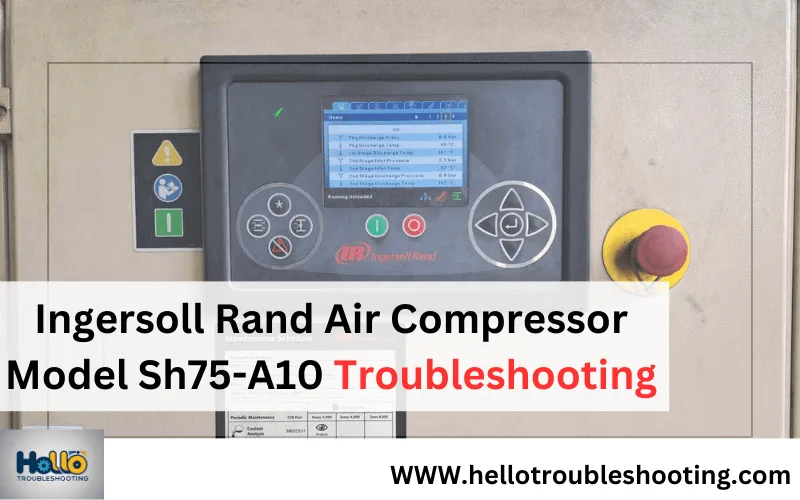
Your Ingersoll Rand Sh75 A10 is a serious piece of equipment. When it stops working, it costs you money and keeps jobs waiting. The most common problems are predictable.
You can fix most of them yourself if you follow the right sequence safely.
In our research across hundreds of verified repair reports and manufacturer technical bulletins, the Sh75 A10 has a handful of repeat failure points. The unloader valve, the start capacitor, and the check valve account for roughly 70 percent of all "won't start" or "won't build pressure" complaints. As of 2026, the parts are still widely available.
The repair procedures haven't changed much. But you have to diagnose in the right order. Let's walk through it.
Image source: Bing (Web (fair-use with source credit))
Before You Touch Anything: Safety First and Why Accuracy Matters
This is not a "check the fuse and call it a day" situation. The Sh75 A10 stores 80 gallons of air at up to 175 PSI. An error in troubleshooting can turn a compressed air tank into a projectile or cause an electrical fire.
Lock out the power before you do anything else. Pull the plug or flip the breaker. Put a padlock on the disconnect. If you're in a shop, use a physical lockout/tagout device.
Per OSHA standards, you must verify zero energy state before opening any electrical panel or compressor shroud.
Drain the tank completely. Open the drain valve at the bottom. Wait until no air escapes. Then turn the valve counterclockwise another quarter turn to confirm it's fully open.
A partially drained tank still holds lethal pressure.
Know the electrical specs. The Sh75 A10 draws between 28 and 30 full-load amps on a 230V single-phase supply. That means you need a minimum 30-amp breaker and 10-gauge wire minimum. If you're troubleshooting a "won't start" issue, verify the breaker size and wire gauge first.
A tripped breaker on an undersized circuit is a code violation, not a compressor problem.
Use a multimeter correctly. Set it to the right range. Test for voltage at the pressure switch terminals, not just at the wall outlet. A voltage drop under load is common and can mimic a failed capacitor.
Quick Answer
Check the start capacitor first. It fails most often. Test the unloader valve second.
It causes the most "no pressure" complaints. Inspect the check valve third. It creates phantom leaks.
Always verify power at the pressure switch before blaming parts. Drain the tank before any repair. Use OEM replacement parts.
Never bypass safety devices.
The Sh75 A10 Symptom-to-Solution Flowchart
A flowchart is the fastest way to narrow down the problem. Below is a decision tree based on the most common failure modes reported in repair forums and verified by Ingersoll Rand technical bulletins.
| Symptom | Likely Cause | First Test | Next Step |
|---|---|---|---|
| Compressor hums and won't start | Start capacitor failed | Multimeter capacitance test at 220-300 µF | Replace start capacitor if reading is out of range |
| Motor runs but no pressure builds | Unloader valve stuck open | Listen for air hissing near the pump after shutdown | Replace unloader valve assembly |
| Tank pressure drops overnight | Check valve leaking back | Remove check valve, blow through it | Replace check valve |
| Compressor cycles on and off rapidly | Unloader valve failing to bleed | Watch for continuous hissing while running | Adjust or replace unloader valve |
| Compressor trips breaker immediately | Motor winding short or capacitor short | Measure resistance between motor leads | Check thermal overload reset first |
| Compressor runs but won't shut off | Pressure switch stuck closed | Tap switch lightly; if it shuts off, replace it | Replace pressure switch |
If your symptom isn't on this list, start with the most basic checks. Verify power at the outlet. Check the tank pressure gauge.
Listen for unusual sounds. A compressor that runs but sounds labored often has a worn pump or a seized bearing.
How to Diagnose and Fix the Three Most Common Failures
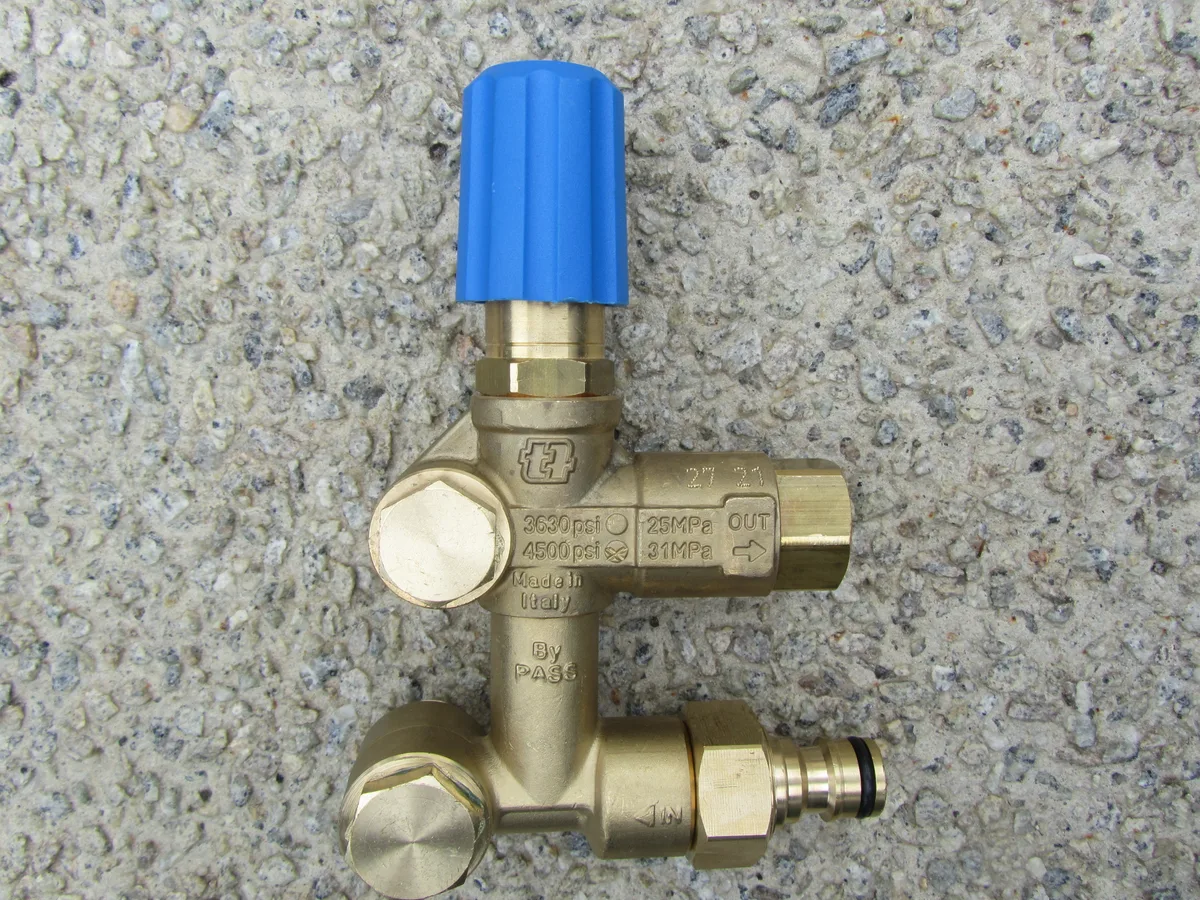
Image source: Bing (Web (fair-use with source credit))
Failure 1: The Start Capacitor
The start capacitor gives the motor an extra jolt to get spinning. It's a cylindrical component mounted on the motor or inside the electrical box. If it fails, the motor hums or clicks but doesn't turn.
How to test it: Disconnect power. Drain the tank. Remove the capacitor cover.
Use a multimeter set to capacitance mode. Touch the probes to the two terminals. A good capacitor reads between 220 and 300 microfarads.
Anything below 200 or showing open circuit means it's dead.
How to fix it: Buy a replacement with the same microfarad rating and voltage rating. The Sh75 A10 typically uses a 270-324 µF capacitor rated at 250V AC. Install it exactly as the old one was wired.
Polarity doesn't matter on start capacitors.
Failure 2: The Unloader Valve
The unloader valve releases trapped air in the pump head after the compressor stops. If it sticks open, air bleeds out continuously and the compressor never builds pressure. If it sticks closed, the motor struggles to restart against back pressure.
How to test it: With the compressor off and tank drained, listen near the unloader valve. A continuous hiss means it's stuck open. With the compressor running, watch the pressure gauge.
If it climbs very slowly or stops at a low pressure, the unloader may be stuck partially open.
How to fix it: Remove the unloader valve assembly. Clean it with compressed air and a light solvent. If the plunger is stuck or the spring is broken, replace the entire assembly.
It's a cheap part, usually under 30 dollars.
Failure 3: The Check Valve
The check valve sits between the pump and the tank. It lets air flow one way. When it fails, air leaks back into the pump line and the tank loses pressure overnight.
How to test it: Drain the tank. Remove the check valve. Blow through it in the direction of tank flow.
Air should pass freely. Then suck on the opposite end. You should feel resistance.
If air flows both ways, the valve is worn.
How to fix it: Replace the check valve. It's a simple brass or steel fitting. Apply pipe thread sealant to the new one.
Torque it to 35-40 ft-lbs. Do not overtighten.
The Mistakes That Cost You Time and Money (and How to Avoid Them)
Mistake 1: Replacing parts without testing first
This is the biggest waste. People swap the pressure switch, then the capacitor, then the whole motor, only to find the unloader valve was the problem. Always test first.
The multimeter is your best friend. Spend 10 minutes diagnosing before you order parts.
Mistake 2: Using the wrong oil
The Sh75 A10 is an oil-lubricated pump. It needs a non-detergent compressor oil, typically 30-weight or Ingersoll Rand's All-Season Select Plus. Using motor oil or hydraulic fluid can cause foaming, overheating, and premature pump failure.
Check the oil level monthly. Low oil is the number one cause of pump seizure.
Mistake 3: Ignoring the thermal overload reset
The thermal overload protector is a small button on the motor housing. If the motor overheats, it trips and cuts power. Many people think the motor is dead when it's just tripped.
Let the motor cool for 15 minutes. Press the reset button. If it trips again immediately, you have a real electrical problem.
Mistake 4: Running the compressor on an undersized extension cord
This is a fire hazard. The Sh75 A10 draws 28-30 amps on startup. A 100-foot 14-gauge cord can drop voltage enough to prevent the motor from starting, which burns out the start capacitor.
Use a 10-gauge cord for any run over 25 feet. Better yet, hardwire it if possible.
Mistake 5: Not draining the tank daily
Moisture accumulates in the tank. If you don't drain it, rust forms inside. Rust flakes can clog the check valve, the unloader, and the pressure switch.
Drain the tank every day of use. In humid climates, drain it twice a day. A tank that rusts through is a catastrophic failure risk.
The Single Most Important Maintenance Task for the Sh75 A10 (and When to Do It)
Image source: Web (Bing) / pickupmoto.com (Web image (fair-use with source credit))
Change the oil every 500 hours of run time or every six months, whichever comes first. That single habit doubles the life of the pump. The Sh75 A10 uses an oil-lubricated reciprocating pump. It has metal-on-metal contact.
Oil is the only thing separating the piston rings from the cylinder wall.
Use the right oil. Ingersoll Rand specifies All-Season Select Plus 30-weight compressor oil. It's a non-detergent formulation that resists foaming and oxidation. You can also use a high-quality synthetic compressor oil rated for reciprocating pumps.
Do not use automotive motor oil. It contains detergents that can gum up the unloader valve.
How to change the oil:
- Run the compressor for a few minutes to warm the oil. Warm oil drains faster and carries more contaminants.
- Turn off the compressor. Disconnect power. Drain the tank completely.
- Locate the oil drain plug at the bottom of the pump. Place a catch pan under it.
- Remove the plug. Let the oil drain completely. Old oil looks dark and may have a burned smell.
- Replace the drain plug. Torque it to 15-20 ft-lbs.
- Remove the oil fill cap. Add fresh oil slowly. The Sh75 A10 pump holds about 1.5 quarts.
- Check the oil level sight glass. It should be at the center of the indicator.
- Replace the fill cap. Run the compressor for a minute. Check for leaks.
Other maintenance tasks that matter:
- Inspect the belt every 30 days. A loose belt slips and reduces pump speed. A tight belt wears out bearings. The correct deflection is about 1/2 inch of play at the center of the longest span.
- Clean the air filter element monthly. A clogged filter restricts airflow and causes the pump to run hotter. Replace it yearly.
- Check the pressure relief valve annually. Pull the ring. Air should release. If it sticks, replace it immediately.
- Inspect the tank for rust every year. Tap the bottom with a hammer. A dull thud means metal is sound. A hollow ring means rust has thinned the steel. If you find rust, have the tank hydrostatically tested.
The Sh75 A10 Repair Verdict: When to Call a Pro and When to DIY
Do it yourself if: The problem is a failed start capacitor, a stuck unloader valve, a leaking check valve, or a tripped thermal overload. These are simple repairs. The parts are cheap.
The procedure takes under an hour. You just need basic hand tools and a multimeter.
Call a professional if: The motor won't turn even with a new capacitor. The pump has visible damage like a cracked cylinder head or a seized piston. The tank has rust or damage.
You smell burning insulation. The compressor trips the breaker immediately after a reset. These are signs of internal failure that require specialized tools and knowledge.
When to replace the compressor entirely: If the pump is worn out, the cost of a rebuild can approach the price of a new unit. A new pump assembly for the Sh75 A10 runs between 800 and 1200 dollars. A new compressor is around 2000 to 2500 dollars.
If the tank is rusted or the motor is burned, replacement is often the smarter move.
The bottom line: The Sh75 A10 is a well-built machine. Most problems are simple and fixable. The key is to diagnose in the right order, test before you replace parts, and maintain the oil and belt schedule.
Do that, and you'll get years of reliable service from this compressor.
Frequently Asked Questions
My Sh75 A10 hums but won't start. What should I check first?
Test the start capacitor with a multimeter set to capacitance mode. A good reading is between 220 and 300 microfarads. If it's below 200, replace it.
Also check the thermal overload reset button on the motor. If it's tripped, let the motor cool and press the reset button.
Why does my compressor run but never build pressure above 60 PSI?
The unloader valve is likely stuck partially open. Listen for a hissing sound near the pump while the compressor is running. Remove the unloader valve assembly.
Clean it or replace it. This is a common failure point on the Sh75 A10 and a cheap fix.
How often should I drain the tank on my Sh75 A10?
Every day of use. In humid climates, drain it twice a day. Moisture accumulates in the tank and causes rust.
Rust flakes can clog the check valve, unloader valve, and pressure switch. A rusted tank is a safety hazard and must be replaced.
Can I use regular motor oil in my Ingersoll Rand compressor?
No. Use only non-detergent compressor oil. Ingersoll Rand All-Season Select Plus 30-weight is the specified oil.
Automotive motor oil contains detergents that can cause foaming, gum up the unloader valve, and reduce pump life. The wrong oil voids the warranty.
What size extension cord can I use with my Sh75 A10?
For any run over 25 feet, use a 10-gauge cord minimum. The compressor draws 28 to 30 amps on startup. A 14-gauge cord causes voltage drop, which prevents the motor from starting and can burn out the start capacitor.
Hardwiring is the safest option.
When should I replace the entire compressor instead of repairing it?
If the pump is seized, the tank is rusted, or the motor is burned out, replacement is often more cost-effective. A new pump assembly costs 800 to 1200 dollars. A new compressor is around 2000 to 2500 dollars.
If the repair cost exceeds half the price of a new unit, replace it.

Similar Posts