Kenmore Stackable Washer Dryer Troubleshooting: Quick Fixes

Most Kenmore stackable washer dryer problems come from power, airflow, drainage, or simple loading issues.
Kenmore stackable washer dryer troubleshooting gets a lot easier when you know where to look first. In my experience, these units usually fail in the same few ways, and most of them are fixable with a calm step-by-step check. If you want a clear, practical guide that covers real causes, smart fixes, and when to call for help, you’re in the right place.

Understanding how a Kenmore stackable washer dryer works
A Kenmore stackable washer dryer is really two machines built to save space. The washer handles water, motion, and drainage, while the dryer depends on heat, airflow, and venting. When one part of that chain breaks, the whole unit can feel like it has “stopped working.”
That is why Kenmore stackablewasher dryertroubleshooting works best when you think in systems. A washer that will not spin may have a lid switch, drain, or balance problem. A dryer that runs but does not dry often has a vent, thermal, or heating issue.
From what I have seen over the years, many people jump straight to big repairs when the real issue is simple. A clogged vent, a loose plug, or an overloaded drum can mimic a major failure. Start with the basics first.
Safety first before you troubleshoot
Before you begin any Kenmore stackable washer dryer troubleshooting, unplug the unit if possible. If the dryer is gas powered, shut off the gas supply before opening panels. Water and electricity do not mix, and stackable units are tight spaces, so safety matters even more.
Here are a few safe habits that help:
- Turn off power at the outlet or breaker before testing internal parts.
- Keep the floor dry so you do not slip while checking hoses or connections.
- Wear gloves if you handle sharp metal edges behind panels.
- Do not bypass safety switches just to “see if it works.”
- If you smell gas, stop immediately and call for professional help.
I once saw a homeowner spend hours chasing a “broken dryer” only to find the unit had tripped breaker protection and never reset properly. That kind of mistake is common, and it is why a safety-first checklist saves time and stress.

Common Kenmore stackable washer dryer problems and what they mean
Most Kenmore stackable washer dryer troubleshooting starts with a symptom. The symptom usually points to the system that needs attention. That is the fastest way to narrow things down without guessing.
Washer will not start
If the washer will not start, check the power first. Make sure the unit is plugged in, the breaker is on, and the lid is fully closed. Many Kenmore washers will not run if the lid switch is not engaged.
Other likely causes include:
- A faulty door or lid switch
- A blown fuse or tripped breaker
- A defective timer or control board
- Loose wiring at the control panel
A simple test is to listen for any click when you close the lid or press start. If nothing happens, the switch or control path may be the issue.
Washer fills but does not spin
This is one of the most common Kenmore stackable washer dryer troubleshooting complaints. If the washer fills with water but stops there, the lid switch, motor coupling, drive belt, or drain system may be failing. An unbalanced load can also stop the spin cycle.
Try this first:
- Pause the cycle and redistribute the clothes
- Check whether the tub drains fully
- Make sure the lid closes firmly
- Listen for humming, clicking, or scraping sounds
In my experience, a washer that fills and refuses to spin is often trying to protect itself. It may be sensing a balance issue or a failed switch, not just “being stubborn.”
Washer will not drain
If water stays in the drum, focus on the drain path. The drain hose may be kinked, clogged, or placed too far down in the standpipe. The drain pump or coin trap may also be blocked.
Check these items:
- Drain hose for bends or clogs
- Pump filter or trap, if your model has one
- Standpipe for blockage
- Pump motor for unusual noise
A washer full of standing water can smell fast, so do not let it sit too long. Drain problems can also keep the spin cycle from starting.
Dryer runs but does not heat
This is one of the clearest signs in Kenmore stackable washer dryer troubleshooting. If the dryer drum turns but clothes stay damp, the heating system is likely the problem. Common causes include a failed heating element, thermal fuse, thermostat, or gas igniter on gas models.
You should also check:
- Dryer vent blockage
- Lint buildup in the lint screen housing
- Power supply issues on electric models
- Gas valve or igniter issues on gas models
According to appliance safety guidance and repair best practices, poor airflow is one of the top causes of weak drying performance. A clogged vent can make a healthy dryer act weak and inefficient.
Dryer takes too long to dry
Long dry times usually mean airflow trouble, a heating issue, or overload. If the dryer is packed too full, clothes cannot tumble well and moisture stays trapped. If the vent is partly blocked, hot air cannot escape the way it should.
Try these fixes:
- Clean the lint screen before every load
- Shorten the vent run if possible
- Clean the vent duct from the dryer to the outside
- Use smaller loads with mixed fabric types
A dryer that used to work well and now takes forever is telling you something changed. In many cases, the change is buildup, not a major part failure.
Washer or dryer makes loud noises
Noise is one of the easiest clues in Kenmore stackable washer dryer troubleshooting. Squealing may point to a worn belt or drum support issue. Banging usually means an unbalanced load or worn suspension parts.
Common causes include:
- Loose items like coins or buttons
- Worn drum rollers or bearings
- Damaged belt
- Unlevel machine
- Shipping bolt left in place on rare setup errors
If the sound is new and harsh, stop the cycle and inspect the drum area. A small object can turn into bigger damage if you keep running the machine.

Step-by-step Kenmore stackable washer dryer troubleshooting
A calm sequence works better than random testing. Use this process to avoid wasting time and to find the real cause faster.
1. Check the basics
Start with the easy stuff. Verify power, water supply, cycle settings, and door or lid closure. Make sure the machine is not paused, delayed, or set to a cycle that has not started yet.
Look for:
- Tripped breaker
- Loose plug
- Closed water valves
- Clean lint screen
- Closed door or lid
This sounds simple, but it solves more problems than people expect.
2. Inspect load size and balance
Overloading is a classic mistake. Stackable machines are compact, so they need breathing room. Too many towels or heavy jeans can throw the drum off balance or stop the spin cycle.
A better load should:
- Fill the drum loosely
- Mix heavy and light items
- Avoid one giant blanket with no balance
- Keep similar fabrics together
I have seen perfectly good washers look “broken” because the drum was stuffed like a suitcase before a holiday trip.
3. Check hoses, vents, and filters
Hoses and vents are the quiet troublemakers in Kenmore stackable washer dryer troubleshooting. A washer drain hose can kink behind the unit. A dryer vent can clog with lint and dust.
Inspect:
- Water inlet hoses
- Drain hose
- Dryer vent hose
- Lint trap and lint housing
A quick cleaning here can make a huge difference in both performance and safety.
4. Listen for the machine’s sounds
Machines often “tell” you what failed. A humming washer motor may suggest a jam or pump issue. A clicking dryer may point to a relay or igniter problem. Silence can mean a power or control issue.
Pay attention to:
- Humming
- Buzzing
- Clicking
- Grinding
- Repeated stopping and starting
Sound clues are often more useful than error codes when the machine gives no clear message.
5. Check for visible damage
Look for worn belts, loose wires, water leaks, rust, or burned smells. Even a small leak can damage sensors or switches over time. If you see scorch marks or smell something electrical, stop troubleshooting and call a technician.

Kenmore stackable washer dryer troubleshooting by part
Some problems point to specific parts. Knowing the usual suspects helps you decide whether to clean, test, repair, or replace.
Lid switch or door switch
If the washer or dryer does not start, the switch may be the issue. These safety parts tell the machine that the door is closed. If they fail, the cycle may never begin.
Signs include:
- No response when pressing start
- Machine stops when the lid is touched
- Intermittent operation
Drive belt
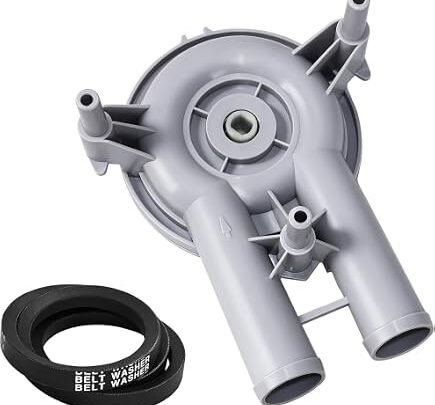
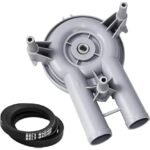
A worn or broken belt can stop the drum from spinning. You may hear a motor running but see no movement. In some cases, the belt slips instead of snapping, which creates weak spinning or strange noise.
Drain pump
The drain pump moves water out of the washer. If it clogs or fails, the tub may stay full and the spin cycle may not begin. Gurgling or buzzing sounds can point here.
Heating element
On electric dryers, the heating element is a frequent failure point. If the drum turns but air stays cool, the element may have burned out. Testing with a multimeter can confirm this.
Thermal fuse
A thermal fuse protects the dryer from overheating. If airflow is blocked, the fuse may blow and shut the dryer down. This part should never be bypassed, because it is a safety device.
Timer or control board
If cycles stop early or settings act erratic, the timer or control board may be at fault. These parts are more complex, and diagnosis is best done carefully. Sometimes a control issue looks like a mechanical issue, so do not assume too quickly.
How to fix the most common issues
Many Kenmore stackable washer dryer troubleshooting fixes are simple enough for a careful homeowner. Start with cleaning, resetting, and checking connections before replacing parts.
Washer fix checklist
Use this order:
- Unplug the machine
- Check the lid switch
- Clear the drain hose
- Remove load imbalance
- Inspect the belt and pump area
- Reset the breaker if needed
If the washer still fails, the pump, motor, or control system may need testing.
Dryer fix checklist
Use this order:
- Clean the lint screen
- Check the vent line for blockage
- Confirm proper power or gas supply
- Inspect the thermal fuse
- Test the heating element or igniter
- Look for airflow restrictions at the outside vent
Dryers are very sensitive to airflow. Even a small lint clog can cause a big performance drop.
When a reset helps
Sometimes a reset clears a control glitch. Unplug the unit for a few minutes, then reconnect power and try again. This is not magic, but it can clear minor electronic faults after a power surge or temporary error.

When to call a technician
Not every problem should be DIY. If you find burned wiring, repeated breaker trips, a gas smell, or a failed control board, a technician is the safer choice. The same is true if the machine needs deep disassembly and you do not have the right tools.
Call for help if:
- The unit sparks, smokes, or smells burnt
- Water leaks into electrical parts
- The dryer has no heat after basic checks
- The washer motor hums but never turns
- You suspect a gas valve or igniter problem
A good rule I follow: if the fix requires guessing, stop and test. Guesswork is how small repairs become expensive ones.
Preventive maintenance tips that make a big difference
Good maintenance reduces the need for Kenmore stackable washer dryer troubleshooting later. A few small habits can keep the machine running smoother and longer.
For the washer
- Do not overload the drum
- Clean the detergent drawer and tub area
- Check hoses for bulges or cracks
- Leave the door open briefly after use to reduce odor and moisture
- Run a cleaning cycle if your model supports it
For the dryer
- Clean the lint screen before each load
- Vacuum lint around the filter housing
- Inspect the vent at least a few times a year
- Do not dry soaked rugs or oversized items too often
- Keep the outside vent outlet clear
I have found that most “mystery” appliance problems become less mysterious when regular cleaning is part of the routine. It is like brushing your teeth instead of waiting for a root canal.
Frequently Asked Questions about Kenmore Stackable Washer Dryer Troubleshooting
Why is my Kenmore stackable washer not spinning?
A failed lid switch, unbalanced load, or drain problem is often the reason. Start by checking that the door closes fully and that water drains out before the spin cycle begins.
Why is my Kenmore stackable dryer running but not heating?
This usually means a failed heating element, thermal fuse, igniter, or airflow blockage. A clogged vent is one of the most common and easiest issues to fix.
How do I reset a Kenmore stackable washer dryer?
Unplug the unit for a few minutes, then plug it back in and try again. If it is still not working, check the breaker and look for the specific symptom rather than assuming the reset solved it.
Why does my washer stop in the middle of a cycle?
A bad lid switch, drainage issue, or control problem can cause the cycle to stop early. An unbalanced load can also interrupt the cycle, especially during spin.
How often should I clean the dryer vent?
At least once a year is a good minimum, but more often is better if you use the dryer a lot. If drying takes longer than usual, clean the vent right away.
Can I troubleshoot Kenmore stackable washer dryer problems myself?
Yes, many basic issues like power, loading, lint buildup, and clogged hoses are safe to check yourself. For gas parts, wiring damage, or control board failures, it is better to call a professional.
Conclusion
Kenmore stackable washer dryer troubleshooting gets much easier when you break the problem into simple parts: power, loading, drainage, airflow, and key components. Most issues are not random at all. They usually come from a clogged vent, an unbalanced load, a failed switch, or a part that has worn out over time.
If your unit is acting up, start with the easy checks and work forward one step at a time. That patient approach saves money, protects the machine, and helps you avoid unnecessary repairs. If this guide helped, save it for later, share it with someone who needs it, or leave a comment with the symptom you are dealing with.

Similar Posts