Safe T Alert Rv Propane Gas Detector Troubleshooting
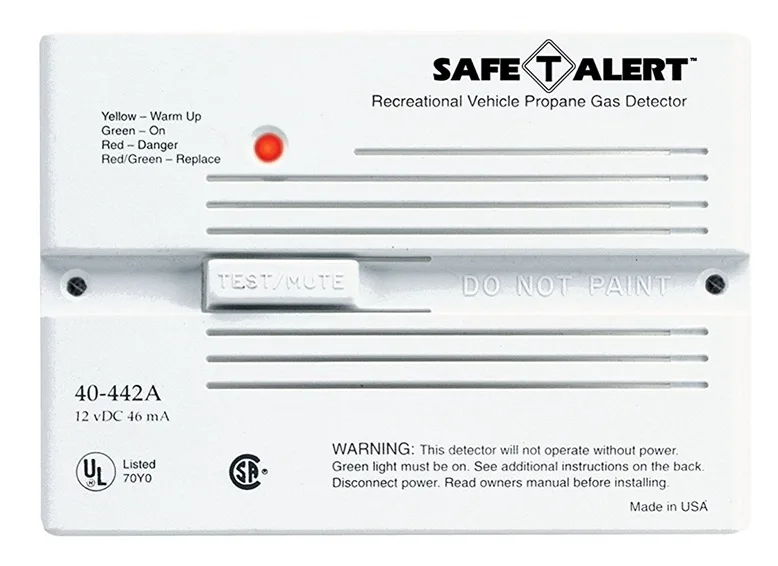
Your RV propane alarm starts chirping at 2 AM. Your first thought is a gas leak. Your second thought is a false alarm.
Safe T Alert RV propane gas detector troubleshooting comes down to one thing: reading the right signals.
Per UL 1484 testing standards, these detectors alarm at 10% of the lower explosive limit for propane. That is an extremely sensitive threshold. But the same sensitivity can trigger false alarms from cooking spray, battery charging, or aerosol cleaners.
Here is how to tell the difference.
Image source: Bing (Web (fair-use with source credit))
Quick Answer
Read the LED lights. Green means normal operation. Red with a continuous alarm means a gas leak.
Open windows and leave. Amber with a chirp every 30 seconds means the unit expired. Replace it.
Check the date code on the back.
Is It a Gas Leak or a False Alarm?
The one question that changes everything
Every Safe T Alert troubleshooting path starts with the same fork. Is there propane in the air? Or is the detector crying wolf?
A real gas leak has telltale signs. You might smell the rotten egg odor added to propane. You might hear a hissing sound near a gas line or appliance connection.
You might notice propane appliances behaving strangely.
If you have any of those signs plus a red light and a continuous alarm, treat it as a real leak. Get everyone out of the RV. Shut off the propane at the tank if you can do it safely.
Call your propane supplier or the fire department.
If you have none of those signs, you are dealing with a false alarm. The detector is still doing its job. But something else is setting it off.
How to tell the difference in under 30 seconds
First, look at the LED light. A solid red light with a continuous alarm means the sensor detected propane. An amber light with a chirp every 30 to 45 seconds means end of life.
A green light with no sound means normal operation.
Second, think about what happened before the alarm. Did you spray hairspray or bug repellent near the detector? Did you light the propane stove?
Did your battery charger kick into high gear? Each can trigger a false alarm.
Third, sniff the air. If you smell gas, it is a leak. If you smell nothing, it is probably a false alarm.
But trust the detector more than your nose. Propane can pool in low areas before you smell it.
What Your Safe T Alert's Lights and Sounds Actually Mean
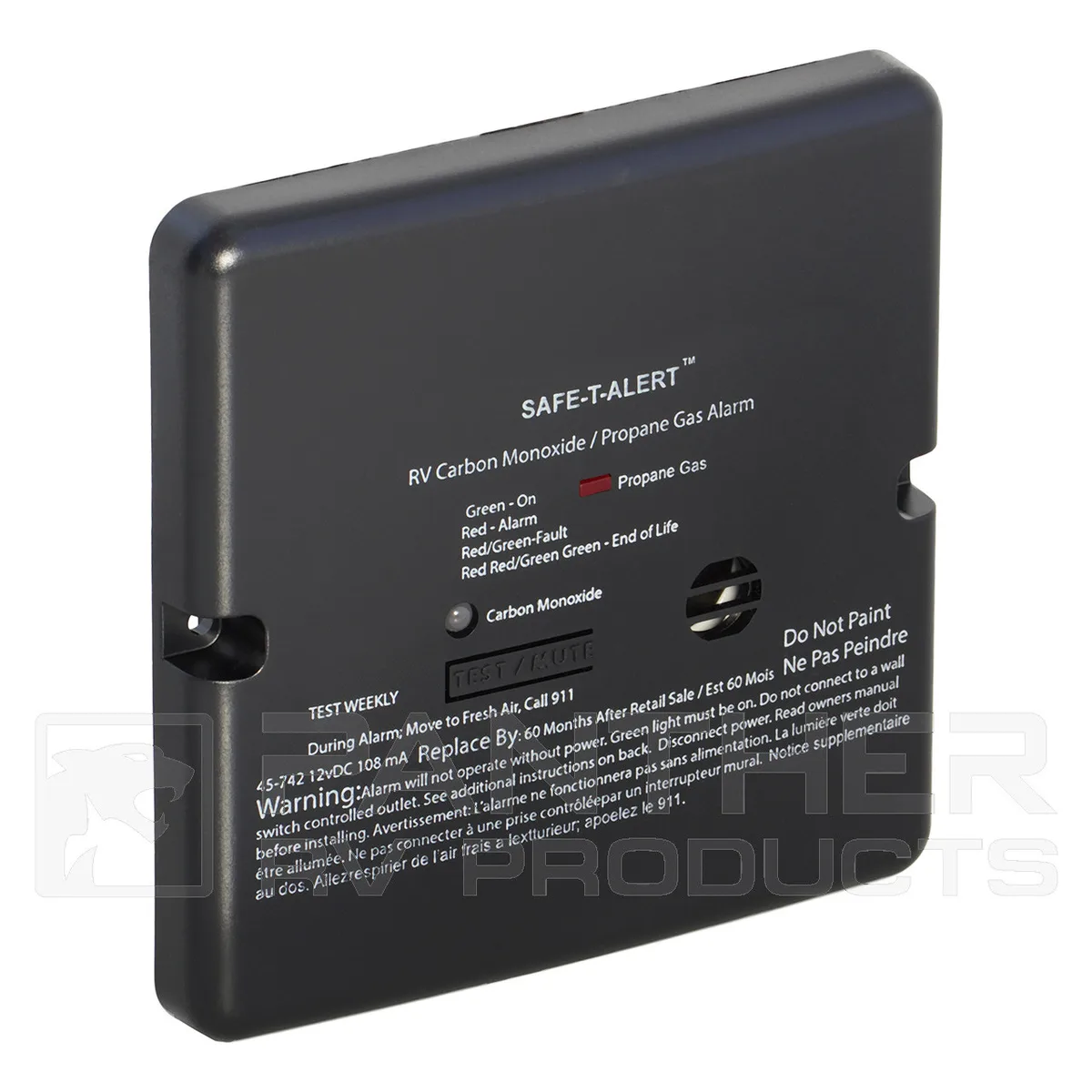
Image source: Bing (Web (fair-use with source credit))
Green light, red light, amber light
Your Safe T Alert uses a three color LED system. It tells you everything at a glance.
A green light means the detector has power and functions normally. You should see this light steady when the unit is operating. No blinking.
No chirping.
A red light with a continuous alarm means the sensor detected propane. The alarm will sound loud and steady. It will not stop until the gas clears or you reset the unit.
Act on this signal immediately.
An amber light means something is wrong. It could be a sensor fault. It could be end of life.
It could be low voltage. The amber light is almost always paired with a chirp pattern.
Three chirp patterns and what each one signals
One chirp every 30 to 45 seconds with an amber light. This is the end of life warning. The detector reached its five year limit from the date of manufacture. It can no longer reliably detect propane.
Replace it.
One chirp every 30 to 45 seconds with a green light. This is a fault condition. The sensor may be damaged or the voltage too low. Check your RV battery voltage and the connections at the mounting plate.
Continuous loud alarm with a red light. This is a gas leak alarm. Do not ignore it. Treat it as a real emergency until you prove otherwise.
As of 2026, all Safe T Alert models follow this same signaling pattern. The LED and chirp codes have not changed across recent production runs.
Step-by-Step: Troubleshooting the Three Most Common Issues
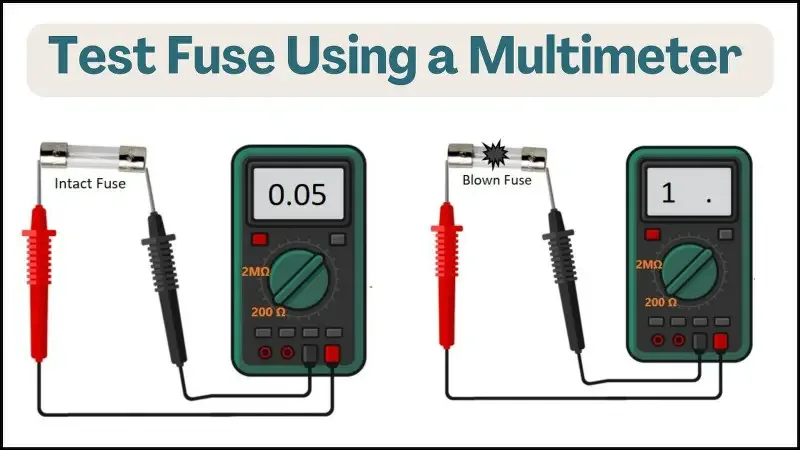
Image source: Bing (Web (fair-use with source credit))
Detector won't power on
If your Safe T Alert has no green light and no sound, start with the power supply.
Check the fuse for the detector circuit. Most RVs have a dedicated fuse in the main panel. Look for a fuse labeled "gas detector" or "LP detector." Pull it out and inspect it.
If the metal strip is broken, replace it with the same amperage rating.
Next, check the voltage at the mounting plate. Use a multimeter set to DC volts. Touch the probes to the positive and negative terminals.
You should see between 12 and 14 volts DC. If you see nothing, the wiring from the fuse panel is broken. If you see low voltage below 10 volts, your RV battery may be drained.
If the voltage is good and the fuse is fine, the detector itself is likely dead. Replace it.
Detector chirps every 30 seconds
Find the date code on the back or side of the unit. Look for a month and year. If the unit is older than five years from that date, the chirp is the end of life warning.
Replace it.
If the date code shows the unit is within its lifespan, check the voltage at the mounting plate. Low voltage can cause fault chirps. Clean the sensor with compressed air.
A dusty sensor can trigger false faults.
If the chirp persists after cleaning and verifying voltage, the sensor has failed early. Replace the unit. Do not try to repair it.
Detector alarms with no propane smell
False alarms are the most common complaint with RV propane detectors. Here are the usual suspects.
Aerosol sprays are the number one cause. Hairspray, bug spray, spray deodorant, and cleaning products contain propellants that can trigger the sensor. If you used a spray product near the detector, that is likely the cause.
Cooking with propane is another common trigger. The initial burst of gas when you light a burner can reach the detector. So can combustion byproducts from the stove.
If the detector is mounted too close to the stove, it will false alarm every time you cook.
Battery charging can also cause false alarms. Lead acid batteries release hydrogen gas during charging. That hydrogen can trigger a propane detector.
The fix for each is the same. Open windows and vents to air out the RV. Reset the detector by pressing the test button or cycling the power.
Common Mistakes That Can Leave You Unprotected
Why you should never bypass or disable the alarm
A chirping detector is annoying. A detector that false alarms every time you cook is frustrating. But disabling it is dangerous.
Some RV owners pull the fuse. Some disconnect the wires. Some take the unit off the wall.
Those are risky shortcuts. You are removing the only device that can warn you of a propane leak before it becomes an explosion.
Propane is heavier than air. It pools in low spots like the floor of your RV. A leak from a loose connection can fill that space with explosive gas.
You will not smell it until it reaches nose level. By then, a single spark from a refrigerator or furnace can ignite it.
The Safe T Alert catches that gas at the floor level. That is why it is mounted low on the wall. Disabling it removes your only early warning.
Hiding the detector, ignoring the date code, and other risky shortcuts
Another common mistake is mounting the detector in a bad location. Some RV owners hide it behind a cabinet door or curtain. They think it looks ugly.
But the detector needs open air to work.
Some people also ignore the date code. They figure the detector still works because it powers on. But the sensor degrades over time.
A six year old detector may show a green light and still fail to detect propane. UL 1484 requires replacement at five years for a reason.
The difference between testing with propane and pressing the test button
The test button checks the electronics. It confirms the alarm circuit works. It does not confirm the sensor can detect propane.
A proper functional test requires exposing the sensor to propane. Hold a butane lighter near the detector and release a small amount of gas without lighting it. The detector should alarm within seconds.
If it does not, the sensor is dead even if the test button beeps.
Only perform this test with proper ventilation. Never test with a full propane torch. A small burst from a lighter is enough.
If the detector fails this test, replace it immediately.
When to Replace vs. When to Troubleshoot Further
The five year lifespan rule
Every Safe T Alert propane detector has a printed date code on the back. That date is the date of manufacture, not the date of purchase. The clock starts ticking the day the unit was built.
The manufacturer specifies a five year lifespan from that date. After five years, the sensor can no longer reliably detect propane. The unit will start chirping to tell you it is expired.
But some units fail silently. They show a green light but do not detect gas.
If your unit is past the five year mark, do not troubleshoot. Replace it. There is no fix.
The cost of a replacement is between 30 and 60 dollars. The cost of a missed leak is your RV and potentially your life.
How to find the date code on your Safe T Alert
The date code is usually a sticker on the back of the unit. It looks like a month and year. For example, "03/2021" means March 2021.
Some models use a four digit code. The first two digits are the week. The last two digits are the year.
"1521" means the 15th week of 2021.
If you cannot find the date code, the unit is likely old enough that you should replace it anyway. A missing date code is a red flag.
Write the replacement date on the new unit with a permanent marker. That way you know exactly when to replace it next.
How to Install and Maintain Your RV Propane Detector
Proper mounting location
Mount the detector low on a wall. Propane is heavier than air and sinks to the floor. The Safe T Alert should sit between 4 and 12 inches above the floor.
Keep it away from propane appliances. Do not install it directly next to the stove, furnace, or water heater. Combustion byproducts will cause false alarms.
Also avoid dead air pockets behind cabinets or curtains.
Mount it where you can hear the alarm from the sleeping area. A detector in a storage bay does you no good if you are asleep in the bedroom.
Cleaning the sensor without damaging it
Dust and cobwebs can trigger false faults. Clean the sensor vent openings every few months with compressed air. Hold the can upright and spray short bursts from about six inches away.
Do not use water, cleaning sprays, or vacuum cleaners on the sensor. Liquids can damage the sensitive element. Vacuum cleaners generate static electricity that can ruin the electronics.
A soft brush can remove visible debris from the outer housing. But leave the internal sensor alone. If compressed air does not stop a fault chirp, the sensor has likely failed.
What to do before and after winter storage
Before storing your RV for winter, check the date code. If the detector is approaching five years, replace it now. It is easier than dealing with a chirping alarm in the spring.
Disconnect the RV battery or pull the fuse for the detector during storage. The detector draws power even when idle. Over several months, it can drain a small battery.
When you bring the RV out of storage, reconnect power and press the test button. Let the detector warm up for 30 seconds. If it chirps or shows an amber light, replace it before your first trip.
Frequently Asked Questions
How do I stop my Safe T Alert from chirping?
Find the cause first. If the amber light is on and it chirps every 30 seconds, the unit expired. Replace it.
If the green light is on and it chirps, check for low voltage or a dirty sensor. Clean it with compressed air and verify the battery voltage is above 12 volts.
Can I replace a Safe T Alert with a different brand?
Yes, but check the mounting plate compatibility. Safe T Alert uses a proprietary four pin connector. Some third party detectors use the same pattern.
Others require rewiring. Verify the voltage and mounting dimensions before purchasing.
Why does my detector go off when I cook with propane?
The initial burst of gas from lighting a burner reaches the sensor. So do combustion byproducts from the stove. Relocate the detector farther from the cooking area if possible.
Open a roof vent or window while cooking. If the alarm still triggers every time, the sensor may be oversensitive and needs replacement.
How loud is the alarm, and will it wake me up?
The Safe T Alert produces 85 decibels at 10 feet. That is as loud as a garbage disposal or heavy traffic. Most users wake up from a dead sleep when it sounds.
If you are a deep sleeper or hard of hearing, install a second detector near the bed.
My detector is expired. Is it still safe to use?
No. Replace it immediately. The sensor loses sensitivity after five years.
A green light does not mean it works. Only a functional test with real propane confirms the sensor still detects gas. The cost of a replacement is 30 to 60 dollars.
Do not risk your safety.

Similar Posts