Samsung Washing Machine Error Codes: Quick Fix Guide
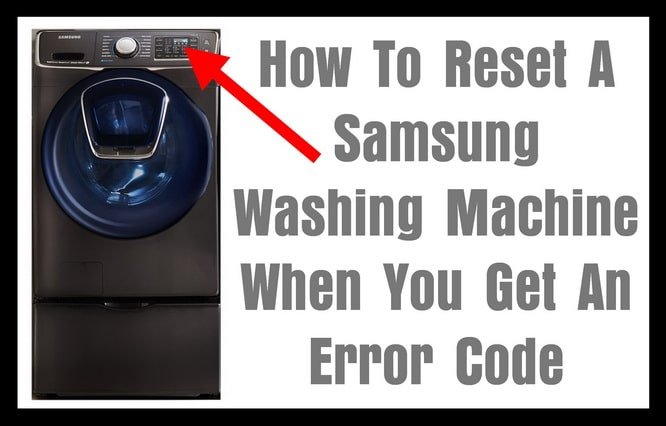
Samsung washing machine error codes are your washer’s way of flagging water, drain, door, or sensor problems fast.
If you own a Samsung washer, learning these codes can save you time, stress, and repair costs. I’ve seen how a small code on the display can point to something simple, like an unbalanced load, or something more serious, like a drain issue or a faulty part. This guide breaks down Samsung washing machine error codes in plain English so you can understand what they mean, what usually causes them, and what to try before calling for service.
What Samsung Washing Machine Error Codes Mean
Samsung washing machine error codes are built-in alerts that help you spot a problem early. Think of them like a dashboard warning light in a car. They do not always mean the machine is badly broken, but they do mean something needs attention.
In my experience, many Samsung washing machine error codes come from simple issues such as a kinked hose, too much foam, or a door that did not latch fully. The important part is not to panic. Read the code, check the common causes, and work through the fix step by step.
Why Samsung Washing Machine Error Codes Matter
These codes help you narrow down the problem without guessing. That matters because washing machines are a mix of water, electricity, pressure, and sensors, so a small issue can stop the whole cycle.
When you understand Samsung washing machine error codes, you can:
- Fix simple problems yourself
- Avoid repeated cycle failures
- Spot when a part may be failing
- Save money on unnecessary service calls
- Keep the washer running longer
I have found that many people replace parts too quickly when the real issue is something basic. A blocked drain filter can look like a major failure, but often it is just lint, coins, or debris causing trouble.
Common Samsung Washing Machine Error Codes and What They Mean
Samsung uses different codes depending on the model, but many of the most common ones follow the same logic. Below are the codes users see most often and what they usually mean.
1. 4C or 4E: Water Supply Problem
This code means the washer is not getting enough water. The machine may stop early or refuse to start a cycle.
Common causes include:
- Water supply valves are closed
- Hoses are bent or frozen
- Low water pressure
- Inlet screens are clogged
- A water inlet valve is faulty
What to try:
- Make sure both water valves are fully open
- Check that the hoses are not kinked
- Clean the inlet hose screens
- Confirm your home water pressure is strong enough
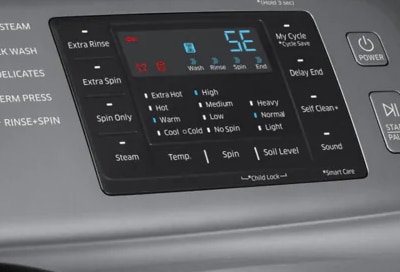
2. 5C, 5E, or SC: Drain Problem
This code usually points to a drainage issue. The washer cannot empty water fast enough.
Common causes include:
- Clogged drain hose
- Dirty drain pump filter
- Blocked pump impeller
- Drain hose placed too low or too high
- Faulty drain pump
What to try:
- Clean the drain filter
- Inspect the drain hose for clogs
- Make sure the hose is installed at the proper height
- Run a drain-only cycle if the model allows it
3. dC, dE, or dS: Door Problem
This code means the washer thinks the door is not locked properly.
Common causes include:
- Door not fully closed
- Clothes trapped in the door
- Damaged door latch
- Faulty door lock switch
What to try:
- Open and close the door firmly
- Check for fabric stuck in the seal
- Remove bulky items and try again
- Inspect the latch for wear
4. Ub, U6, or UE: Unbalanced Load
This code appears when the drum senses uneven weight. It is very common in spin cycles.
Common causes include:
- Heavy items clumped on one side
- Small loads mixed with large items
- Washer not level
- Worn suspension parts
What to try:
- Pause the cycle and rearrange the laundry
- Wash large and small items more evenly
- Make sure the washer sits flat on the floor
- Avoid overloading the drum
I once saw this happen with a single bath mat inside a half-full washer. It looked harmless, but it kept throwing the drum off balance. Once the load was spread out with a few towels, the code cleared right away.
5. 1C or LC: Water Level Sensor Issue
This code often means the washer is having trouble reading water level correctly.
Common causes include:
- Air pressure hose issue
- Sensor fault
- Loose wiring
- Control board communication problem
What to try:
- Turn the washer off and restart it
- Check for obvious hose damage if accessible
- If the code keeps returning, service may be needed
6. 3C: Motor Error
This code suggests the motor is not running the way it should.
Common causes include:
- Heavy load
- Motor overload
- Wiring issue
- Motor or hall sensor problem
What to try:
- Reduce the load size
- Restart the cycle
- Listen for strange grinding or clicking sounds
- Call for service if the code returns often
7. HE, HE1, HE2: Heating Problem
This code is more common on washer-dryer combo models or washers with heating-related functions.
Common causes include:
- Heating element failure
- Thermistor issue
- Electrical fault
- Wiring problem
What to try:
- Power cycle the unit
- Check if the error happens on every cycle
- If heating is involved, professional repair is often the safest route
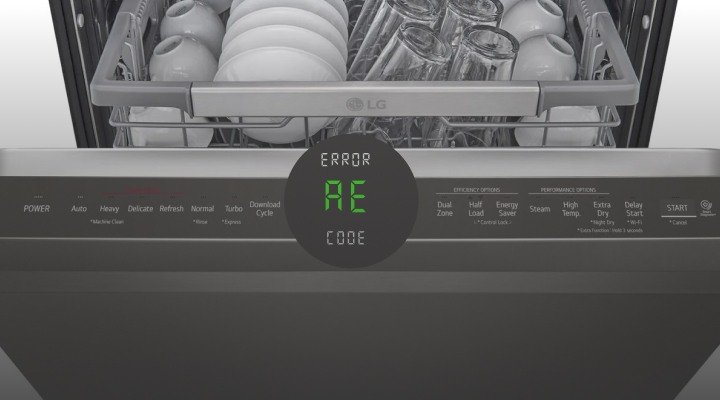
8. AE: Communication Error
This means two internal parts are not communicating correctly.
Common causes include:
- Loose wire harness
- Power surge
- Control board issue
What to try:
- Unplug the washer for a few minutes
- Plug it back in and test again
- If the code stays, a technician may need to inspect the board
9. Sud or SUD: Too Much Detergent Foam
This code appears when the washer detects excess suds.
Common causes include:
- Too much detergent
- Wrong detergent type
- Low water flow
- Very soft water
What to try:
- Use less detergent
- Use high-efficiency detergent if your washer requires it
- Run a rinse cycle
- Let the foam settle before restarting
This is one of those Samsung washing machine error codes that looks scary but is often easy to fix. I have seen people pour in extra soap thinking it would clean better, but the opposite happens. Too many suds can trap dirt and strain the rinse cycle.
How to Troubleshoot Samsung Washing Machine Error Codes
A good fix starts with a simple process. Do not jump straight to replacing parts unless the basic checks fail.
Here is a practical troubleshooting order I recommend:
Write down the exact code
Different codes can look similar, and one letter matters.Turn the washer off
Give it a full reset before testing again.Check water, power, and drainage
Many Samsung washing machine error codes come from these three basics.Inspect the load
Unbalanced or overloaded drums can trigger false alerts.Clean filters and hoses
Lint, grit, and soap buildup are common troublemakers.Retry the cycle
If the code disappears, the issue may have been temporary.Watch for repeat patterns
A code that comes back often usually means a deeper fault.
When I troubleshoot Samsung washing machine errorcodes, I always start with the easiest fix first. It saves time and avoids unnecessary repairs. Most people skip step-by-step checks and end up guessing, which is where frustration starts.
When You Can Fix It Yourself
Some Samsung washing machine error codes are safe and simple to handle at home. These are the ones tied to water flow, drainage, load balance, and detergent use.
You can usually handle it yourself if the issue is:
- A closed water valve
- A clogged drain filter
- A kinked hose
- Too much detergent
- An uneven load
- A loose door closure
Always unplug the washer before cleaning filters or touching internal parts. That small step matters more than people think.
When to Call for Service
Some Samsung washing machine error codes point to electrical, sensor, motor, or control board problems. Those are not ideal DIY jobs unless you have repair experience.
Call a technician if:
- The same code keeps returning
- You hear burning smells or loud electrical noises
- The washer will not power on
- The drum will not spin even after basic checks
- There is visible water leaking from the base
- You suspect a board or motor issue
A good rule from the field: if the simple checks fail twice, stop there and move to professional help. That keeps a small issue from becoming a bigger one.
How to Prevent Samsung Washing Machine Error Codes
A little maintenance goes a long way. Many Samsung washing machine error codes can be prevented with routine care.
Helpful habits include:
- Clean the drain filter every month or two
- Use the right amount of detergent
- Do not overload the drum
- Keep the washer level
- Check hoses for bends or wear
- Wipe the door seal after use
- Leave the door open sometimes to reduce buildup
These are small steps, but they make a real difference. I have seen well-kept washers run smoothly for years, while neglected ones start throwing Samsung washing machine error codes again and again.
Samsung Washing Machine Error Codes by Category
Grouping the codes makes them easier to remember. This can help you spot the pattern faster.
Water related codes
- 4C
- 4E
- 1C
- LC
These usually involve water supply or water level sensing.
Drain related codes
- 5C
- 5E
- SC
These usually point to blockages or pump issues.
Door and lock codes
- dC
- dE
- dS
These often mean the door is not fully secured.
Load and balance codes
- Ub
- UE
- U6
These usually mean the washer is sensing an uneven drum.
Power, motor, and control codes
- 3C
- AE
- HE
- HE1
- HE2
These often need deeper diagnosis.
FAQs About Samsung Washing Machine Error Codes
What is the most common Samsung washing machine error code?
The most common codes are usually 4C, 5C, and UE. They often relate to water supply, drainage, or load balance, which are all common everyday issues.
Can I reset Samsung washing machine error codes myself?
Yes, many codes clear after a power reset. Unplug the washer for a few minutes, then restart it and test the cycle again.
Why does my Samsung washer keep showing the same error code?
If the same code returns, the root cause has likely not been fixed. It may be a clogged hose, a faulty sensor, or a part that needs repair.
Is it safe to keep using the washer when an error code appears?
Sometimes yes, but not always. If the code is tied to water, drainage, or electrical problems, it is better to stop and troubleshoot first.
Do all Samsung washing machines use the same error codes?
Not every model uses the exact same code set. The meaning is often similar, but the display and model type can change the code format slightly.
Conclusion
Samsung washing machine error codes are not just random numbers on a screen. They are useful signals that help you find the real issue faster, whether it is a water supply problem, a clogged drain, an unbalanced load, or a more serious component failure.
The best approach is simple: check the basics first, keep up with maintenance, and know when to bring in a pro. If you treat Samsung washing machine error codes as helpful clues instead of a mystery, you will save time, protect your appliance, and avoid a lot of stress. If this guide helped, explore more appliance care tips, share your experience, or leave a comment with the code your washer is showing.

Similar Posts