What Is Ionizer In An Air Purifier
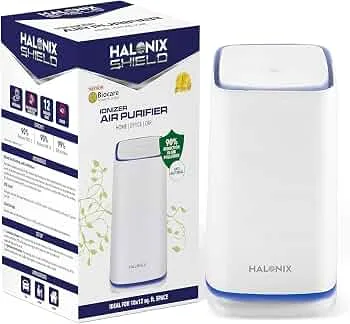
If you've ever typed "What Is Ionizer In An Air Purifier?" into a search bar, here's the short version: it charges airborne particles so they stick to surfaces or collection plates. It does not trap them in a filter.
That distinction matters. As of 2026, many ionizers still produce measurable ozone, even models labeled "ozone-free." California's CARB caps emissions at 0.004 ppm for devices sold in the state. Standalone ionizers also have a low Clean Air Delivery Rate, often under 50 CFM.
That makes them slower and less reliable for whole-room cleaning.
Image source: Bing (Web (fair-use with source credit))
Quick Answer
An ionizer is an air cleaning device that uses high voltage to charge particles. Those particles then stick to plates or nearby surfaces. It does not trap them in a filter.
Many ionizers emit ozone as a byproduct. HEPA filters are usually safer and more effective.
Why This Matters More Than You Think
People hear "silent, no filter replacements" and assume an ionizer is a great deal. The reality is different. Ionizers do not remove particles from the room.
They charge them and relocate them. Those particles end up on walls, furniture, and electronics, not in a sealed filter.
Ozone is the bigger issue. The same voltage that creates ions can also split oxygen molecules and form ozone. CARB limits air purifier ozone output to 0.004 parts per million.
The EPA says no level of ozone is truly safe for indoor continuous exposure. For people with asthma, COPD, or children, even small amounts can trigger coughing, wheezing, and chest tightness.
Low CADR is another problem. CADR measures how quickly a purifier cleans a room. Most ionizers score under 50 cubic feet per minute.
Many HEPA units score above 200 CFM. Lower CADR means slower cleaning and less benefit during smoke or allergy spikes.
Does this mean ionizers are worthless? No. But they work best as a supplement to HEPA, not as the main tool.
The safest choice for bedrooms and living rooms is still a mechanical filter.
How an Ionizer Actually Works (The Simple Version)
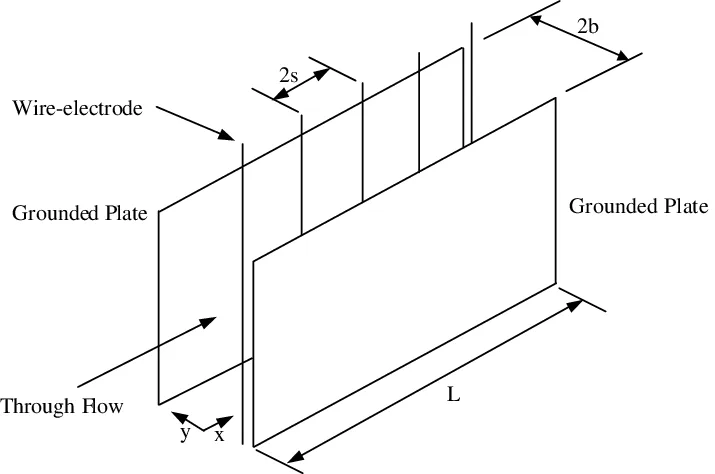
Image source: Bing (Web (fair-use with source credit))
An ionizer uses a high voltage wire or needle. That voltage strips electrons from nearby air molecules, turning them into ions. Those ions attach to dust, smoke, pollen, and other particles.
Once attached, the particles become charged.
Charged particles look for an opposite charge. Many ionizers include a metal collection plate with a mild opposite charge. Particles stick to the plate and stay there.
That is how the air seems cleaner.
There is a catch. Particles do not travel to the plate on their own. A fanless ionizer depends on room air currents to bring particles near it.
That is why its CADR is so low. If the air is still, most particles may never reach the unit.
When the collection plate is full, you must wash it. If you skip that, the build-up can release particles back into the air. In simple terms, an ionizer is a charge-and-stick device.
A HEPA filter is a capture-and-hold filter. For reliability, HEPA wins.
The Elephant in the Room: Ozone and Your Lungs
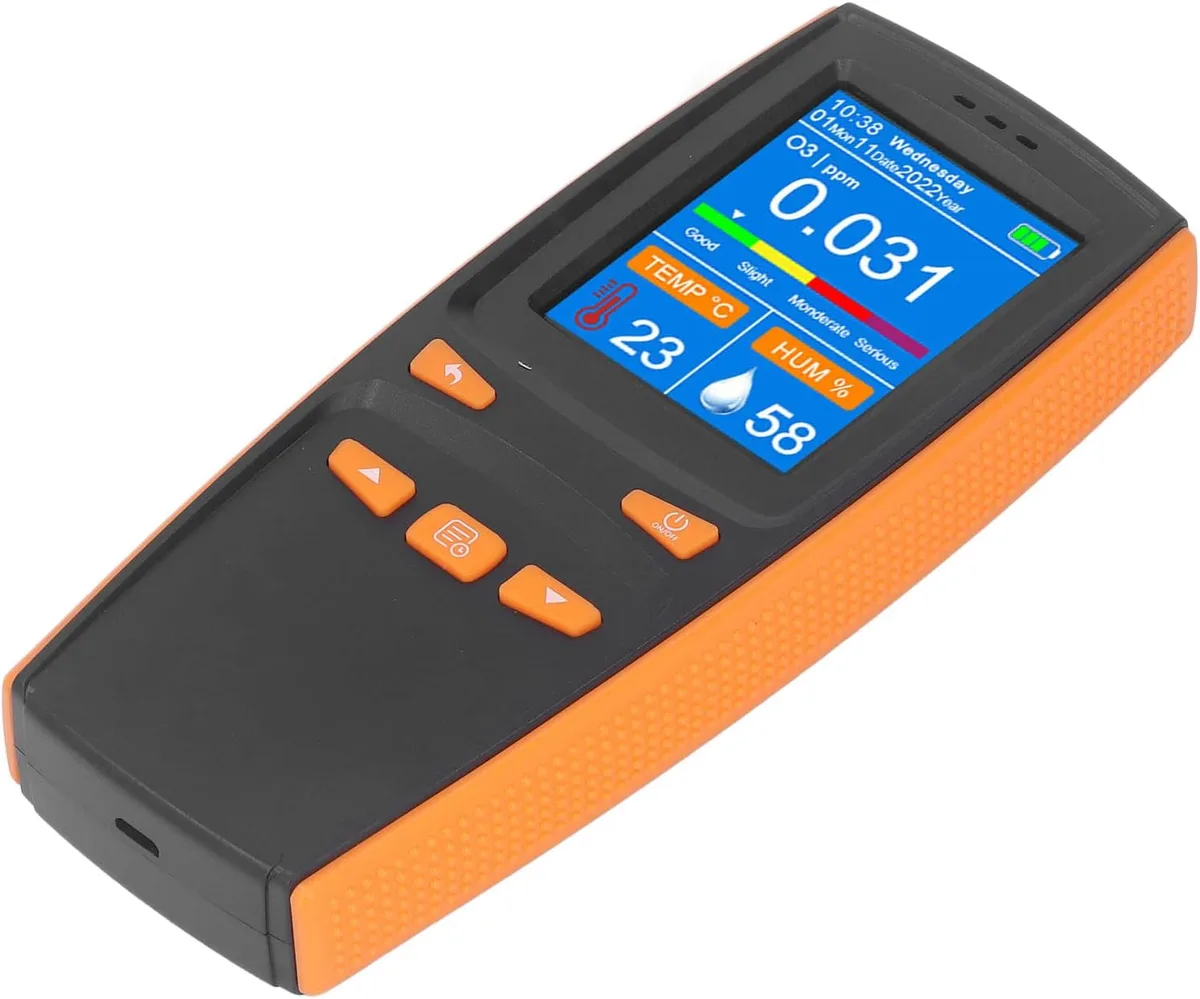
Image source: Bing (Web (fair-use with source credit))
The same high voltage that creates ions can split O₂ molecules. When single oxygen atoms combine with O₂, they form ozone. Ozone is a reactive gas that irritates the lungs.
Even low levels can cause coughing, shortness of breath, and chest pain.
Here are the key limits you should know:
| Standard | Limit | Notes |
|---|---|---|
| California CARB | 0.004 ppm | Maximum for air purifiers sold in CA |
| FDA (medical devices) | 0.05 ppm | For controlled medical settings only |
| EPA outdoor health standard | 0.070 ppm | Not safe for continuous indoor exposure |
The EPA's indoor air quality guide states that ozone is not safe at any level indoors. California's CARB goes further by capping air purifier ozone output. The FDA allows 0.05 ppm for medical devices, but that is for controlled clinical settings, not bedrooms.
Many labels say "ozone-free." In practice, that usually means below the legal limit, not zero ozone. If you have asthma, COPD, or a respiratory infection, any added ozone is too much. Even healthy adults may notice irritation after long exposure.
Can you use an ionizer and stay safe? Yes, if you pick a CARB-certified unit, keep it in an unoccupied room, and turn it off when you are there. But the simplest way to protect your lungs is to choose a HEPA filter.
Ionizer vs. HEPA: Which One Actually Cleans Your Air?
| Feature | HEPA Filter | Ionizer |
|---|---|---|
| How it works | Traps particles in a dense fiber mat | Charges particles to stick to plates or surfaces |
| CADR (typical) | 150–350 CFM | Under 50 CFM |
| Particle removal | >99.97% at 0.3 microns | >95% for large particles, much lower for small |
| Ozone production | None | Yes, measurable |
| Maintenance | Replace filter every 6–12 months | Wash collection plates every 2–4 weeks |
| Best for | Allergies, asthma, smoke, general use | Low maintenance, quiet, rarely used rooms |
HEPA filters capture particles in a dense fiber mat. They do not produce ozone. They use a fan to move air, and they reliably capture particles as small as 0.3 microns.
They do require filter changes, usually every 6 to 12 months.
Ionizers charge particles instead. They do not trap them in a filter. Fanless models are quiet and need no filter replacements.
But they are slow, and they can create ozone.
For most people, HEPA is the better daily driver. Ionizers make more sense as a supplement or in spaces where you do not spend much time. Hybrid units with both HEPA and an ionizer are fine if you keep the ionizer off.
Who Should Use an Ionizer, and Who Should Absolutely Skip It
You might choose an ionizer if:
- You need near-silent operation in a rarely used room.
- You want to avoid filter replacements.
- You are willing to clean collection plates every two to four weeks.
- You only run it when the room is empty.
Skip the ionizer if:
- You have asthma, COPD, allergies, or a chronic respiratory condition.
- Children or older adults spend time in the room.
- You need fast relief from smoke, pollen, or pet dander.
- You want a low-maintenance set-and-forget device.
The science is clear on this. Air cleaners with HEPA filters get strong endorsements from public health agencies. Ionic devices get more caution.
For bedrooms and family rooms, HEPA is safer.
A commercial warehouse with high ceilings is a different story. People are not there for long, and ozone has room to disperse. Even then, check local rules and pick a certified unit.
How to Use an Ionizer Safely (If You Choose One)
- Buy a CARB-certified unit and check the label.
- Place it at least six feet away from where you sit or sleep.
- Run it only when the room is empty.
- Use a timer or turn it off before you enter.
- Clean the collection plates every two to four weeks.
- Keep it away from children and pets.
- Do not rely on it for smoke or severe allergy episodes.
If you have a hybrid model with a HEPA filter, keep the ionizer off and run the fan. That gives you clean air without ozone. If there is a separate switch, control exactly when it runs.
That is the best of both worlds.
Also, watch for warning signs. If the unit smells metallic or sharp, turn it off. That smell often means higher ozone output.
When in doubt, stop using it.
Common Mistakes People Make with Ionizers
- Thinking "ozone-free" means zero ozone. It does not.
- Running the ionizer all night in a bedroom.
- Using a fanless ionizer as the only purifier.
- Skipping plate cleaning and wondering why the air is worse.
- Expecting ionizers to remove odors fast.
- Placing the unit near a bed or couch.
Another common mistake is ignoring black dust. Charged particles settle on walls and electronics. That means the air still contains those particles, just not inside a filter.
If you see black dust, the ionizer is working as designed. It is not failing, but it is also not cleaning the way a HEPA filter would.
Some people buy ionizers to help with allergies. The results are often disappointing. HEPA filters remove allergens from the air and trap them.
Ionizers redistribute them. That is a key difference.
Frequently Asked Questions
Does an ionizer remove smoke from the air?
Partially. Smoke particles can be charged and stick to surfaces. But most smoke particles settle quickly anyway.
An ionizer does not remove gases or odors from smoke. A carbon filter or HEPA filter handles smoke better.
Do ionizers kill viruses or bacteria?
Some manufacturers claim that. The evidence is weak. Ozone can deactivate some microbes, but only at levels that are unsafe to breathe.
A HEPA filter physically removes germs. That is a better strategy.
Can I sleep with an ionizer on?
Not a good idea. Many ionizers emit some ozone, and you spend hours breathing that air. If you need air cleaning at night, use a HEPA-based purifier.
Are "ozone-free" ionizers safe?
Not completely. The term usually means below a legal limit, not zero. That small amount can still bother sensitive people.
CARB-certified units are safer, but caution is still wise.
How do I clean ionizer plates?
Turn off and unplug the unit first. Take out the plates and rinse them in warm soapy water. Scrub off the grey dust, then rinse and dry fully before reinstalling.
Should I buy an air purifier with an ionizer?
If you want reliable, low-risk air cleaning, choose a HEPA filter. An ionizer can be a minor extra on a hybrid unit, but it should not be your only tool.

Similar Posts