Ao Smith Gas Water Heater Troubleshooting
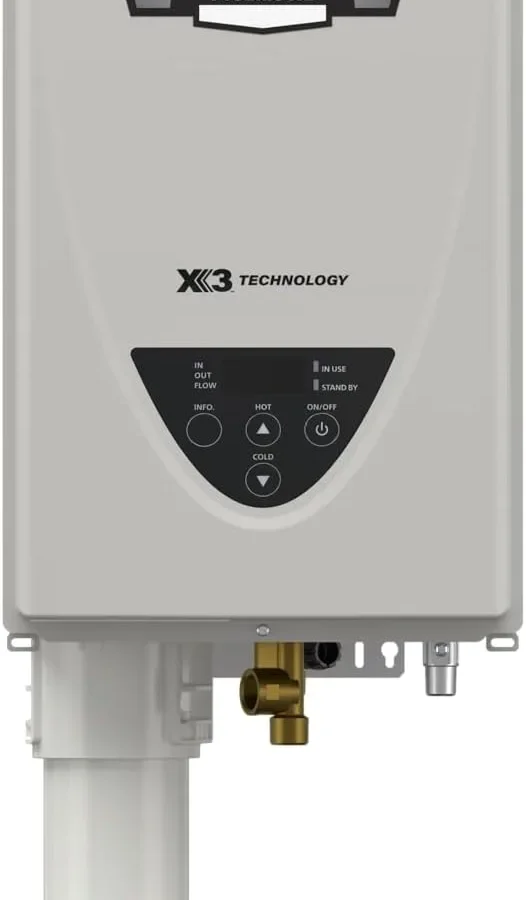
Your AO Smith gas water heater has stopped producing hot water, or the pilot light keeps going out. Maybe you are seeing a blinking error code from the gas valve. Maybe the water simply is not heating like it used to.
That is exactly why we created this practical guide to Ao Smith Gas Water Heater Troubleshooting. It helps you diagnose the issue safely and decide whether to fix it yourself or call a pro.
A.O. Smith residential gas water heaters are built to meet ANSI Z21.10.1 safety standards for gas-fired storage units. Most models use a self-diagnostic gas control valve that communicates problems through a blinking LED.
Understanding what those flashes mean is the first step toward getting your hot water back. Let us walk through the process from start to finish.
Quick Answer
AO Smith gas water heater troubleshooting starts with safety. Check for gas odor and CO detector function first. Read the error code on the gas control valve LED.
Test the thermopile voltage and clean the flame sensor. Always shut off gas supply before replacing parts.
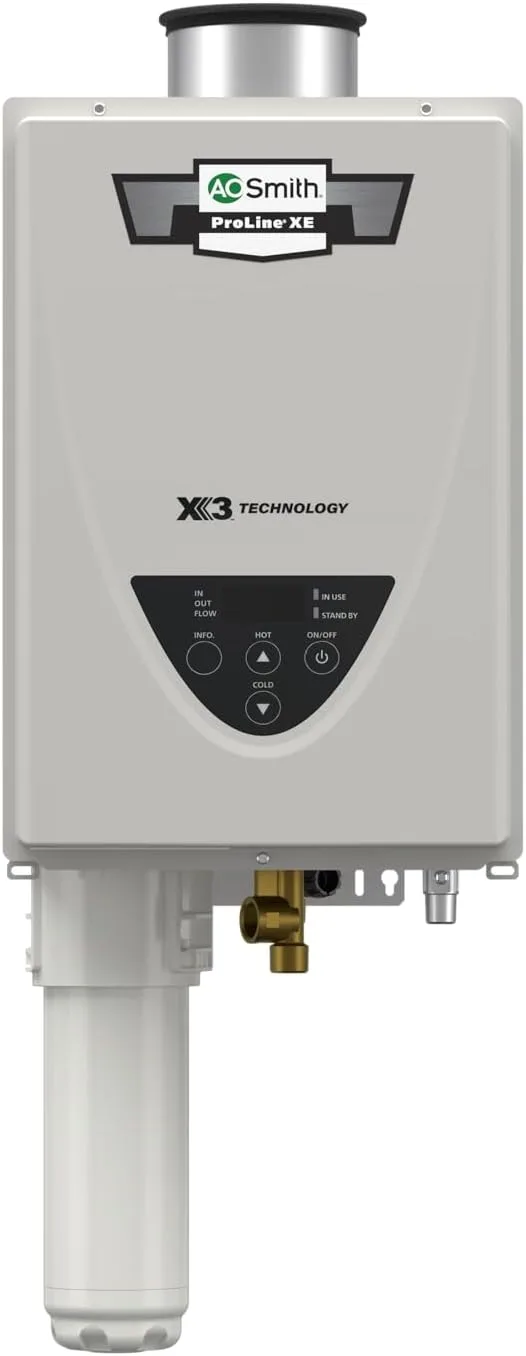
Image source: Bing (Web (fair-use with source credit))
Why You Should Treat This Like Safety Equipment, Not Just a Home Appliance
A gas water heater is not a toaster. It runs on flammable gas. It produces combustion byproducts that can kill you if the venting fails.
Every AO Smith gas water heater includes a Flammable Vapor Ignition Resistance (FVIR) system. It is designed to prevent combustion of volatile fumes near the burner. But the FVIR system does not protect against blocked vents, gas line leaks, or carbon monoxide poisoning.
As of 2026, the National Fire Protection Association reports that heating equipment fires remain a leading cause of home structure fires. Gas water heaters are a significant contributor. That is why we treat this topic as a safety priority before a DIY project.
The NFPA provides additional safety guidelines for gas appliance installation.
Your first responsibility is to know when to stop. If you smell gas at any point, do not touch anything electrical. Do not relight the pilot.
Do not operate any switch. Leave the building immediately from a safe distance. Call your gas utility or a licensed professional.
Carbon monoxide calls for the same urgency. Install a CO detector within 10 feet of your water heater. Test it monthly.
The Consumer Product Safety Commission offers guidance on CO detector placement.
The rest of this guide assumes you have verified the area is safe. You have no gas odor. Your CO detector is functioning.
If those conditions are not met, close this article and call a pro. Your life is worth more than a hot shower.
The 30-Second Quick Check: Age, Gas Valve, and Status Lights
Check the age first. AO Smith water heaters have a serial number that decodes to a manufacturing date. The first two digits often indicate the year and week of manufacture.
For example, a serial starting with 1523 means the 15th week of 2023.
If your unit is over 10 years old and having issues, replacement may be more cost-effective than repair. Tank warranties typically run 6 to 12 years. A 10-year-old water heater is living on borrowed time.
Next, locate the gas control valve. It is the plastic box on the front of the tank. It has the temperature dial and the LED status light.
Write down the model number printed on the sticker. Different models use different blink codes. The correct diagnostic chart depends on that exact model number.
Now read the LED light. A steady light means the system is operating normally. A blinking light indicates an error condition.
Count the blinks carefully. One blink then a pause means something different than four rapid blinks.
Common patterns across AO Smith units include:
- 1 flash: igniter failure
- 3 flashes: failed thermopile (pilot flame not detected)
- 4 flashes: overtemperature or failed gas valve
- 7 flashes: failed main valve
Check your model specific chart in the owner manual. AO Smith publishes detailed diagnostic information on their official support site.
Decoding the Symptoms: What Your AO Smith Is Trying to Tell You
No hot water at all is the most urgent symptom. Start with the pilot. If the pilot is out, the burner cannot ignite.
Check for drafts, a dirty pilot orifice, or a failing thermopile. If the pilot lights but the burner never fires, the problem is likely the thermopile, the gas control valve, or the temperature sensor.
Not enough hot water. This usually points to sediment buildup, a failed dip tube, or a thermostat set too low. If the water runs out quickly after a shower, the dip tube may be broken.
It sends cold water to the top of the tank instead of the bottom. If the water temperature fluctuates, check the thermostat setting first. The recommended safe temperature is 120 degrees Fahrenheit.
Rumbling or popping noises. Those sounds are steam bubbles escaping through sediment layers at the bottom of the tank. Hard water areas are especially prone to this problem.
A full tank flush can resolve it. If left untreated, sediment can damage the tank and cause premature failure.
Water leaking from the top. Check the T&P valve, the inlet and outlet connections, and the dip tube area. Leaks from the bottom of the tank usually mean the tank has rusted through.
Replacement is the only option at that point.
Each symptom points to a different fix. Let us walk through the most common scenario next.
The No-Hot-Water Fix Path: Pilot, Thermopile, and Gas Control Valve
The most common cause of no hot water in an AO Smith gas water heater is a failed thermopile. This remains the most common repair we see in residential units. The thermopile is a small device near the pilot that generates electricity from the flame.
That voltage powers the gas control valve. When the thermopile wears out, the voltage drops, and the valve shuts the gas off.
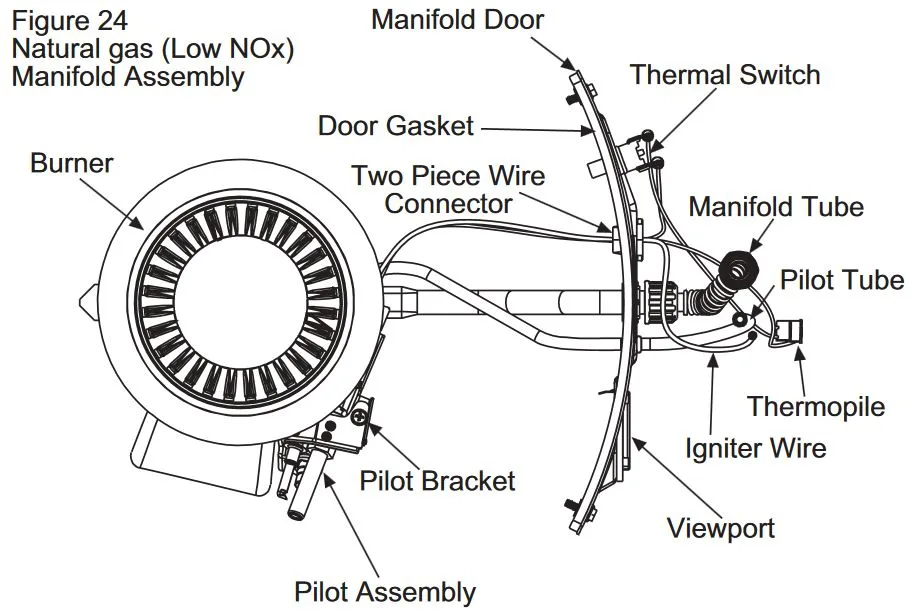
Image source: Bing (Web (fair-use with source credit))
Step 1: relight the pilot. Turn the gas control valve to OFF. Wait five minutes for residual gas to clear.
Then turn it to PILOT. Press and hold the red button, and press the igniter. If the pilot lights and stays lit after releasing the button, you can proceed.
If it goes out, the thermopile is likely bad.
Step 2: test the thermopile voltage. With the pilot lit, set your multimeter to DC millivolts. Touch the probes to the thermopile terminals at the gas valve.
A good reading is above 350 millivolts. Below 300 millivolts means it needs replacement.
Step 3: if the thermopile tests good but the burner still does not fire, the gas control valve itself may be faulty. This is a less common failure, but it happens. Replacing the gas valve requires draining the tank and working with the gas line.
Many homeowners call a plumber at this stage.
Always shut off the gas supply before disconnecting any gas line components. Use a thread sealant rated for natural gas or propane when reconnecting.
The Troubleshooter's Toolkit: How to Test the Parts Safely
You do not need a garage full of tools. A basic digital multimeter, a flathead screwdriver, an adjustable wrench, and a spray bottle will cover most repairs. Add a can of compressed air for cleaning the burner and pilot assembly.
Add a small wire brush for cleaning the flame sensor. That is essentially your entire toolkit.
The multimeter is your most important tool. Set it to DC millivolts for testing the thermopile and thermocouple. Set it to resistance or continuity for checking the gas control valve solenoid and the high temperature limit switch.
Practice on a known good thermopile first so you know what a normal reading feels like.
Gas leak testing requires a spray bottle with soapy water. Mix a tablespoon of dish soap with a cup of water. Spray it on the gas line connections and watch for bubbles.
Any bubbling means a leak. Turn the gas supply off immediately. Tighten the connection and retest.
Do not use a flame to check for gas leaks. This is not a joke. People have been hurt doing exactly that.
Use soapy water or a gas sniffer.
Before opening the burner compartment, confirm the gas supply is off. Give the unit time to cool. Burner compartments can contain sharp edges and soot.
Wear gloves and work in a well-ventilated area. A flashlight also helps you see the burner assembly clearly.
Stop Right Here: The Signs You Shouldn't DIY (Gas Odor, CO, Leaks)
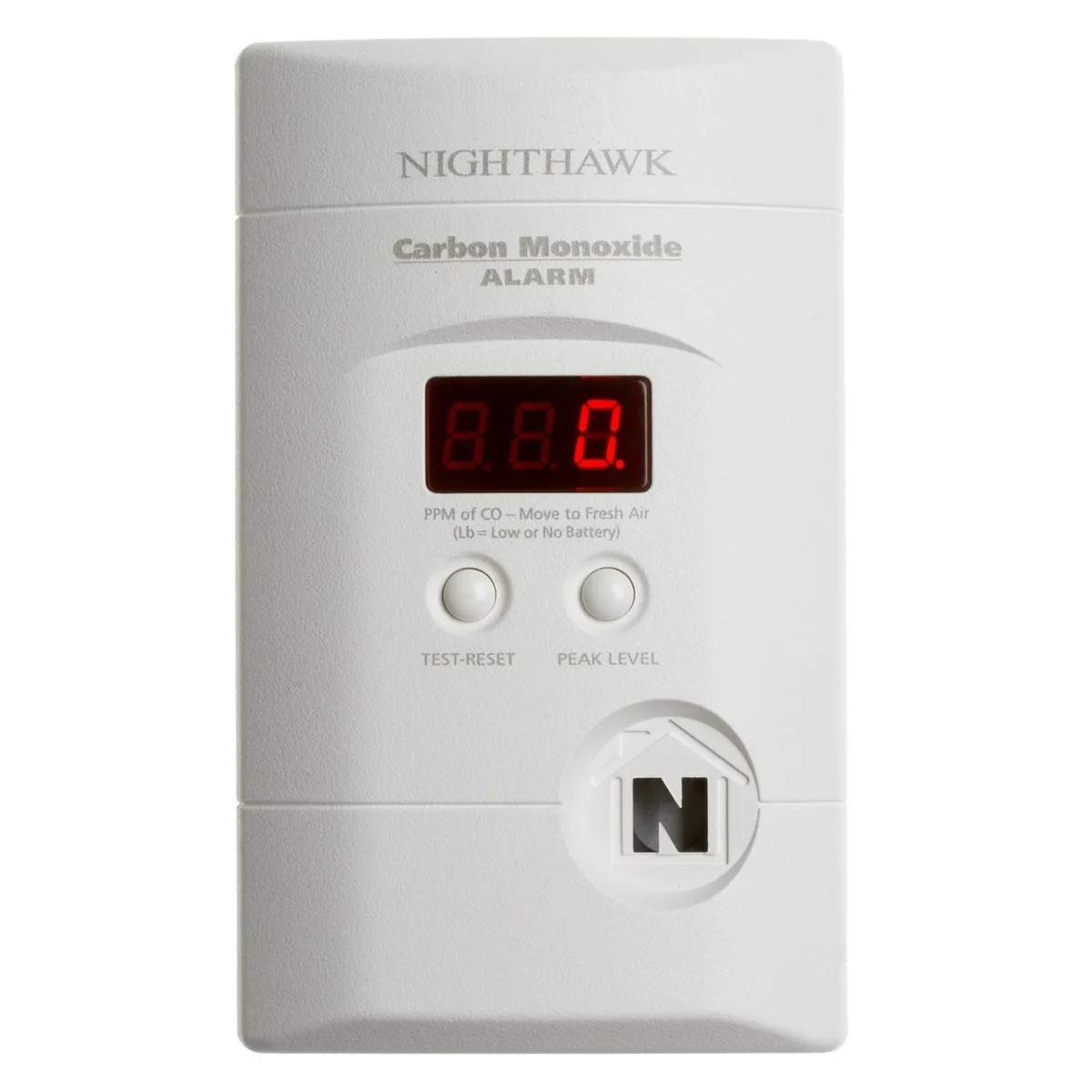
Image source: Bing (Web (fair-use with source credit))
Some problems are not fixable with a multimeter and a screwdriver. Gas odor is the biggest one. If you smell rotten eggs near your water heater, do not touch anything.
Do not flip a light switch. Do not use your phone inside the building. Leave immediately and call your gas utility from outside.
Carbon monoxide poisoning symptoms include headache, dizziness, nausea, and confusion. If anyone in your home feels these symptoms near the water heater area, get fresh air right away. Call 911.
Then contact your gas company to inspect the venting and combustion system. The CDC provides detailed information on CO poisoning prevention.
Large puddles of water under the tank usually mean the tank has rusted through. This is not repairable. Replacement is your only option.
If the T&P valve is actively discharging water, turn the water heater off and call a plumber. An active T&P valve can indicate dangerously high pressure or temperature.
If the gas control valve is flashing an error code you cannot find in the manual, stop guessing. Call AO Smith customer support or a licensed professional. Some codes indicate internal valve failure that only a trained technician should handle.
A Maintenance Routine That Eliminates 80% of Failures
Most AO Smith gas water heater failures come from neglect. A short annual maintenance routine prevents the vast majority of common problems. Homeowners who follow this routine see significantly fewer emergency repairs.
Flush the tank once a year. Attach a garden hose to the drain valve. Run the hose to a floor drain or outside.
Open the valve and let the water run until it clears. If you live in a hard water area, flush every six months. That rumbling noise is sediment buildup.
Flushing removes it before it causes damage.
Inspect the anode rod annually. The anode rod is a sacrificial metal rod that prevents tank corrosion. If it is worn down to less than 1/2 inch of core wire, replace it.
A depleted anode rod leads to rust and tank failure. Replacing the rod costs about 30 dollars and adds years to your water heater life.
Test the T&P valve every year. Lift the lever briefly. You should hear a gush of water into the drain pipe.
When you release it, the valve should seal tightly. If it drips continuously after testing, replace it immediately.
Clean the burner and pilot assembly every two years. Remove the access panel and use compressed air to blow out dust and debris. Inspect the burner ports for soot buildup.
Clean with a soft brush if needed.
Replace the thermopile every three to five years as preventive maintenance. It is a cheap part that tends to fail gradually. Replacing it on schedule saves you from the surprise of a no-hot-water morning.
Frequently Asked Questions
How do I reset my AO Smith gas water heater?
Turn the gas control valve to the OFF position. Wait five seconds. Turn it back to the ON setting.
The unit will attempt to relight the pilot and burner automatically. If the error code returns, you have an underlying problem that needs diagnosis.
Why does my pilot light keep going out on my AO Smith water heater?
A pilot that stays lit briefly then goes out usually means a failing thermopile. Test it with a multimeter. A reading below 300 millivolts means replacement is needed.
Drafts, a dirty pilot orifice, or a loose thermocouple connection can also cause this problem.
What does 3 flashes mean on an AO Smith gas water heater?
Three flashes on most AO Smith gas control valves indicate a thermopile failure. The pilot flame is not generating enough voltage. Replace the thermopile assembly.
If the problem persists after replacement, check for a blocked pilot orifice or insufficient gas pressure.
How long should an AO Smith gas water heater last?
Average lifespan is 8 to 12 years with proper maintenance. Units in hard water areas typically fail sooner. Annual flushing and anode rod replacement can extend the life toward the upper end of that range.
Units over 10 years old with repeated problems should be replaced.
Can I replace an AO Smith gas control valve myself?
You can, but it requires draining the tank, disconnecting the gas line, and correctly threading the new valve. Most homeowners choose to hire a licensed plumber for this repair. Incorrect installation can cause gas leaks or improper operation.
Always follow the manufacturer instructions.
How do I know if my AO Smith water heater is under warranty?
Check the serial number sticker on the side of the tank. Contact AO Smith customer support with the model and serial numbers. They can verify warranty coverage and any remaining term.
Most residential tanks carry a 6 to 12 year warranty depending on the model purchased.

Similar Posts