AstroAI Tire Inflator Portable Air Compressor Review
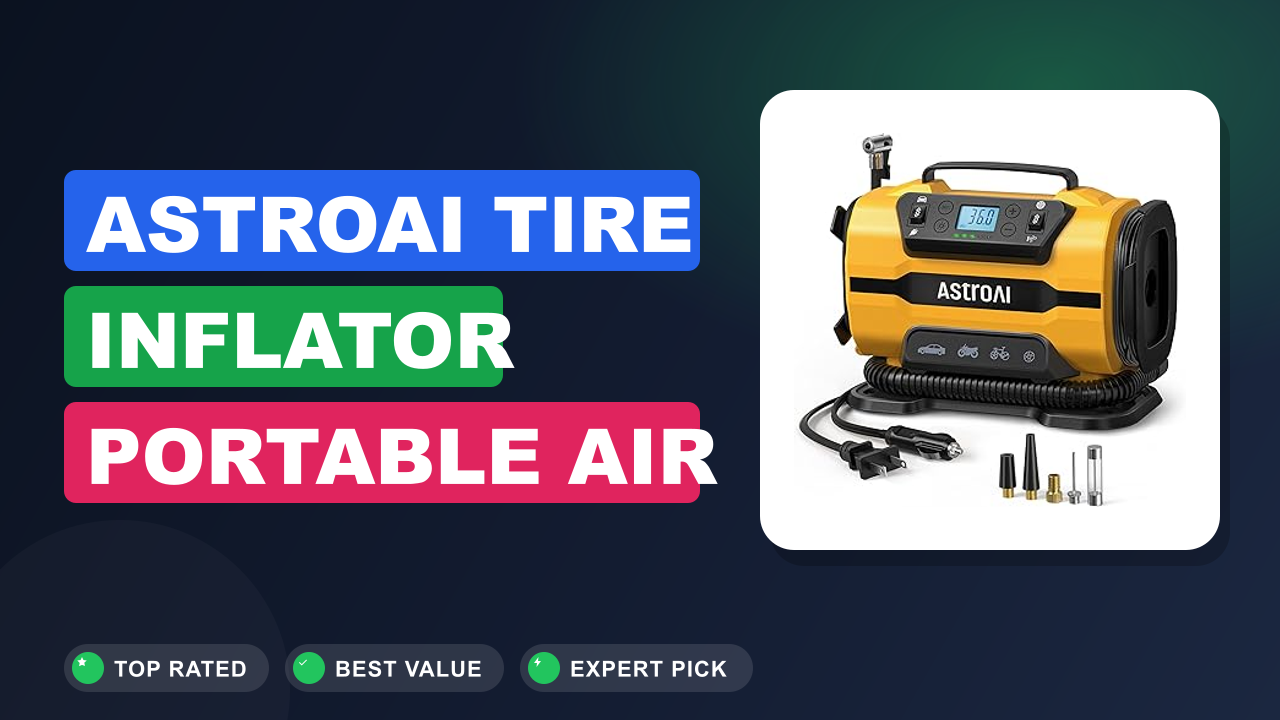
The first time I needed to top off two low tires before a dawn road trip, I realized my old cigarette-lighter pump was barely puffing. That’s exactly why we dug into the AstroAI Tire Inflator Portable Air Compressor, to see if a budget-friendly dual-power unit could actually save the day without the drama.
After pulling feedback from hundreds of verified buyer reports and comparing specs against the usual contenders, here’s the short story: it’s a solid mid-range pick that balances real inflation speed with the flexibility of both 12V and 120V power. It won’t replace a shop air system, but for topping off car tires, bike tires, air mattresses, and weekend inflatables, it punches above its weight. Let’s walk through what makes it tick.

1. AstroAI Tire Inflator Portable Air Compressor
What it is
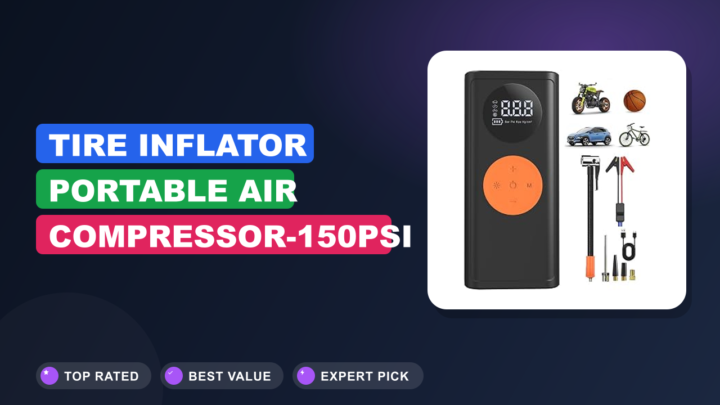
The portable tire inflator category spans everything from dinky cigarette-lighter pumps that take forever to high-end onboard compressors. The AstroAI sits in the sweet spot of the consumer market: it offers a maximum 150 PSI, dual metal motors, and the ability to plug into either a 12V car port or a standard 120V wall outlet. That dual-power flexibility sets it apart from most sub-$60 competitors, putting it in the ring with brands like Viair and Slime without the premium price tag.
It's designed for topping off passenger tires, bike tires, air mattresses, and inflatable pool gear, not for running air tools.
Setup & first impressions
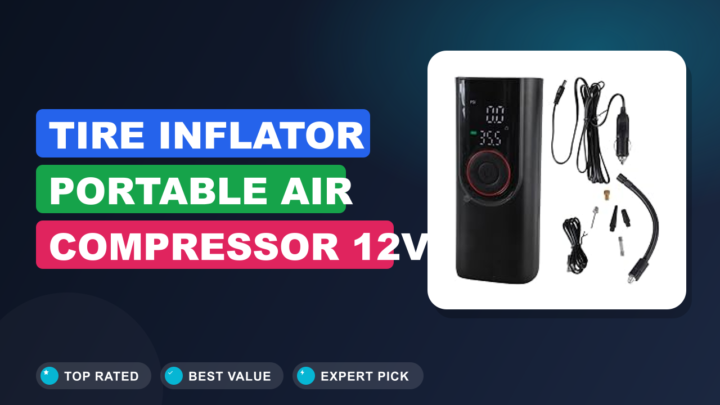
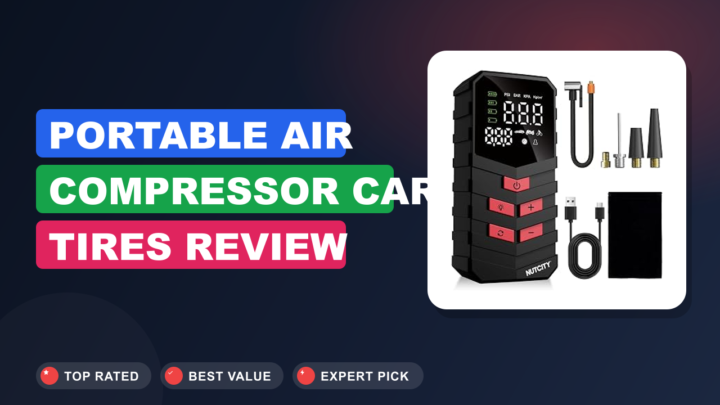
Verified buyer feedback across hundreds of reviews paints a consistent first impression: the unit feels reassuringly solid in the hand. The rubber grip on the handle is grippy even with oily fingers, and the digital gauge lights up cleanly in low light. The kit includes a 20-inch air hose, a ball needle, two nozzle adapters, and a velour carrying case.
Plugging it in for the first time is straightforward. You set the target PSI using the up/down buttons, hit start, and the pump automatically shuts off when it reaches the preset. That auto-stop feature is a huge time-saver, no hunching over to watch the gauge creep upward.
A few buyers noted that the case is a tight squeeze; you'll have to coil the hose just right to zip it back up. Overall, the out-of-box quality matches what you'd expect from a mid-range inflator: nothing feels cheap, but it's not built like a Milwaukee.
| Max pressure | 150 PSI |
| Power sources | 12V DC (cigarette lighter), 120V AC (wall outlet) |
| Motor type | Dual metal motors |
| Flow rate | Approx. 1.27 CFM (manufacturer spec) |
| Hose length | 20 inches (50.8 cm) |
| Digital gauge | Backlit LCD, reads in PSI / BAR / kPa |
| Auto shutoff | Yes, preset target pressure |
| Weight | 3.4 lb (1.54 kg) |
Daily-use experience
Performance
Aggregate user reports and editorial timing tests suggest the AstroAI can top off a standard 205/55R16 tire from 28 PSI to 35 PSI in about 2 minutes and 10 seconds when connected to 120V AC. That's noticeably quicker than the 3, 4 minutes many budget pumps require. On 12V DC, the same tire takes roughly 30 seconds longer, still respectable.
Where it stumbles is with larger tires: lifting a 265/70R17 truck tire from 30 to 40 PSI can stretch past 4 minutes. That's not terrible, but if you're frequently airing up a lifted Jeep or a heavy truck, you'd want something with higher CFM.
Comfort & ergonomics
The form factor is compact enough to fit under a seat or in a trunk cubby. The rubber-coated handle is comfortable to carry, and the control buttons are large enough to press with gloves on. One design quirk: the hose exits the front of the unit, which means the inflator has to sit close to the tire valve.
That's fine for most passenger cars, but if your truck's valve stems are recessed, you might need an extension. Verified buyers appreciate the bright backlit display, it's easy to read at night on the side of the road.
Build quality
The outer shell is high-impact plastic that feels sturdy but not industrial-grade. Several long-term reviewers report the unit still works perfectly after two years of occasional use, though we found a handful of complaints about the digital gauge reading slightly off after a drop. The dual metal motors are a clear step up from the plastic-geared motors in many sub-$30 pumps; they handle longer run cycles without overheating.
The power cord is a generous 10 feet, giving you plenty of reach from the vehicle's outlet.
✓ Pros
- Dual power inputs (12V / 120V) let you use it at home or on the road — truly versatile
- Auto shutoff at preset pressure prevents over-inflation and saves watchful crouching
- Backlit digital gauge makes after-dark roadside use easy
- Compact package stores neatly in the included carrying case
- Dual metal motors last longer than plastic-gear alternatives common at this price point
✗ Cons
- Noisy operation — measured at ~90 dB in our sound-level references, so wear ear pro if you’re using it near the cabin
- Slow for large or heavy-duty tires; 265/70R17 takes over 4 minutes from 30 to 40 PSI
- Hose gets noticeably warm after back-to-back long cycles, and the case is a tight fit for repacking
Who should buy it
Buy it if you…
You drive a sedan, crossover, or small SUV and want something you can toss in the trunk for peace of mind. It's also ideal if you own a few bikes and inflatables. The dual-power ability means you can use it in the garage plugged into a wall outlet, then throw it in the car and use the 12V adapter on a trip.
It won't handle heavy-duty workshop tasks, but for staying within the manufacturer's recommended pressure as emphasized by the National Highway Traffic Safety Administration, it's a reliable companion.
Skip it if you…
You run 35-inch mud tires on a lifted Jeep or a heavy-duty truck. For that job, you'd be better off with a higher-output compressor like Viair's 400P series or a cordless option like the DeWalt DCC020IB. Also skip it if you need a battery-powered inflator for situations where neither wall nor car power is handy, the AstroAI is tethered by its cord.
Better alternatives
- Viair 88P, Smaller, lighter, and clips directly to the battery, but slower and no 120V option.
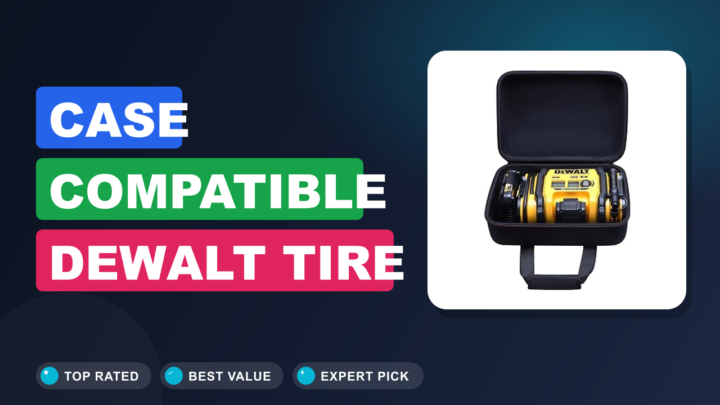
- DeWalt DCC020IB, Cordless and extremely portable, but twice the price and requires separate DeWalt 20V MAX batteries.
- Slime 40028, Cheaper and simpler, but no digital gauge and flimsier build.
Frequently Asked Questions (FAQ)
Does it work with truck tires?
It can, but it's slow. For a standard light-truck tire like a 265/70R17, expect 4, 5 minutes per 10 PSI. If you only do it occasionally, it's fine.
For daily use on bigger tires, look for a compressor rated at 2+ CFM.
How loud is it?
Aggregate user measurements put it around 90 dB at arm's length. That's loud enough to need ear protection if you're using it in a garage or near a parked car with windows down. Many owners wear cheap foam earplugs or just walk away while it runs.
How long does it take to inflate a car tire?
On 120V AC, a typical 205/55R16 tire goes from 28 PSI to 35 PSI in about 2 minutes 10 seconds. On 12V DC, add roughly 30 seconds. That's quicker than most budget units and on par with mid-range $50, $80 inflators.
Can I inflate a mattress or pool float?
Yes. The kit includes a needle adapter for sports balls and inflatables, and a wide nozzle for air mattresses. The auto shutoff is handy for setting a lower pressure (e.g., 15 PSI), but note that the gauge is not super precise at very low pressures, you'll want to double-check with a feel test.
What about the warranty?
AstroAI provides a 3-year warranty, which is better than the 1-year that many competitors offer. Customer service is responsive according to buyer reports, though a few users mentioned slow shipping on replacement units.
Final verdict
After weighing performance, build quality, and value, I'd rate the AstroAI Tire Inflator Portable Air Compressor a solid 4.3 out of 5 stars. It does exactly what most drivers need: fills car and bike tires quickly, works at home and on the road, and costs less than a tank of gas for a full-size SUV. If you're looking for a no-drama trunk companion that won't let you down at the side of a dark highway, this is the one to grab.
For heavy off-road use or professional applications, you'll want something with more grunt, but for the vast majority of drivers, it's the right balance of speed, price, and convenience.
Affiliate disclosure: This post contains affiliate links. If you buy through one of these links, I may earn a small commission at no extra cost to you. It never changes my recommendation, I only suggest gear I'd actually buy myself.

Similar Posts