5 Best AI Gadgets For Work: Top Smart Picks
The best AI gadgets for work turn meetings, calls, and daily tasks into clear, useful results.
You finish a long meeting, open your notes, and find half-written thoughts, missing details, and no clear task list. I know that frustration well. The right AI work gadget can record key points, reduce background noise, translate speech, and help you stay focused instead of typing every word. In this guide, I review practical devices for home offices, shared workspaces, travel, and client calls. I focus on useful features, comfort, limits, and real work value so you can choose with confidence.

HiDock P1 AI Voice Recorder:…
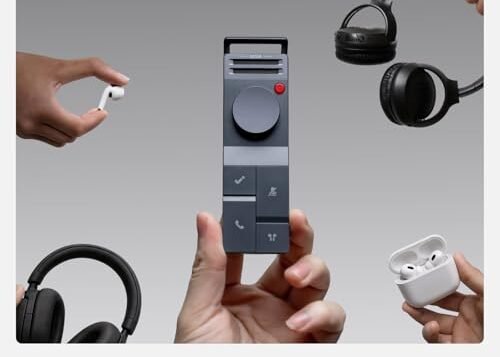
HiDock P1 – Meeting Note-Taker, Record Even with Your Earphones On The HiDock P1 Works with Bluetooth Earbuds – The world’s first recorder to work seamlessly with your own Bluetooth…

HiDock P1 AI Voice Recorder…
HiDock P1 – Meeting Note-Taker, Record Even with Your Earphones On The HiDock P1 Works with Bluetooth Earbuds – The world’s first recorder to work seamlessly with your own Bluetooth…

Osawalla 2026 Smart Audio Glasses…
【Revolutionary Adjustable Tint Control】Experience the power of smart tint technology. Unlike passive photochromic lenses, these adjustable tint sunglasses let YOU decide the darkness. Simply slide/touch the frame to cycle through…
HiDock P1 AI Voice Recorder
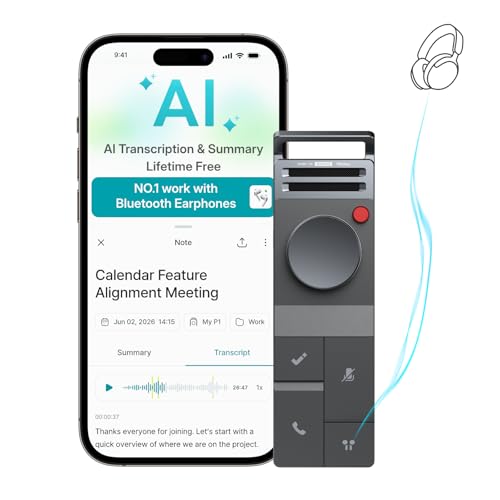
The HiDock P1 is a compact AI voice recorder made for people who move between meetings, calls, and desk work. Its listing highlights Bluetooth earbud support, digital recording, transcription, summaries, and playback control through the HiNotes system. The 64GB storage gives you room for many recordings, although exact recording time depends on audio quality and file format. I like this design because it aims to replace several small tools with one simple device.
This recorder can help when you need to stay present during a meeting. Instead of glancing down at a keyboard, you can listen, ask questions, and review the transcript later. AI summaries can also help turn a long conversation into key points, decisions, and follow-up items, but I would still check important names, numbers, and deadlines against the original audio. For managers, students, sales staff, and remote workers, that extra review can save time without removing human judgment.
Pros:
- Portable size fits easily in a work bag or pocket
- Supports Bluetooth earbuds for more private playback
- AI transcription can reduce manual note-taking
- AI summaries help surface key topics and action items
- 64GB storage offers useful space for frequent recordings
- Playback control makes it easier to review a meeting
- Useful for office meetings, interviews, lectures, and calls
Cons:
- Transcription quality may change with accents, noise, and overlap
- AI features may depend on an app, account, or service access
- Users should review summaries before sharing them as official notes
A key strength of the P1 is its focus. Many productivity devices try to do too much. This one centers on capturing speech and making it easier to use later. That makes it a strong choice for someone who regularly leaves meetings with a mental pile of loose ends.
The Bluetooth earbud feature is also worth noting. Private playback helps in an open office, airport lounge, or shared home. You can review a short section without playing the whole conversation aloud. It also makes the device more useful when your phone is busy with another task.
The main caution involves privacy. Before recording coworkers, clients, or guests, follow your local laws and workplace rules. Consent requirements vary by location, and a useful AI gadget should never become a reason to ignore trust. I also recommend using a strong account password and checking how the related app stores or processes recordings.
For the best results, place the recorder where voices are clear and close. Avoid putting it beside a laptop fan, speaker, or cup that may create sharp noise. After each meeting, rename the file with the date and project name. This small habit makes the AI transcript much easier to find later.
HiDock P1 AI Recorder With Earbuds

This second HiDock P1 version focuses on recording, playback, and AI transcription, with Bluetooth earbuds included in the listed setup. It is aimed at people who want a ready-to-use meeting tool rather than a recorder that depends on a complicated collection of accessories. The product listing also mentions voice activation, lecture notes, meeting notes, and a 64GB capacity. That combination makes it appealing for both office work and study.
I see this model as a practical option for people who often work away from a fixed desk. You could use it during a client discussion, training session, lecture, or planning meeting, then listen to the recording through the paired earbuds. The AI summary may shorten review time, while the full recording gives you a way to verify details. In my experience, that two-step approach is safer than trusting any automatic summary without checking it.
Pros:
- Includes Bluetooth earbuds for convenient private listening
- Voice activation may help capture speech with less button use
- Designed for meetings, lectures, interviews, and work notes
- AI transcription can make spoken information searchable
- AI summaries may speed up post-meeting review
- 64GB storage supports regular use
- Portable design works well for mobile professionals
Cons:
- Automatic voice detection may react differently in noisy rooms
- Earbud fit and battery life can vary by user
- Some advanced features may require compatible software or services
The included earbuds give this package a clear advantage over a recorder sold alone. You do not need to search for a compatible listening device before your first review session. That helps busy users who want to record a conversation and move on with the day.
Voice activation can be useful when your hands are full or when you need to start recording quickly. Still, I would not rely on it blindly for an important meeting. Test the feature in a quiet room first, then confirm that the recording begins and ends as expected.
The P1 also makes sense for people who learn through audio. A student can capture a lecture, while a new employee can review training points later. A consultant can save interview notes without stopping the flow of a conversation. The device is not a replacement for organized work, but it can serve as a reliable memory aid.
There are a few smart habits that improve results. Charge both the recorder and earbuds before a long day. Check available storage before a conference or travel session. If your work involves sensitive customer information, confirm that the recording and transcription workflow meets your company policy.
One more point matters for Amazon shoppers: check the current listing for app support, subscription details, warranty terms, and shipping status. Product software can change over time. A hardware feature may look excellent on paper, but the daily experience depends on the companion app and the services behind it.
Osawalla Smart Audio Glasses
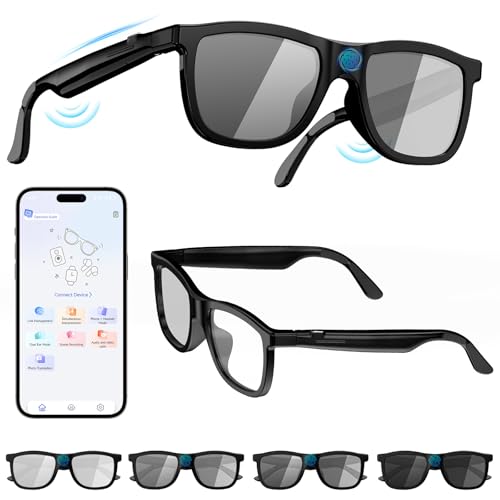
The Osawalla smart audio glasses combine eyewear, open-ear Bluetooth audio, adjustable tint, and AI translation features. The listing describes electrochromic lenses, Bluetooth 5.4, and a design for driving, travel, and daily use. For work, the most interesting benefit is hands-free access to audio without covering your ears. That can be helpful when you need to hear a coworker, vehicle, announcement, or client at the same time.
These glasses are not a typical office device, and that is part of their appeal. They may suit sales workers, field staff, travelers, event teams, and people who move through several locations during the day. Open-ear sound can keep the user aware of the room, while translation tools may assist during basic multilingual conversations. I would treat translation as a support tool, not a perfect substitute for a skilled interpreter or a careful human review.
Pros:
- Open-ear audio helps users remain aware of nearby sounds
- Adjustable tint can improve comfort in changing light
- AI translation may support travel and client conversations
- Bluetooth connection offers hands-free audio access
- Wearable form keeps the phone out of your hand
- Useful for field work, commuting, and mobile business tasks
- Looks more like everyday eyewear than a bulky headset
Cons:
- Open-ear audio may be harder to hear in loud places
- Translation performance can vary by language and network access
- Lens tint and frame fit may not suit every face
- Battery life should be checked before full-day travel
The biggest benefit here is context. Earbuds can block outside sound, but open-ear glasses let you hear audio while staying connected to the space around you. That matters to a warehouse supervisor, real estate agent, tour worker, or consultant walking through a busy site.
The electrochromic lens feature may also reduce the need to carry a second pair of sunglasses. Moving from a bright sidewalk to a shaded lobby can be less annoying when the lens adjusts to the light. However, I would still confirm the exact tint range and transition behavior before depending on it for long drives.
AI translation has strong potential for work travel. It can help with greetings, short questions, directions, and simple exchanges. Yet speech recognition may struggle with fast talk, slang, poor signal, or multiple people speaking at once. For legal, medical, financial, or contract matters, use a qualified interpreter or written confirmation.
Comfort is more important than many shoppers expect. Smart glasses sit on your face for hours, so frame weight, nose support, temple pressure, and lens shape all matter. I recommend checking the fit soon after arrival and using the return window if the frame causes pressure or slips while walking.
Privacy also deserves attention. A wearable device with microphones can make people uncertain, even when it does not record video. Use it openly, follow workplace rules, and tell people when a conversation may be recorded or processed. Good etiquette protects trust and makes the technology easier to accept.
Among the Best AI Gadgets for Work, these glasses are the most specialized. They will not replace a conference speaker or desk recorder. Instead, they add value when your work involves movement, travel, translation, and quick access to audio.
HiDock H1 Lite AI Conference Speakerphone

The HiDock H1 Lite is built for desk work, online meetings, and home office calls. Its listing highlights a conference speakerphone design, noise-canceling microphones, Bluetooth earphones, AI transcription, and meeting summaries. It is also described as an audio companion for a Mac mini and a home office AI voice recorder. This mix makes it more suitable for a permanent workspace than a pocket-first recorder.
A good speakerphone should make a meeting feel less tiring. You want voices to sound clear, your microphone to pick up your words, and background noise to stay in the background. AI transcription can create a written record, while summary tools may help you find decisions after the call. I still recommend testing it with your preferred meeting platform because connection behavior can depend on the computer, app, and operating system.
Pros:
- Designed for home offices and conference calls
- Noise-canceling microphones can reduce common room noise
- Speakerphone format supports hands-free conversations
- AI transcription helps create searchable meeting records
- AI summaries can reduce the time spent reviewing calls
- Bluetooth earphone support adds private listening flexibility
- Useful companion for a Mac mini or desktop workstation
Cons:
- Desk-focused design is less convenient for frequent travel
- Noise cancellation cannot remove every voice or sharp sound
- Compatibility should be checked with your meeting software
- AI features may depend on service access or account settings
This is the product I would consider first for a fixed home office. A dedicated speakerphone can feel cleaner than balancing a laptop on a stand or using a phone on speaker. It gives the desk a central audio hub and can reduce cable clutter.
Noise-canceling microphones are useful, but shoppers should set realistic expectations. They can reduce steady sounds such as a fan, air conditioner, or light keyboard noise. They may not fully remove a barking dog, a nearby conversation, or a child asking a question. Good microphone placement still matters.
The H1 Lite may be especially helpful for teams that rely on frequent calls. After a meeting, a transcript can make it easier to locate a decision or confirm who agreed to a task. A summary may provide a quick starting point for an email, but I would edit the message before sending it to a client or executive.
Mac mini users may find the product concept attractive because a small desktop computer often needs separate speakers and microphones. A combined audio device can make the setup more complete. Windows users should also check supported connections and controls before buying.
For a better call, place the speakerphone near the center of the desk, away from walls and laptop vents. Keep the microphone path clear. Speak at a normal pace and ask remote attendees whether your voice sounds natural. These simple steps often improve results more than changing advanced settings.
The H1 Lite is one of the Best AI Gadgets for Work for people who want meeting support without wearing headphones all day. It is less exciting than smart glasses, but its value is easier to see during a normal workweek.
AI Smart Glasses With Real-Time Translation

These AI smart glasses use a half-frame design with Bluetooth 6.0, photochromic lenses, and advertised real-time translation for up to 164 languages. The product listing also mentions a free app and work or travel use. The glasses aim to provide audio assistance without forcing you to hold a phone. That makes them interesting for people who spend much of the day walking, meeting visitors, or working across language barriers.
I would view this model as a mobile communication aid. It may help with short spoken exchanges, travel questions, and simple workplace conversations. Photochromic lenses can add comfort when lighting changes during a commute or site visit. As with any translation gadget, results depend on speech clarity, language support, app performance, and the strength of the connection.
Pros:
- Advertised support for a broad range of translation languages
- Bluetooth 6.0 offers a current wireless connection standard
- Photochromic lenses can adjust to changing outdoor light
- Half-frame design may feel light and less bulky
- Hands-free audio keeps the phone available for other tasks
- Useful for work travel, hospitality, and field service
- Free app lowers the barrier to getting started
Cons:
- Language support does not guarantee equal quality in every language
- Real-time translation may need a phone or internet connection
- Small frames may not fit every user comfortably
- Photochromic lenses may not change instantly
The language count is the headline feature, but the practical test is not the number alone. Ask whether the languages you need support two-way speech, text, offline use, and natural accents. A device may list many languages while offering stronger performance in only the most common ones.
For business travel, the hands-free design can reduce friction. You can keep your phone in a pocket while hearing a translation or audio prompt. That feels more natural than stopping every few seconds to look down. It may also help customer-facing workers maintain eye contact.
Photochromic lenses are another useful touch. They can make outdoor work more comfortable and reduce the need to switch eyewear. Still, these lenses are not a substitute for certified protective eyewear in a hazardous workplace. If your job involves dust, impact, chemicals, or intense glare, use safety equipment designed for that risk.
Bluetooth 6.0 is a modern feature, but the full benefit depends on the phone and app. Wireless standards do not guarantee perfect range or battery life. Before a trip, pair the glasses, test translation, update the app, and download any supported language resources if the app allows it.
I would also avoid using automatic translation for sensitive decisions. A short greeting is one thing. A contract term, medical instruction, or safety warning needs careful human confirmation. Treat the glasses like a helpful bridge, not a flawless expert.
These glasses could be a good match for multilingual teams and frequent travelers. They are less useful for someone who spends all day at a desk and needs detailed meeting notes. In that case, a speakerphone or voice recorder offers a clearer return.
How I Evaluate the Best AI Gadgets for Work
I do not judge a work gadget by its feature list alone. AI tools often sound impressive in an advertisement, but daily value comes from speed, accuracy, comfort, setup, and trust. A product can have advanced software and still disappoint if its battery dies before lunch or its app is hard to use.
I first look at the main job. A recorder should capture speech clearly. A speakerphone should handle voices and reduce common noise. Smart glasses should remain comfortable and keep audio easy to hear. Translation tools should support the languages and situations that the buyer actually faces.
I also check the difference between a hardware feature and a service feature. A device may include microphones and storage, while transcription and summaries may run through an app or cloud service. That can affect privacy, cost, internet needs, and long-term access. Buyers should read the current Amazon listing and manufacturer terms before assuming every AI function is free forever.
Audio Quality Matters More Than AI Hype
AI cannot fix every bad recording. If the microphone hears a distant speaker, a loud fan, and three people talking at once, the transcript may contain errors. Clear placement and quiet surroundings still matter.
For meetings, I prefer a device that preserves the original audio as well as creating a transcript. The recording lets you check a quote, name, or deadline. The transcript saves time when you need to search for a topic.
Privacy Should Guide Your Choice
Work recordings may contain customer data, private plans, personal details, or financial information. Before using an AI recorder, ask who can access the audio, where files are stored, and whether you can delete them. Use consent when required by law or company policy.
Smart glasses raise an extra social concern because people may not know when the device is active. I recommend explaining the device in a direct, calm way. Clear communication is better than surprising people.
Comfort Affects Real Use
A gadget that feels fine for ten minutes may become annoying after two hours. Check weight, buttons, earbud fit, frame pressure, and heat. For desk devices, look at cable length, footprint, and whether the unit blocks other equipment.
The best AI Gadgets for Work should reduce effort, not create another chore. If charging, pairing, and troubleshooting take too long, many users will return to old habits.
App Support and Compatibility
Always check compatibility with your phone, computer, and meeting platform. A device may work well with one operating system but offer limited controls on another. Bluetooth pairing can also vary between devices.
For business use, I suggest testing the gadget during a low-risk meeting first. Confirm the microphone, recording button, transcript, summary, playback, and export options. Do not make an important client call your first test.
Which Work Problem Does Each Gadget Solve?
The HiDock P1 models solve the problem of forgotten details. They work best when your day includes meetings, interviews, lectures, or calls that produce more information than you can type. The first P1 is a strong pocket recorder, while the earbud bundle adds convenience for private review.
The Osawalla audio glasses solve the problem of staying connected while moving. They can suit field workers, travelers, and people who need open-ear audio. The translation feature may help with quick exchanges, but it should not replace a professional interpreter for high-risk communication.
The HiDock H1 Lite solves the problem of weak desk audio. It can give a home office a central speakerphone and microphone. It is the most natural fit for remote meetings and regular video calls.
The second AI smart glasses model targets similar mobile needs, with a strong focus on translation and changing light. It may appeal to people who want a lighter wearable device for work travel. The most important buying question is whether the frame fits and whether the app supports your real language needs.
Setup Tips for Better AI Work Results
Start by charging the device fully. Install the official app from a trusted store, create a strong password, and update the firmware if an update is offered. Then test a short recording and review the file before using the product in a real meeting.
Name recordings in a consistent format. I like “2026-Meeting-Client-Project” because it sorts well and stays easy to search. Delete duplicate files and old recordings that you no longer need.
For transcripts, speak clearly and reduce cross-talk when possible. Ask one person at a time to talk during a formal meeting. If the room is large, place the recorder near the main speakers rather than beside your own chair.
Use AI summaries as drafts. Check every task owner, date, amount, and decision. AI can save time, but a quick human review protects your team from small errors that can grow into large problems.
For smart glasses, test them in a quiet place before using them outside. Learn the volume controls, translation controls, battery indicator, and app settings. Keep a normal pair of glasses or earbuds available in case the battery runs low.
Best For Table
| Best for | Why |
|---|---|
| Meeting notes and interviews | The HiDock P1 models combine recording, playback, transcription, summaries, and portable design. |
| Home office video calls | The HiDock H1 Lite offers a desk-focused speakerphone setup with noise-canceling microphones. |
| Travel and multilingual work | The Osawalla and AI translation glasses provide open-ear audio, wearable access, and translation features. |
My Recommendation
If I had to choose one product for the widest range of office users, I would start with the HiDock P1 AI Voice Recorder. It offers the most direct solution to a common work problem: keeping accurate notes without losing attention during a conversation. The combination of portable recording, playback, transcription, summaries, and storage makes it a flexible option for managers, students, sales staff, and remote workers.
The HiDock P1 with Bluetooth earbuds is the better package for people who review audio in shared spaces. The earbuds add privacy and make the device more useful away from a desk. Choose the H1 Lite if your main need is a home office conference speakerphone rather than a pocket recorder.
The Osawalla smart audio glasses are best for mobile workers who need open-ear audio and adjustable lenses. They may be useful for travel, customer service, events, and light translation needs. The other AI smart glasses are a stronger choice for shoppers who care most about advertised language support and photochromic lenses.
Among the Best AI Gadgets for Work, no single device fits every job. Think about where you work, how often you join meetings, whether you travel, and how much private data you handle. Check current app terms, compatibility, battery information, and return details before buying, since software features and availability can change.
FAQs Of Best AI Gadgets for Work
What are the best AI gadgets for work meetings?
The HiDock P1 models are strong choices for recording meetings, creating transcripts, and reviewing summaries. The HiDock H1 Lite is better for a fixed desk and online conference calls. Your best option depends on whether portability or speakerphone quality matters more.
Can AI voice recorders replace handwritten notes?
They can reduce the need to write every word, but they should not replace all notes. I recommend using the transcript and summary as a draft, then checking names, dates, figures, and action items. Always follow recording consent laws and workplace rules.
Do AI smart glasses need a phone?
Many smart glasses use a phone app for setup, controls, translation, or internet access. Exact requirements vary by model and feature. Check the current product listing and app information before buying, especially if you need offline translation.
Are open-ear smart glasses good for a noisy office?
They can work in a quiet or moderate space, but loud rooms may make audio harder to hear. Open-ear sound is useful when awareness matters, yet it may not provide the isolation of earbuds or headphones. Test the volume at a safe level.
Are AI summaries accurate enough for business records?
AI summaries are useful for a first draft, but I would not treat them as final business records without review. Background noise, accents, overlapping speech, and technical terms can cause errors. Confirm important information against the original audio.
Final Verdict: Which Should You Buy?
The HiDock P1 AI Voice Recorder is the best overall pick for most workers because it combines portability, recording, transcription, summaries, and playback. Choose the H1 Lite for desk calls, or smart glasses for travel and translation.
The Best AI Gadgets for Work should save time and reduce stress. Pick the device that matches your daily routine, then verify privacy, app support, battery life, and current Amazon availability before ordering.

Similar Posts