5 Best AI Robot Vacuums (2027): Top Smart Cleaning Picks
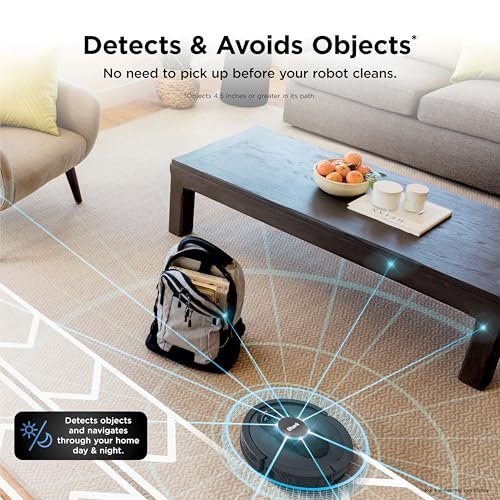
The best AI robot vacuums combine smart mapping, strong suction, obstacle avoidance, and hands-free cleaning.
A busy home can get dirty fast. Pet hair gathers under chairs, crumbs hide near the kitchen, and fine dust settles on hard floors before you notice it. I know how easy it is to delay cleaning when life gets full. The best AI robot vacuums help by learning your home, avoiding many common obstacles, and cleaning on a schedule. Some also empty their bins, mop floors, and return to the dock when the battery runs low. This guide compares five strong options for homes with pets, carpets, hard floors, children, and limited time.

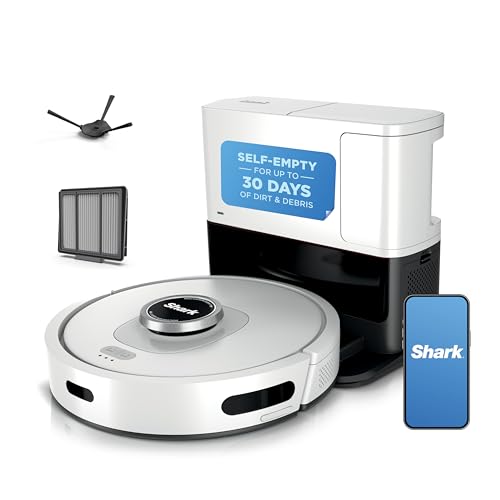
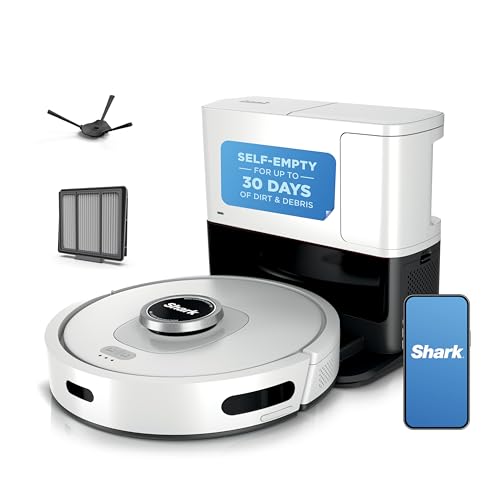
Shark AV2501S AI Ultra Robot…
INCREDIBLE SUCTION: Powerful Shark suction picks up dirt and debris on all floor types—tackling even the toughest of messes in your home. NO SPOTS MISSED: With Matrix Clean Navigation, the…
Shark AI Ultra Robot Vacuum,…
HIGH SUCTION POWER: Shark’s powerful suction captures dirt, debris, and pet hair across all surfaces—carpets and hard floors alike—making this robot vacuum the ultimate solution for deep, everyday cleaning. MATRIX…
Shark AV2501AE AI Robot Vacuum…
INCREDIBLE SUCTION: Powerful Shark suction picks up dirt and debris on all floor types—tackling even the toughest of messes in your home. NO SPOTS MISSED: With Matrix Clean Navigation, the…
Shark AV2501S AI Ultra Robot Vacuum

The Shark AV2501S AI Ultra is a smart choice for homes that need steady daily cleaning. Its Matrix Clean system uses multiple cleaning passes to cover the floor from different angles. That approach helps the robot pick up more dust and pet hair than a quick single pass. The model also uses home mapping to create a useful view of your rooms.
The self-empty base can hold debris for up to 30 days, depending on how much dirt your home produces. Its bagless design may appeal to shoppers who do not want to keep buying replacement bags. I also like the HEPA filtration for homes where dust control matters. Wi-Fi support lets you manage cleaning through a compatible app and set routines around your day.
Pros:
- Matrix Clean helps cover missed areas
- Bagless self-empty base reduces daily upkeep
- HEPA filtration helps capture fine dust
- Home mapping supports room-based cleaning
- Strong fit for homes with pet hair
- Wi-Fi control makes scheduling simple
Cons:
- The base takes up more floor space than a basic charging dock
- Bagless dust disposal can release dust when you empty the container
- Mopping is not the main strength of this model
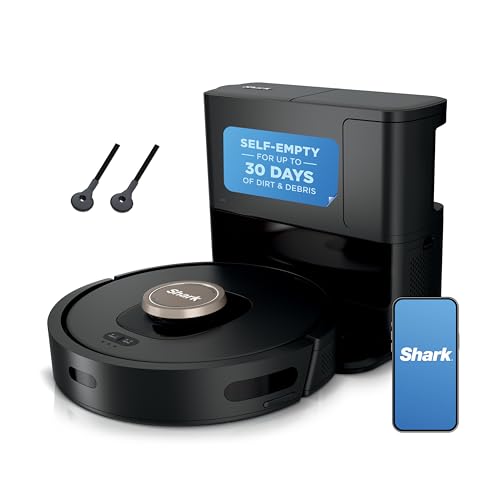
Shark AI Ultra AV2511AE Robot Vacuum
The Shark AI Ultra AV2511AE is built for people who want automated vacuuming with less hands-on work. It combines AI-style navigation with a self-empty system, so you do not need to empty the robot after every run. Its black and silver design looks neat in most rooms. The robot is especially useful for homes with hard floors, area rugs, and everyday pet mess.
Shark’s navigation system helps the vacuum build a map and move through rooms in a more organized way. You can use the connected controls to start cleaning, create schedules, and guide the robot toward high-traffic areas. The self-empty feature is helpful when you work long hours or travel often. As with most robot vacuums, you still need to clear cords, socks, and small objects before a cleaning run.
Pros:
- Self-empty design cuts down on routine maintenance
- AI navigation helps the robot clean in an orderly pattern
- Useful for mixed hard-floor and rug homes
- Wi-Fi control supports remote scheduling
- Good option for homes with regular pet shedding
- Simple design fits many living spaces
Cons:
- It may need more help around cords and small toys
- Deep carpet cleaning may not match a full-size upright vacuum
- The app and map may take time to learn
Shark AV2501AE AI Robot Vacuum

The Shark AV2501AE stands out with its XL self-empty base and bagless dust system. Shark rates the base for up to 60 days of debris storage, although real use depends on floor size, pets, and dirt levels. Its LiDAR navigation helps it understand room layout and plan a more direct route. That makes this model a strong match for larger homes that need frequent vacuuming.
The robot works across carpet and hard floors and connects with Alexa for voice control. I find voice support most helpful when my hands are full or when I want to start a quick kitchen cleanup. The HEPA system adds another layer of dust control for many households. Its main value comes from reducing the number of times you handle the dustbin, not from replacing every deep-cleaning tool in your home.
Pros:
- XL base offers long intervals between emptying
- Up to 60-day capacity can suit larger homes
- LiDAR navigation supports accurate home mapping
- Works on both carpets and hard floors
- Alexa compatibility adds convenient voice control
- HEPA filtration is useful for dust-conscious homes
Cons:
- The large base needs a clear parking area
- Bagless disposal may be less tidy than a sealed bag system
- Users must still maintain brushes and filters
Roborock Saros 20 Robot Vacuum

The Roborock Saros 20 is the performance-focused model in this comparison. Its listed suction power reaches 36,000 Pa, giving it a strong specification for dust, crumbs, and pet debris. The 3.14-inch slim body is designed to reach under more furniture than taller robot vacuums. It also uses AI obstacle avoidance to help identify objects in its path.
This robot makes the most sense for shoppers who want advanced navigation and high cleaning power in one device. A slim profile can be a real advantage when dust collects beneath beds, sofas, and cabinets. The AI system may reduce collisions with household items, but no robot should be trusted to handle loose cables or valuable objects without preparation. Because it is a high-feature product, buyers should expect a learning period while they adjust maps, schedules, and cleaning settings.
Pros:
- Very high listed suction power for demanding messes
- Slim 3.14-inch body can reach under low furniture
- AI obstacle avoidance helps reduce bumps
- Strong choice for pet hair and heavy daily debris
- Advanced mapping can improve room-by-room control
- Well suited to tech-focused households
Cons:
- Advanced features can increase the purchase price
- High suction may use more battery on demanding settings
- Obstacle recognition cannot replace basic floor preparation
Eufy E25 Robot Vacuum and Mop Combo

The Eufy E25 takes a different path by combining vacuuming and mopping in one machine. Its listed 20,000 Pa suction power gives it plenty of power for daily dust and crumbs. The HydroJet roller mop is designed to help scrub hard floors rather than simply drag a damp pad across them. This makes the E25 attractive to homes where sticky spots and light spills are common.
I would look closely at this model if hard floors make up most of your home. A vacuum-and-mop combo can save time because it handles two chores in one cleaning cycle. It is less suited to shoppers who only want a basic vacuum or who have mostly thick carpet. As with every robot mop, you should remove wet pads, refill water, and clean the roller as directed to prevent odor and poor results.
Pros:
- Combines vacuuming and mopping in one device
- 20,000 Pa suction is strong for daily floor care
- HydroJet roller mop targets light stuck-on dirt
- Useful for kitchens, dining areas, and hard floors
- Can reduce the need for separate cleaning passes
- Good fit for homes that value floor freshness
Cons:
- Mopping adds more parts to clean and maintain
- Not the best match for homes with mostly thick carpet
- Wet cleaning requires more setup than vacuum-only use
How to Choose the Best AI Robot Vacuum
Shopping for the Best AI Robot Vacuums can feel like comparing cars by looking only at horsepower. A high number matters, but it does not tell the full story. Navigation, brush design, app quality, battery life, and dock care also shape the daily experience. I suggest matching the robot to your floor plan and your cleaning habits first.
Navigation and Mapping
Good navigation keeps a robot from wandering like a lost coin. LiDAR systems use laser-based distance readings to map rooms and plan routes. Camera-based systems can also identify objects, but they may work best with enough light. A strong map lets you name rooms, set no-go zones, and send the robot to one area.
AI obstacle avoidance can help with shoes, pet bowls, toys, and other objects. Still, it is not magic. Cords, socks, thin straps, and clear items can confuse even advanced machines. I recommend a quick floor check before each first run, then adjust your room setup based on what the vacuum learns.
Suction Power and Brush Design
Manufacturers often list suction in Pascals, or Pa. That number helps show potential power, but it does not guarantee real-world pickup on every floor. Brush shape, airflow, edge cleaning, and the robot’s software also matter. A robot with lower listed suction can still perform well when its brush system and route planning work together.
Pet owners should inspect the main brush and side brush design. Rubber rollers often make hair removal easier than dense bristles, though long hair can still wrap around any roller. Homes with thick rugs need a robot that can raise suction or adjust its cleaning mode. For fine dust, a good filter matters as much as raw power.
Self-Empty Docks
A self-empty dock is one of the best reasons to upgrade from a basic robot vacuum. It moves debris from the small robot bin into a larger container at the dock. That means less bending, less mess, and fewer interruptions. Capacity claims such as 30 or 60 days are estimates, not fixed promises.
Homes with several pets may fill a dock much sooner. Bagless bases save money on bags, but emptying them can release dust. Bagged bases often offer cleaner disposal, but replacement bags add a cost. Before buying, measure the dock area and make sure the robot has a clear path to return home.
HEPA Filtration
HEPA filtration can help capture small airborne particles that would otherwise return to the room. It is useful for people who care about dust control, though a robot vacuum does not replace an air purifier. Filters need regular cleaning or replacement to keep airflow strong. A clogged filter can make even a powerful robot feel weak.
I also recommend checking how easy it is to remove the filter. A simple design encourages better care. If your home has pets, clean the filter more often because hair and dander can build up fast. Good maintenance protects both performance and battery life.
Carpet and Hard-Floor Performance
Hard floors show crumbs and pet hair clearly, so daily robot runs can make a quick difference. Carpet needs more agitation because dirt falls between the fibers. Look for adjustable suction and a brush that can lift debris from rugs. A robot may clean low-pile carpet well but struggle with thick shag.
Transitions also matter. If your home has thresholds between rooms, check the product specifications and owner feedback before buying. A robot that cannot cross a small lip may leave an entire room untouched. Good mapping is only useful when the machine can physically reach each space.
Mopping Features
Robot mops work best for light soil, dust, footprints, and small dried marks. They do not replace a hand mop after a large spill or deep stain. A roller mop may scrub more actively than a flat pad, while a pad system can be simpler to maintain. Choose a mop model only if you are willing to manage water, pads, and cleaning parts.
Protect carpets by using no-mop zones or a carpet detection feature when available. Never leave a wet pad attached for a long time after a cleaning run. Moisture can create odor and may damage some floors. Hard-floor owners will usually gain the most value from a vacuum-and-mop combo.
Battery Life and Recharge Behavior
A robot vacuum should clean for a useful amount of time, but recharge behavior matters more in a large home. Many smart models return to the dock, recharge, and resume where they stopped. That feature lets a smaller battery handle a larger floor plan. Dark rugs, high suction, and complex routes may reduce run time.
Place the dock in an open area near a wall outlet. Keep furniture from blocking the robot’s approach. If the robot often misses the dock, move it to a clearer location and update the map. A reliable return path prevents many problems that users blame on the battery.
App Controls and Smart Home Support
An app should make cleaning easier, not feel like a second job. Useful controls include room selection, schedules, suction settings, map editing, and no-go zones. Alexa support can help with quick voice commands, but voice control is not essential for everyone. App features may change over time through software updates.
Think about privacy if the robot uses cameras or stores detailed maps. Review the company’s privacy settings and account options before connecting the device. A LiDAR-based model may suit shoppers who prefer a camera-free approach. No matter which system you choose, keep the app updated for the best performance.
Testing the Best AI Robot Vacuums at Home
I judge robot vacuums by more than a clean-looking product page. I look at how well the robot handles crumbs, hair, fine dust, edges, furniture, and room changes. I also consider how much work remains after the cleaning cycle ends. The best AI robot vacuums reduce chores without creating a new list of chores.
Daily dirt tests show how a robot performs in normal life. I pay attention to kitchen crumbs, hallway grit, and hair near furniture legs. I also check whether the robot returns to the dock and whether its map stays accurate. These small details often matter more than a dramatic suction number.
For pet homes, hair pickup and brush maintenance are key. A robot may collect a large amount of hair but still need a weekly brush cleaning. That is normal. I prefer designs that make the roller easy to remove and the filter easy to rinse or replace.
For families, obstacle handling matters. Toys and shoes are common barriers, even in tidy homes. AI recognition can lower the number of stuck runs, but users should still pick up thin cords and small objects. A smart robot works best when the home gives it a clear lane.
Care Tips for Longer Robot Vacuum Life
Empty or inspect the dust system on a regular schedule, even when the base claims long capacity. Check the main roller for hair and thread. Wipe sensors with a soft, dry cloth so the robot can read walls and furniture correctly. Never use harsh cleaners on the robot or dock unless the manual allows them.
Replace filters and side brushes when they show wear. A bent side brush may sweep dirt away from the intake instead of toward it. Clean wheels if hair wraps around the axles. These simple steps protect navigation, suction, and battery performance.
Keep water away from vacuum-only parts. If your model includes a mop, use the approved water method and empty the tank after use. Do not let dirty water sit in the dock. A clean robot is more pleasant to own and more likely to provide steady results.
My Recommendation
For most pet owners, the Shark AV2501S AI Ultra offers the best balance of smart mapping, Matrix Clean coverage, HEPA filtration, and low daily effort. Choose the Shark AV2501AE if you want a larger 60-day self-empty base and LiDAR navigation. The Roborock Saros 20 is the better performance pick for shoppers who want very high suction and a slim body.
The Shark AI Ultra AV2511AE suits users who want simple automated cleaning with a self-empty dock and connected controls. The Eufy E25 is the better fit for hard-floor homes that want active mopping as well as vacuuming. These are all strong Best AI Robot Vacuums options, but your floor type and maintenance preferences should guide the final choice.
| Best for | Why |
|---|---|
| Pet hair and everyday dust | Shark AV2501S combines Matrix Clean, HEPA filtration, mapping, and a self-empty base. |
| Large homes with less bin care | Shark AV2501AE offers an XL bagless base with up to 60-day capacity claims. |
| High suction and hard-floor mopping | Roborock Saros 20 targets strong vacuum power, while Eufy E25 adds a HydroJet roller mop. |
FAQs Of Best AI Robot Vacuums
What makes a robot vacuum an AI robot vacuum?
An AI robot vacuum uses advanced sensors, mapping, and software to understand its surroundings. Some models can recognize objects and avoid them. Others use smart route planning and room maps to clean more efficiently.
Are AI robot vacuums good for pet hair?
Yes, many work well for daily pet hair on hard floors and low-pile rugs. Choose strong suction, a hair-friendly roller, and a self-empty dock. You should still clean the brush and filter often.
Do robot vacuums really need a self-empty base?
No, but a self-empty base adds major convenience. It lets the robot store several days or weeks of debris before you handle it. This feature is especially useful in homes with pets or large floor areas.
Can robot vacuums avoid cords and toys?
Advanced models can avoid many objects, but thin cords, socks, and clear items may still cause trouble. Pick up small items before the first run. After that, use the map and no-go zones to improve results.
Can a robot vacuum replace a regular vacuum?
It can handle much of your daily floor care, but most homes still benefit from a full-size vacuum. Upright or canister vacuums remain useful for stairs, furniture, corners, and deep carpet cleaning.
Final Verdict: Which Should You Buy?
The Shark AV2501S AI Ultra is the best all-around pick for pet hair, daily dust, mapping, and easy upkeep. Choose the Roborock Saros 20 for maximum listed suction, or the Eufy E25 for active hard-floor mopping.
The Best AI Robot Vacuums can make clean floors feel almost automatic. Match the robot to your home, keep its sensors and brushes clean, and check Amazon for current pricing and availability.

Similar Posts