Ge Deep Fill Washer Troubleshooting: Quick Fix Guide

Most GE Deep Fill washer problems come from water fill, load balance, or a simple sensor glitch.
If you’re dealing with GE Deep Fill washer troubleshooting, you’re in the right place. I’ve seen this issue show up in real homes in all kinds of ways, from tubs that won’t fill enough to cycles that stop halfway. The good news is that many of these problems are fixable with a few smart checks, and this guide will walk you through the most common causes, practical fixes, and the signs that point to a deeper repair need.

Understanding GE Deep Fill Washer Troubleshooting
GE Deep Fill washers are built to give you more control over water levels, which is great for bulky laundry, heavily soiled items, and large loads. But that added control also means more parts can affect performance, like the water inlet valve, pressure sensor, lid lock, and control board.
When a washer acts up, I always start with the basics first. In my experience, most GE Deep Fill washer troubleshooting cases are not caused by one dramatic failure, but by a small issue that throws the whole cycle off.
Here are the most common symptoms people notice:
- Washer not filling enough water
- Deep Fill option not working
- Washer stopping before the cycle ends
- Clothes coming out still dirty
- Washer shaking or making loud noises
- Error codes on the display
- Water left in the tub after the cycle
A lot of frustration comes from assuming the machine is “dead” when it is often just confused. Think of it like a phone that froze because one app misbehaved. A reset, a check of the settings, or a quick part inspection can often bring everything back to normal.
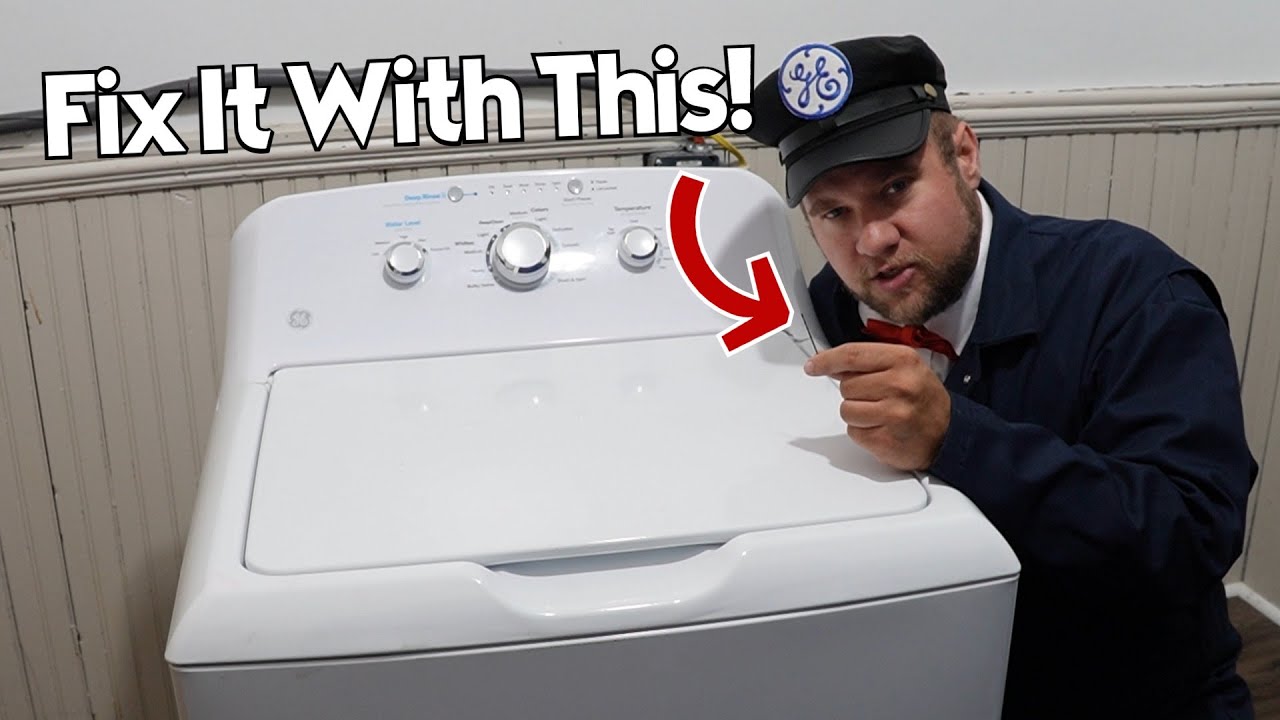
How GE Deep Fill Works
The Deep Fill feature is designed to add extra water during a wash cycle. On many GE models, you can use it to boost water level for better soaking and agitation. It is useful for towels, blankets, jeans, and work clothes that need more room to move.
The washer uses sensors to judge water level and cycle needs. If one sensor sends a bad signal, the machine may underfill, overfill, or stop early. That is why GE Deep Fill washer troubleshooting often starts with water supply, settings, and sensor checks before anything more advanced.
Main parts involved include:
- Water inlet valve
- Pressure switch or water level sensor
- Control board
- Lid lock assembly
- Drain pump
- Hoses and home water supply
If one of these parts is weak, the washer may still run, but not the way it should. That makes the problem easy to miss at first.
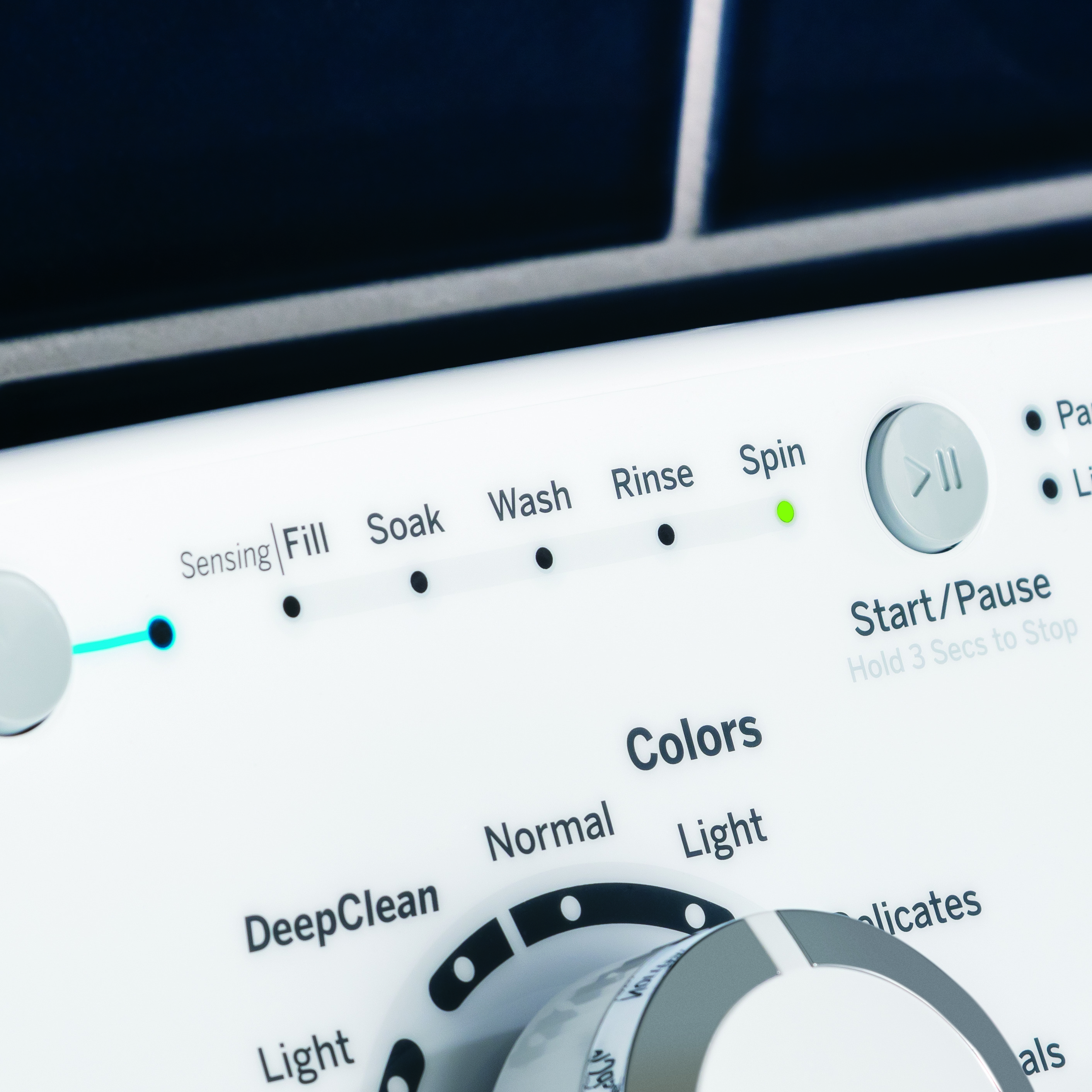
Common GE Deep Fill Washer Problems and What They Mean
Washer does not fill with enough water
This is one of the most common complaints. The Deep Fill setting may be selected, but the tub still looks low. That can happen if the water inlet valve is clogged, the water pressure is weak, or the washer is not sensing the level correctly.
What to check:
- Make sure both hot and cold water taps are fully open
- Inspect inlet hoses for kinks
- Clean the inlet screens
– Confirm the Deep Fill option is selected correctly - Test whether the issue happens on all cycles or just one
If the washer fills normally on some cycles but not others, the issue may be in the cycle logic rather than the plumbing.
Washer stops mid-cycle
This often points to a lid lock issue, an unbalanced load, or a sensor problem. I have seen people think the machine was failing when it was really pausing because a heavy blanket shifted to one side.
What to check:
- Redistribute the load
- Close the lid firmly
- Inspect the lid lock for damage
- Look for error codes
- Reset the machine
If the washer stops in the same spot every time, that is a clue. Repeated failure at the same point usually points to a part or control issue.
Washer is noisy or shakes hard
A noisy washer can be as simple as an uneven load. It can also mean worn shock absorbers, loose feet, or a damaged drum component. GE Deep Fill washer troubleshooting should always include a balance check.
What to check:
- Level the washer with a tool
- Remove overloaded or mixed-heavy loads
- Make sure the floor is solid
- Check for shipping bolts if the washer is new
- Listen for grinding, thumping, or squealing
A washer is a lot like a spinning top. If the weight is off, it cannot stay steady.
Washer leaves clothes dirty
This can happen when water is too low, detergent is used incorrectly, or the wash action is weak. Deep Fill should help, but it cannot fully fix a bad detergent mix or an overloaded drum.
What to check:
- Use high-efficiency detergent
- Avoid overloading the drum
- Pick the right cycle for soil level
- Use Deep Fill for bulky or dirty loads
- Inspect spray and fill patterns
Sometimes the problem is not the machine. It is the way the load is packed inside it.
Washer will not drain
A drain problem is usually tied to a clogged pump, a blocked hose, or a pump failure. If water stays in the tub after the cycle, do not keep restarting it over and over. That can make the problem worse and may stress the motor.
What to check:
- Look for a kinked drain hose
- Clean the drain filter if your model has one
- Listen for the drain pump running
- Check for lint, socks, or debris in the pump path

Step-by-Step GE Deep Fill Washer Troubleshooting
1. Check the water supply first
Before opening panels or replacing parts, inspect the supply. A washer cannot fill right if the home water supply is weak or shut off.
Do this:
- Turn both water valves fully open
- Check hose connections at the wall and washer
- Clean any visible debris from hose screens
- Test water pressure in the home if other fixtures are weak
If only the washer is having trouble, the issue is probably closer to the machine than the plumbing.
2. Confirm the cycle and Deep Fill setting
It sounds simple, but this catches people all the time. Some cycles limit water levels by design. If the wrong cycle is selected, the washer may never reach the fill level you expect.
Do this:
- Recheck the selected cycle
- Make sure Deep Fill is activated
- Avoid automatic settings that lower water use
- Review the user manual for your exact model
I have personally seen users think the Deep Fill feature was broken when the washer was just set to a cycle that did not allow much extra water.
3. Reset the washer
A reset can clear minor electronic glitches. This is one of the easiest steps in GE Deep Fill washer troubleshooting.
Try this:
- Unplug the washer for 1 to 2 minutes
- Plug it back in
- Open and close the lid
- Start a new cycle
If the washer starts working again, the issue may have been temporary. If the same problem returns, keep going.
4. Inspect hoses and filters
Blocked hoses can cut off water flow fast. Tiny pieces of debris can also clog the inlet screens.
Check for:
- Crimped or bent hoses
- Mineral buildup
- Dirt in the inlet screens
- Leaks around hose fittings
If you live in an area with hard water, mineral buildup can sneak up on you over time. It is like scale in a kettle. Slow, steady, and annoying.
5. Look for error codes
Error codes can narrow the problem quickly. GE washers may show codes related to lid lock, water level, drain issues, or motor problems.
Common examples include:
- Lid lock related errors
- Water supply or fill errors
- Drain errors
- Motor or drive errors
If your display shows a code, write it down before resetting the machine. That helps a lot when you move to the next step.
6. Check load balance and detergent use
Too much detergent can create excess suds, and too much laundry can block proper movement. Both can cause poor wash results.
Best practices:
- Use HE detergent only
- Follow the dose on the bottle
- Do not pack the drum tightly
- Mix large and small items carefully
In my experience, overloading is one of the most common self-inflicted washer problems. The machine cannot wash well if clothes are stuffed in like a suitcase before a trip.

Parts That Often Cause GE Deep Fill Washer Issues
Water inlet valve
This valve controls how water enters the washer. If it is clogged or weak, the tub may fill too slowly or not at all. If one water temperature works and the other does not, the valve may be partially failing.
Pressure switch or water level sensor
This part tells the washer how much water is inside. If it gives the wrong reading, the washer may stop filling too soon. That is a classic cause of Deep Fill confusion.
Lid lock assembly
Modern washers often will not run if the lid lock fails. Even a small switch problem can interrupt the cycle. If the washer pauses and flashes an error, this part should be checked.
Drain pump
If the pump is noisy, jammed, or weak, water will not leave the tub properly. That can stop the next step in the wash cycle.
Control board
The control board is the brain of the washer. If other parts test fine but the washer still behaves oddly, the board may be the issue. This is usually a later diagnosis, not the first one.

When You Can Fix It Yourself
Some GE Deep Fill washer troubleshooting tasks are safe and simple for most homeowners. You do not need to be a technician to check hoses, settings, or load balance.
Good DIY tasks include:
- Resetting the washer
- Cleaning inlet screens
- Checking hose kinks
- Rebalancing clothes
- Verifying cycle settings
- Inspecting the lid lock area visually
These steps are low risk and often solve the problem. They are the “check the fuse before calling the electrician” kind of fix.
When to Call a Technician
Some issues are better left to a pro. If the washer has electrical trouble, repeated error codes, burning smells, or water leaking from internal parts, it is time to stop and call for help.
Call a technician if:
- The washer will not power on
- You hear electrical buzzing or smell burning
- The drum will not spin after basic checks
- Water leaks from underneath
- The control board appears faulty
- The same error returns after reset and inspection
Trying random part swaps can get expensive fast. A trained repair tech can test the machine with meters and confirm the failed part before replacement.

Preventing Future GE Deep Fill Washer Problems
A lot of washer trouble can be prevented with simple habits. I always tell people that laundry machines are a bit like cars. They do better with steady care than with emergency fixes.
Helpful habits:
- Clean the inlet screens every few months
- Avoid overloading the drum
- Use the correct detergent type and amount
- Keep the washer level
- Check hoses for wear
- Run a cleaning cycle regularly
- Leave the lid open after use to reduce mildew
These small steps can extend the life of the washer and help the Deep Fill feature work as expected.
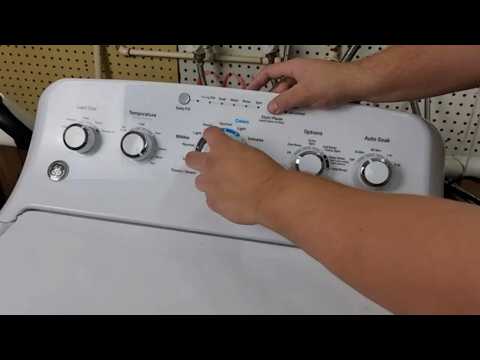
Frequently Asked Questions of Ge Deep Fill Washer Troubleshooting
Why is my GE Deep Fill washer not filling with enough water?
This is often caused by a clogged inlet screen, a weak water supply, or the wrong cycle setting. In some cases, the pressure sensor may be reading the water level incorrectly.
Why does my GE washer stop in the middle of a cycle?
A mid-cycle stop can be caused by an unbalanced load, a lid lock problem, or an error code from the control system. Resetting the washer and redistributing the clothes often helps.
Does Deep Fill use more water all the time?
No, Deep Fill only adds more water when the feature is selected or allowed by the cycle. Some settings limit water levels to improve efficiency.
What should I do if my washer keeps showing an error code?
Write down the code, unplug the washer for a minute, and try again. If the code comes back, it usually points to a specific part or system that needs inspection.
Can overloading the washer affect Deep Fill?
Yes, overloading can block proper water movement and wash action. It can also make the machine struggle to balance, which may trigger pauses or poor cleaning results.
Conclusion
GE Deep Fill washer troubleshooting usually starts with simple checks and ends with a clear answer if you follow the trail step by step. Water supply, cycle selection, load balance, sensors, and small mechanical parts are the most common places to look. With a calm process and a little patience, many washer problems can be fixed without guesswork.
If your washer is acting up, start with the easy checks first and move deeper only if needed. That approach saves time, money, and a lot of frustration. If this guide helped, take a moment to inspect your washer today, and feel free to explore more appliance repair tips or leave a comment with the issue you are seeing.

Similar Posts

























[…] That can keep clothes from rinsing well and can also make draining harder. When this happens, the washer may seem stuck, noisy, or slow to […]