Ge Front Load Washer Troubleshooting: Easy Fixes Guide
Most GE front load washer problems come from power, drainage, door lock, or load imbalance issues.
If you want to fix GE Front Load Washer Troubleshooting the smart way, you need a clear plan, not guesswork. I’ve seen how a washer that looks “dead” can be fine after a simple reset, and how a small clog can act like a major breakdown. In this guide, I’ll walk you through the most common causes, what each symptom usually means, and the safest fixes that actually save time and stress.

What GE Front Load Washer Troubleshooting Usually Means
GE front load washer troubleshooting is the process of checking the machine step by step to find why it is not working right. That could mean no power, no spin, no drain, strange noises, door lock problems, error codes, or leaks. The goal is to narrow down the issue before you call for repair or replace a part you do not need.
Front load washers are efficient, but they are also a bit picky. They depend on good water flow, a working door lock, balanced loads, and clean drains. When one part of that chain fails, the washer may stop the cycle or flash an error code.
From my experience, most service calls for GE front load washer troubleshooting start with something simple. A loose plug, a blocked pump filter, or too many towels in one load can look like a serious failure. That is why a calm, step-by-step check matters more than rushing to pull panels off the machine.
Start with the Basics Before You Dig Deeper
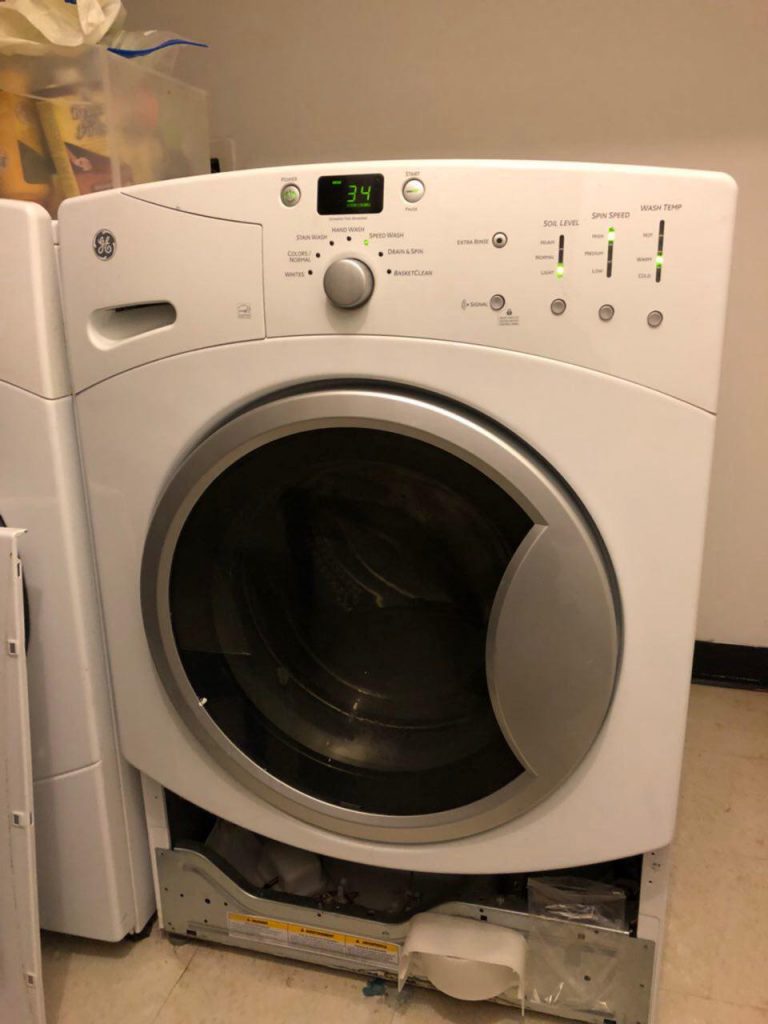
Before opening anything, check the easy stuff first. I always recommend this because it solves a surprising number of problems and keeps you from wasting time.
Use this quick checklist:
- Make sure the washer is plugged in fully.
- Check the circuit breaker and reset it if needed.
- Confirm the lid or door closes tightly.
- Make sure the water supply valves are open.
- Look for kinks in the inlet hoses.
- Check that the drain hose is not pinched or shoved too far into the standpipe.
- Make sure the load is not too large or too small.
A washer that seems broken may simply be paused because it cannot detect a safe condition. For example, if the door lock does not engage, many GE front load washers will not start the cycle. That is normal behavior, not always a sign of a major failure.
If your washer still will not respond after these checks, move to the symptom-based steps below.
Common GE Front Load Washer Problems and What They Mean
GE Front Load Washer Troubleshooting works best when you match the symptom to the cause. Below are the most common issues and the usual reasons behind them.
Washer will not start
If the washer does nothing when you press start, the problem may be power-related, door-related, or control-related. A failed door lock is one of the most common causes on front load models.
Try this:
- Close the door firmly.
- Press and hold Start for a full second or two.
- Check the outlet with another small appliance.
- Reset the breaker.
- Unplug the washer for 60 seconds and plug it back in.
If the washer has lights but will not begin, the control board may be waiting for a signal from the door lock or water supply system. In my own experience, many people miss the tiny click of the latch and think the whole washer is dead.
Washer fills too slowly or not at all
Low water flow often points to clogged inlet screens, weak water pressure, or partly closed valves. A front load washer needs enough water pressure to fill on time, even though it uses less water than top load models.
Check the following:
- Open both hot and cold valves all the way.
- Remove and inspect the inlet hose screens.
- Make sure hoses are not twisted.
- Confirm house water pressure is normal.
If only one temperature line is connected or one valve is off, some cycles can fail or take too long. Slow fill can also trigger an error code, so do not ignore it.
Washer does not drain
A washer that finishes washing but leaves water in the drum usually has a drain blockage, pump issue, or kinked hose. This is one of the most common calls in GE Front Load Washer Troubleshooting.
Look for:
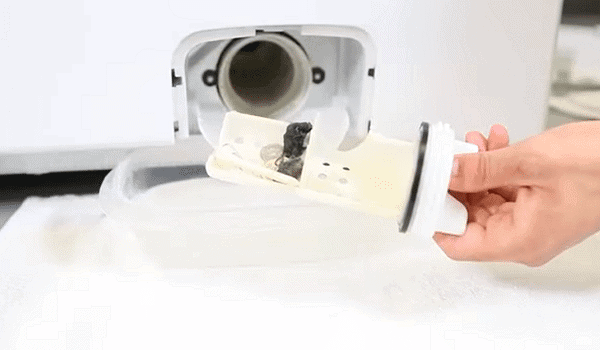
- Lint, coins, or small items blocking the pump filter.
- A clogged drain hose.
- A standpipe that is too high or blocked.
- A pump that hums but does not move water.
I once found a child’s sock trapped near the pump on a customer’s washer. It took ten minutes to remove and fixed the whole problem. Small objects can cause big headaches.
Washer will not spin or clothes come out soaked
If the drum washes but will not spin, the machine may be out of balance, overloaded, or unable to drain. Most front load washers will not spin at full speed if water is still inside.
Possible causes include:
- Unbalanced laundry load
- Excess suds from too much detergent
- Drain restriction
- Faulty motor control or belt issue
- Door lock not fully engaged
Try redistributing the clothes and running a spin cycle again. Heavy items like blankets can shift to one side and stop the spin from building speed.
Washer shakes, bangs, or moves across the floor
Some movement is normal, but loud banging is not. A washer that hops around usually has an uneven load, weak leveling, or shipping bolts still installed on a new machine.
Check these points:
- The washer is level on all four feet.
- The floor is solid and not flexing.
- The load is balanced.
- Shipping bolts were removed during setup.
Front load washers are meant to be stable, but they cannot fight a badly packed drum. One big towel or comforter clumped on one side can make the washer sound far worse than it is.
Washer leaks water
Leaks can come from hoses, door seals, dispensers, or internal connections. In GE Front Load Washer Troubleshooting, leaks near the front often point to a damaged door boot or something stuck in the gasket fold.
Inspect:
- Inlet hose connections
- Drain hose attachment
- Door gasket for tears, debris, or loose fit
- Detergent drawer for buildup or overflow
Too much detergent can also create foam that pushes water out where it should not go. I have seen this happen more than once, and it often looks like a mechanical leak when it is really a soap issue.

How to Read GE Washer Error Codes
Many GE front load washers display codes that help narrow the problem. These codes are not meant to scare you. They are more like the washer raising its hand and saying, “Check this area first.”
Common code-related concerns include:
- Door lock faults
- Drain problems
- Fill issues
- Motor or speed sensor issues
- Communication errors between control parts
If your model shows a code, write it down exactly before resetting the machine. That code gives you a strong clue and can save time during GE Front Load Washer Troubleshooting.
A useful habit is to keep the model number handy. GE uses different control systems across models, so the same code may point to slightly different issues depending on the washer. That is why accurate model matching matters so much.

Step-by-Step GE Front Load Washer Troubleshooting Guide
When the problem is not obvious, follow a simple order. This keeps you from skipping the most likely cause.
- Turn the washer off and unplug it.
- Check the door, hoses, and power connection.
- Look for visible clogs or leaks.
- Clear the drain pump area if needed.
- Reconnect the washer and test a short cycle.
- Watch and listen for where the cycle stops.
This method works because washers usually fail at the point where one system depends on another. If the washer fills but does not spin, the issue is likely not the power cord. If it drains slowly, the spin problem may be a result of that drain issue.
One lesson I learned early is not to assume the last symptom is the first cause. A noisy spin may actually start with a drain restriction or an off-balance load. That small shift in thinking can save a lot of trial and error.
What You Can Safely Fix Yourself
Some GE Front Load Washer Troubleshooting tasks are safe for homeowners. These are simple maintenance jobs, not advanced repairs.
You can usually handle:
- Resetting the washer
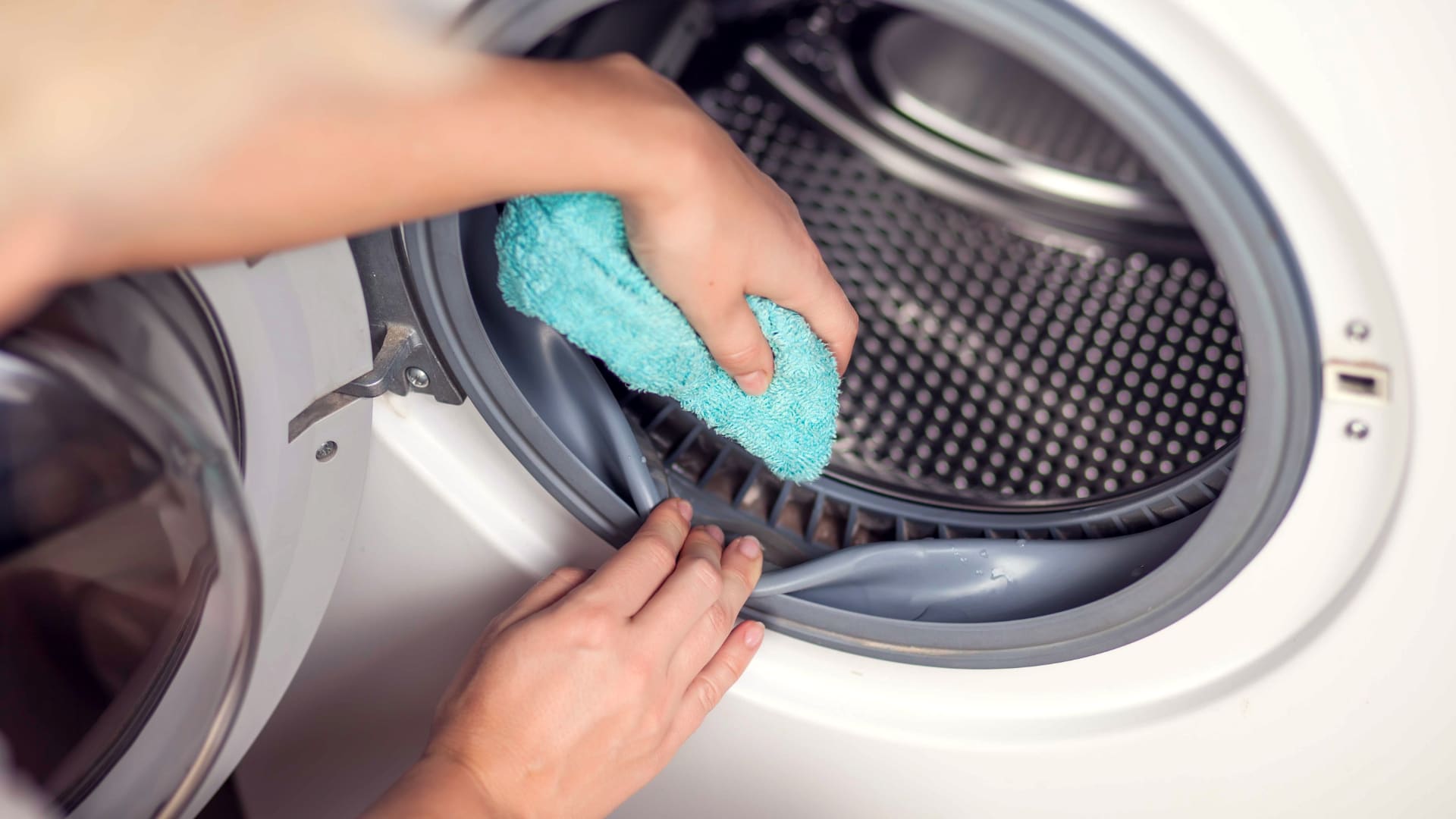
- Cleaning the door gasket
- Removing lint and debris from the drum
- Checking and straightening hoses
- Cleaning inlet screens
- Redistributing laundry
- Reducing detergent use
- Cleaning the drain filter if your model allows access
Always unplug the washer before you inspect anything inside or near moving parts. If a panel must be removed to reach the pump, motor, or wiring, stop there unless you are comfortable with appliance repair.
The big rule is simple: clean, check, test. That sequence solves many problems without risking damage.

When to Call a Professional
Not every washer problem should be a DIY job. If you are dealing with electrical faults, repeated error codes, burning smells, or water near wiring, it is time to stop and call a technician.
Call for service if you notice:
- A tripped breaker that keeps happening
- A broken door lock or latch assembly
- A motor that hums but will not turn
- A damaged control board
- Melted wires or a burning odor
- Water leaks near electrical parts
I always tell people this: if the washer is acting unsafe, do not keep testing it like it is a puzzle. Safety comes first, and a professional diagnosis may cost less than fixing damage caused by repeated failed attempts.
Maintenance Tips That Prevent Future Problems
Good maintenance makes GE Front Load Washer Troubleshooting much easier later. A clean washer tends to be a quieter, more reliable washer.
Helpful habits include:
- Use the right amount of high-efficiency detergent.
- Leave the door open after cycles to reduce mildew.
- Wipe the gasket dry.
- Clean the detergent drawer often.
- Check pockets before washing.
- Run a cleaning cycle when buildup starts to show.
- Inspect hoses for wear every few months.
Front load washers are a bit like athletes. They work best when they stay clean, balanced, and not overloaded. A few small habits can prevent many service calls.
Frequently Asked Questions of GE Front Load Washer Troubleshooting
Why is my GE front load washer not spinning?
A washer that will not spin usually has a drain issue, an unbalanced load, or a door lock problem. If water is still in the drum, the machine may refuse to spin until it drains properly.
What does it mean when my GE washer door will not lock?
A failed lock, misaligned door, or control issue may be the cause. Try closing the door firmly and restarting the cycle, but if the lock never clicks, the latch assembly may need service.
Why does my GE front load washer smell bad?
Bad smells usually come from detergent buildup, trapped moisture, or mildew in the door gasket. Wiping the seal dry and running regular cleaning cycles can help reduce the odor.
How do I reset my GE front load washer?
Unplug the washer for about 60 seconds, then plug it back in. This simple reset can clear minor glitches and restore normal operation on many models.
Why does my GE washer keep stopping mid-cycle?
Mid-cycle stops often happen because of door lock trouble, drain problems, or load imbalance. If the washer cannot confirm a safe condition, it may pause or stop to protect itself.
Conclusion
GE Front Load Washer Troubleshooting becomes much easier when you start with the basics, follow the symptom, and work in a simple order. Most problems come down to power, water flow, drainage, balance, or the door lock, and many of them can be fixed without special tools. The key is to stay patient, test one thing at a time, and avoid guessing.
If you are dealing with a stubborn washer right now, use the steps in this guide as your roadmap. A careful check today can save you time, money, and a lot of frustration later. If this helped, bookmark it, share it, or leave a comment with the exact symptom you are seeing.

Similar Posts
























[…] a washer acts up, I always start with the basics first. In my experience, most GE Deep Fill washer […]