Triangle Tube Prestige Troubleshooting Guide
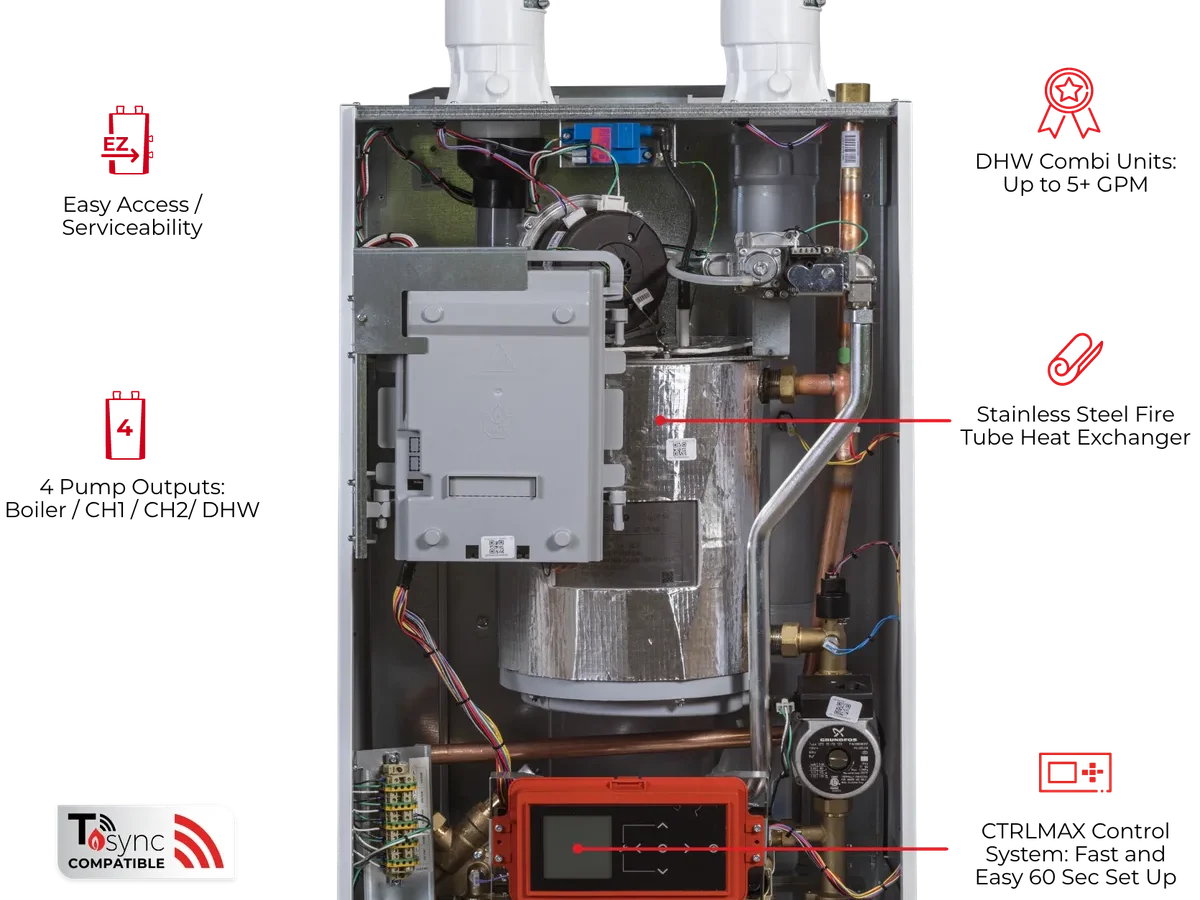
If your Triangle Tube Prestige boiler is locked out, flashing a strange code, or leaving your house cold, you are not alone. This Triangle Tube Prestige Troubleshooting Guide walks you through the most common causes and what you can safely check yourself before calling a technician.
Per the manufacturer's installation manual, the Prestige requires a consistent 12 to 18 psi of cold water pressure and clean 120V AC power to the control board. As of 2026, these remain the two most common underlying causes of lockouts and error codes reported in aggregate service data. Let's walk through the diagnostics step by step.
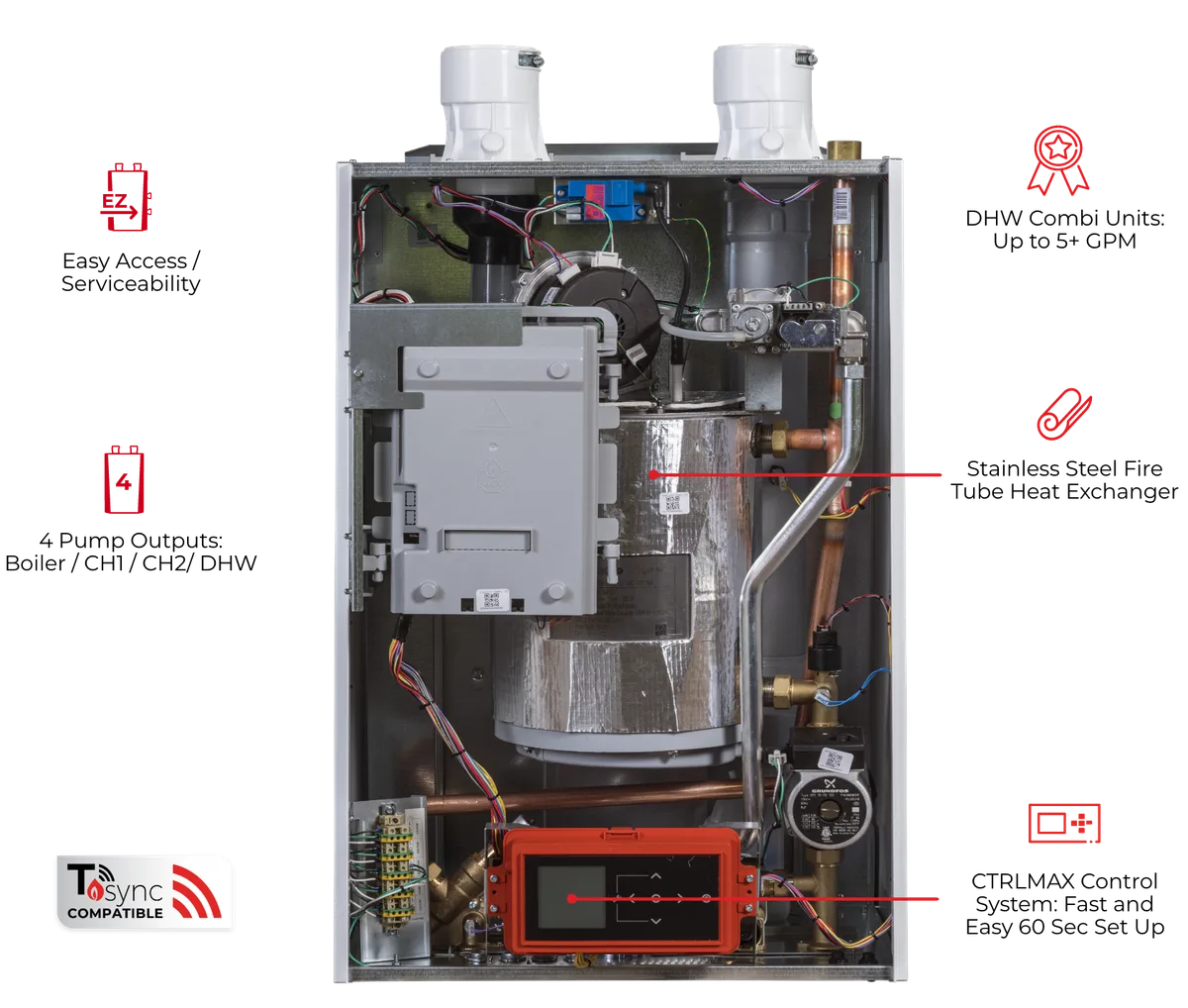
Image source: Web (Bing) / fissionreview.com (Web image (fair-use with source credit))
Quick Answer
Check the boiler error code first. Low water pressure causes most lockouts. Verify the gas valve is fully open.
Do not reset the boiler more than twice. Call a qualified technician if it will not fire.
Before You Touch Anything: The Safety Rules That Keep This DIY Guide Safe
This is a gas-fired, pressurized appliance. Mistakes can cause carbon monoxide leaks, floods, or electrical shock. We need to draw a clear line between what is safe to check and what requires a licensed pro.
If you smell gas, do not press any buttons. Do not light any flames. Leave the building and call your gas supplier immediately.
Turn off the power at the breaker before opening the control panel. The Prestige has high voltage components that can injure or kill if handled incorrectly.
Do not attempt to replace internal gas components yourself. Per the National Fuel Gas Code (NFPA 54), only licensed professionals should perform gas train repairs.
Aggregate warranty data shows that attempting DIY repairs on the heat exchanger or gas valve voids the Triangle Tube factory warranty almost every single time. A dirty flame sensor is a safe DIY cleaning job. A cracked igniter requires an exact OEM replacement and proper positioning.
Knowing the difference keeps you safe and your boiler running.
Decoding the Control Board: Error Codes, Reset Limits, and What's Normal
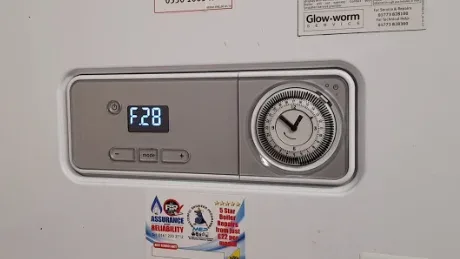
Image source: Web (Bing) / serviceteam.co.uk (Web image (fair-use with source credit))
The Prestige control board communicates through a two-digit error code. This code is your most powerful diagnostic tool. Write down the exact code before doing anything else.
Do not clear it or cycle power until you have noted it.
Common first codes include 10 (ignition failure), 25 (low water pressure), 28 (fan fault), and 48/49 (high limit). A single lockout is not a crisis. The boiler might have a temporary air bubble that clears on its own.
Per manufacturer specs, you can reset the boiler one time per minute for a maximum of two resets. If it locks out a third time, there is an underlying problem. Repeated resetting can allow raw gas to accumulate, creating a safety hazard.
Normal operation looks like this. The boiler fires, runs, and cycles based on heating demand. There is no banging, no persistent error codes, and steady pressure between 12 and 18 psi on the gauge.
Error Code 10, 25, and Thermal Lockouts: What They Mean and What to Check
Error 10 is the most common call in service data. It means the boiler did not detect a flame within the trial window. Check the gas valve first.
Is it fully open? The handle must be parallel to the pipe.
Next, inspect the flame sensor. A thin layer of soot or oxidation can block the rectification signal. You can carefully clean it with a very fine scotch brite pad.
Be gentle. The sensor is fragile and expensive to replace if broken.
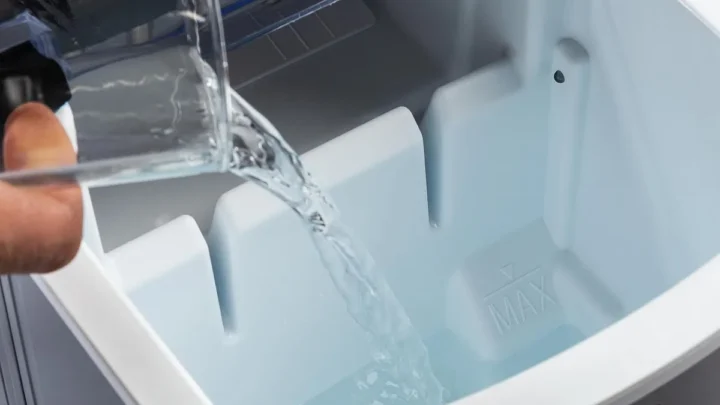
Error 25 indicates low water pressure. The boiler will not fire below 10 psi. Add water using the system feed valve until the gauge reads between 12 and 18 psi.
Does the pressure drop again within 24 hours? You have a leak that needs professional diagnosis.
Thermal lockouts, codes 48 and 49, mean the high limit switch opened. This often indicates poor water flow through the heat exchanger. Check that all zone valves are open and the circulator pump is running.
A stuck pump or air bound system is the usual culprit. If the pump is hot to the touch and vibrating, it is likely seized. Do not attempt to free it by force.
Replacement is the standard fix.
Short Cycling, No Heat, and Strange Noises: Troubleshooting Without an Error Code
Sometimes the Prestige runs but acts wrong. It may fire up and shut down every few minutes. That is short cycling.
Short cycling causes poor efficiency and extra wear on the igniter and blower.
The most common cause is an oversized boiler for the current heat load. If the outdoor reset curve is set too aggressively, the boiler reaches its setpoint too fast. Check the outdoor reset settings if you have the sensor installed.
Lowering the curve can extend run times significantly.
Strange noises like gurgling or banging usually mean air is trapped in the system. Try bleeding the zone farthest from the boiler. If the noise persists, check the automatic air vent on the boiler.
It may be stuck or clogged with debris.
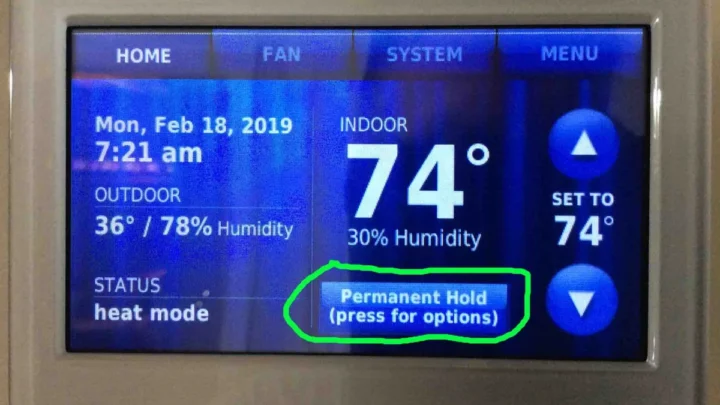
No heat and no error code can be the most frustrating symptom. Check the thermostat first. A dead battery is the single most common cause of a silent, non-firing boiler in our research.
If the thermostat is calling and the boiler still does not fire, check the external safety limit controls wired in series with the boiler's demand circuit.
The Three Maintenance Tasks That Prevent Most Prestige Breakdowns
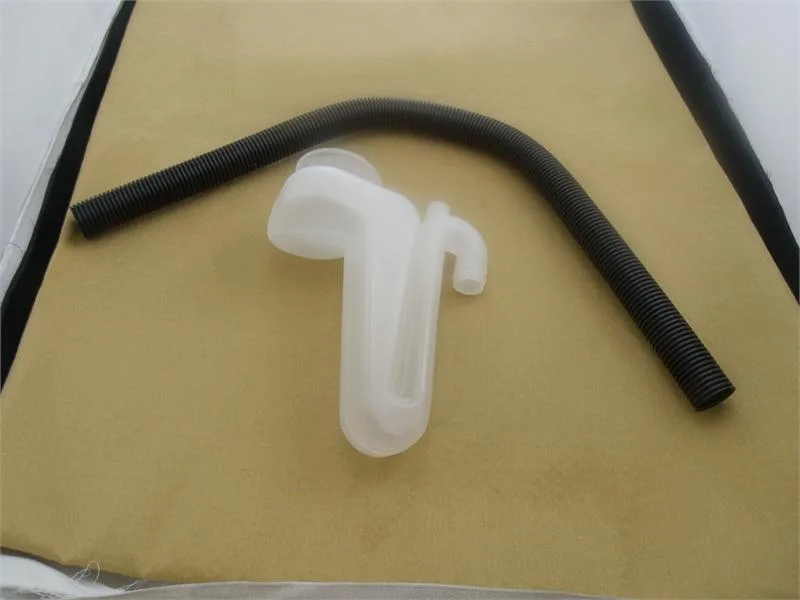
Image source: Bing (Web (fair-use with source credit))
Aggregate service records point to three maintenance items that cause the majority of mid-life breakdowns on condensing boilers. Neglect these, and you will have problems. Stay on top of them, and your Prestige will run reliably for years.
First, the condensate drain. The Prestige produces acidic water as a byproduct of high efficiency. If the drain trap clogs with sludge or algae, the boiler fills with water and locks out.
Clean the condensate trap every year. Pull the assembly apart, rinse it thoroughly, and make sure the float moves freely.
Second, the automatic air vent. If it leaks or sticks, air accumulates in the heat exchanger. This leads to overheating, strange noises, and eventual pump failure.
Check the vent for signs of leakage. If you see steady dripping, replace the cap or the entire vent assembly. It is a low cost part that saves expensive repairs.
Third, the burner and heat exchanger. Soot buildup from improperly set combustion reduces efficiency and eventually causes ignition failure. Annual inspection by a qualified technician with a combustion analyzer is the standard recommendation from the manufacturer.
They will measure CO and O2 levels and clean the heat exchanger if needed. Skipping these three tasks is the most expensive mistake a Prestige owner can make.
When to Call a Pro: Protecting Your Warranty and Giving Them What They Need
Knowing when to stop DIY troubleshooting and call a licensed technician is the most important skill a homeowner can develop. The Prestige warranty requires that all internal repairs be performed by a qualified professional. Attempting gas valve or heat exchanger work yourself voids that coverage.
Here is a clear list of situations that require a professional service call. Error codes that return immediately after a reset. Gas odor coming from the boiler cabinet.
Visible water leaks from the heat exchanger or internal piping. Any work inside the gas train including the gas valve, igniter, or burner assembly.
When you call a technician, give them the exact error code you saw. Tell them what you already checked. Did you verify the gas valve was open?
Did you add water to restore pressure? That information saves them diagnostic time and saves you money.
The Triangle Tube technical support team can also help you find an authorized dealer in your area if you are unsure who to call.
Quick Reference Table: Symptoms, Likely Causes, and First Steps
This table summarizes the most common Prestige issues. Use it to quickly match your symptom to the next logical step.
| Symptom | Most Likely Cause | Your First Step |
|---|---|---|
| Error 10 on display | Ignition failure | Check gas valve, clean flame sensor |
| Error 25 on display | Low water pressure | Add water to 12-18 psi |
| Error 48 or 49 | High limit lockout | Check pump and zone valves |
| Short cycling | Oversized boiler or wrong reset curve | Adjust outdoor reset settings |
| No heat, no error | Thermostat or external limit | Check thermostat batteries and wiring |
| Gurgling from boiler | Air in system | Bleed farthest zone, check auto air vent |
| Water around boiler | Leak at fitting or pressure relief | Shut off power and call a technician |
FAQs: Answering the Questions Prestige Owners Actually Ask
How many times can I reset my Prestige boiler?
You can reset it twice maximum. Allow one minute between each reset. If it locks out a third time, stop and diagnose the cause.
Repeated resetting can allow unburned gas to accumulate in the combustion chamber.
Can I replace the igniter myself?
Only if you have the exact OEM replacement part and the manufacturer's torque specifications. The igniter is fragile and the gap to the burner must be precise. A wrong gap causes ignition failure and can damage the control board.
Most homeowners should leave this to a pro.
Why does my boiler need water added every month?
A system that regularly loses pressure has a leak. It could be a slow drip at a radiator valve, a failed expansion tank, or a pinhole in a pipe. Call a technician to perform a pressure test and locate the source before corrosion or water damage worsens.
Is it safe to run the Prestige without the outdoor reset sensor installed?
Yes, but it will not operate at peak efficiency. Without the outdoor sensor, the boiler runs at a fixed setpoint regardless of outdoor temperature. This increases short cycling and fuel consumption.
Adding the sensor is a low cost upgrade that pays for itself.
What happens if I skip annual maintenance?
The condensate trap clogs. The burner accumulates soot. The heat exchanger scales.
Any of these three failures can cause a lockout, a flooded floor, or a major repair bill. Annual maintenance is the cheapest insurance your boiler can have.

Similar Posts