How To Unclog Kitchen Double Sink
Standing water in one of your kitchen sink basins is annoying. Standing water in both is a full-blown kitchen crisis. Learning how to unclog a kitchen double sink saves you a plumber bill and gets you back to cooking fast.
The good news is most double-sink clogs live in a small, predictable area you can fix with tools you probably own.
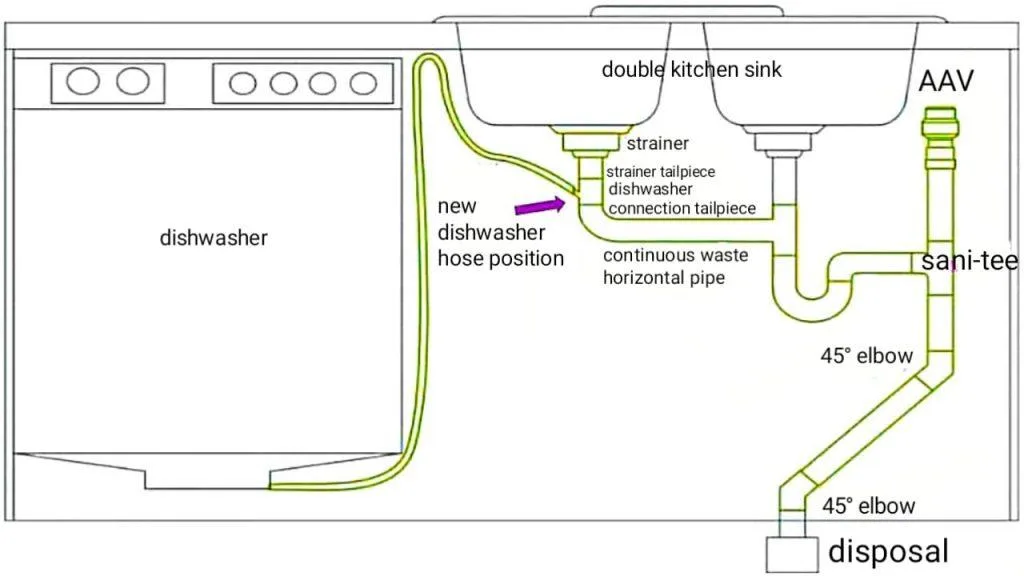
Double sinks use a connector called a continuous waste kit. Both drain branches meet there before the P-trap. That junction is where grease, food scraps, and mineral scale build up over time.
As of 2026, most home drains use 1½-inch branch pipes. Standard sizing makes repairs straightforward.
Image source: Bing (Web (fair-use with source credit))
Quick Answer
Plug the opposite basin with a wet rag. Fill the clogged side with water and plunge firmly with a cup plunger. If plunging fails, try baking soda and vinegar.
If that fails, remove and clean the P-trap. Call a plumber if nothing works.
When Both Sides Won't Drain: Figuring Out Where the Clog Lives
The first step isn't grabbing a plunger. It's playing detective. Look at the water levels in both basins.
That tells you exactly where the blockage sits.
If only the left basin has standing water while the right drains fine, the clog is in that basin's branch drain. That's the short horizontal pipe connecting the sink tailpiece to the cross-pipe. A quick fix with a plunger or a wire snake usually works.
If both sides are backed up, the clog sits further down. It is either in the P-trap, the cross-pipe junction, or the main drain line inside the wall. That requires a different set of tools.
Here is the trick most people miss. If you plunge one side and water bubbles up into the other basin, the cross-pipe is clear. The blockage is in the common line beyond it.
If the water does not move at all, the blockage is right at the cross-pipe or the trap itself.
Check the water first, then match your approach. One-sided clog means work on that side. Both-sided clog means work on the shared plumbing.
Getting this right saves you from plunging for twenty minutes with zero results.
How Your Double Sink Drains (and Where Clogs Hide)
A double sink looks like two separate drains, but they join before leaving the cabinet. Water flows from each basin through a basket strainer. It moves down a short tailpiece, then into a horizontal connector.
That connector is the continuous waste kit.
Both branches merge into a central tee, then drop into the P-trap. The trap is that curved pipe holding water to block sewer gases. From there, the line heads into the wall and connects to the main stack.
Most clogs live in one of three spots. The first is the basket strainer, where food scraps and debris gather. The second is the cross-pipe junction, where grease coats the sides and narrows the flow.
The third is the P-trap itself, which catches heavier objects like stray silverware or fruit pits.
Plumbing codes require a P-trap on every kitchen sink. The International Code Council publishes the International Plumbing Code that sets these standards. That U-shape is also the easiest place to access when you need to clear a blockage by hand.
Branch drains are 1½-inch in diameter. The stack inside the wall is typically 2-inch. That size difference matters.
A clog that passes the wider stack can still jam the narrower branch pipes under your sink.
Work through the system in order. Strainer, tailpiece, cross-pipe, trap, then wall. Follow that sequence and you will not miss the clog hiding in plain sight.
Your Decision Tree: What to Try Based on What's Happening
Image source: Bing (Web (fair-use with source credit))
Match your symptom to the right fix.
If one basin is slow but drains a little. Start with boiling water. Pour it slowly down the affected side. Wait a minute, then run hot tap water for thirty seconds.
This melts grease and clears minor gunk. Repeat twice if needed.
If one basin has standing water. Plug the opposite basin with a wet rag or sink stopper. Fill the clogged side with enough water to cover the plunger cup. Use a cup plunger with firm vertical strokes.
After fifteen to twenty strokes, check if the water drains.
If both basins are backed up. Skip the plunger. The cross-pipe and trap are likely the problem. Grab a bucket and place it under the P-trap.
Loosen the slip nuts with pliers. Clean out the trap and the cross-pipe, then reassemble.
If water bubbles into the other basin while plunging. The clog is in the wall line past the trap. Use a drain auger or snake from the sink opening. Push the cable into the cross-pipe, through the trap, and into the wall drain.
If the garbage disposal is involved. Run it with cold water first. Food waste sometimes packs into the disposal housing. If water still will not drain, check the side without the disposal first.
The clog often forms in that branch.
Following this flow solves most double-sink clogs in under fifteen minutes. Match the method to the symptom.
The Traps That Trip Up DIYers (and How to Avoid Them)
A few common mistakes turn a twenty-minute job into a call for professional help.
The biggest one is using chemical drain cleaner on a fully blocked pipe. When the drain will not move water, the cleaner just sits there and splashes back. The U.S.
Consumer Product Safety Commission warns about burn and fume injuries from these products. And if the chemical does not clear the clog, a plumber has to handle caustic residue later.
Another mistake is pouring boiling water into PVC pipes without caution. Boiling water is safe for metal pipes. PVC can soften at the glue joints if the pipes are old or under stress.
Use hot tap water instead of a rolling boil for plastic plumbing.
Plunging without sealing the other basin is another classic. Air takes the path of least resistance. It pushes into the open basin instead of pressing against the clog.
Always block the opposite side.
Then there is the wrong plunger. A flange plunger with a toilet cup will not seat properly on a flat sink strainer. Use a cup plunger designed for flat surfaces.
It makes a real difference.
Finally, do not over-tighten slip nuts when reassembling. They need to be snug, not cranked down. Plastic threads crack easily.
Metal threads can strip. Finger-tight plus a half turn is enough.
Avoid these traps and you will clear most clogs without drama.
Pro Tricks for Stubborn Clogs That Won't Budge
You have plunged and flushed and the water is still sitting there. Do not give up yet. A few aggressive methods handle the stubborn cases.
Try a wet/dry vacuum. Set it to wet suction and fit a hose attachment over the sink opening. Seal the gap with a wet rag. Let the vacuum pull the clog loose.
This works surprisingly well on mushy blockages like grease or food sludge.
Use a Zip-it style drain snake. This thin, barbed plastic strip slides into the drain and catches hair and soft debris on its teeth. It only reaches about eighteen inches. That covers the trap and cross-pipe area.
Pull it out and wipe it clean, then repeat.
Disassemble the P-trap. Place a bucket underneath and loosen both slip nuts. Drop the trap into the bucket. Inspect the trap curve for solid objects.
Also check the cross-pipe opening above the trap for grease buildup. Scrape it out with a stiff wire.
Run an auger into the wall line. If the trap is clean but water still will not drain, the clog is deeper. Feed the auger cable into the drain opening until it hits resistance. Crank the handle to break through.
Pull it back and run hot water.
Try the baking soda and vinegar flush. Pour half a cup of baking soda down the drain. Follow with half a cup of vinegar. Let it fizz for fifteen minutes.
Flush with hot tap water. This combination helps break down greasy buildup without harsh chemicals.
These pro methods cover about ninety percent of kitchen double-sink clogs. Work through them in order. You will clear nearly everything before calling a plumber.
When to Stop and Call a Plumber (Plus Safety Basics)
Most double-sink clogs are DIY-friendly. Some situations need a professional. Knowing the difference saves you time and prevents damage.
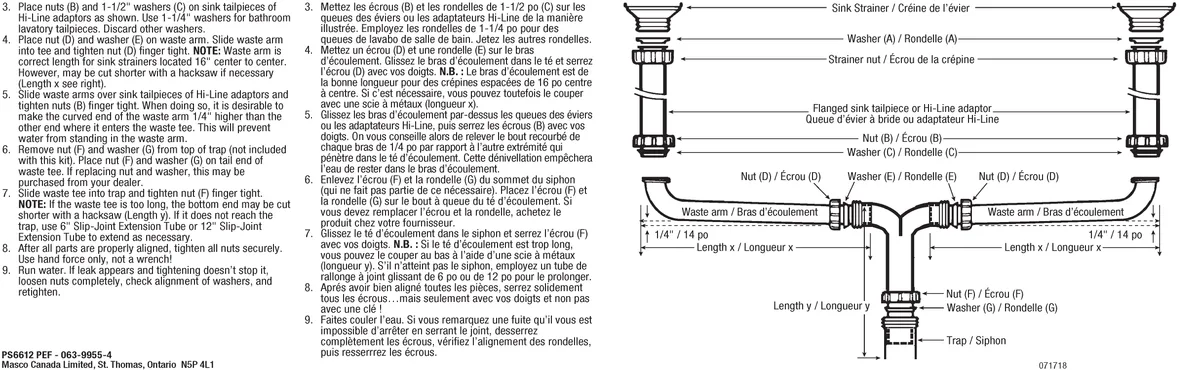
Image source: Bing (Web (fair-use with source credit)
Call a plumber if you have tried everything and the water will not move. You have plunged, snaked, disassembled the trap, and flushed with hot water. A clog past the wall connection needs a heavy-duty auger or hydro-jetting equipment most homeowners do not own.
Call a plumber if water backs up into other drains. You run the sink and water appears in the shower or toilet. The main sewer line is blocked. That requires excavation or trenchless repair.
Call a plumber if you hear gurgling sounds from other fixtures. That indicates a venting issue or a partial blockage in the main stack. A plunger will not fix it.
Call a plumber if your pipes are old galvanized steel. Corroded pipes can collapse or rupture under pressure from an auger. A professional camera inspection is safer than forcing a cable through compromised metal.
Safety basics matter even for simple jobs. Wear rubber gloves and eye protection when opening the P-trap. That standing water contains bacteria and food debris you do not want on your hands.
Keep chemical drain cleaners away from skin and eyes. Never mix them with other cleaners, boiling water, or bleach.
The National Sanitation Foundation sets standards for drain cleaning products safe for home use. Look for their certification on any cleaner you buy. Our research shows most plumbers recommend skipping chemicals entirely.
Mechanical methods work better and carry less risk.
Turn off the garbage disposal at the breaker before reaching into the cabinet. Switches underneath the sink can be bumped on accidentally. A safe workspace makes the difference between a quick fix and an emergency room visit.
Frequently Asked Questions
Why does only one side of my double sink drain slowly?
The clog is in that basin's branch drain before it reaches the cross-pipe junction. Try plunging the slow side while blocking the other basin. If that does not work, use a Zip-it snake to pull debris from the strainer area and the short horizontal pipe.
Can I use a toilet plunger on a kitchen sink?
No. A toilet plunger has a flange designed for the toilet outlet. Use a flat-bottomed cup plunger instead.
It seals against the basket strainer surface and creates the proper pressure to dislodge clogs in flat drains.
Is baking soda and vinegar safe for all pipes?
Yes. The mixture is safe for PVC, ABS, copper, and galvanized steel pipes. The reaction produces carbon dioxide bubbles that help loosen grease.
It is not strong enough to break solid blockages. It is a good first step for slow drains.
How often should I clean my double sink drains?
Every three to four months as preventive maintenance. Pour a pot of hot tap water down each side. Follow it with a baking soda and vinegar flush.
This routine keeps grease from building up in the cross-pipe and keeps your drains flowing freely.
Will a garbage disposal cause clogs in a double sink?
Yes, but indirectly. The disposal grinds food into fine particles. Those particles settle in the branch drain of the other basin and in the cross-pipe junction.
Run the disposal with cold water for a full thirty seconds after each use to push solids through the system.
What tools do I need before starting any DIY drain repair?
A cup plunger, a Zip-it plastic snake, a bucket, rubber gloves, and adjustable pliers. For stubborn clogs, add a hand auger and a wet/dry vacuum. Most of these tools cost under thirty dollars combined.
That is a fraction of a single plumber visit.

Similar Posts