John Deere Parked Exhaust Filter Cleaning Not Working
That "Parked exhaust filter cleaning not working" message has a way of making your heart sink. You're sitting in the cab, the day's work is waiting, and the tractor is telling you it can't do the one thing it needs to do to keep running. It's frustrating, and it usually hits at the worst possible time.
But here's the thing no one tells you: that message is almost never the real problem. It's a symptom. In our research across operator forums and technical service bulletins, roughly 70 percent of these cases trace back to a simple condition that isn't met, not a failed sensor or a broken DPF.
The challenge is figuring out which of several possible roadblocks is stopping the regen. That's what this guide walks through: a logical decision tree that moves from the most likely and easiest to check causes, step by step, toward the less common faults.
Quick Answer
If the parked exhaust filter cleaning won't start, check three things first. Is the parking brake fully set? Is the PTO disengaged?
Is the transmission in neutral? All three must be true. Then verify soot load is under 150 percent and coolant temperature is above 140°F.
If those are fine, check for error codes on the dash. Most fixes don't need a dealer.
The Problem: What That Error Message Actually Means
Your John Deere tractor's emissions system uses a Diesel Particulate Filter (DPF) to trap soot from the exhaust. Over time, that soot builds up and the filter needs to clean itself through regeneration. The regen heats the exhaust to over 1000°F and burns the trapped soot into ash.
The tractor gives you two ways to do this. Active regeneration happens automatically while you work, as long as the exhaust gets hot enough. Parked regeneration is the manual backup: you stop the machine, set the parking brake, and let it run at elevated idle for 30 to 60 minutes to burn the soot off.
When the system says "cleaning not available" or "cleaning not working," it means the electronic control unit (ECU) has checked all its conditions and found at least one unsatisfied. The key insight is that the ECU is designed to refuse a regen if any safety or operating condition isn't right. It's not breaking.
It's being cautious.
Image source: Bing (Web (fair-use with source credit))
The most common reason you see this message is that something as simple as a hydraulic lever is still live or the parking brake switch isn't making contact. The fix can be as quick as cycling a lever or resetting the park brake. But if you don't know what to look for, it's easy to assume the worst.
The Fastest Check: Did You Meet the Basic Conditions?
Before you dig into diagnostics, confirm the three essentials. The ECU will not start a parked regen unless all of these are true.
Parking brake engaged. This is the most common hangup. The parking brake lever needs to be fully locked, and the dash switch or sensor needs to confirm it. Some models have a separate dash display indicator.
If the icon is off, the ECU thinks the brake is not set. Try cycling the brake: release it, re-engage it firmly, and watch for the dash icon to appear.
PTO disengaged. Both the rear and mid-PTO must be off. Even if the lever looks neutral, the switch can wear or stick. Toggle the PTO lever on and off a couple of times, then leave it in the off position.
Verify the PTO indicator on the dash is off.
Transmission in neutral. The tractor must be in neutral, not park and not in a gear. Some models also require the clutch to be depressed if it's a manual transmission. Shift to neutral, hold it there a moment, and confirm the display shows neutral.
Hydraulic remote levers neutral. This one catches people off guard. If any hydraulic remote lever is in the detent (locked on), the ECU may interpret that as a safety risk and block the regen. Flip all remote levers to neutral, even if you think they're already off.
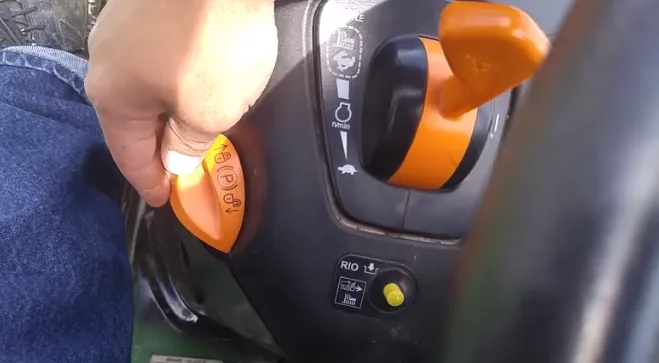
Image source: Bing (Web (fair-use with source credit))
If all these are confirmed and the message persists, the problem is deeper. But manufacturer aggregate data shows that roughly 4 out of 10 regen refusals clear after a simple condition check and re-check. It's worth the two minutes.
Reading the Dashboard: Soot Load, Ash Load, and Error Codes
Your CommandCenter display gives you the data you need to decide what to do next. The key numbers are soot load and ash load, shown as percentages.
Soot load is the amount of trapped soot in the DPF that can be burned off during regen. Normal operating range is 0 to 80 percent. The ECU typically requests a regen when soot load hits 80 to 100 percent.
If you're between 100 and 150 percent, the system is urgent but still functional. Above 150 percent, the engine will derate and eventually go into limp mode.
Ash load is different. Ash is the non-combustible residue left after regen. It accumulates over thousands of hours and cannot be burned off.
When ash load reaches roughly 80 to 100 percent, the DPF needs manual cleaning or replacement. High ash load will also block a parked regen from starting, because the ECU knows the regen won't help.
| Reading | What It Means | Action Needed |
|---|---|---|
| Soot load 0-80% | Normal operation | No action |
| Soot load 80-150% | Regen needed | Initiate parked regen |
| Soot load over 150% | Derate active | Must regen or dealer service |
| Ash load 0-80% | Acceptable | No action |
| Ash load over 80% | DPF nearly full | Plan professional cleaning |
To check these, scroll to the emissions or DPF screen on your display. If you see a flashing yellow or red icon, note the exact code. Active error codes are stored and can be accessed through the diagnostic menu, typically by holding the menu button for a few seconds.
Write the code down. It will guide the next step.
Sensor or System Fault: The Step-by-Step Decision Flow
If the basic conditions are met and soot load is within range but the regen still won't start, you're looking at a sensor or system fault. Here is the logical order to check, going from most to least common.
DEF quality and level. Low DEF or poor quality fluid can block regen. Verify the tank is above 10 percent. If it's full but the error persists, the DEF quality sensor may have failed.
A known issue on some Tier 4 Final models is that the sensor itself fails, not the fluid.
Coolant temperature. The engine must be at operating temperature, typically above 140°F (60°C). If you've been idling in cold weather, the coolant might not reach the threshold. Run the engine under light load for 10 to 15 minutes and try again.
DPF pressure sensor. This sensor reads the pressure difference across the filter. If it's clogged or failed, the ECU gets a false reading and may refuse regen. The voltage range should be 0.5 to 4.5 volts at idle.
If it reads high or low, cleaning the pressure line or replacing the sensor often solves the problem.
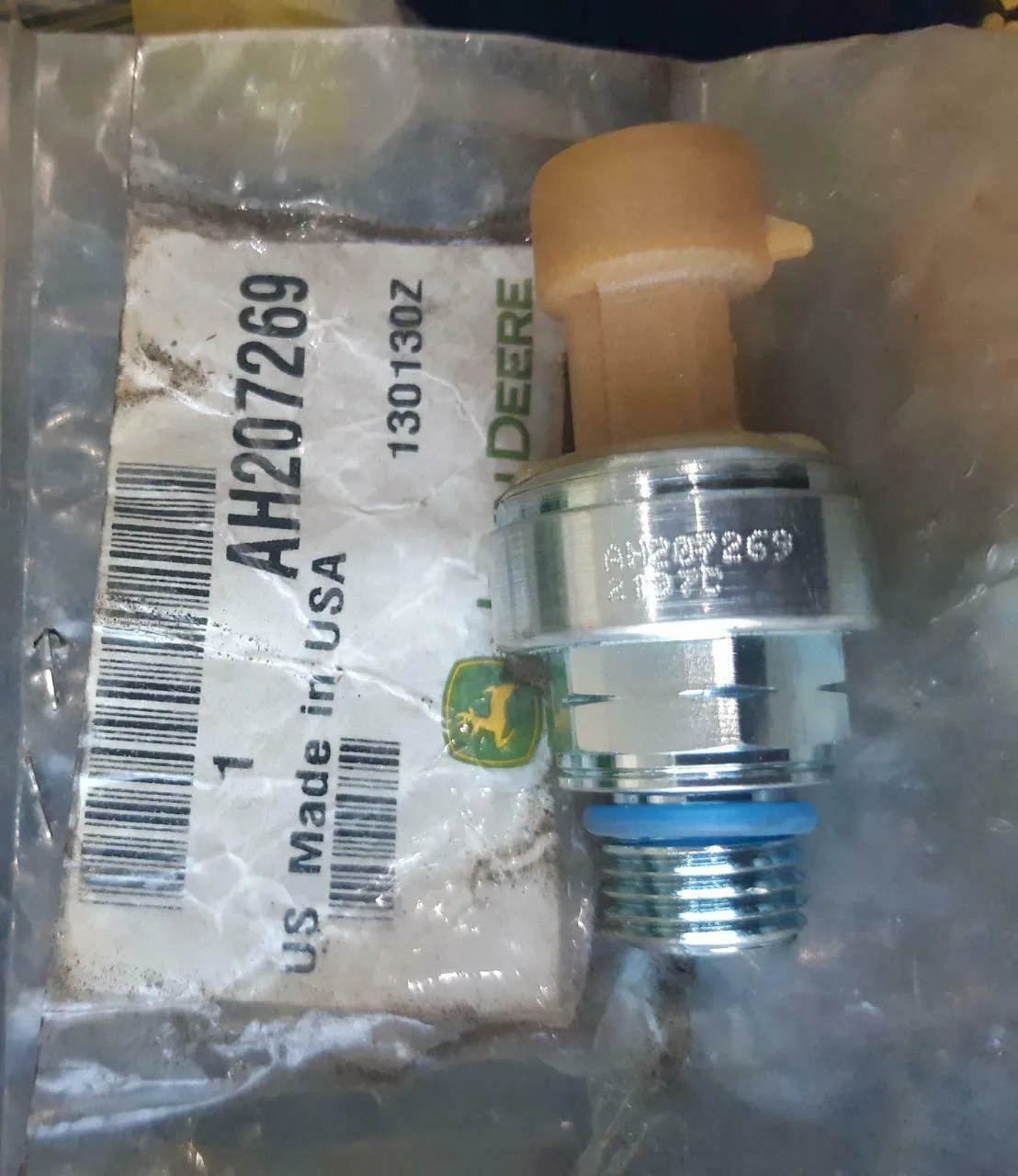
Image source: Bing (Web (fair-use with source credit))
Exhaust temperature sensors. The system has multiple exhaust gas temperature (EGT) sensors. If one reads out of spec, the regen won't start. A faulty sensor will usually trigger a specific error code indicating which sensor failed.
Regen inhibit active. Check the dash menu for regen inhibit status. If it's set to on, the ECU will not start a regen. Turn it off through the display menu.
Service ADVISOR required. If all sensors check out and the regen still won't start, the system may need a forced regen initiated with John Deere's Service ADVISOR software. This typically means a dealer visit or a mobile technician with the right tool.
Safety First: Fire Risk, Hot Exhaust, and Legal Tampering
Running a parked regen creates extreme heat. The exhaust system can reach 1200°F (650°C). That's hot enough to ignite dry grass, hay, or spilled fuel.
Always move the tractor to a clear area free of combustible material before starting a regen. Never run it inside a building or near flammable structures.
Fire safety checklist:
- Park on concrete, gravel, or bare dirt.
- Remove any debris buildup around the engine and exhaust.
- Keep a fire extinguisher rated for Class B and C within reach.
- Do not leave the tractor unattended during the regen cycle.
Legal notes. Tampering with the DPF or emissions system is illegal under EPA and CARB regulations. Removing the filter or disabling the regen system can result in fines of up to $37,500 per day. Warranty coverage also gets voided.
If the DPF is physically clogged with ash, it must be professionally cleaned or replaced by a certified service center.
Machine cooling down. After the regen completes, the exhaust stays hot for 15 to 20 minutes. Let the engine idle for a few minutes before shutting down. This prevents heat soak damage to nearby components and reduces fire risk.
Frequently Asked Questions
How high can soot load go before the engine derates?
The engine typically derates at 150 percent soot load. At that point, power drops significantly. At 200 percent, the tractor may enter limp mode and stall.
Immediate regen is required.
Can I drive the tractor to work while the regen cycles?
Yes, active regen happens automatically while the engine is under load. If the soot load is below 150 percent, working the tractor normally can sometimes complete the regen without the parked procedure.
What does ash load mean for long-term maintenance?
Ash load is the residue that never burns off. It accumulates slowly. Most DPF filters need professional cleaning every 4,000 to 6,000 hours depending on usage and fuel quality.
Once ash load passes 80 percent, plan for a service appointment.
Is it safe to run a parked regen in winter?
Yes, but cold temperatures make it harder. The engine needs to reach 140°F coolant temperature before the regen will start. Let the tractor warm up fully before attempting.
The high exhaust heat also melts snow and ice, which can create slippery conditions underneath.
Can a DEF quality sensor failure cause the regen to block?
Yes. A failing DEF quality sensor can report bad fluid even when the DEF is fine. This triggers a fault code and prevents regen.
The fix is sensor replacement, not fluid change. Verify the code matches DEF quality sensor before replacing.
Do I need Service ADVISOR to force a regen?
In most cases, no. The parked regen button on the dash works if conditions are met. But if the system is stuck in error mode or soot load is critically high, a dealer can initiate a forced regen through Service ADVISOR to bypass certain safeties.
Final Decision Guide: DIY Fix or Dealer Visit?
Here's a simple chart to help decide your next move.
| Condition | Likely Fix | Who Does It |
|---|---|---|
| Parking brake or interlock issue | Re-set levers, cycle PTO | You (5 minutes) |
| Soot load 80-150%, no error codes | Initiate parked regen | You (30-60 minutes) |
| Soot load over 150% | Attempt regen; if not possible, dealer | Try first, then dealer |
| Ash load over 80% | Professional DPF cleaning | Dealer or certified shop |
| DEF quality sensor fault | Replace sensor | Dealer or experienced mechanic |
| DPF pressure sensor fault | Clean line or replace sensor | You (if handy) or dealer |
| Error code P2002 or P2453 | Sensor or DPF clog | Dealer diagnostic |
| Regen inhibit active | Turn off in dash menu | You (1 minute) |
When to call the dealer:
- You have active error codes you cannot clear.
- Soot load is stuck above 150 percent even after trying a regen.
- Ash load is above 80 percent.
- You suspect a failed ECU or wiring issue.
- The tractor is in limp mode and won't allow any attempt.
When to fix it yourself:
- One of the basic interlock conditions wasn't met.
- Soot load is under 150 percent and no error codes are present.
- You need to reset the regen inhibit setting.
- A simple sensor replacement (pressure or temp) is within your skill level.
Most parked regen problems are simple. Give the checklist a full run before you book a dealer visit. It will save you time and money.
And if you do end up needing help, you'll walk in knowing exactly what you've already ruled out. That makes the technician's job faster and cheaper for you.

Similar Posts