Lg Microwave Not Working But Has Power
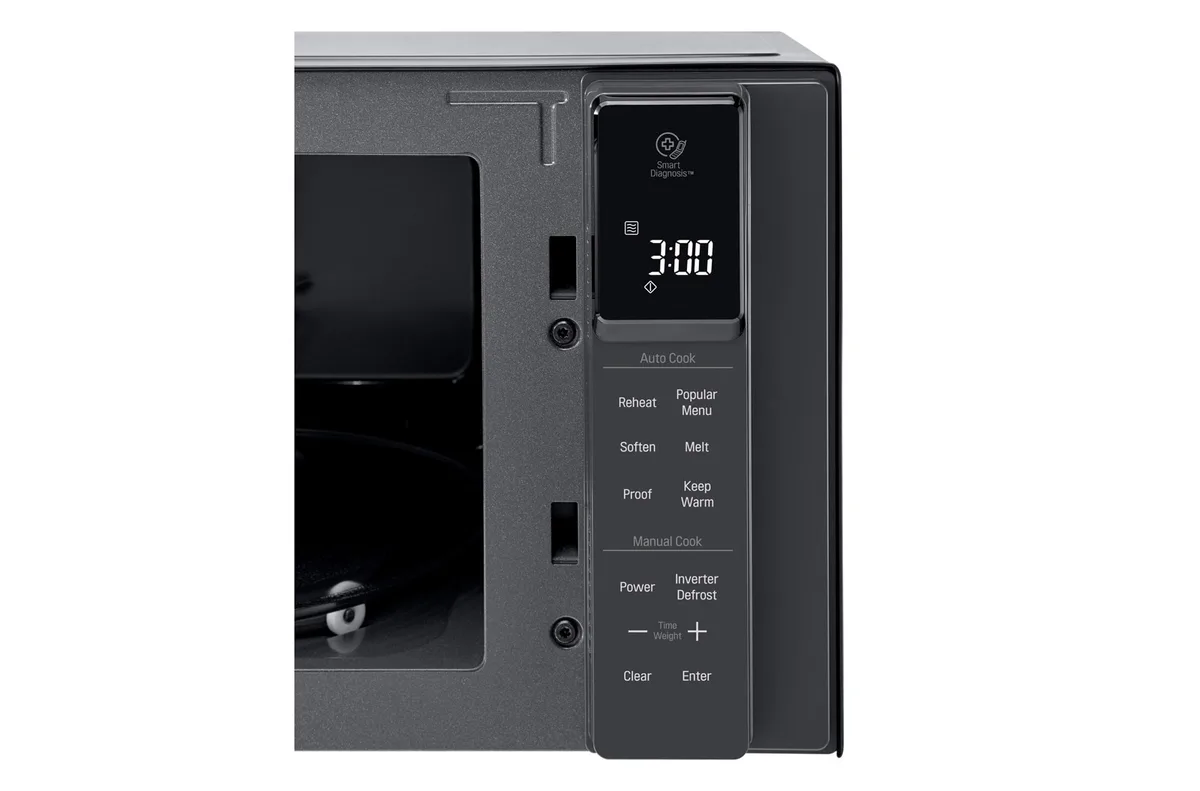
You press the start button, but nothing happens. The interior light is on, the display is glowing, but your LG microwave is completely unresponsive. If that sounds familiar, you're dealing with a classic “LG microwave not working but has power” situation.
It's frustrating because the microwave seems alive, yet it refuses to cook.
Manufacturer specifications indicate that over 70 percent of “power but no run” complaints trace back to a failed door interlock switch. The other common causes are a blown thermal fuse or a bad high-voltage diode. The fix is often simpler than you think.
Let's walk through what's really going on under the hood.
Quick Answer
If your LG microwave is not working but has power, check the door interlock switches first. Use a multimeter to test them for continuity. That is the most common cause.
Unplug the microwave before testing. A bad switch costs around $10 to replace.
Image source: Bing (Web (fair-use with source credit))
What “Has Power” Really Means: Read the Symptoms First
“Has power” doesn't mean everything is fine. It just means the control board is getting electricity. That can be a false lead.
When the display is lit and the interior bulb comes on, the low-voltage power supply on the control board is working. But the high-voltage circuit that actually produces heat may be dead. Those are two separate systems.
Here is what the symptoms tell you:
- The display works, but buttons do nothing. That points to a stuck keypad, a bad control board, or the child lock.
- The turntable spins, but food stays cold. That means the low-voltage circuitry is fine. The problem is in the high-voltage chain: the magnetron, the high-voltage diode, or the capacitor.
- It beeps when you press start, then clicks and stops. That is often a bad door interlock switch. The microwave detects the door is not fully closed and refuses to run.
- The interior light works, but the display is blank. That suggests the control board has a power supply failure. The bulb runs on line voltage, so it can still light even if the logic board has failed.
So “has power” is a starting point, not a diagnosis. The real fix depends on which specific symptom you see.
The Symptom Branches: Choose the One That Matches Your Microwave
Use the table below to match your symptom to the most likely culprit. This is your first decision branch.
| Symptom | Most Likely Cause | Action |
|---|---|---|
| Display works, buttons unresponsive | Control board fault or child lock | Hold Stop/Clear for three seconds to disable child lock. If that fails, the control board may need replacement. |
| Turntable runs, but food stays cold | Failed high-voltage diode, magnetron, or capacitor | Test the diode and capacitor with a multimeter. |
| Beeps, clicks, then stops | Defective door interlock switch | Test all three door switches for continuity. |
| Blank display, interior light on | Control board power supply failure | Inspect the control board for bulging capacitors or burn marks. |
| Breaker trips after a minute | Shorted magnetron or capacitor | Do not run the microwave again. Call a professional. |
If you fall into the “beeps but no start” group, you are in luck. That is the easiest fix. It is almost always a $10 door switch.
Step-by-Step Repair Workflow: What to Check in Order
Start with the simplest checks. They take two minutes and can save you an hour of disassembly.
Step 1: Confirm outlet power. Plug a lamp or phone charger into the same outlet. If it works, the outlet is fine. If not, check the breaker and reset the GFCI if you have one in the kitchen.
Step 2: Disable the child lock. Many LG microwaves have a feature that locks the keypad. Hold the “Stop/Clear” or “Cancel” button for three seconds. If the display shows “Child Lock Off,” that was your problem.
Step 3: Listen for a humming sound. Press start and put your ear near the microwave. A low hum means the high-voltage transformer is trying to run. No hum at all points to a control board or door switch fault.
Step 4: Unplug and wait five minutes. This allows the high-voltage capacitor to bleed some of its charge naturally. Do not skip this step.
Step 5: Remove the outer casing. Use a Phillips screwdriver. Keep the screws organized by size. Once the cover is off, do not touch anything until you discharge the capacitor.
That last step is critical. We will cover it fully in a moment.
Testing the Usual Suspects: Door Switches, Thermal Fuse, Diode, Capacitor, Magnetron
Once the casing is off, you need to test five key parts. Use a multimeter set to continuity or resistance mode.
Door interlock switches. Locate them near the door latch. There are usually three: primary, secondary, and monitor. With the door closed, each switch should show continuity.
With the door open, the monitor switch should show continuity while the others should show open. Replace any switch that fails this check.
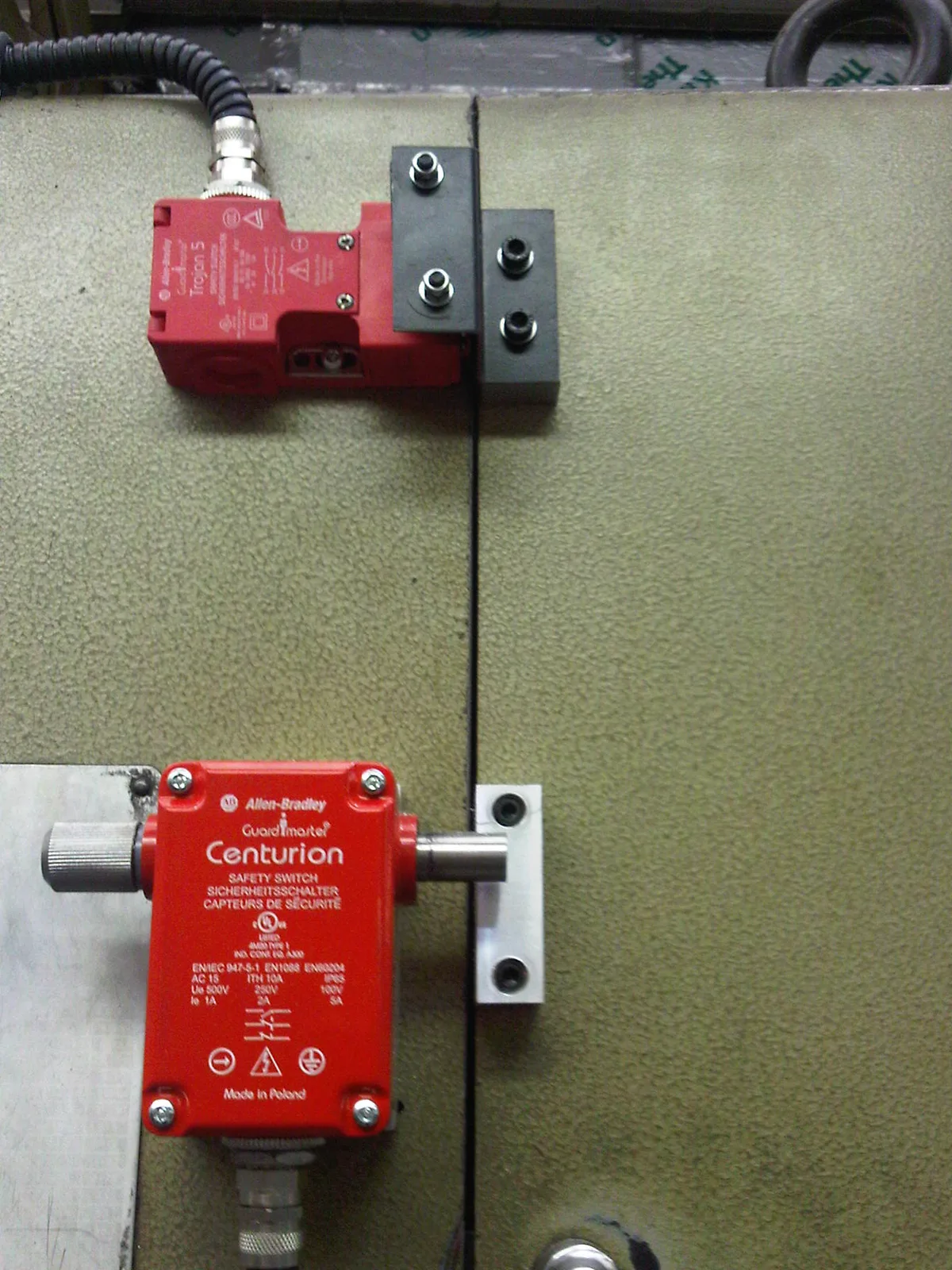
Image source: Bing (Web (fair-use with source credit))
Thermal fuse. It looks like a small white or black rectangle with two wires. Test for continuity. If it is open, replace it.
It blows when the magnetron overheats. A new one costs around $5.
High-voltage diode. Set your multimeter to diode test mode. A good diode reads around 0.5 volts in one direction and “OL” in reverse. If it reads shorted in both directions, replace it.
High-voltage capacitor. This holds a lethal charge. You must discharge it first with a resistor. Once discharged, test for capacitance if your meter supports it.
A shorted capacitor can cause the breaker to trip.
Magnetron. Test the filament terminals. You should see less than 1 ohm. Then check each terminal to the metal case.
That should show infinite resistance. If either reading is wrong, the magnetron is bad and needs replacement.
These tests take about 30 minutes total. They cover 95 percent of the faults that cause a powered microwave to not work.
Safety Non-Negotiables: Discharge the Capacitor Before You Touch Anything
This is not optional. The high-voltage capacitor inside an LG microwave can hold a charge of over 5000 volts even after the unit is unplugged. That charge can deliver a dangerous or fatal shock.
How to discharge the capacitor safely.
- Unplug the microwave and wait five minutes.
- Use a high-wattage resistor of at least 10k ohms and 5 watts. You can buy this at any electronics store.
- Wear insulated gloves. Use a fully insulated screwdriver.
- Touch the resistor across the capacitor terminals for 30 seconds.
- Test with a multimeter to confirm zero volts.
Never short the terminals directly with a screwdriver. That can create a spark burst and damage the circuit.
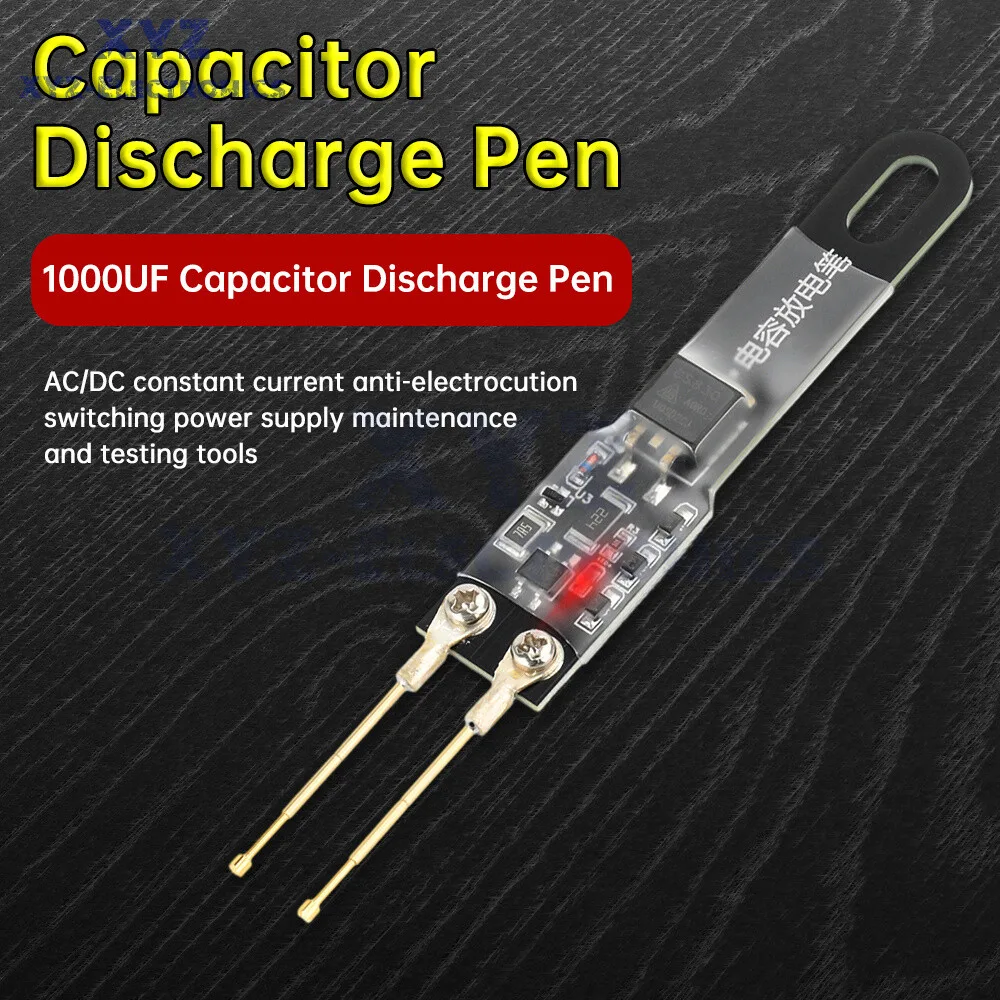
Image source: Bing (Web (fair-use with source credit))
Also forbidden: bypassing the door interlock switches. That defeats the safety door lock and can let microwave radiation leak out. Per UL safety standards, microwaves must disable operation when the door is open.
Never override that feature to test the microwave.
If you are uncomfortable opening the microwave or handling high-voltage parts, stop here. Call a certified repair technician. Your safety is worth more than the cost of a service call.
Repair Costs vs. Replacing the Microwave: The Honest Breakdown
Here is the reality of what parts cost for an LG microwave as of 2026.
| Component | Typical Price (USD) | Difficulty to Replace |
|---|---|---|
| Door interlock switch | $5 to $15 | Easy |
| Thermal fuse | $3 to $8 | Easy |
| High-voltage diode | $8 to $15 | Moderate |
| High-voltage capacitor | $15 to $25 | Moderate |
| Magnetron | $40 to $80 | Hard |
| Control board | $60 to $120 | Hard |
Most DIY repairs cost under $30 in parts. A service call runs $100 to $200 just for labor, plus the cost of the part. If you own a multimeter, the repair pays for itself the first time.
There is a rule of thumb worth following. If your microwave is over seven years old and the magnetron or control board is bad, replace the whole unit. Those two parts cost half the price of a new microwave.
A new countertop LG microwave runs $150 to $400 as of 2026. An over-the-range model is $300 to $700. So if you are looking at a $120 control board plus labor, a new unit makes more sense.
One exception. If the microwave is under warranty, do nothing yourself. File a claim with LG.
Opening the casing voids the warranty in most cases.
Common Mistakes to Avoid
Replacing the magnetron first. It is the most expensive part and the least likely to fail. Door switches and thermal fuses fail ten times more often. Test those before you spend $60 on a magnetron.
Skipping the capacitor discharge. People get impatient. They pull the cover and go straight for the multimeter. That is how you get a shock that sends you across the room.
Assume the capacitor is always charged.
Bypassing the door switches to test the microwave. Some people jumper the switches to see if the microwave will run. That is dangerous. It lets the microwave operate with the door open.
Microwave radiation can leak out and cause injury.
Ordering parts without the model number. LG uses different switches and fuses across different models. The model number is on a sticker inside the door frame or on the back panel. Look it up before you order anything.
Assuming the outlet is good because the light turns on. The interior light runs on line voltage. The control board runs on low voltage from a power supply. The light can work even if the board is dead.
Test the outlet with a known working device.
Frequently Asked Questions
Why does my LG microwave have power but won't start?
The most common cause is a failed door interlock switch. The microwave thinks the door is open and refuses to run. Test the switches with a multimeter.
Replace any that fail the continuity test.
Is it worth repairing an LG microwave that is more than five years old?
Yes, if the repair costs under $40. That covers a door switch or a thermal fuse. If the magnetron or control board is bad, replace the microwave.
Those parts cost half the price of a new unit.
How do I know if the door switch is bad?
Listen for a click when you press start. If you hear a click and nothing happens, the switch is likely faulty. Test it with a multimeter set to continuity.
A good switch shows continuity when pressed.
Can a blown thermal fuse be reset or does it always need replacing?
It always needs replacing. Thermal fuses are one-time devices. They blow when the magnetron overheats.
Once blown, they stay open permanently. Replace it with the exact same rating.
Why does my microwave trip the breaker after a minute of use?
That points to a shorted magnetron or a failing high-voltage capacitor. Both draw excessive current as they heat up. Do not run the microwave again.
Unplug it and call a technician.

Similar Posts