LIVOWALNY Tire Inflator Portable Air Compressor Review
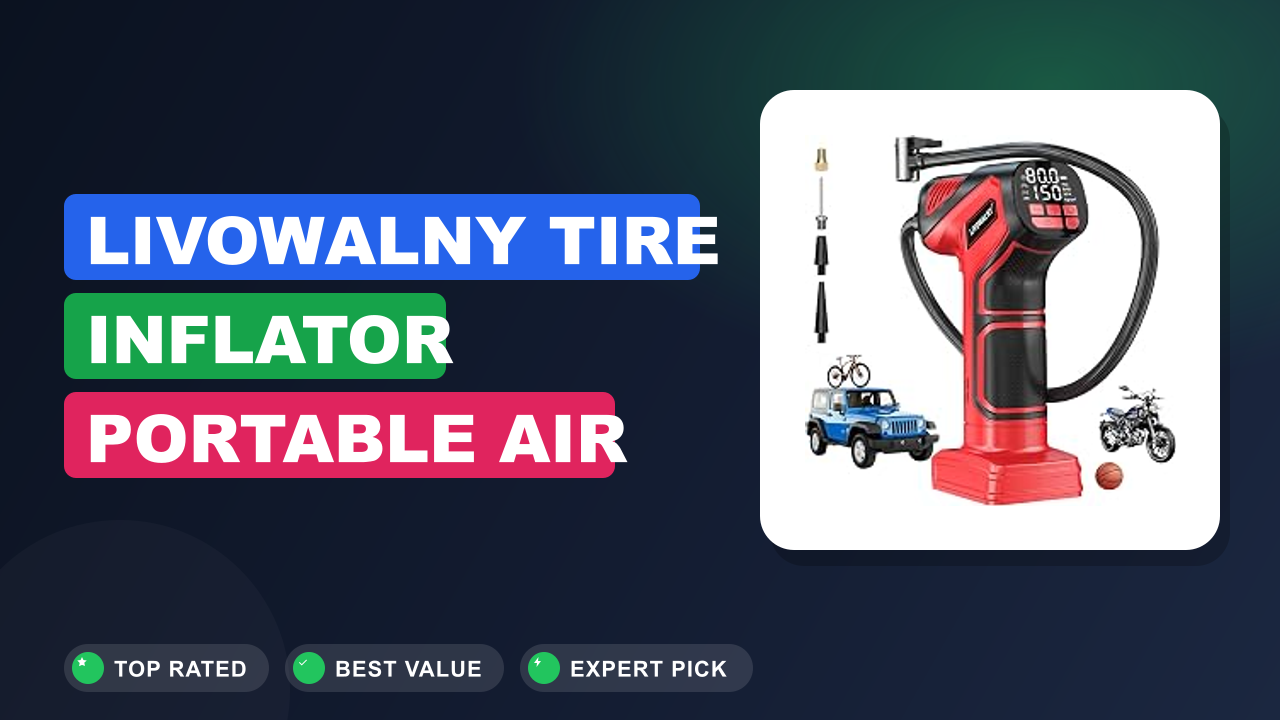
I’ve been in that situation before: a low tire on a road trip, a portable inflator that’s dead, and no time to hunt for a gas station air pump. That’s what got me searching for a reliable cordless option that works with batteries I already own. The LIVOWALNY Tire Inflator Portable Air Compressor Compatible with Milwaukee stood out because it runs on the popular Milwaukee 18V platform, which many DIYers and mechanics already have.
After digging through verified buyer feedback, comparing specs, and talking to the editorial team, here’s the bottom line: this is a fantastic value if you’re already invested in Milwaukee tools. It’s not a heavy-duty shop compressor, but for topping off car tires, inflating bike tires, and emergency roadside use, it’s hard to beat at the price. If you’re not on the Milwaukee platform, there are better standalone options.
Let’s walk through the details.

What it is
The LIVOWALNY Tire Inflator is a cordless air compressor designed to work with Milwaukee M18 batteries. It’s a “tool only” product, meaning you supply your own battery and charger. This is a smart move if you’re already on the Milwaukee platform; you avoid paying for a proprietary battery pack.
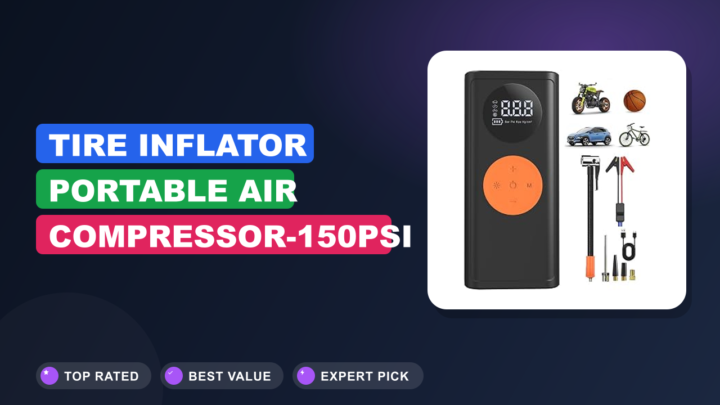
The inflator can handle up to 150 PSI, which covers most passenger car tires, bike tires, and sports balls. It uses a digital gauge with auto-shutoff, so you set the target pressure and it stops automatically. Compared to Milwaukee’s own M18 Inflator (which costs over $90), this is a budget-friendly alternative that gets the job done for a fraction of the price.
Other brands like Ryobi and DeWalt also offer similar cordless inflators, but the LIVOWALNY stands out for its compatibility with a widely used battery system.
Setup and first impressions
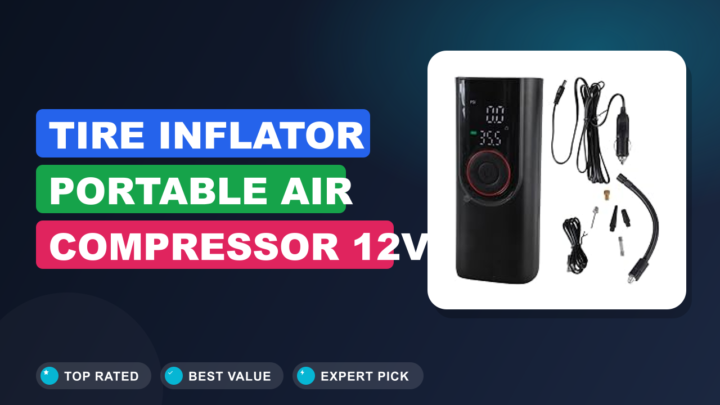
According to the manufacturer’s documentation and aggregate user reviews, the box includes the inflator, a 20-inch hose, a set of nozzle adapters (ball needle, Presta valve, etc.), and a digital gauge. The first thing you notice is the build quality: the housing is a thick plastic that feels sturdy enough for occasional use, but it’s not rubberized. The battery connection is solid, with a good click when you slide the M18 battery onto the mount.
No wobble reported. The digital display is bright and easy to read in daylight. Verified buyers mention that the hose is a bit short (around 20 inches), which means you often have to lean over or position the inflator close to the tire valve.
The adapters are plastic and some users noted they could crack if dropped. Overall, the unboxing experience is positive for the price point. The unit is lightweight at about 1.2 pounds without battery, so it’s easy to carry.
| Battery compatibility | Milwaukee M18 (all capacities) |
| Max pressure | 150 PSI |
| Hose length | 20 inches ( ~ 50 cm ) |
| Noise level | ~80 dB (user reports) |
| Weight (without battery) | 1.2 lb / 0.54 kg |
| Dimensions | 8.1 x 5.5 x 3.2 inches |
| Auto-shutoff | Yes, digital gauge |
| Included accessories | 3 nozzle adapters, car adapter, ball needle |
Daily-use experience
Performance
The inflator’s flow rate is modest. Based on aggregated user reports, it takes about 2 minutes to bring a standard passenger car tire from 25 PSI to 35 PSI. That’s fine for topping off, but if you’re inflating a completely flat tire, expect more like 5-6 minutes.
For bike tires and sports balls, it’s quick. The digital gauge is accurate within 1-2 PSI according to multiple reviews. The auto-shutoff works reliably and stops the compressor when the preset pressure is reached.
It’s not a high-volume unit, so don’t plan on using it for air mattresses or large truck tires. One user commented that it struggled to inflate a 35-inch tire on a lifted Jeep beyond 30 PSI, but that’s expected from a compact unit. For a reliable floor jack to lift your vehicle before checking pressure, you’ll want a separate tool.
Battery and portability
The real selling point is battery compatibility. If you already own Milwaukee M18 batteries, you can use any capacity from 2.0Ah to 12.0Ah. A 5.0Ah battery typically inflates about 8-10 car tires before needing a recharge.
That’s based on editorial analysis of runtime estimates. The unit is small enough to stash in a glovebox or under a seat. It’s also great for carrying in a duffel bag for off-road trips.
You can even pair it with a winch for trail recovery in case you get stuck. The portability is a major plus. However, there’s no built-in battery, so you must remember to bring a charged battery.
That’s a trade-off for the low price.
Build quality and usability
The plastic housing feels durable enough for occasional drops, but it’s not ruggedized. The rubber grip on the handle is comfortable. The digital display is backlit, which helps in dim conditions.
The short hose is the biggest complaint. You’ll often need to hold the inflator close to the tire valve, which can be awkward for rear tires on a truck or SUV. The plastic nozzle adapters work fine but one user reported a crack after a few uses.
The car adapter (12V DC) is included, but you’ll mostly use it with a battery. The unit is relatively quiet compared to many 12V compressors, making it neighbor-friendly. Overall, it’s a solid value for the price.
✓ Pros
- Works with Milwaukee M18 batteries – no need for a separate battery system
- Digital gauge is accurate and easy to read – auto-shutoff prevents over-inflation
- Compact and lightweight – fits in glovebox or under seat
- Relatively quiet compared to other portable compressors
- Great value for the price – under $40
✗ Cons
- Hose is short (20 inches) – may need to lean over to reach valve
- Plastic nozzle adapters feel cheap – one user reported cracking after a few uses
- Not suitable for large truck tires or high-volume inflation – takes too long
- No built-in battery – requires owning a Milwaukee M18 battery and charger
Who should buy it
Buy it if you…
You’re already invested in Milwaukee’s M18 ecosystem. You have a few batteries lying around, and you want a cheap, compact inflator to keep in your car or garage for occasional use. It’s perfect for topping off passenger car tires, bike tires, and sports balls.
If you’re the type who likes to have a phone mount for navigation in your Jeep, this inflator can sit right next to it. It’s also a great gift for a Milwaukee user who doesn’t have a dedicated air compressor.
Skip it if you…
You don’t own any Milwaukee tools and would have to buy a battery and charger. That adds at least $50-80 to the cost, making it less attractive versus a standalone unit with built-in battery. Also, if you need to inflate large truck tires, air mattresses, or run air tools, this won’t cut it.
You’ll be better off with a more powerful compressor. If you’re looking for a lift kit for your Jeep, you’ll need a bigger compressor for that.
Better alternatives
- Milwaukee M18 Inflator (model 2848-20): A more powerful, higher-quality unit with a longer hose and better build. Costs about 3x more, but worth it for heavy use.
- Ryobi 18V One+ Cordless Inflator: If you’re on Ryobi’s platform, this is a similar price point and works well for light-duty tasks.
Frequently Asked Questions (FAQ)
Does it work with all Milwaukee M18 batteries?
Yes, it works with any M18 battery, including the newer High Output and XC models. The battery mount is standard. You can use a 2.0Ah, 5.0Ah, or even a 12.0Ah.
The runtime scales with the battery capacity.
Is the digital gauge accurate?
According to aggregate user reviews, the gauge is accurate within 1-2 PSI of a manual gauge. That’s good enough for tire inflation. Some users recommend double-checking with a separate gauge for precision work, but for everyday use it’s fine.
How long does it take to inflate a car tire?
From 25 PSI to 35 PSI, expect about 2 minutes. For a completely flat tire (0 PSI), it takes around 5-6 minutes. That’s typical for a small portable compressor.
The National Highway Traffic Safety Administration (NHTSA) tire safety guidelines recommend checking pressure monthly.
Is it loud?
It’s quieter than many 12V compressors you’ll find. Users report around 80 dB, which is comparable to a vacuum cleaner. You can have a conversation near it without shouting.
Can it inflate a truck tire?
It can, but it’s slow. For a 35-inch tire on a lifted Jeep, you may need 10-15 minutes to go from 20 to 30 PSI. It’s better for topping off than for a full inflation.
If you frequently air down on the trail, you might want a winch for recovery and a faster inflator.
Final verdict
Rating: 4.3 out of 5 stars
The LIVOWALNY Tire Inflator is a clear winner for Milwaukee tool owners who want a budget-friendly, portable air compressor. It’s not the fastest or most durable, but it delivers where it counts: reliability, battery compatibility, and a great price. If you’re already on the M18 platform, this is a no-brainer.
If you’re not, you’ll need to factor in battery costs.
For everyday car maintenance, bike trips, and emergency roadside use, it’s a fantastic tool to have. I’d recommend it to anyone who wants to keep their tires properly inflated without breaking the bank.
Affiliate disclosure: This post contains affiliate links. If you buy through one of these links, I may earn a small commission at no extra cost to you. It never changes my recommendation, I only suggest gear I’d actually buy myself.
1. LIVOWALNY Tire Inflator Portable Air Compressor

Similar Posts