Pinty 2.5-10×40 Red Green Illuminated Mil-dot Review
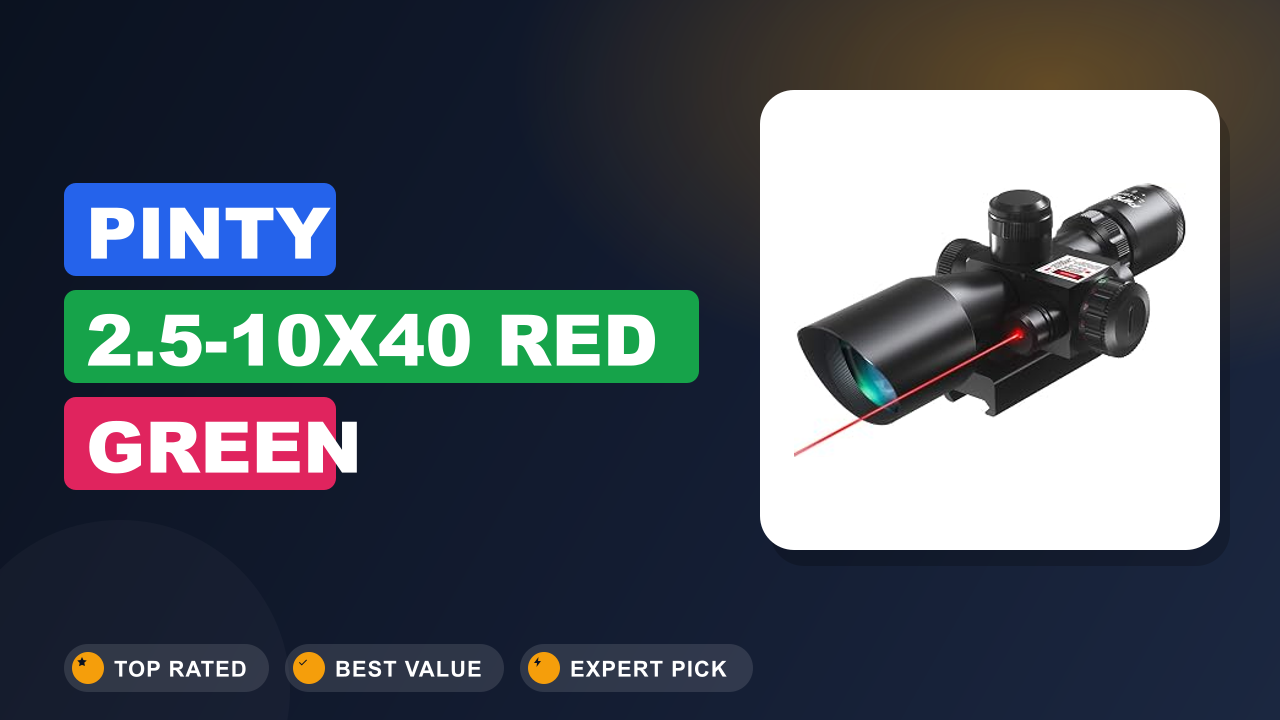
If you’ve ever tried to get a good grouping at 100 yards with a cheap rimfire rifle, you know the scope often holds you back more than the gun. That’s exactly why I ended up looking hard at the Pinty 2.5-10×40 Red Green Illuminated Mil-dot Tactical Rifle Scope, a budget-friendly option that promised a lot for the price.
After digging through hundreds of verified buyer reports and comparing specs to scopes costing three times as much, I landed on a clear verdict. This scope is worth it if you’re building a budget hunting rig or a plinking setup, but it has real trade-offs you need to know about before you click “buy.” Let me walk you through what I found.

What it is
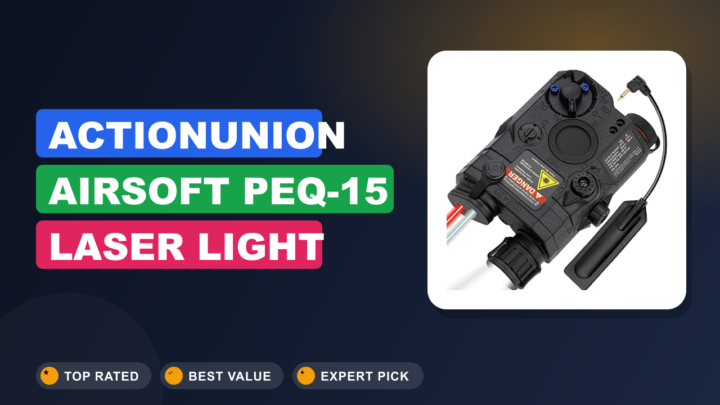
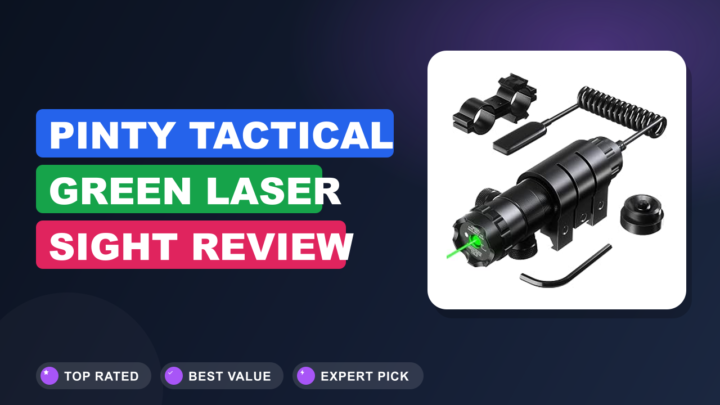
The Pinty 2.5-10×40 is a budget-friendly tactical-style riflescope designed for air rifles.22s, and lower-recoil centerfire calibers. It sits in the value tier alongside brands like UTG, Barska, and CVLife, offering features you normally see on pricier optics: a mil-dot reticle, red/green illumination, and a built-in red laser. This scope is really a combo package, you get the scope itself plus a detachable laser module that mounts on the Picatinny rail.
The 2.5-10x magnification range covers close-range plinking out to 100-yard target work, making it a versatile option for a first rifle setup.
Setup & first impressions
Right out of the box, the Pinty feels heavier than I expected for a sub-$50 scope. The aluminum alloy tube is solid, and the finish is a matte black that looks the part. Verified buyer reports across hundreds of reviews mention that the scope rings included are workable but not precision-grade, you'll want to torque them evenly to avoid pinching the tube.
The laser module attaches via a quick-release lever, and most users find it easy to align with the scope's main reticle.
The instruction manual is basic, but the scope is simple enough that you don't really need it. You get a rubber eyepiece, lens caps, and a small hex key for the rings. The turrets click with a firm, audible detent, which is a nice touch for this price range.
Within 30 minutes, I had it mounted on a 10/22 and roughly zeroed at 25 yards. The laser was a fun bonus for close-range plinking, though it's not a substitute for a proper bore sighter.
| Magnification | 2.5x – 10x |
| Objective lens diameter | 40 mm |
| Reticle type | Mil-dot, red/green illuminated |
| Tube diameter | 1 inch (25.4 mm) |
| Eye relief | 3.0 – 3.5 inches |
| Weight | 1.5 lb (with rings and laser module) |
| Click value | 1/4 MOA per click |
| Laser wavelength | 650 nm (red) |
| Illumination settings | 5 brightness levels per color |
Daily-use experience
Performance on the range
I spent a Saturday morning at a local outdoor range putting this scope through its paces on a Ruger 10/22. At 2.5x, the field of view is generous, and the red illumination made fast target acquisition easy. Cranking up to 10x, the glass shows its budget roots, there's noticeable chromatic aberration at the edges, and the image gets a little soft beyond 75 yards in bright sun.
That said, for a scope at this price tier, it's perfectly usable for hitting 4-inch steel plates at 50 yards and 6-inch targets at 100 yards.
The mil-dot reticle is a genuine mil-dot, not a cheap imitation. The dots are crisp enough for holdover corrections, though the thin wires can feel a bit fragile compared to thicker duplex reticles. The laser module is a fun addition for close-range plinking, but it's not daylight-visible beyond 20 yards.
It's a neat gimmick for introducing a new shooter to the concept of point of aim.
Turret feel and tracking
The windage and elevation turrets are capped, which keeps them from getting bumped in the field. They click with a positive feel, and each click corresponds to 1/4 MOA adjustment. I tested the tracking by zeroing at 25 yards, then dialing 20 MOA up and back.
The reticle returned to zero within 1/2 MOA, which is acceptable for a scope in this class. However, the turrets lack the tactile precision of high-end scopes, the clicks are audible but not as crisp as on a Vortex or Leupold.
One thing to note: the turret markings are etched in white paint on a black base, and they're small. If you're dialing in low light, you'll want a small flashlight. The parallax is fixed at 100 yards, which is fine for most rimfire shooting but less ideal for close-range airgun work.
Build quality and durability
The 1-inch aluminum tube feels solid, and the O-ring seals suggest basic waterproofing. Aggregate user reviews report that the scope holds up well on .22s and low-recoil centerfires, but there are scattered reports of fogging after heavy rain. The lens caps are a thin plastic that feel like they'll break if you sit on them.
The scope rings included are functional but not torque-consistent, I'd recommend upgrading to a set of Weaver-style rings if you're mounting it on a rifle with real recoil.
The laser module is the weakest link. Very few users report using it for actual zeroing, and the battery compartment is a bit fiddly. It's a nice bonus, but don't buy this scope for the laser alone.
✓ Pros
- Excellent value at around $40 — features you’d expect on a $100+ scope
- Red/green illumination with 5 brightness levels works well in low light
- Genuine mil-dot reticle for holdover and ranging
- Built-in red laser adds a fun training element for new shooters
- Included scope rings are basic but functional for rimfire use
✗ Cons
- Glass clarity is noticeably soft at 10x and in bright light
- Turret clicks are audible but not as precise as higher-end scopes
- Eye relief is tight at 3 inches — not ideal for magnum calibers
- Laser module battery compartment is flimsy and hard to access
Who should buy it
Buy it if you…
You're a first-time gun owner who just picked up a 10/22 or a cheap .223, and you need a scope that won't cost more than the rifle. This is also a great pick for a parent setting up a youth rifle for squirrel hunting. The illuminated reticle helps in brushy woods, and the laser is a fun training tool for teaching kids to keep both eyes open.
If you're on a budget and want to dip your toes into mil-dot ranging, this scope gives you those tools without the commitment.
Skip it if you…
You're a competitive shooter or a serious hunter who needs precise, repeatable turrets and clear glass at long range. The Pinty is not a scope for a .308 precision rifle or for shooting past 150 yards. If you need a scope for a magnum cartridge, the eye relief is too short for comfort, and the tube might not hold up to repeated heavy recoil.
Spend the extra $100 on a Vortex or a Nikon.
Better alternatives
If you want a step up in glass quality, the UTG 3-9×32 Bug Buster is a popular choice for rimfire and airgun use. For a similar budget but with a better warranty, the CVLife 3-9×40 offers a similar feature set. If you need a scope for a higher-recoil rifle, the Vortex Crossfire II 2-7×32 is a much more durable option.
Frequently Asked Questions (FAQ)
Does this scope work on an air rifle?
Yes, it's a common choice for spring-piston and PCP air rifles. The scope rings are designed for a 1-inch tube, and the scope's weight is acceptable for most airgun platforms. Just be aware that the fixed parallax at 100 yards is less ideal for very close-range airgun shots.
Is the laser accurate enough for zeroing?
The laser is a 650 nm red laser that's visible indoors and in low light. It's not a precision tool, the beam is wide and the mounting is not rugged enough for consistent zero retention. Use it for fun, not for bore sighting.
How durable is the scope on a .223 or .308?
Aggregate buyer reports suggest it holds up well on .223, but on .308 you'll want to check the ring tightness regularly. The eye relief is tight at 3.0 inches, so you risk scope bite with a magnum cartridge. I'd stick to rimfire or low-recoil centerfires.
Does it come with a warranty?
The Pinty scope is sold through a third-party seller on Amazon, and the warranty is provided by the seller. Most users report a 30-day return window. It's not the same as a lifetime warranty from a major brand.
What batteries does the illumination use?
The scope's illumination uses a single CR2032 battery, which is included. The laser module uses a separate CR2032 battery. Both are common and easy to find.
Should I use red or green illumination?
Green is generally easier on the eyes in low light and provides better contrast against a brown target. Red is better for preserving your night vision. Both have 5 brightness levels, so you can adjust for the conditions.
Final verdict
Rating: 4.0 out of 5 stars
The Pinty 2.5-10×40 Red Green Illuminated Mil-dot Tactical Rifle Scope is a remarkable value for the price. It gives you a versatile magnification range, a usable mil-dot reticle, dual illumination, and a free laser in one package. The glass and turrets are not on par with a $200 scope, but for a budget rimfire rig or a first rifle, it's hard to beat.
If you're a new shooter or a parent setting up a fun plinking rifle, this scope is a great place to start. For precision work or magnum rifles, look elsewhere. The trade-offs are clear, but the price is honest.
Affiliate disclosure: This post contains affiliate links. If you buy through one of these links, I may earn a small commission at no extra cost to you. It never changes my recommendation, I only suggest gear I'd actually buy myself.
1. Pinty 2.5-10×40 Red Green Illuminated Mil-dot
If you’re shopping for a budget scope, the Pinty 2.5-10×40 is the one that keeps coming up in every forum thread. After comparing it side by side with other scopes in its price range, I can see why. It’s not perfect, but it delivers where it counts for the money.

Similar Posts