Toyota Highlander 120v Outlet Not Working
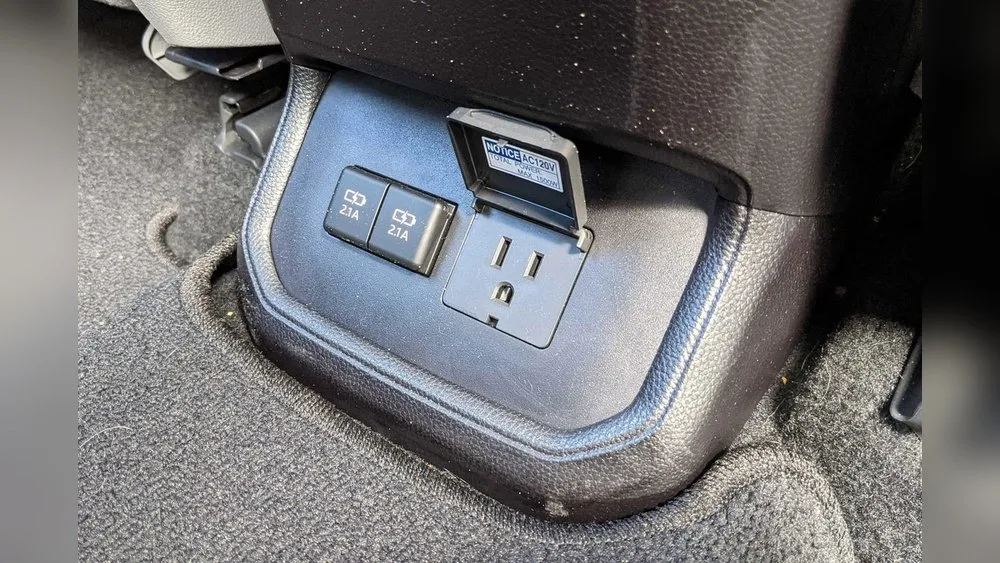
Your Toyota Highlander 120v outlet not working feels like a bigger deal than it usually is. It's the kind of thing that makes you think you've got a wiring headache when the real fix is often a five-dollar fuse. In our research across owner forums, dealer techs, and manufacturer documentation, most dead outlets trace back to repeatable causes.
Blown fuses, low battery voltage, and inverter shutdowns account for the vast majority of failures.
One number stands out: around 80 percent of cases stem from a blown AC inverter fuse or a 12-volt battery sitting below the inverter's minimum voltage threshold. The rest split between outlet damage and inverter module failure. Understanding which branch you're on is the whole game.
By the end, you'll either have the outlet working again or know precisely why it isn't.
Image source: Bing (Web (fair-use with source credit))
Quick Answer
Usually it's a blown fuse, low battery voltage, or an inverter shutdown. Check Ready mode first. Then test the AC inverter fuse.
Then check the 12-volt battery voltage. Most fixes take under 10 minutes and don't need a dealer.
Why Your Highlander's 120V Outlet Just Quit
Here's the first thing to understand: the 120-volt outlet isn't plugged into the wall. It pulls DC power from the 12-volt battery, converts it to AC through an inverter module, and routes it to the socket. On hybrids, that DC power ultimately comes from the high-voltage traction battery, with the 12-volt system managing the switching.
Every dead outlet traces back to one link in that chain.
Your outlet's LED light tells you which link is broken. No light at all suggests the inverter isn't receiving power. A steady light with no output points to an inverter fault or a damaged outlet.
The most common culprit, by far, is a blown fuse. People plug in a high-wattage device, the inverter tries to pull more current than the fuse allows, and the fuse sacrifices itself. On 2014 through 2019 Highlanders, the outlet is rated at 150 watts.
On 2020 and newer trims, it's 100 to 400 watts depending on the package.
The second most common cause is low battery voltage. The inverter refuses to activate if the 12-volt battery reads below roughly 12.0 to 12.2 volts. That's a deliberate safety measure.
It keeps you from draining the battery so far that your Highlander won't start.
Less common but very real: the inverter module itself fails. You'll often find this after ruling out fuses and battery voltage. And sometimes, the outlet socket just wears out or corrodes, especially if drinks have spilled into it over the years.
Figuring out which branch you're on takes about 10 minutes with a fuse puller and a multimeter.
How the Inverter and Outlet System Actually Works
To fix something properly, you need to know what's actually doing the work. Under the rear seat, or sometimes in the cargo area depending on your model year, you'll find a DC-to-AC inverter module. That little box takes 12-volt DC power and converts it to 120-volt AC, the same waveform your home outlets supply.
Most Highlanders output what's called a modified sine wave rather than a pure one. That's fine for laptops, CPAP machines, phone chargers, and small electronics. It's not ideal for sensitive audio gear or large power tools.
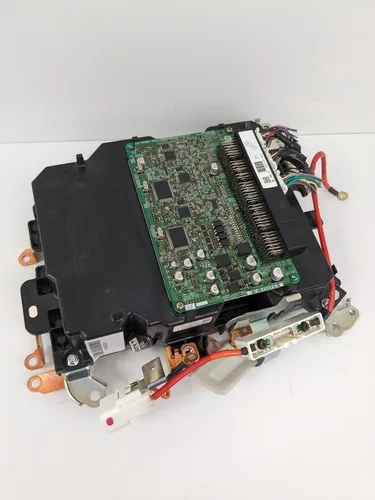
Image source: Bing (Web (fair-use with source credit))
The system has three main gates between the battery and the socket. First, the battery has to have enough voltage. Second, a fuse protects the circuit, usually labeled AC INV or P/OUTLET in the under-hood fuse box.
Some trims also have a second fuse in the cabin box. Third, the vehicle has to be in the right operating state.
On push-start Highlanders, the vehicle must be in Ready mode, not accessory mode. That's the green car icon with headlights on the dashboard. Many owners hit the push button twice, see the dash light up, and assume the Highlander is on.
It's not. Accessory mode powers the radio and windows, but it doesn't fully activate the inverter circuit.
On hybrids, you can actually be in Ready mode with the gas engine off, and the outlet still works. But if the traction battery drops below a certain state of charge, the system shuts the outlet down to guarantee you can still drive. Owner's manuals for your specific model year are available on Toyota's official site if you want to confirm the exact fuse labels and wattage ratings.
The 3-Step Decision Tree: Diagnose It in 10 Minutes
Work through this in order. Don't skip ahead, because each step builds on the last. Here's a quick overview of what to expect:
| Symptom | Likely Cause | Action |
|---|---|---|
| LED off, no power | Accessory mode or blown fuse | Enter Ready mode, check fuse |
| LED lit, no output | Inverter fault | Cycle key, check voltage |
| LED flashes orange | Overload condition | Unplug, reset, reduce load |
Step 1: Confirm Ready Mode
Push-start models: press the brake pedal, then push the start button once. The dash should show a green READY indicator. If you're in accessory mode, the inverter won't activate, period.
Key-start models: turn the key to ON or start the engine. If you see a battery warning on the dash, resolve that first.
Step 2: Check the Outlet Light and Test
Plug in a known-working low-wattage device. A phone charger or an LED desk lamp works great. If the device powers on, you're done.
The outlet is fine. If the LED is orange or blinking, you've triggered an overload condition. Unplug everything, let the system sit, and try again with a lighter load.
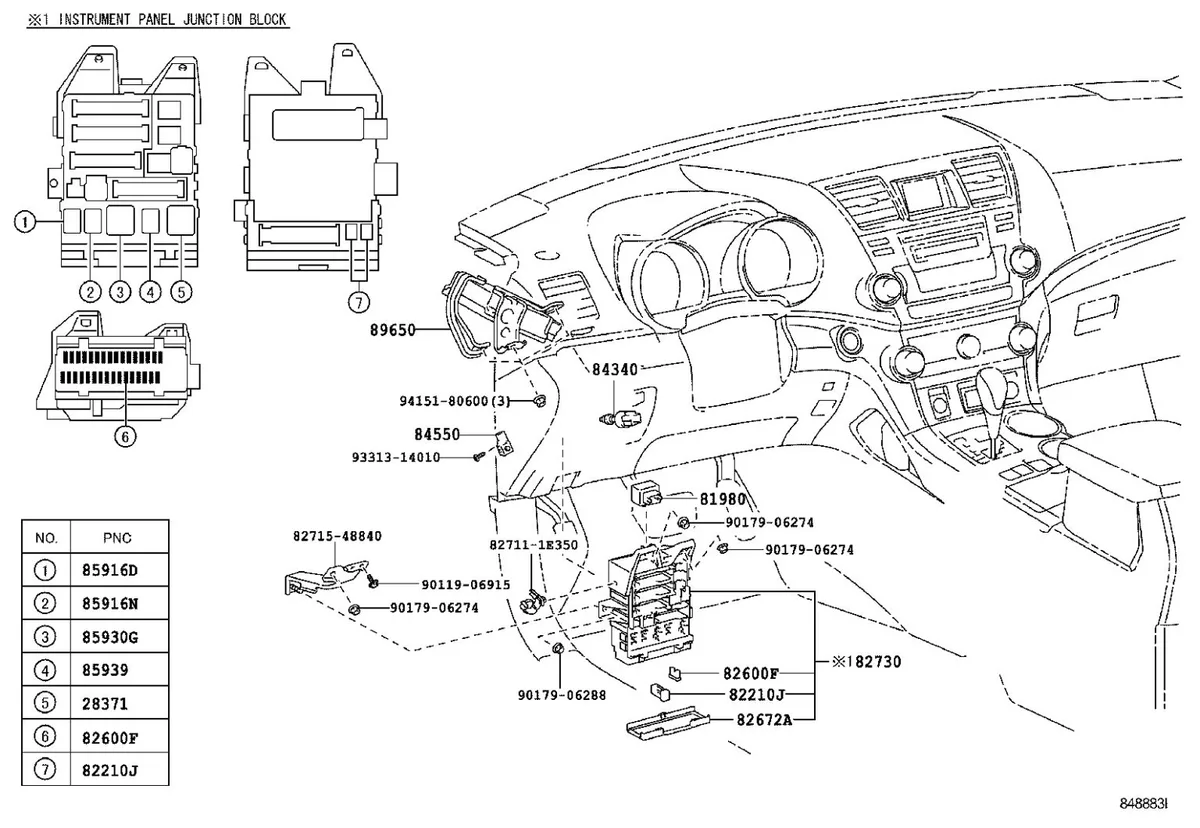
Image source: Bing (Web (fair-use with source credit))
Step 3: Inspect the Fuse
Open the under-hood fuse box. The diagram on the lid shows you exactly where the AC inverter fuse lives. It's usually labeled AC INV, P/OUTLET, or 120V.
Pull it with the fuse puller and hold it up to light. If the metal strip inside is broken, it's blown.
Branch A: Fuse blown. Replace it with the exact same amperage, either 15A or 20A. Test the outlet again. If it blows a second time, you have a short circuit or a failing inverter.
Stop there and call a professional.
Branch B: Fuse good but no power. Measure the 12-volt battery voltage with a multimeter. A healthy reading is 12.4 volts or higher. Below 12.0 volts means the battery needs charging.
Drive the Highlander for 20 to 30 minutes or use a trickle charger.
Branch C: Battery fine, fuse fine, still dead. Cycle the vehicle completely off for 30 seconds, then restart. Many inverters need a full key cycle to reset after a thermal shutdown. If it's still dead after that, the inverter module likely failed.
What Usually Trips People Up
One of the most common mistakes is also the simplest: the driver never puts the vehicle in Ready mode. They press the start button without touching the brake, the dash lights up, and they assume the Highlander is on. The fuel pump runs, the screens wake up, but the inverter circuit stays dormant.
Another frequent stumble is testing with a device that's already dead. You plug in a phone charger with a frayed cable, the outlet doesn't power it, and you blame the outlet. A multimeter or a known-working lamp makes the diagnosis honest.
A lot of owners misidentify the fuse. There are two fuse boxes in the Highlander. The AC inverter fuse usually lives in the under-hood box, but some trims use a second fuse in the cabin box.
If you only checked the cabin and saw a good fuse, you missed the real one.
Then there's the wattage trap. An owner plugs a 200-watt device into a 150-watt outlet, pops the fuse, and then swaps in a larger fuse to bypass the limit. That's not a fix, that's a fire risk.
The wiring is sized for the factory fuse rating and nothing more. Stick with the rated amperage.
Overload shutdowns confuse people, too. The system can cut power silently after pulling too much current, and it won't come back until you cycle the key. Some owners think the outlet died permanently when it just needs a reset.
Pro Tips That Save You Time and a Trip to the Dealer
Carry a handful of spare fuses in your glovebox. They cost pennies, take up no space, and they're the most common fix for this problem. Buy the correct micro and mini blade sizes from any auto parts store.
Know your outlet's wattage limit. It's stamped in your owner's manual, and it ranges from 100 to 400 watts depending on model year. If you regularly power a laptop and a CPAP machine at the same time, add up their draw first.
Keep the outlet cover closed when you're not using it. In our research, a surprising number of dead outlets trace back to spilled coffee and road dust gumming up the contacts. The cover exists for a reason.
If you have a hybrid, don't panic when the gasoline engine starts up while you're using the outlet in Ready mode. That's the system's normal way of keeping the traction battery topped off. It will run the engine periodically to maintain charge, and the outlet keeps working during that cycle.
As of 2026, Toyota hasn't issued a mass recall for Highlander inverter failures. That's reassuring. It means the system is generally reliable, and your dead outlet is statistically likely to be a simple fix.
Still, you can check for model-specific safety bulletins using your VIN on the NHTSA website.
When to Stop DIYing and Call the Dealer
Most dead outlets are simple fixes. But some cases demand professional help. Knowing the line saves you money and keeps you safe.
Call a dealer if you've replaced the fuse and it blew again immediately. That points to a short circuit or a failing inverter module. A repeated blown fuse means current is flowing somewhere it shouldn't.
Chasing that yourself can damage the wiring harness.
Call the dealer if the 12-volt battery tests fine and the fuse is good but the outlet stays dead. Especially after a full key cycle. The inverter module itself likely failed at that point.
On Highlanders, that module sits under the rear seat or in the cargo area. Replacing it requires removing trim panels and often a few hours of labor.
Call them if you see physical damage to the outlet or wiring. Melted plastic, burn marks, or a broken socket all need professional replacement. And call them if you're dealing with a hybrid and you're not comfortable working around high-voltage components.
The inverter on hybrids pulls from the traction battery, not just the 12-volt system.
A dealer visit for this diagnosis typically runs 100 to 200 dollars for labor. An inverter replacement costs between 200 and 500 dollars for the part plus another hour or two of labor. Compare that to a blown fuse, which costs five dollars and three minutes of your time.
The decision tree makes the call obvious.
Frequently Asked Questions
Can I plug a space heater into the Highlander 120V outlet?
No. Space heaters typically draw 750 to 1500 watts. The Highlander outlet tops out at 150 to 400 watts depending on the model year.
Plugging one in will blow the fuse and could damage the wiring.
Will the outlet work with the engine off?
On gas models, the engine needs to run or the 12-volt battery drains fast. On hybrid models, you can use it in Ready mode with the engine off. The hybrid's traction battery keeps the inverter powered.
How do I reset the Highlander 120V outlet after an overload?
Turn the vehicle completely off. Wait 30 seconds. Start it back up and put it in Ready mode.
The inverter automatically resets during a full key cycle.
What does the orange light mean on the outlet?
It means the inverter has tripped an overload condition. Unplug everything. Cycle the vehicle off and back to Ready mode.
Then plug in only one low-wattage device at a time.
Does the Highlander outlet work in accessory mode?
No. The vehicle must be in Ready mode. On push-start models, press the brake pedal before hitting the start button.
The green READY indicator must show on the dash.
How much does it cost to replace the inverter module?
The part runs 200 to 500 dollars for OEM. Labor adds another 100 to 200 dollars. Aftermarket options cost less but vary in reliability.
A dealer quote gives you the exact number for your model year.

Similar Posts