Can H Pylori Live On Toothbrush
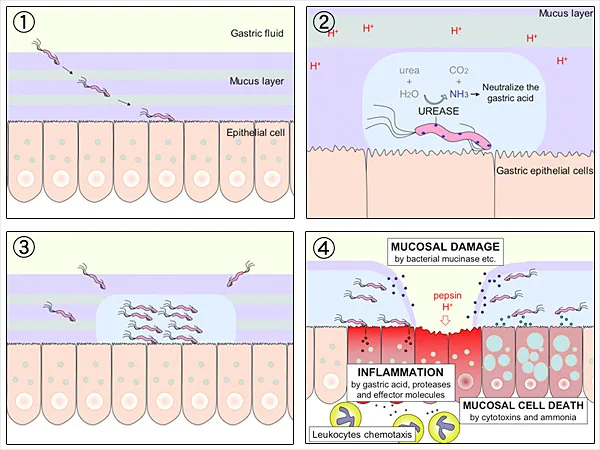
It's the question that keeps you up after a gut-wrenching diagnosis. Can H. pylori live on toothbrush bristles? The short answer is yes.
H. pylori cells have been found in dental plaque, saliva, and on toothbrush surfaces in clinical testing. That means the bacteria can leave your stomach, stay alive in your mouth, and transfer to your brush.
The bigger question is whether that actually matters for your health. We dug into the microbiology and the clinical research. As of 2026, studies still show that the stomach is the primary reservoir.
But oral biofilm complicates treatment. Here is the honest breakdown of what lives on your toothbrush and what you should actually do about it.
Quick Answer
Yes, H. pylori can live on a toothbrush. It survives in saliva and dental plaque. It transfers to bristles during brushing.
Moist bristles keep it alive for hours or days. Replace your brush after antibiotic treatment.
How H. pylori Ends Up on Toothbrush Bristles
H. pylori doesn't jump from the toilet to your brush. The route is more direct and starts in your own body.
The bacteria live in the mucus layer of your stomach lining. From there they travel upward. Acid reflux, vomiting, or normal gastric movement pushes them into your esophagus and throat.
Once they reach your mouth, they mix with saliva.
Multiple studies, including research in the Journal of Oral Microbiology, have detected H. pylori DNA in saliva samples from infected patients. From saliva the bacteria attach to surfaces in your mouth. Dental plaque acts as a perfect hiding spot.
It is a dense bacterial biofilm with low oxygen levels, exactly what H. pylori prefers.
When you brush your teeth, that plaque and saliva smear directly onto the bristles.
- The toothbrush touches plaque that carries living H. pylori cells.
- The bacteria embed themselves in the bristle base.
- Residual toothpaste foam and moisture keep the environment favorable.
- Your brush becomes a temporary reservoir.
H. pylori is not a tough environmental survivor like salmonella. It prefers warm conditions with low oxygen. Toothbrush bristles are not an ideal home.
But they are good enough for short-term survival, the window that matters between brushings.
Image source: Bing (Web (fair-use with source credit))
| Oral Site | Detection Rate in Infected Patients |
|---|---|
| Saliva | 30% to 75% depending on the study |
| Dental plaque | 50% to 80% in most research |
| Toothbrush bristles | Lower, but confirmed in clinical samples |
The takeaway is simple. Your mouth acts as an extra stomach for H. pylori. And your toothbrush catches the overflow.
The Real Concern: Oral Reservoirs and Reinfection Risk
This is where the conversation gets honest. Yes, H. pylori survives in your mouth and on your brush. The clinical significance is more complicated than "throw away your toothbrush."
The biggest fear is reinfection. You complete your antibiotic course and test negative. Then you wonder if your old toothbrush reinfected you.
The research paints a different picture.
What we call "reinfection" within the first year is often recrudescence. The original infection never fully cleared. The antibiotics suppressed the bacteria to undetectable levels.
A few cells survived in the deep gastric mucus or in dental plaque. They multiply, and the infection appears to come back.
Gastroenterologists look at the oral cavity as a possible reason some patients fail their first round of treatment. Your stomach gets hit with antibiotics. But bacteria in dental plaque are protected inside biofilm.
They swallow lower drug concentrations and potentially fuel the stomach infection again.
Oral reservoirs still matter. Research in the journal Helicobacter has shown that patients with H. pylori in their dental plaque have lower eradication success rates. The mouth can act as a sanctuary site during treatment.
| Risk Level | Profile |
|---|---|
| High | People on active H. pylori eradication therapy |
| High | Family members of an infected person in the same household |
| Moderate | People with poor oral hygiene and active gum disease |
| Low | Healthy people with no known infection |
If you fall into the high-risk groups, toothbrush hygiene is a smart, cheap protective measure. It won't cure you. But it supports your treatment.
Step-by-Step: Toothbrush Hygiene During H. pylori Treatment
Here is the practical system for handling your toothbrush during H. pylori treatment. This aligns with CDC and American Dental Association guidance for general toothbrush care.
Before starting antibiotics
Buy a fresh toothbrush. Use it right before your first dose or immediately after. Start treatment with a clean slate.
During treatment
Keep things simple.
- Brush twice daily as normal.
- Rinse your brush thoroughly with clean running water after each use.
- Shake off excess water so it dries faster.
- Store it upright in a holder, uncovered, with air circulation.
- Keep it a few inches away from other household toothbrushes.
Do not use toothbrush covers. They trap moisture and create the damp environment H. pylori likes. Do not soak your brush in mouthwash or boiling water.
You damage the bristles and don't guarantee disinfection.
After finishing antibiotics
Replace your toothbrush again. Also replace the brushes of everyone in your household if you share a bathroom. This reduces the chance of bacteria moving between brushes.
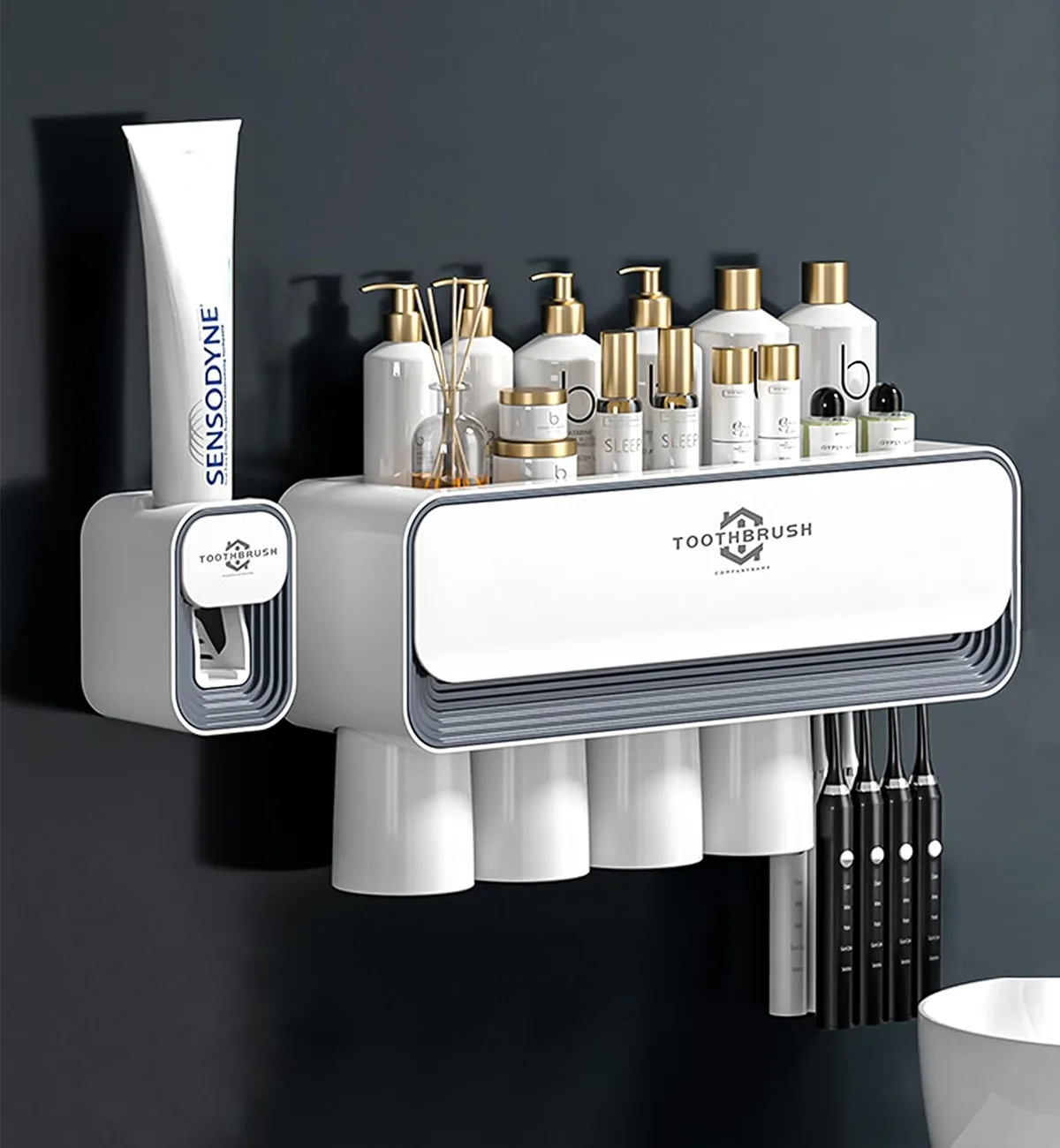
Image source: Bing (Web (fair-use with source credit))
Toothpaste tube hygiene
Your toothpaste tube can act as a transfer point. If your brush touches the tube opening, bacteria transfer to the tube. When sharing toothpaste, squeeze from the side and avoid touching the opening.
Use separate toothpaste tubes while someone is actively infected.
Dental checkup before treatment
Schedule a dental cleaning before starting antibiotics. Treat active gum disease and fill cavities. Reducing the bacterial load in your mouth before attacking the stomach infection improves eradication success.
Common Toothbrush Mistakes That Raise Your Risk
Here are the most common mistakes people make during H. pylori treatment.
Using the same brush too long
The ADA recommends replacing your toothbrush every 3 to 4 months. During treatment, replace brushes before starting and immediately after finishing. That is two replacements in as little as two weeks.
Storing brushes bristle-to-bristle
Two brushes sitting in the same cup transfer moist plaque, saliva, and bacteria between them. Give every brush breathing room. Use individual holders or space brushes several inches apart.
Keeping a cover on a wet brush
Covers create a sealed, humid chamber. Bacterial growth thrives there. Let brushes dry completely before covering them.
Sharing toothpaste tubes
The brush touches the tube opening. Saliva and plaque transfer to the tube. The next person squeezes out toothpaste.
Bacteria move without direct brush contact.
Relying on sanitizers
UV sanitizers can kill some bacteria on bristles. But H. pylori hides inside biofilm, which protects against many disinfectant methods. Replacement is more reliable than sanitizing.
Expert Tips for Reducing H. pylori Transmission at Home
Your own toothbrush is sorted. Now what about everyone else in the house? H. pylori spreads through close contact, so household hygiene matters during treatment.
Separate or replace brushes for the whole family
Everyone should have their own toothbrush, clearly marked and stored apart. If someone is actively infected, replace everyone's brushes at the start of treatment. The bacteria can survive on bristles long enough to transfer between brushes stored in the same cup.
Wash hands properly
H. pylori spreads through the fecal-oral route. Tiny amounts of contaminated stool can end up in someone's mouth through unwashed hands or shared surfaces. Wash hands with soap and water for 20 seconds after using the bathroom and before preparing food.
Watch your water source
In some regions, H. pylori is common because water supplies are contaminated. If you are on a private well or traveling somewhere with questionable tap water, brush your teeth with bottled or boiled water. The bacteria can survive in water long enough to cause infection.
Check environmental survival
On dry surfaces like countertops, H. pylori dies within a few hours. On moist surfaces, survival extends. In water, it can survive for days or weeks depending on temperature.
In biofilm on bristles, survival is longer. Keep your bathroom well-ventilated and wipe down surfaces regularly.
Frequently Asked Questions
Can H. pylori survive on a dry toothbrush?
H. pylori does not tolerate complete dryness well. Most cells die within a few hours on a fully dry surface. But toothbrush bristles in a bathroom stay slightly damp between uses.
That moisture extends survival time. The bigger risk is the wet brush used an hour ago, not one that has been drying for 12 hours.
Should I boil my toothbrush to kill H. pylori?
No. Boiling water softens and damages bristles. It does not guarantee complete sterilization because bacteria hide inside biofilm.
Simple replacement is the safe approach.
Can I get reinfected from my own toothbrush after treatment?
It is possible but unlikely to be the main cause. Most positive tests after treatment are the same infection coming back, not a new one from your brush. Still, replacing your brush after antibiotics is a sensible precaution.
Does my partner need to replace their toothbrush too?
If you share a bathroom where brushes are stored close together, yes. H. pylori can transfer from your brush to theirs through direct contact. Keep brushes separated and replace them at the same time.
How long after treatment should I replace my toothbrush?
Replace it on the day you finish your antibiotics. Do not wait for your follow-up test. The oral reservoir clears during treatment, but bacteria on the bristles are unprotected.
Can children catch H. pylori from a contaminated toothbrush?
Children are at higher risk for H. pylori infection overall. Teach them not to share toothbrushes. Store their brush away from adults' brushes.
If a parent is being treated, replace the child's brush at the same time.
Final Verdict: What the Evidence Really Says
Here is the honest bottom line. Yes, H. pylori can live on a toothbrush. It survives in saliva and plaque and transfers to bristles during brushing.
But the toothbrush is not the main driver of infection or reinfection.
The bigger factors are the oral reservoir in your own mouth, household transmission through close contact, and whether your antibiotic course fully cleared the bacteria from your stomach lining. A toothbrush is a small piece of a larger puzzle.
What you should actually worry about is this. Replace your brush at the start of treatment and again at the end. Keep your brush dry between uses.
Do not share brushes or toothpaste tubes. Get a dental checkup before starting antibiotics. And if your treatment fails the first time, ask your doctor about checking your mouth, not just your stomach.
The evidence supports being careful with toothbrush hygiene as part of a comprehensive approach. It does not support panicking about it. One brush, one new habit, one checkup at a time is how real progress with H. pylori happens.

Similar Posts