Wayne Dalton Garage Door Opener Troubleshooting
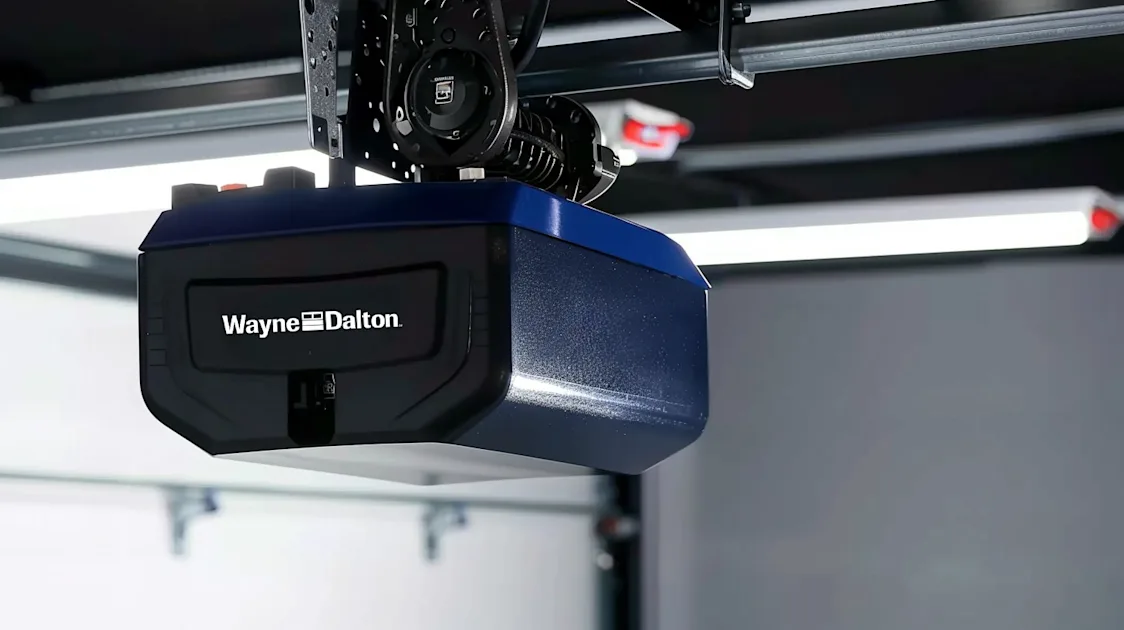
When your garage door won't cooperate, your day stalls before it even really gets going. If you're here for Wayne Dalton garage door opener troubleshooting, you're likely staring at a door that won't open, won't close, or won't listen to the remote. Take a breath.
Most problems are simpler than they look.
Wayne Dalton openers run on standard 120V household current and follow the UL 325 safetystandard for auto-reverse protection. As of 2026, most issues fall into five buckets: power, remotes, sensors, travel limits, or worn drive components. We'll match your exact symptom to the right fix, and show you where to stop and call a pro.
Image source: Bing (Web (fair-use with source credit))
What's Your Wayne Dalton Doing (or Not Doing)? Start Here
Quick Answer
Most Wayne Dalton opener problems trace back to power, sensors, limits, or remotes. Try a 30-second unplug reset first. Check the safety sensors and LED codes.
If the motor hums but the door won't move, inspect the gear before running it again.
Dead Opener: No Power, No Sound, No Lights
If the wall console is dark and the opener is silent, start at the outlet. Check the breaker, any GFCI receptacle in the garage circuit, and confirm the power cord is seated. A 30-second unplug reset fixes many logic board glitches without losing your remotes.
Motor Runs but Door Doesn't Move
If the motor spins or hums but the door stays put, don't force it. Pull the emergency release cord first, since a pulled release disconnects the trolley from the opener. If the trolley is properly connected, look for a stripped drive gear or a failed RPM sensor.
Both are common on older Wayne Dalton iDrive and ProDrive units.
Door Reverses, Stops Mid-Travel, or Won't Close
If the door opens normally but reverses partway down, the safety sensors are the usual suspect. They should point at each other with both LEDs lit steady. If the door reverses after touching the floor, the close travel limit is set too far and needs a small tweak.
Remote, Keypad, or Wall Console Won't Communicate
When the wall console works but remotes don't, the learn button or remote battery is the issue. If a remote only works within a few feet, replace its battery and check that the antenna isn't broken. A dead keypad usually means fresh batteries or loose wiring.
Quick Fixes to Try First: Resets, Batteries, and Sensor Alignment
Before you order a single part, run through these quick fixes. In our research, they resolve a surprising number of Wayne Dalton opener complaints in under ten minutes.
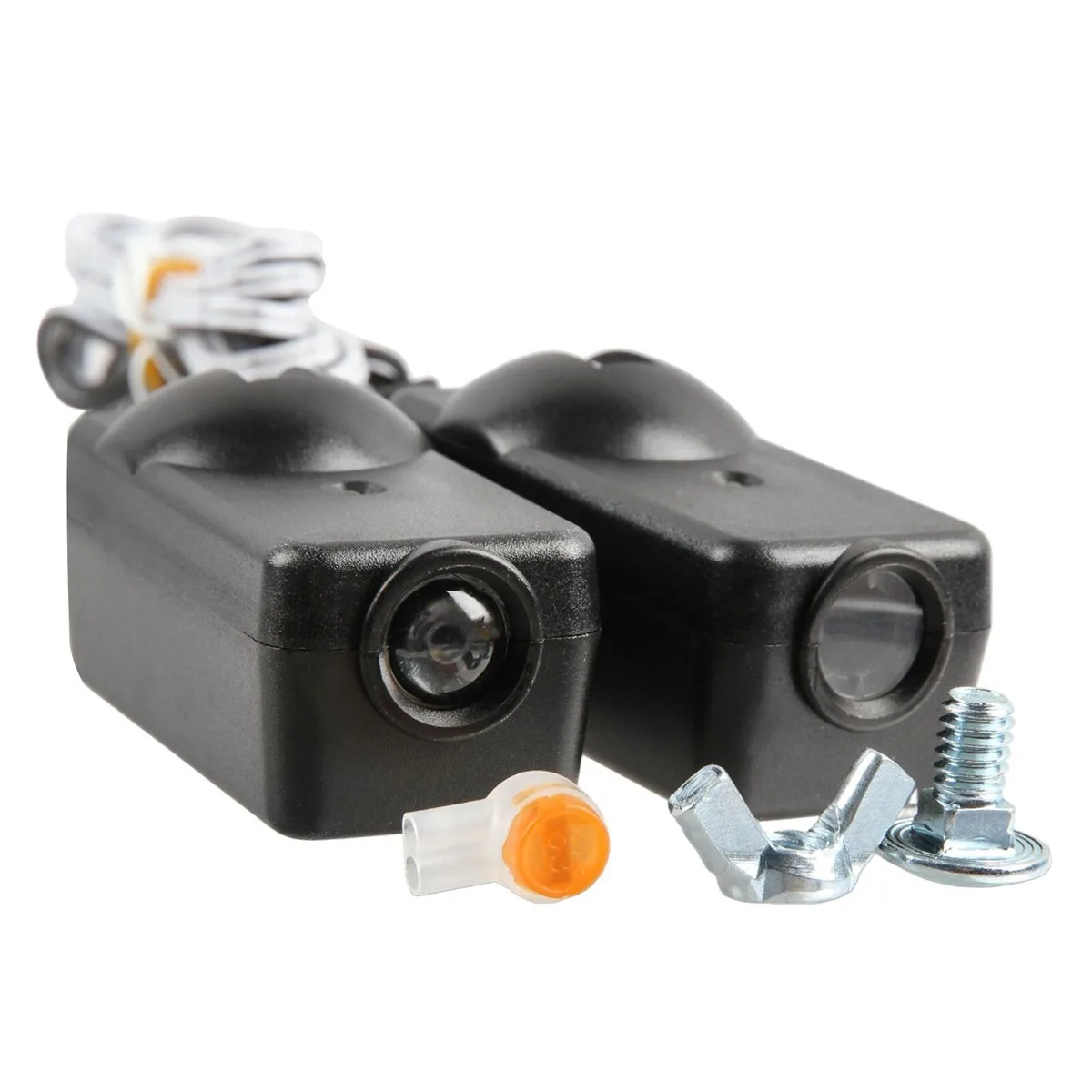
Image source: Bing (Web (fair-use with source credit))
The 30-second reset. Unplug the opener, wait a full 30 seconds, then plug it back in. This clears minor logic board glitches and takes less than a minute. You don't need to reprogram your remotes afterward.
Batteries first. Weak remote batteries cause poor range or total failure. Most Wayne Dalton remotes use a CR2032 coin cell, while keypads often take AA or another coin cell. Replace batteries before assuming the opener itself is broken.
Sensor alignment check. The safety reversing sensors, sometimes called photo eyes, mount on each side of the door near the floor. Both indicator LEDs should glow steady. If one is off or blinking, loosen the wing nut, adjust the angle, and retighten until both lights are solid.
| Symptom | First Thing to Try | Time Needed |
|---|---|---|
| Dead opener, no lights | Unplug for 30 seconds, then replug | 1 minute |
| One remote works, another doesn't | Replace remote battery and reprogram | 5 minutes |
| Door reverses before closing | Align the safety reversing sensors | 10 minutes |
| Keypad light is weak | Replace keypad battery | 5 minutes |
If these fixes don't clear it up, move on to travel limits and force settings.
How to Adjust Travel Limits and Force Settings
Travel limits tell the opener exactly where to stop on the way up and down. Force controls set how hard the motor pushes to get there. When they're off, the door behaves unpredictably.
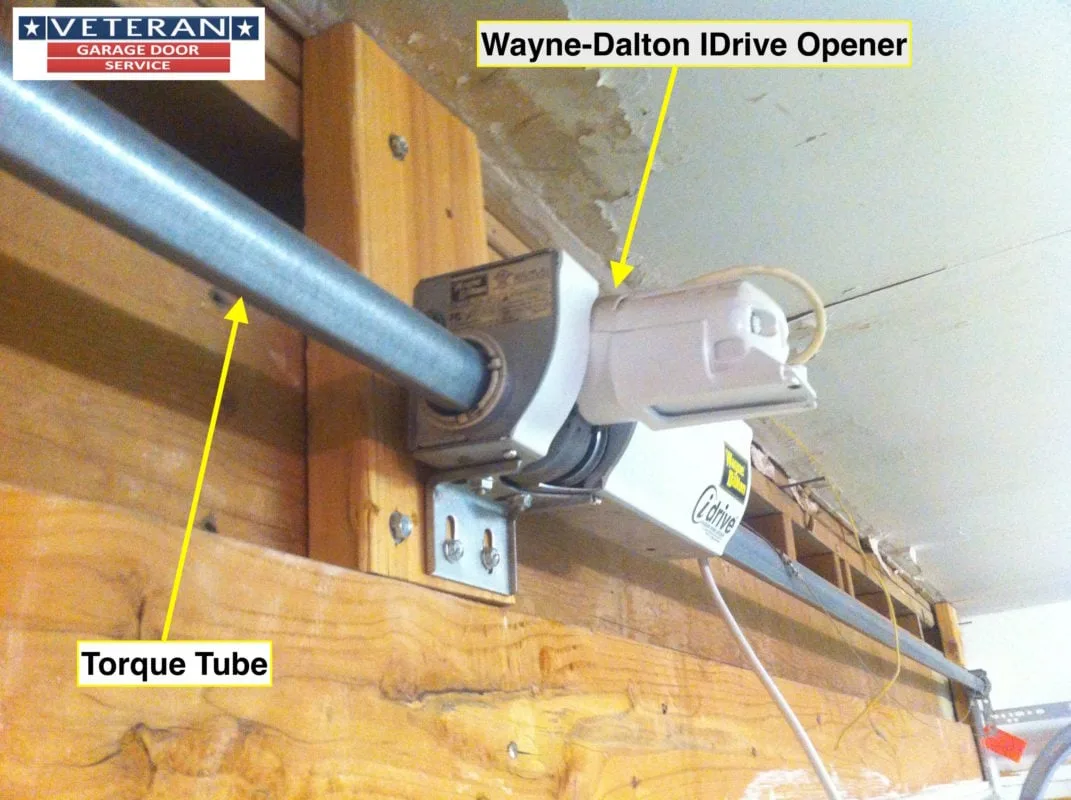
Image source: Bing (Web (fair-use with source credit))
On most Wayne Dalton models, the adjustments are small dials on the side or back of the motor unit, labeled "Open" and "Close." Some newer units use buttons instead of dials, but the logic is the same.
Here's the safe way to adjust them:
- Use a flathead screwdriver and turn in small increments. An eighth of a turn is plenty at first.
- Make one adjustment, then run a full cycle. Don't try to fix everything at once.
- If the door stops an inch shy of the floor, turn the close dial clockwise slightly.
- If the door slams down or reverses after hitting the floor, turn it back counterclockwise.
- Test the auto-reverse with a small block of wood or roll of paper towels. Place it on the floor, close the door, and confirm it reverses on contact. This is required under UL 325.
The U.S. Consumer Product Safety Commission keeps updated guidance on garage door auto-reverse testing if you want to verify your procedure. Never crank the force controls to maximum just to muscle the door closed.
That defeats the safety system and can cause serious injury.
Common Mistakes That Make Things Worse
Some fixes cause more damage than the original problem. Here's what to avoid.
Bypassing the safety sensors. Some homeowners disable the sensors when they're misaligned. That's dangerous and violates UL 325. Fix the alignment instead.
Raising the force setting too high. If the door needs extra force, something else is wrong. The springs or rollers may be binding. High force settings crush objects and make the auto-reverse nearly useless.
Pulling the emergency release with the door open. If you disconnect the trolley while the door is open, the door can slam down under its own weight. Lower the door fully before pulling the release.
Using the wrong lubricant. WD-40 is a solvent, not a true lubricant. It washes away existing grease and attracts dust. Use a silicone spray or light oil on the drive rail and rollers only.
Skipping basic checks. Loose wiring, dirty sensor lenses, and dead batteries cause intermittent failures. Check those before replacing any expensive parts.
Touching the torsion springs. Never adjust, oil, or replace garage door torsion springs yourself. They're under extreme tension and cause severe injuries. Leave those to a professional.
When to Call a Pro vs. When to Replace the Opener
Not every problem is a DIY fix. Sometimes the smartest move is a service call, and sometimes it's a new opener entirely.
Weigh the cost and the opener's age. A basic service visit typically runs $100 to $200. A new Wayne Dalton or comparable opener installed costs roughly $350 to $650, depending on horsepower and drive type.
| Situation | Recommendation | Why |
|---|---|---|
| Opener under 8 years old, sensor or remote issue | Repair it | Replacement parts are affordable and widely available |
| Motor hums and gear is stripped | Replace if 10+ years old | Gear kits exist, but older motors may fail soon afterward |
| Door reverses after touching the floor | Call a professional | This may mean deeper limit or logic board issues |
| Broken torsion spring or cable | Call a pro immediately | High risk of serious injury |
| Repeatedly blowing the same replacement part | Replace the opener | Recurring failures point to a failing logic board |
If the motor runs but the door only moves a few inches, or the wall console shows a blink code you can't decode, call a licensed garage door technician. They can test the RPM sensor, capacitor, and control board safely. A correct diagnosis beats throwing new parts at an old problem.
Frequently Asked Questions
Why is my Wayne Dalton garage door opener blinking and not working?
The blink pattern is a diagnostic code. Count the flashes between pauses. Two flashes often mean the safety sensors are misaligned or obstructed.
Four or five flashes point to a travel limit or force adjustment issue. Check the owner's manual for your exact model.
How do I reset my Wayne Dalton garage door opener?
Unplug the unit for a full 30 seconds, then plug it back in. This clears minor logic board errors without erasing your remote settings. For a full factory reset, press and hold the learn button for 10 seconds until the LED turns off.
Why does my Wayne Dalton garage door opener run but the door doesn't move?
That usually means the drive gear or worm gear is stripped. Pull the emergency release and run the opener. If the trolley doesn't move while the motor spins, open the cover and inspect the gear.
A replacement gear kit costs $20 to $40.
How do I reprogram a Wayne Dalton remote or keypad?
Press the learn button on the opener until the LED lights up. Press the remote button once and hold for a few seconds. The light should flash or click.
For keypads, enter your PIN and press the learn button within 30 seconds.
Why do my safety sensor lights blink after I adjust them?
One sensor is probably still slightly out of alignment. Both LEDs must be lit steady, not blinking. Check for loose mounting brackets, dirt on the lenses, or direct sunlight hitting one sensor.
Clean the lenses with a soft cloth and readjust.

Similar Posts