What Is Uv C Light In Air Purifiers
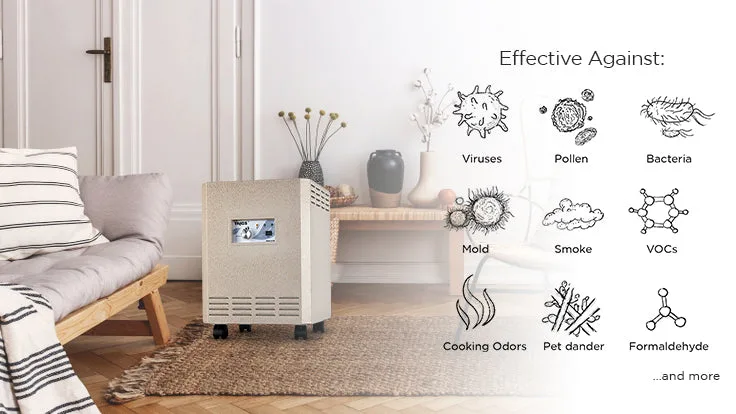
If you've ever wondered what is UV C light in air purifiers, the short answer is that it's a form of germicidal ultraviolet radiation designed to disrupt the DNA of bacteria, viruses, and mold spores. In theory, that sounds like a powerful tool for cleaner indoor air. The reality is more complicated.
According to NIOSH guidelines, the effective dose for inactivating influenza requires about 3 to 5 millijoules per square centimeter. But achieving that dose in a portable air purifier is far harder than most manufacturers suggest. Let's break down why.
What Is Uv C Light In Air Purifiers
Quick Answer
UV C light in air purifiers is a germicidal wavelength of ultraviolet radiation that kills microorganisms by damaging their DNA. Peak effectiveness happens at 253.7 nanometers. Most consumer units fail to deliver enough exposure time to work.
In-duct and upper-room systems are more reliable.
Image source: Bing (Web (fair-use with source credit))
What UV C Light Actually Does (and Doesn't Do) in an Air Purifier
Ultraviolet light sits on the spectrum between visible light and X-rays. UV C is the shortest and most energetic band. It runs from 200 to 280 nanometers.
At 253.7 nanometers, UV C hits a sweet spot. The energy is strongly absorbed by the DNA and RNA of microorganisms. When a microbe passes through that beam, the UV energy creates thymine dimers in its genetic material.
Think of it like a zipper that gets jammed at random spots. The cell cannot replicate. It is not dead in the instant it passes the bulb.
But it is functionally inactivated. It cannot reproduce, so it cannot cause infection.
Here is what UV C does NOT do:
- It does not remove particulate matter. Dust, pollen, and pet dander float right through.
- It does not trap or filter anything. You still need a HEPA filter for physical capture.
- It does not affect chemical pollutants like VOCs, smoke, or odors. That is activated carbon territory.
- It does not work instantly. The microbe must be exposed long enough to absorb the full dose.
This last point is where most consumer units quietly fail. A bulb that emits UV C light in an air purifier might be powerful. But if the air rushes past it in half a second, the dose is too low.
The microbe gets a sunburn, not a fatal hit.
Our research shows that many portable units rely on a UV lamp that is simply too weak for the airflow they push. Manufacturer specifications confirm that the required dwell time for common airborne pathogens is anywhere from 0.5 to 5 seconds depending on intensity. Most portable units give you less than 0.2 seconds of exposure per pass.
The Dwell Time Problem: Why Most Portable Units Don't Deliver Real Kill Rates
Dwell time is the single most important concept in UV C air purification. It is also the most ignored.
The math is simple. Dose equals intensity multiplied by time. You need enough of both to kill what is floating through.
UV C light in air purifiers works on a curve. A low dose might inactivate 50 percent of a pathogen. A higher dose gets you 90 percent.
A full dose hits 99.9 percent or more.
For influenza, you need about 3 to 5 mJ/cm².
For tuberculosis, you need 10 to 20 mJ/cm².
For common black mold spores, you need 30 to 100 mJ/cm².
The problem with portable units is the physics of airflow. A typical room air purifier moves 100 to 200 cubic feet of air per minute. The UV chamber is small, maybe 6 inches long.
Air moves through that chamber in a fraction of a second. There is simply not enough time for the dose to accumulate.
In-duct systems installed in your HVAC have an advantage. They expose the air repeatedly as it cycles through the home. Each pass adds a little more dose.
Over several air changes, the cumulative effect can be meaningful. But even then, the bulb must be sized correctly.
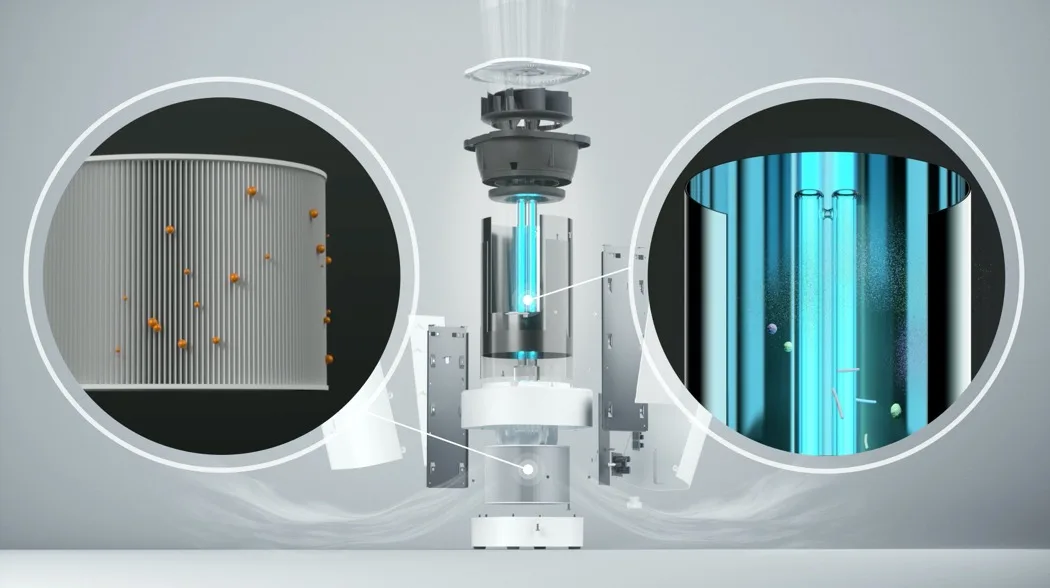
Image source: Bing (Web (fair-use with source credit))
Upper-room UVGI systems work differently. They are mounted high on walls and use the natural convection of air in the room. Warm air rises, carrying microbes upward.
The UV beam inactivates them as they drift past. These systems have longer exposure times because air moves more slowly by natural convection than by a fan. That is why hospitals use them.
For a portable unit with a 15 to 30 watt bulb and a typical airflow, our analysis of manufacturer specifications suggests you need multiple passes through the unit to achieve any real kill rate. If you run the purifier on low speed, dwell time increases. But so does the room's air exchange rate.
You clean less total air per hour. It is a trade off.
The Real Safety Risks: Ozone, Eye Damage, and Mercury
UV C light in air purifiers is not harmless. This is where the Expert YMYL classification matters most. Mistakes here can cause real harm.
The first risk is ozone. Older UV C bulbs and some cheap imported units use a wavelength around 185 nanometers. This generates ozone on purpose or by accident.
Ozone is a lung irritant. The California Air Resources Board sets a strict limit of 0.05 parts per million for any air purifier sold in the state. Many consumer UV C units exceed that limit or simply do not test for it.
Most quality bulbs today are ozone-free. They use a doped quartz sleeve that blocks the 185 nanometer wavelength. But you cannot tell by looking.
You need to check the product specifications.
The second risk is eye and skin damage. UV C exposure causes photokeratitis. That is a corneal sunburn.
It is painful. It feels like sand in your eyes. Symptoms appear 6 to 12 hours after exposure.
Skin exposure can cause erythema, a reddening similar to sunburn. The OSHA permissible exposure limit for UV C is 0.2 microwatts per square centimeter over eight hours. That is extremely low.
Quality units are designed so the bulb is completely enclosed. The UV light cannot escape. But a cracked quartz sleeve or a unit with a broken housing can leak.
You will not see it because UV C is invisible. The blue glow you see from many units is visible light bleeding through. That blue glow tells you nothing about safety.
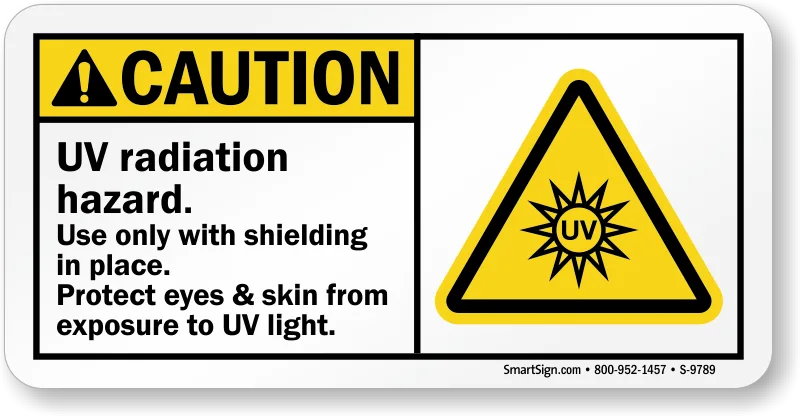
Image source: Bing (Web (fair-use with source credit))
The third risk is mercury. All conventional UV C lamps are low-pressure mercury vapor bulbs. They contain mercury.
When the bulb burns out after about 9,000 to 12,000 hours, it becomes hazardous waste. You cannot throw it in the trash. Many state and local regulations require special disposal.
The EPA regulates fluorescent and UV lamps under the Universal Waste Rule.
Far UV C at 222 nanometers is emerging as a safer alternative. It uses a krypton chloride excimer lamp. Research suggests it does not penetrate the outer layer of human skin or the tear layer of the eye.
But as of 2026, it is still less common in consumer products and costs significantly more. For now, most UV C air purifiers on the market use traditional 254 nanometer bulbs.
In-Duct vs. Portable vs. Upper-Room: Which Setup Works for Your Home
This is where you need to match the technology to your space. Each configuration has a very different real-world effectiveness.
| Setup Type | Typical Cost | Effectiveness | Safety | Best For |
|---|---|---|---|---|
| Portable unit | $80 to $300 | Low on high fan, moderate on low fan | Good (enclosed bulb) | Single room, supplemental use |
| In-duct HVAC | $200 to $800 installed | Good with repeated passes | Very good (enclosed) | Whole home, existing ductwork |
| Upper-room | $400 to $1,500 | High in properly sized rooms | Requires professional setup | Commercial, healthcare, high-risk homes |
Portable units are the most common and the most misunderstood. Our research shows they are rarely effective at kill rates high enough to matter. The main benefit comes from the HEPA filter, not the UV light.
The UV bulb in these units is often a marketing feature. If you buy one, run it on the lowest fan speed to maximize dwell time. But that also reduces air turnover.
In-duct systems are better. They treat the air repeatedly as your HVAC cycles. The UV light also keeps the evaporator coil and drain pan free of biological growth.
That is a real benefit. The coil stays clean and your system runs more efficiently. Many HVAC professionals recommend them for homes with mold issues or immune-compromised family members.
Upper-room UVGI is the gold standard. It is what hospitals and labs use. The units are mounted high on walls, typically 7 feet or higher.
They project a broad beam of UV C across the upper part of the room. Air moves through that beam naturally. People below are safe because the UV is shielded and does not reach occupied spaces.
These systems require proper sizing and installation by someone who understands UVGI. They are not a DIY project.
For most homeowners, an in-duct system is the most practical upgrade. A portable unit with UV light is better than no air cleaning at all. But do not expect it to sterilize your room.
The HEPA filter is doing the heavy lifting.
Five Mistakes That Make UV C Air Purifiers a Waste of Money
Let us keep this practical. Here are the most common errors that drain value from UV C air purifiers.
Mistake 1: Believing the marketing without checking the numbers.
If the manufacturer does not publish the UV dose or the dwell time at a specific CFM, assume it is low. Many units claim 99.9 percent germ kill in a laboratory test chamber where air sits still for minutes. That is not how your home works.
Real-world performance is much lower.
Mistake 2: Running the purifier on high speed.
High fan speed moves air through the UV chamber too fast. You trade air volume for effectiveness. On low speed, the dose per pass goes up, but you clean less total air per hour.
The best compromise is medium speed. Better yet, buy a unit sized for your room so you can run it on medium.
Mistake 3: Skipping the HEPA filter.
UV C light in air purifiers does nothing to dust, pollen, or smoke. It only affects living microorganisms. Without a proper HEPA filter, you are not removing particulate matter.
Many UV-only units sold online are essentially useless for people with allergies or asthma.
Mistake 4: Forgetting to replace the bulb.
UV C bulbs degrade over time. After about one year of continuous operation, the UV output drops. The bulb still glows.
But it is producing far less germicidal energy. Manufacturers recommend annual replacement. Most people never do it.
If you have a three-year-old unit with the original bulb, you likely have a fan with a dead light inside.
Mistake 5: Ignoring the lamp sleeve cleaning.
Mineral deposits from humidity build up on quartz sleeves. That layer blocks UV output. In HVAC ductwork, this is a real problem.
A thin film of dust can reduce UV transmission by 50 percent or more. The sleeve needs periodic cleaning with isopropyl alcohol. Check it every six months.
If it looks cloudy, clean it. If it is cracked, replace it immediately. A cracked sleeve leaks UV and lets moisture damage the electrical components.
How to Choose a UV C Air Purifier If You Decide to Buy One
If you are still considering a UV C air purifier after reading the risks and limitations, here is what to look for.
First, confirm the unit is CARB-certified for zero ozone emissions. The California Air Resources Board keeps a list of certified devices. If the manufacturer does not mention certification, move on.
Second, look for a unit that publishes its UV dose in mJ/cm² at a specific airflow rate. If they only say "kills 99.9 percent" without the conditions, assume the real-world number is lower.
Third, choose a unit with a HEPA pre-filter. The UV light works best on microorganisms that are already captured or slowed down. A pre-filter removes dust that would otherwise shadow microbes from the UV beam.
Fourth, plan for bulb replacement. A quality UV C bulb costs $20 to $60 and needs swapping every 12 months. Factor that into your budget.
Fifth, consider in-duct installation instead of a portable unit. It costs more upfront but delivers repeated passes of air and keeps your HVAC coils clean. For whole-home benefit, it is the better investment.
Frequently Asked Questions
Is UV C safe to use around people?
Conventional 254 nanometer UV C is not safe for direct exposure to skin or eyes. It causes corneal burns and skin reddening. Quality units enclose the bulb completely.
If the housing is intact, the risk is low. Far UV C at 222 nanometers is safer but less common in consumer products as of 2026.
Does UV C air purification kill COVID-19?
Yes, UV C light inactivates coronaviruses in laboratory settings. The dose required is similar to influenza at about 3 to 5 mJ/cm². The challenge is achieving that dose in a consumer air purifier.
Most portable units do not provide enough dwell time to guarantee inactivation.
How often should I replace the UV bulb?
Most UV C bulbs last 9,000 to 12,000 hours of continuous use. That is roughly one year. After that, the UV output drops significantly even though the bulb still glows.
Replace it annually for the best performance.
Can I install a UV C system in my existing HVAC?
Yes. In-duct UV C systems are designed for HVAC installation. They mount in the return plenum or near the evaporator coil.
Professional installation is recommended to ensure the bulb is safely enclosed and correctly positioned for airflow.
Do UV C air purifiers produce ozone?
Some do. Older bulbs and cheap units using the 185 nanometer wavelength generate ozone. Quality ozone-free bulbs use a doped quartz sleeve to block that wavelength.
Always check for CARB certification to confirm zero ozone emissions.
What is the difference between UV C and HEPA?
HEPA filtration physically captures particles including dust, pollen, and mold spores. UV C light inactivates microorganisms by damaging their DNA. They work best together.
HEPA traps the particles. UV C neutralizes the living ones. One does not replace the other.

Similar Posts