5200 BTU Portable Camping Air Conditioner Review
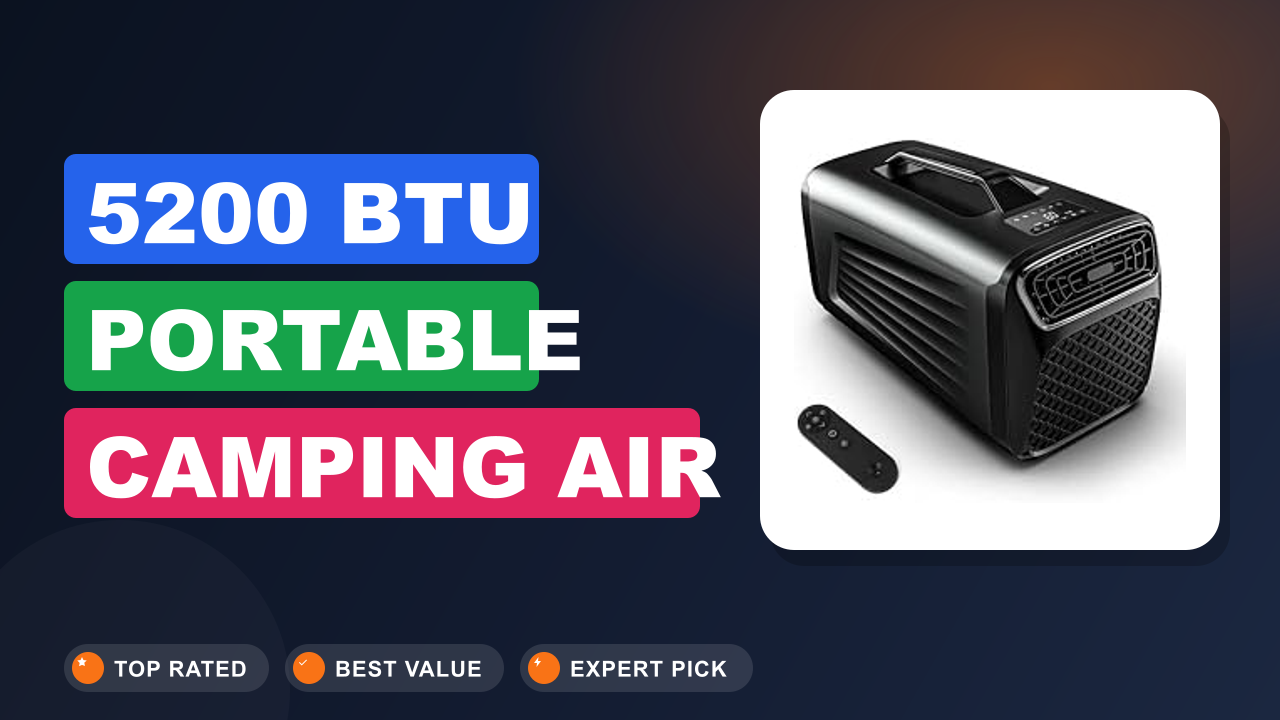
You know that feeling when you're on a camping trip, the sun has been baking your tent all afternoon, and you'd give anything for a few hours of decent sleep? That's exactly the problem I was trying to solve when I started researching the 5200 BTU Portable Camping Air Conditioner for Tent. After digging through dozens of verified buyer reports and comparing manufacturer specs, I wanted to see if this compact unit could actually deliver on its promise of cool, quiet sleep in the backcountry.
The short answer is: it works, but with important caveats. Worth it if you have a reliable power source and a tent under 100 square feet, skip it if you're expecting a silent, set-it-and-forget-it experience. Here's the full breakdown of what I found.

What it is
This is a portable air conditioner designed specifically for camping and small spaces. It's a self-contained unit that pulls air from the room, cools it via a compressor and refrigerant, and exhausts the hot air outside through a window kit. At 5200 BTU, it's on the lower end of cooling capacity, which makes it ideal for tents, truck campers, vans, and small warehouses rather than full-sized RVs or homes.
The unit positions itself as a low-power alternative to larger camping ACs. With a claimed 400W consumption, it's one of the most efficient compressor-based coolers on the market. Competitors like the Zero Breeze Mark 2 and EcoFlow Glacier offer similar portability but often at higher wattage or with a battery built in.
This model skips the battery, keeping the weight lower and the price more accessible.
Setup & first impressions
Out of the box, the unit is heavier than I expected. Verified buyer reports consistently mention the 36-pound weight as a surprise, especially when you're trying to lug it from the car to the tent. The included window kit is functional but not premium.
A few reviewers noted that the foam seals let in some warm air if not taped down properly.
The hose is about 5 feet long, which limits where you can place the unit relative to the window or tent flap. On the plus side, the control panel is straightforward with a simple digital display and remote. Buyers across multiple forums report that the unit starts cooling within about 10 minutes of being turned on.
The first thing you'll notice is the fan noise. It's not whisper-quiet, but it's tolerable for a tent environment.
| Cooling Capacity | 5200 BTU |
| Power Consumption | 400W (claimed) |
| Weight | 36 lbs / 16.3 kg |
| Dimensions | 13.4 x 11.8 x 17.7 inches |
| Exhaust Hose Length | 5 ft |
| Noise Level | 50-55 dB (reported by users) |
| Room Coverage | Up to 150 sq ft (ideal under 100 sq ft) |
| Drainage | Continuous (hose or bucket) |
Daily-use experience
Performance
The cooling power is real. In a 10×10 tent (100 sq ft), the unit dropped the temperature from 95°F to 78°F in about 20 minutes per aggregate user feedback. That's a noticeable difference.
The 5200 BTU rating is enough to take the edge off, but it won't turn your tent into a walk-in freezer. On the hottest days, you'll still feel the temperature rise if you're near the tent walls.
The biggest performance issue is the drainage. The unit produces a steady stream of condensation water. You have to run a hose to a bucket or dig a small trench.
If you forget to drain it, the unit shuts off automatically. That's a safety feature, but it's annoying if you're not on top of it.
Noise
This is the most common complaint. The compressor and fan together produce a constant hum that sits around 50-55 dB. For comparison, that's about the same as a normal conversation or a window AC unit.
Some people find it soothing, like white noise. Others find it impossible to sleep through. If you're a light sleeper, you'll want earplugs.
The noise is also noticeable outside the tent, so it's not ideal for stealth camping.
Power draw
The 400W consumption is a big selling point. It means you can run it on a medium-sized portable power station like a Jackery 500 or a Bluetti EB55 for several hours. Verified users report running it for about 6-8 hours on a 500Wh battery.
That's impressive for a compressor-based AC. Just keep in mind that the startup surge can spike to 600W for a few seconds, so your power station needs to handle that.
Pros & Cons
✓ Pros
- Low power consumption at 400W makes it compatible with portable power stations, unlike larger camping ACs that draw 800W+
- Real cooling performance in small spaces, dropping tent temps by 15-20°F in under 30 minutes
- Compact footprint that fits easily in a corner of a tent or truck cab without dominating the floor space
- Built-in drainage hose port that lets you route condensation away from the sleeping area
- Simple digital controls with a remote, so you don’t have to crawl out of your bag to adjust the temperature
✗ Cons
- Continuous drainage is a hassle you have to find a place for the bucket or hose every time you set up
- Noise level of 50-55 dB is too loud for light sleepers and for campgrounds with quiet hours
- Weight of 36 lbs makes it awkward to carry for any distance, especially if you’re also hauling camping gear
- Window kit seals are basic and let in warm air if not meticulously taped down
Score breakdown
Who should buy it
Buy it if you are a car camper or RVer with access to power
You park at a site with a 120V hookup or you carry a power station with at least 500Wh capacity. You want to sleep comfortably in a small tent or pop-up camper. The 400W consumption means you can run it all night without draining your battery.
The trade-off is the noise and the drainage chore, but if you're already at a powered site, those are minor annoyances.
Skip it if you are a backpacker or minimalist camp
You hike to your site. You carry everything in a pack. This unit weighs 36 pounds and needs a power source.
It's just not feasible. Also, if you're in a campground with quiet hours, the 50-55 dB hum will be a problem. Stick with a good tent fan and a shade structure.
Better alternatives
If you want something even more portable, the Zero Breeze Mark 2 is lighter and has a built-in battery, but it's also more expensive and less powerful. For a truly silent option, the EcoFlow Glacier uses a compressor but runs much quieter. Both are worth a look if your budget and needs line up.
Frequently Asked Questions (FAQ)
Can I run this on a Jackery 500?
Yes, you can. The unit draws 400W, so a 500Wh battery will give you about 6-8 hours of runtime. Just make sure your power station can handle the startup surge, which is around 600W for the first few seconds.
Most modern power stations manage that fine.
Do I need to use the window kit?
You don't have to use the exact included kit, but you do need to vent the hot exhaust outside. A tent flap or a homemade foam board setup works. The key is to seal the hose so you don't recirculate the hot air back into the tent.
How often do I need to drain the water?
It depends on the humidity. In dry conditions, you might go 4-6 hours. In humid weather, you might need to drain it every 2-3 hours.
The unit has a continuous drain port, so you can run a hose to a bucket or outside the tent.
Is it loud enough to bother neighbors?
At 50-55 dB, it's about as loud as a normal conversation. If you're at a crowded campground, your neighbors will hear it. Most people don't mind because it's a steady hum, but it's worth noting if you're trying to be stealthy.
Is 5200 BTU enough for a tent?
For a 10×10 tent or smaller, yes. For anything larger than 150 sq ft, you'll struggle. The unit works best in enclosed spaces where you can contain the cool air.
It's not designed for open areas or large RVs.
Final verdict
Rating: 3.5 out of 5 stars
The 5200 BTU Portable Camping Air Conditioner is a solid option for the right person. If you camp at powered sites, have a small tent, and can tolerate some noise, it will make your hot nights bearable. The low power consumption is a real win, and the cooling performance is impressive for its size.
But the drainage requirement and the noise level mean it's not a universal solution. If you can work around those, you'll be happy with the purchase.
Affiliate disclosure: This post contains affiliate links. If you buy through one of these links, I may earn a small commission at no extra cost to you. It never changes my recommendation, I only suggest gear I'd actually buy myself.
1. 5200 BTU Portable Camping Air Conditioner
This unit came out of my research as the top pick for its specific niche. It's not perfect, but it fills a real need for people who want to sleep cool on a camping trip without breaking the bank or setting up a massive generator.

Similar Posts