Best Time Of Year To Schedule Ac Maintenance In North Carolina
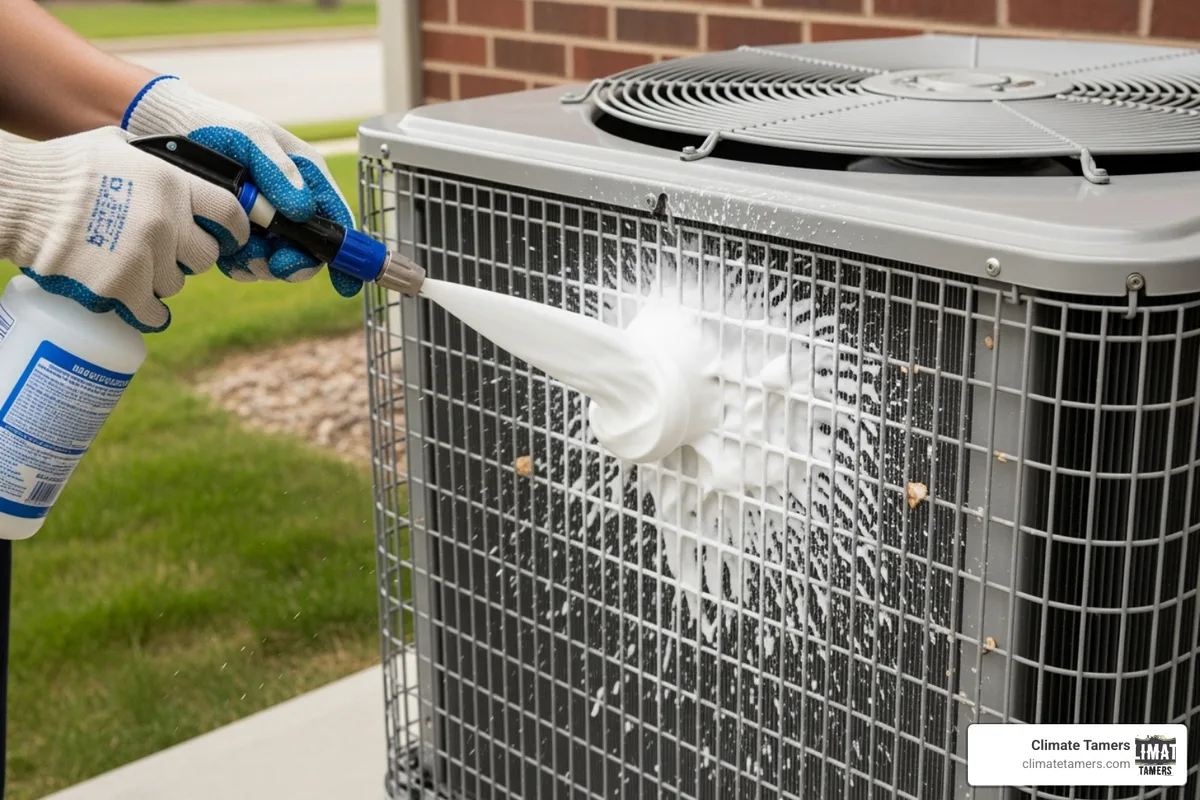
Image source: Bing (Web (fair-use with source credit))
Quick Answer
The best time to schedule AC maintenance in North Carolina is March. Book your appointment 3 to 4 weeks ahead. Spring tune-ups prevent summer breakdowns.
They keep your warranty valid. Do not wait until May or June.
Why This Timing Decision Matters More Than You Think
Your air conditioner runs hard from June through September in North Carolina. July highs hit 88 to 92°F in the Piedmont. Coastal humidity often sits above 70 percent.
A neglected system struggles under that load. It can freeze its evaporator coil. It can short-cycle and waste electricity.
Or it can quit on the hottest afternoon of the year.
Scheduling AC maintenance at the right time protects a $4,000 to $8,000 investment. Most manufacturers require annual professional service to keep the warranty valid. Miss that window and a failed compressor becomes your full bill.
In our research, the difference between a spring tune-up and an emergency July repair often exceeds $300. North Carolina’s weather creates a narrow sweet spot. Fall is too late.
Winter is busy with heating calls. Summer is emergency season. Spring, specifically March, balances availability and readiness.
The Short Answer: March Is Your Sweet Spot
February is still too cold for a thorough cooling test. Technicians cannot run the system long enough to check refrigerant pressures. March offers daytime highs in the 60s and low 70s.
Contractors are between the winter heating rush and the summer cooling rush. April brings peak pollen and wait times stretch to two weeks. By May, you compete with every other homeowner and prices may edge up.
June is emergency season.
Booking in March gives you a cushion. If the technician finds a problem, you have a month to order parts and schedule a follow-up before the real heat hits. A bad capacitor, a small refrigerant leak, a failing contactor, all can be fixed calmly instead of during a panic call.
Why North Carolina's Climate Changes the Timeline
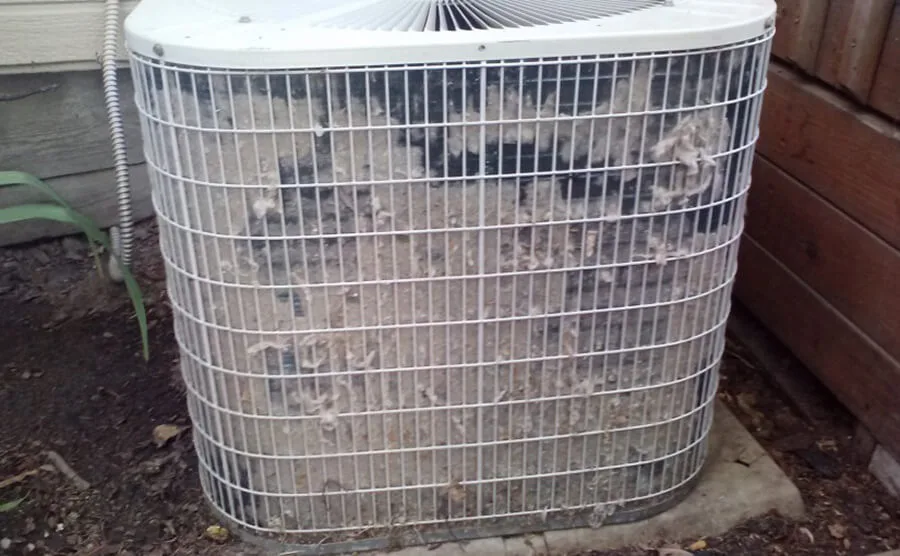
Image source: Bing (Web (fair-use with source credit))
You cannot apply a generic spring-or-fall rule to North Carolina. The state spans three distinct climate zones. Each one shifts the maintenance calendar.
Mountains (Asheville, Boone, western NC), Cooler summers with later heat onset. Push your tune-up to late March or early April. The cooling season runs roughly June through August.
Piedmont (Raleigh, Charlotte, Greensboro), Classic hot, humid summers. April is the last safe month. By May you are competing with every other homeowner.
Coastal Plain (Wilmington, Outer Banks, Fayetteville), High humidity and salt air cause early corrosion. March is non-negotiable. Salt-air damage to condenser coils is cumulative and expensive.
Pollen is another factor unique to North Carolina. From late March through April, pine pollen coats everything. That yellow dust clogs condenser fins.
A dirty coil reduces efficiency by 20 to 30 percent. March scheduling means you get the clean coil before pollen season.
What Actually Happens During a Professional AC Tune-Up
A proper maintenance visit is not a glance at the filter. Here is the checklist a licensed NC technician follows, based on standards from the Air Conditioning Contractors of America.
| Step | What the technician does | Why it matters |
|---|---|---|
| 1. Visual inspection | Checks outdoor unit for debris, vegetation, and clearance | Restricted airflow forces the compressor to overwork |
| 2. Electrical check | Tests capacitor, contactor, and all wiring connections | A weak capacitor is the top cause of no-cool calls |
| 3. Refrigerant measurement | Reads pressures and superheat/subcool | Low refrigerant damages the compressor over time |
| 4. Coil cleaning | Applies coil cleaner and gently rinses the outdoor coil | Dirty coils raise head pressure and energy use |
| 5. Drain line check | Clears the condensate drain with compressed air or a shop vac | Clogged drains cause water damage and mold |
| 6. Air filter check | Replaces or recommends replacement | A dirty filter freezes the evaporator coil |
| 7. Thermostat test | Verifies calibration and cycling | Off-calibration thermostats waste energy |
| 8. Full cycle run | Runs the system through a complete cooling cycle | Confirms everything works under load |
The visit takes 45 to 90 minutes. A reputable contractor gives you a printed report. If they try to sell a chemical flush without measuring anything first, get a second opinion.
The Real Cost of Getting It Wrong (Timing vs. Money)
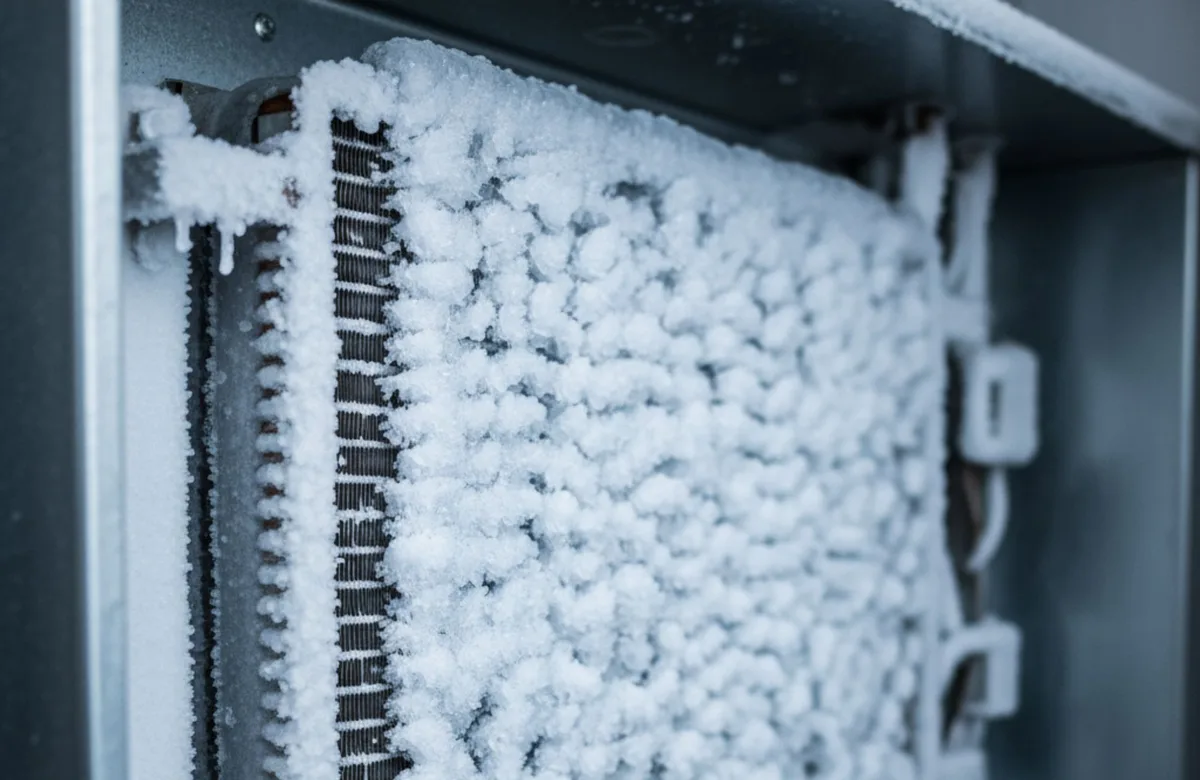
Image source: Bing (Web (fair-use with source credit))
Skipping maintenance or scheduling too late hits your wallet. Here are the actual numbers.
- Planned spring tune-up, $80 to $150. Covers the full checklist above.
- Emergency repair in July, $200 to $400 just for the after-hours dispatch fee, plus parts.
- Failed compressor replacement, $1,200 to $2,500, often needed if low refrigerant ran the system dry.
- Full system replacement, $4,000 to $8,000. Average life without maintenance: 7 years. With maintenance: 12 to 15 years.
One real example: a Charlotte homeowner scheduled a tune-up in late May. The technician found a capacitor 15 percent out of spec. Replacing it cost $85.
A month later, during a June heat wave, the capacitor failed completely. The same repair on a Saturday cost $385 with the weekend premium. That is a $300 difference driven entirely by timing.
Another risk: North Carolina’s humidity. A neglected drain line clogs over winter. When you fire up the AC in May, water backs up and floods the air handler and ceiling below.
Mold remediation runs $500 to $2,000. A spring tune-up catches that clog before it becomes a flood.
Pay $100 in March. Skip paying $400 in July. Your warranty stays intact.
The U.S. Department of Energy’s maintenance guidelines confirm that regular professional service is the most effective way to extend equipment life and maintain efficiency.
Coastal NC vs. Mountains vs. Piedmont: Three Different Answers
Your location in North Carolina changes the best month by a few weeks. Let’s make it specific.
| Region | Best month to book | Latest safe month | Key concern |
|---|---|---|---|
| Mountains (Asheville, Boone) | Late March to early April | May | Shorter cooling season allows flexibility |
| Piedmont (Raleigh, Charlotte) | March | April | Pollen and high demand compete for slots |
| Coastal Plain (Wilmington, Outer Banks) | March | March | Salt air causes early coil corrosion |
If you live within 20 miles of the coast, book in early March. Salt air accelerates oxidation on condenser fins and electrical contacts. A technician can apply anti-corrosion coatings during the visit.
Waiting until April risks corrosion damage that a tune-up cannot reverse.
If you are in the mountains, you have a slightly wider window. Cooler summers mean the AC runs less. But do not push past May.
Contractors in mountain towns are smaller and book fast.
Piedmont homeowners face the highest demand. The Triangle and Charlotte metro areas have more homes per HVAC company. March bookings are essential.
By April, many companies stop taking new maintenance customers until the fall.
Common Scheduling Mistakes That Cost Homeowners
Waiting until the first hot day. That 90-degree afternoon triggers a wave of calls. You will wait three to five days for a technician. By then, your house is miserable and you pay emergency rates.
Skipping the fall heating check to save money. Many NC homes use heat pumps. The fall tune-up tests the heating mode. If you skip it, a cracked heat exchanger or failed reversing valve waits until winter to surprise you.
Hiring an unlicensed handyman. North Carolina requires HVAC contractors to be licensed by the State Board of Examiners. An unlicensed person cannot legally handle refrigerant. They also cannot perform warranty-covered repairs.
Check the license before booking.
Assuming a home warranty covers everything. Most home warranty plans require proof of annual maintenance. If you skip the tune-up, the warranty company can deny a claim. Save the service report from your March visit.
Booking the cheapest online deal. A $49 special often means a visual check only. No refrigerant measurement, no electrical testing, no coil cleaning. You get what you pay for.
The $100 tune-up with a thorough checklist saves more in the long run.
Frequently Asked Questions
Can I schedule AC maintenance in February in North Carolina?
Yes, but it is not ideal. February temperatures often stay below 50°F. Technicians cannot run the cooling cycle long enough to check refrigerant pressures accurately.
If you must book early, confirm the contractor can perform a full load test.
How much does an AC tune-up cost in North Carolina?
Expect $80 to $150 for a standard annual tune-up. Prices are higher in the Triangle and Charlotte metro areas. Emergency calls cost $200 to $400 extra for after-hours dispatch.
Some companies offer maintenance plans that reduce the per-visit cost.
What happens if I skip maintenance for one year?
One missed year usually does not destroy your system. But it increases the risk of a small problem turning into a big one. A dirty coil, a weak capacitor, or a slow refrigerant leak will grow.
You also risk voiding the manufacturer warranty.
Is spring or fall better for AC maintenance in North Carolina?
Spring is better for AC maintenance. Fall tune-ups focus on the heating system. If you have a heat pump, schedule both: AC check in March, heating check in October.
That covers both modes and keeps warranty valid.
How long does a professional AC tune-up take?
Between 45 and 90 minutes. A thorough visit includes the full eight-step checklist. If the technician finishes in 20 minutes, they likely skipped important steps like refrigerant measurement and coil cleaning.
Final Verdict: Your Personal Scheduling Guide
Here is your simple plan.
- Book your AC tune-up in March. Call 3 to 4 weeks ahead.
- If you live on the coast, book early March or late February.
- If you live in the mountains, late March or early April works fine.
- Never wait until May or June. The cost doubles and availability drops.
- Save the service report. It proves maintenance for warranty claims.
March is the sweet spot for price, availability, and equipment readiness. A $100 visit now saves $400 later. And your AC keeps you cool through the North Carolina summer without surprises.

Similar Posts