Heat And Glo Gas Fireplace Not Working
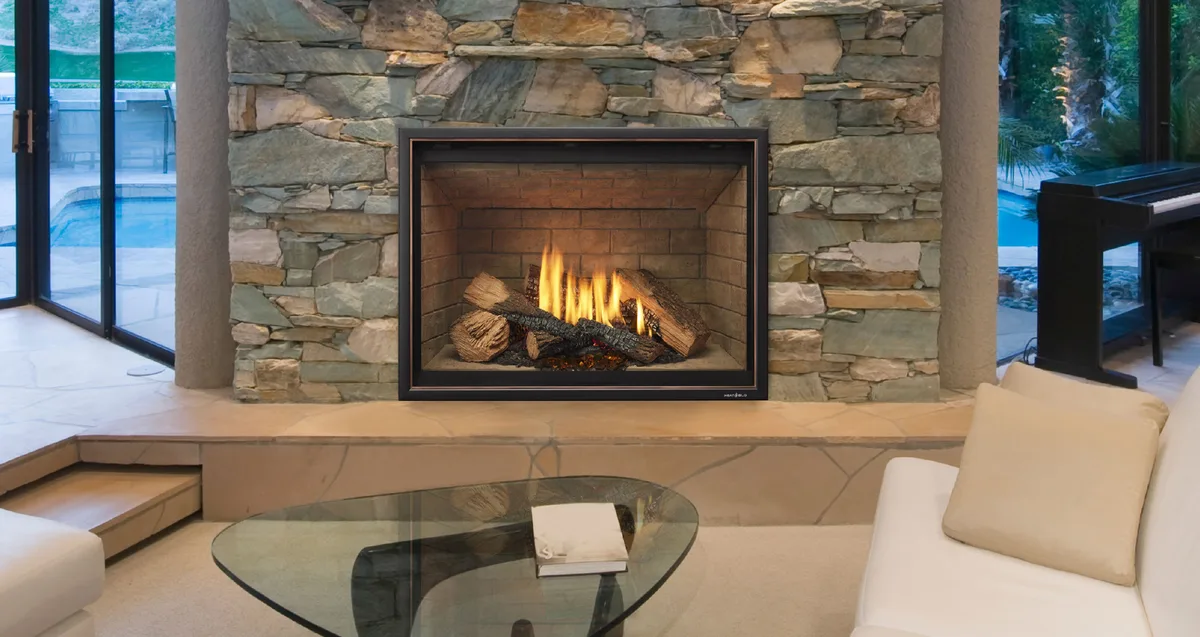
If your Heat & Glo gas fireplace not working is the reason you're parked under a blanket in a cold living room, take a breath. Gas fireplaces should be simple: flip a switch, get heat. When that doesn't happen, the problem is usually small, and it's usually in one of three places: the ignition system, the gas supply, or the remote controls.
Manufacturer specifications indicate a healthy thermopile should produce between 600 and 750 millivolts. Drop below roughly 300 millivolts, and the gas valve simply won't stay open. That one number explains a huge share of Heat & Glo service calls.
Work through the symptom paths below, and you'll likely find a fix you can handle in ten minutes.
Image source: Bing (Web (fair-use with source credit))
Start Here: Which Heat & Glo Symptom Are You Dealing With?
Your Heat & Glo gas fireplace needs three things: gas, ignition, and a working safety sensor. If any one is missing, the unit won't light. Start by checking the gas valve, remote batteries, and pilot assembly.
Most failures are simple to fix. If you smell gas, stop and call your gas utility.
The fastest way to get heat back is to match your symptom to the root cause. Here's the short version.
| Symptom | Likely Cause | Jump to |
|---|---|---|
| No spark, no click, no sound | Dead batteries, wall switch, or receiver | Symptom 1 |
| Pilot lights, then goes out | Dirty or weak thermopile | Symptom 2 |
| Pilot on, burner won't light | Gas valve, remote, or control module | Symptom 3 |
| Weak flame or soot on glass | Vent blockage or gas pressure | Symptom 4 |
That table covers the most common failures by far. The detailed paths below give you the exact steps for each one. Work in order, and don't skip the safety checks.
How Heat & Glo Ignition Systems Actually Work
Before you start turning screws, you need to know which ignition system your fireplace has. Heat & Glo uses two main types, and troubleshooting differs between them.
Older models typically use a millivolt system. A standing pilot flame heats a thermopile, which generates a small electrical current that opens the gas valve. It's simple, self-powered, and doesn't need house electricity.
Newer models, as of 2026, mostly use intermittent pilot ignition (IPI). An electronic control module creates the spark, and the unit runs on household power with battery backup. The pilot only burns while the fireplace is in use.
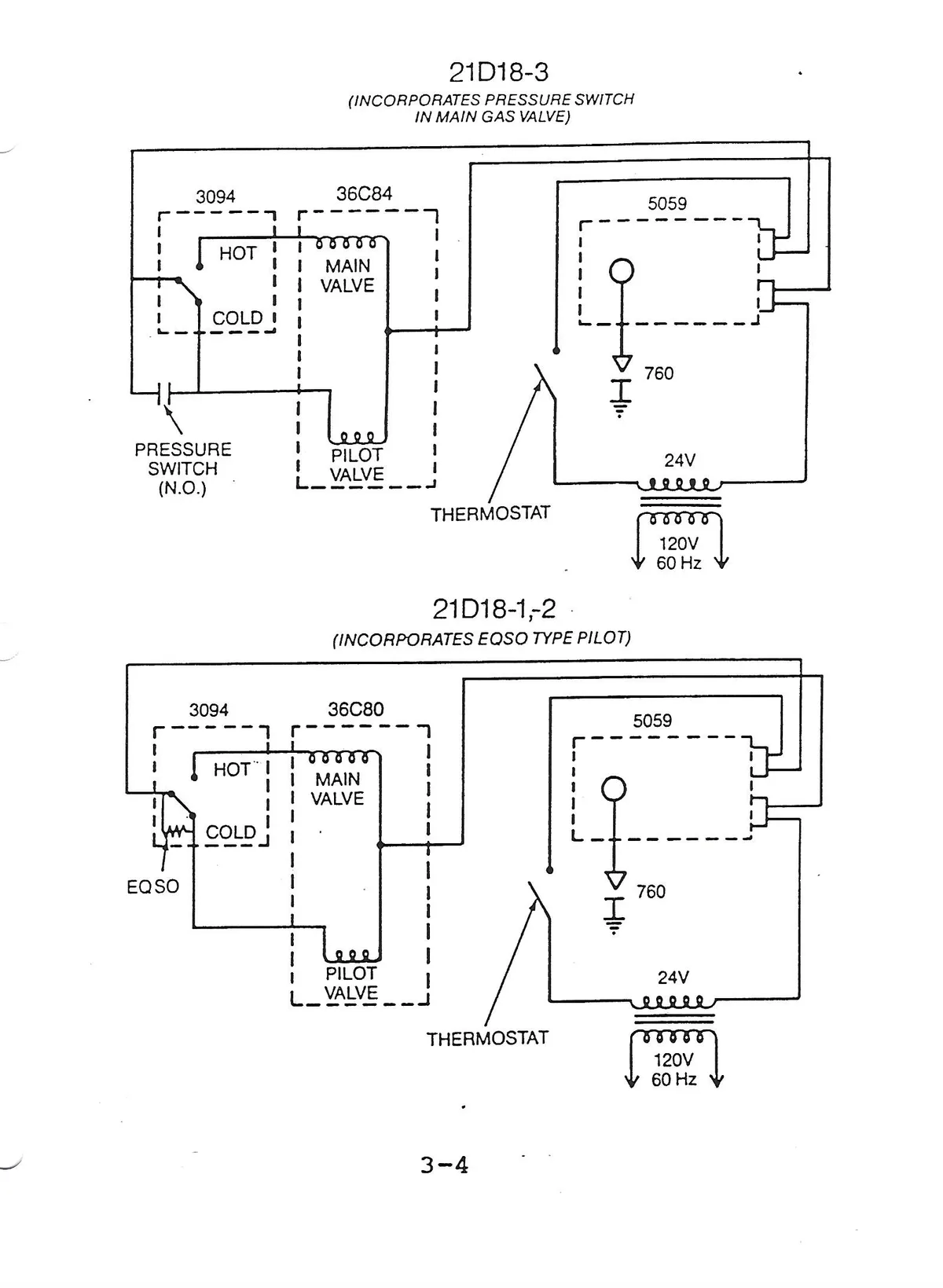
Image source: Bing (Web (fair-use with source credit))
| System Type | Power Source | Pilot Behavior |
|---|---|---|
| Millivolt | Generated by pilot heat | Burns continuously |
| IPI | AC power + battery backup | Lights only on demand |
Your model number will tell you which system you have. It's on a label inside the lower control compartment, usually visible without removing the glass door. Official owner's manuals are available through the Heat & Glo customer support page.
Symptom 1: No Spark, No Click, or No Nothing: Power and Switch Path
This is the most common Heat & Glo complaint, and the fix is often embarrassingly easy.
If the fireplace makes no sound at all: start with the remote batteries. Open the receiver compartment, usually behind the lower access door, and replace both the remote transmitter batteries and the receiver batteries. Many models need standard AA or AAA cells.
Still nothing? Check the wall switch. Some setups use a wired wall switch or thermostat, and a switch in the wrong position can kill everything.
If you have a wired thermostat, set it above room temperature.
If the receiver beeps but you hear no spark: check the gas valve. The valve handle should be parallel to the gas line, meaning open. If it's perpendicular, the fireplace is completely shut off.
Next, inspect the ignition electrode. It sits near the pilot and should produce a visible white-blue spark when the unit calls for heat. If there's no spark, the IPI control module may need replacement, which is a job for a certified technician.
Symptom 2: Pilot Lights but Won't Stay Lit: Thermopile and Pilot Path
You light the pilot, it flames up fine, then goes out as soon as you release the gas control. That's the classic thermopile problem.
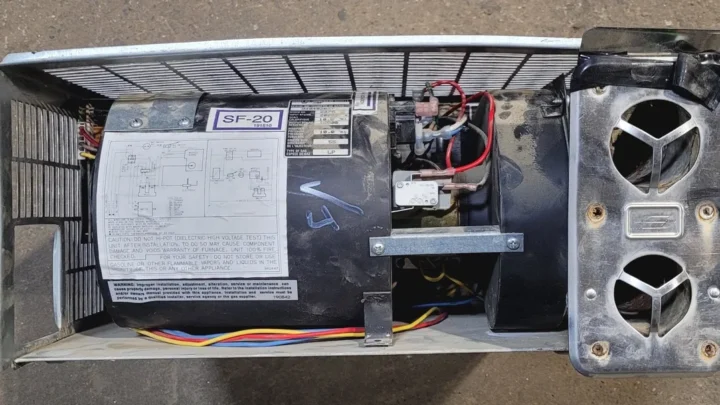
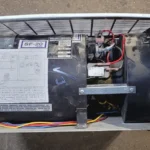
The thermopile is a small copper rod near the pilot flame. It converts heat into a tiny electrical current, and that current holds the gas valve open. When it gets dirty, corroded, or simply ages, its output drops below the required threshold.
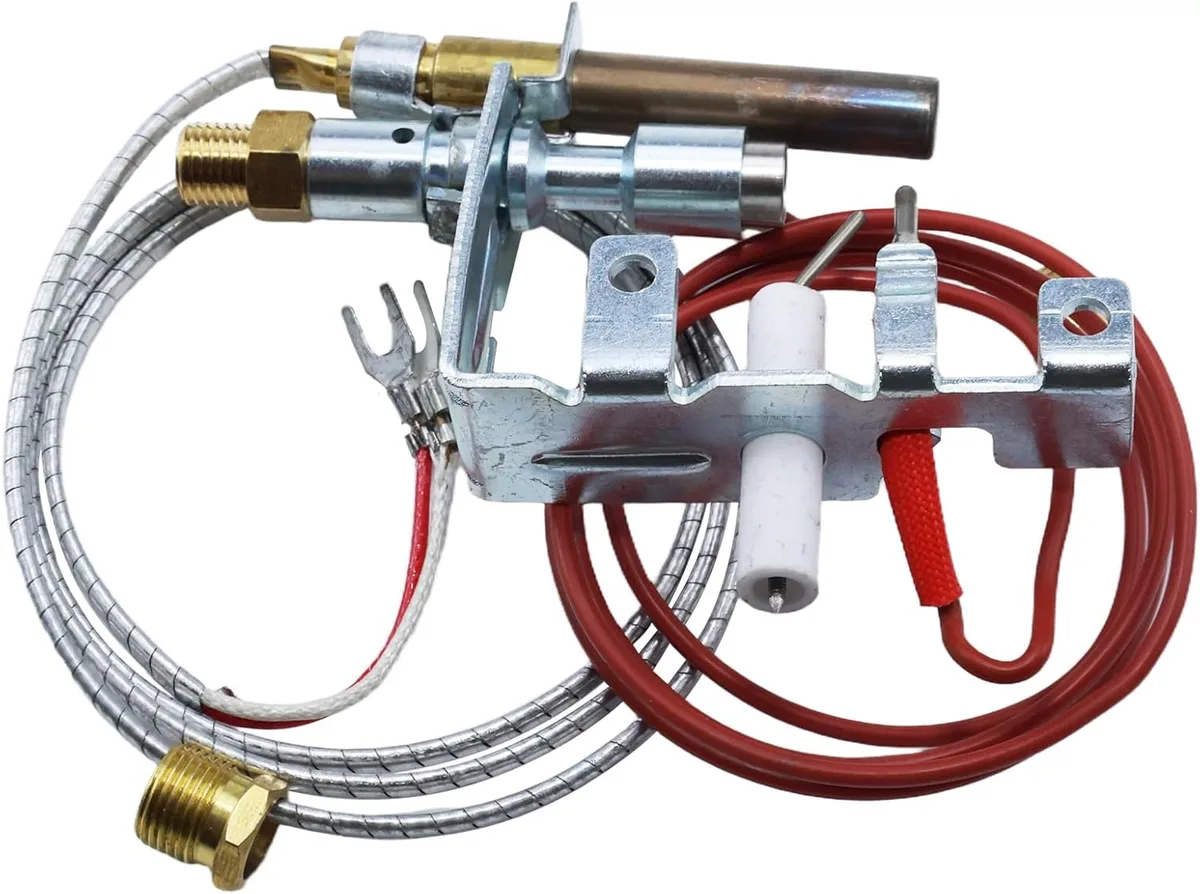
Image source: Bing (Web (fair-use with source credit))
Here's how to check and clean it.
- Turn the gas valve to OFF and wait five minutes.
- Remove the lower access panel to reach the pilot assembly.
- Locate the thermopile. It's the copper rod that sits directly in the pilot flame.
- Gently clean it with 400-grit sandpaper or a soft scouring pad. Don't bend the rod.
- Disconnect the two thermopile wires from the gas valve.
- Use a digital multimeter set to millivolts DC.
- Light the pilot, hold the reset button for 30 seconds, then measure the voltage across the disconnected wires.
A healthy reading is 600 to 750 millivolts. Below 300, the valve won't stay open. If cleaning doesn't boost the number, replace the thermopile.
The part costs between $20 and $60 and takes about twenty minutes to swap.
Symptom 3: Pilot Is On, Burner Won't Ignite, or Remote Is Dead: Millivolts and Module Path
Your pilot has no problem staying lit. It's burning steady and blue. But the main burner won't fire.
That puts you in either the thermopile output path or the control module territory.
First, confirm your remote is actually transmitting. Press the ON button and listen for a beep from the receiver. No beep?
Replace the remote batteries first, then the receiver batteries.
If the remote works but the burner stays off, test the thermopile voltage again with the pilot running. You're looking for at least 300 millivolts across the wires. Too low means the gas valve isn't getting a strong enough signal to open, and your burner will never fire.
What if the voltage checks out? Then inspect the wiring harness between the receiver, the IPI module, and the gas valve. Loose spade connectors are common after battery changes.
Unplug and firmly reseat each one.
Still no luck? The IPI module or the gas valve itself may be faulty. On many Heat & Glo models, replacement modules run $80 to $200, and swapping one isn't technically hard.
But if you're not confident with electrical troubleshooting, this is the point where a professional service call makes sense.
Symptom 4: Weak Flame, Soot on Glass, or Heat Not Coming Through: Venting and Gas Supply Path
Your pilot is holding. The burner lights. But the flame looks lazy or orange.
Maybe the glass is clouded in soot after one burn session. Or the room barely warms up. This is the venting and gas supply path.
A weak orange flame with black tips usually means incomplete combustion. The two main causes are a blocked vent or low gas pressure.
Start outside. The direct vent termination cap on your exterior wall or roof can get clogged with leaves, spider webs, bird nests, or snow. Per NFPA 54 guidelines, the vent cap needs clear circulation at all times.
A blocked cap starves the firebox of oxygen, which produces soot and reduces heat.
Check the cap visually. Clear any visible debris. If the vent runs through a chase or attic, check for crushed or disconnected sections inside.
If the flame is blue and small but doesn't spread across the burner, you might have low gas pressure. This is less common but worth ruling out. A partially closed shutoff valve, a kinked gas line, or a regulator set too low for high altitude can cause it.
Soot accumulating fast inside the glass or on the logs means the gas mix has too little air. On some Heat & Glo models, the air shutter behind the burner can be adjusted. But that adjustment is specific to your gas type, altitude, and vent length.
It's not a DIY tweak in most cases.
One more thing to check. If the fireplace has a blower and you're not feeling heat, the blower fan might be off or blocked. Locate the fan switch (often a separate toggle or remote function) and clean any dust off the blower blades. A caked blower moves almost no air.
When to Stop DIY and Call a Professional: Including Typical Costs
Most of the steps covered so far are safe if you follow the gas shutoff procedure. But some problems need a certified technician.
Call a pro if:
- You smell gas continuously, even with the valve off. Leave the house and call your gas utility from outside. Do not flip any switches.
- The pilot won't stay lit after cleaning the thermopile and checking voltage.
- You suspect a bad gas valve or control module and you're not comfortable with electrical testing.
- The vent pipe shows damage or you can't reach the exterior termination safely.
- The unit hasn't been serviced in over two years. Annual inspection is recommended by the Chimney Safety Institute of America (CSIA).
What a service call typically costs:
| Service | Typical Price Range |
|---|---|
| Diagnostic visit and cleaning | $150 to $250 |
| Thermopile replacement | $200 to $350 (including labor) |
| IPI control module replacement | $250 to $450 |
| Gas valve replacement | $300 to $600 |
| Annual inspection and tune-up | $150 to $300 |
These numbers vary by region and technician rates. Always ask for a quote before work begins.
One rule of thumb. If you've replaced the batteries, cleaned the thermopile, and checked the vent cap with no success, you've done the reasonable DIY scope. Hand it over at that point. It's cheaper than damaging the control board by guessing.
Frequently Asked Questions
Why does my Heat & Glo pilot light but the burner won't come on?
The thermopile likely isn't generating enough voltage to open the gas valve. Clean it with fine sandpaper and test with a multimeter. You need at least 300 millivolts.
If cleaning doesn't work, replace the thermopile.
How do I reset my Heat & Glo gas fireplace?
Turn the gas valve to OFF and wait five minutes. Switch it to PILOT, hold the reset button, and light the pilot. Hold for 30 seconds.
Then turn the valve to ON. Test the remote or wall switch.
Why does my Heat & Glo fireplace click but not ignite?
The spark igniter is firing but no gas is reaching it. Check that the gas shutoff valve is fully open. Then inspect the pilot orifice for debris or a bent electrode.
A compressed air blast can clear small blockages.
How much does it cost to fix a Heat & Glo fireplace?
A service call runs $150 to $250 for diagnosis. Parts add $20 to $60 for a thermopile or up to $600 for a gas valve. Most repairs fall between $200 and $400 including labor.
Can I replace my own Heat & Glo thermopile?
Yes. Turn off the gas, remove the access panel, disconnect the two wires, unscrew the thermopile from its bracket, and install the new one. The part costs about $20 to $60.
It takes roughly 20 minutes.
Why is my Heat & Glo fireplace blowing cold air?
The blower fan is running but the firebox hasn't heated up yet, or the blower speed setting is too high. Let the unit warm up for 15 minutes first. If cold air persists, check that the glass door is sealed and the vent cap is clear.

Similar Posts