Pain Where Wisdom Tooth Was Removed Months Later
You had your wisdom tooth taken out months ago. You thought that chapter was closed. But now there's a dull ache or a sharp jab right where the tooth used to be.
Pain where wisdom tooth was removed months later is more common than you might think, and it's not something you should just ignore.
Research published in the Journal of Oral and Maxillofacial Surgery indicates that roughly 5 to 10 percent of extraction sites develop complications that cause discomfort beyond the initial healing phase. While it's easy to worry, the good news is that most causes are treatable once you identify what's going on. Let's walk through the possibilities together.
Quick Answer
Pain months after wisdom tooth removal is not normal. It usually signals a residual problem. Common causes include a retained root fragment, a bone spicule, or a low-grade infection.
A dental X-ray can identify the issue. Treatment is straightforward once the cause is found.
Image source: Bing (Web (fair-use with source credit))
Why Your Wisdom Tooth Socket Still Hurts Months Later
It's easy to assume that once the stitches dissolve and the gum heals over, you're done. But the bone underneath takes much longer to fully remodel. Three to six months is the typical timeline for the bone to fill in after an extraction.
If pain reappears during that window, it's usually a sign that something interrupted the healing process.
The National Institute of Dental and Craniofacial Research notes that complications like retained root fragments or dry socket can delay healing significantly. Some people also develop a condition called alveolar osteitis, where the blood clot that should protect the site is lost too early. That leaves the underlying bone exposed and vulnerable to irritation.
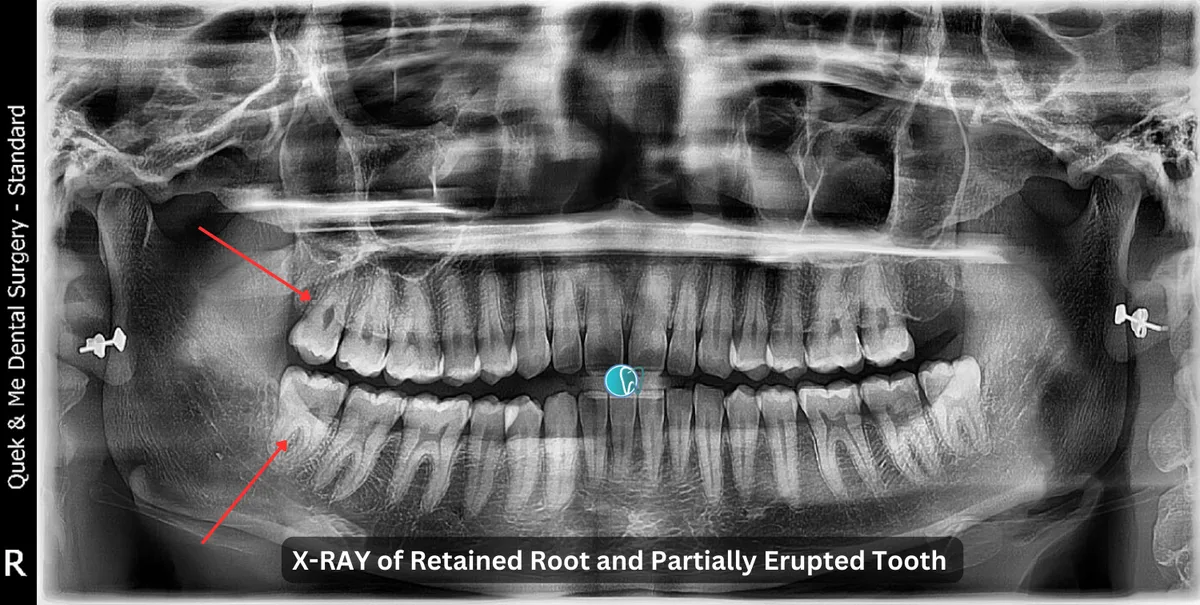
As of 2026, dental professionals have a clear set of diagnostic tools to identify these issues. A simple panoramic X-ray often reveals the problem. Rarely, a cone beam CT scan is needed for more detail.
The point is, there's a reason for the pain, and it's almost always fixable.
This article will help you walk through the symptoms, figure out what might be happening, and decide on the best next step. You don't have to guess alone.
The First Thing to Know: Persistent Pain Isn't Normal Healing
Healing after a wisdom tooth extraction follows a predictable pattern. The first few days involve swelling and soreness. That fades within a week or two.
By the end of the first month, the gum tissue has closed over the socket. You might still feel some tenderness when you press on the area, but it should not be a steady, nagging pain.
If you're still reaching for ibuprofen three months after the procedure, something is off. That's not a sign of slow healing. It's a sign of a complication.
The bone continues to remodel for six months or more, but that process is painless in healthy sites.
Patients often worry that they're overreacting. They tell themselves it's nothing. But our research shows that catching these issues early leads to simpler, less invasive treatment.
A small bone fragment that could be removed in minutes can become a chronic abscess if left alone.
The bottom line: trust your body. If the pain is persistent enough to bother you months later, it deserves a look.
What Could Be Causing the Pain? The Usual Suspects
There are four main culprits behind late-onset pain after wisdom tooth removal. Each one has a slightly different feel and set of signs.
| Cause | What It Feels Like | Other Symptoms |
|---|---|---|
| Retained root fragment | Sharp, intermittent pain, especially when chewing | Visible on X-ray, sometimes a small bump on gum |
| Bone spicule (sharp bone shard) | Poking sensation, like a splinter in the gum | Visible or palpable with the tongue, may work itself out |
| Low-grade infection (osteomyelitis) | Dull, deep ache, may worsen over time | Swelling, pus, bad taste, sometimes fever |
| Nerve injury or neuroma | Electric shock, tingling, numbness in lip or chin | Unusual sensation that doesn't resolve |
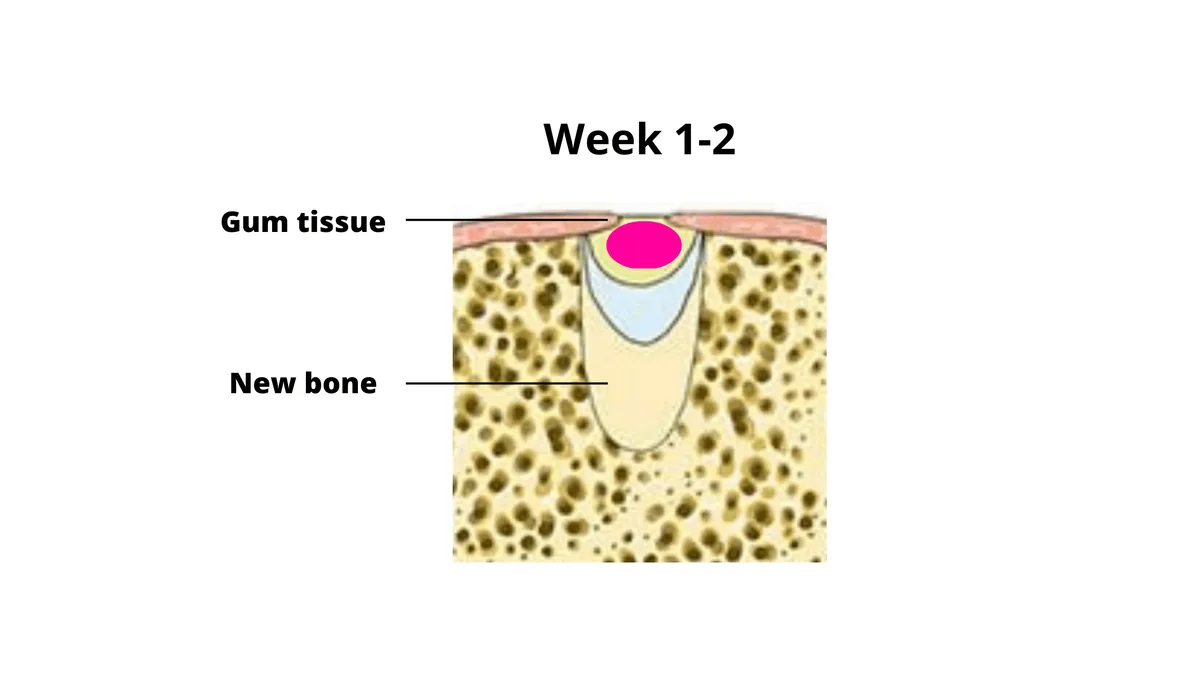
Image source: Bing (Web (fair-use with source credit))
A bone spicule is a small fragment of dead bone that the body tries to push out. It's one of the most common causes of pain months after extraction. It often feels like a sharp piece of gravel poking through the gum.
Many people can see it if they look closely in a mirror.
A retained root fragment is simply a piece of the root that was left behind. It happens more often with curved roots or when the tooth breaks during extraction. These fragments can stay quiet for months and then cause trouble when they shift or become infected.
How to Figure Out What's Wrong: A Symptom-Based Check
You can start to narrow down the cause by asking yourself a few simple questions. Grab a mirror and a good light if you can.
Is there a visible bump or white spot on the gum?
If yes, you might be looking at a bone spicule or a retained root fragment. Gently touch the area with a clean finger. If you feel something hard and sharp, it's likely a bone spicule.
Does the area feel swollen or tender to the touch?
Swelling suggests an infection. Check if the gum is red and puffy. If you see pus or taste something foul, that's a strong sign of infection.
Do you have any numbness or tingling in your lip, chin, or tongue?
That points to nerve involvement. It's less common but needs immediate attention from an oral surgeon.
Does the pain get worse when you bite down or chew?
Pressure-sensitive pain often comes from a retained root fragment or a cyst forming in the bone.
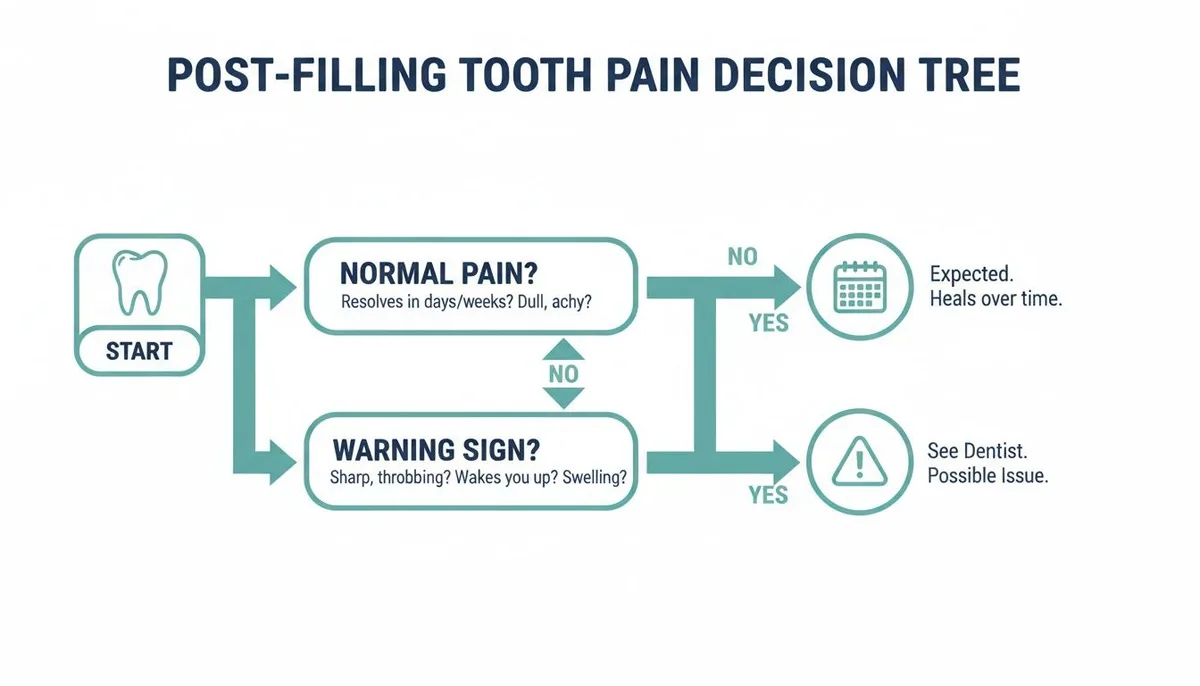
Image source: Bing (Web (fair-use with source credit))
Use this checklist as a starting point. It's not a replacement for a dental exam, but it can help you describe your symptoms more clearly to your dentist. That leads to a faster diagnosis.
What to Do Next Based on Your Symptoms
Once you've identified your symptoms, here's how to decide on the next step.
If you see a bone spicule:
Try gentle salt water rinses twice a day. Sometimes the spicule works itself out on its own within a week. If it's painful or doesn't come out, your dentist can remove it in seconds.
If you suspect a retained root fragment:
You need a dental X-ray. This is not something that resolves on its own. The fragment can cause repeated infections.
A simple procedure to remove it usually solves the problem.
If you have signs of infection (swelling, pus, fever):
Call your dentist or oral surgeon today. Infections can spread. You may need antibiotics and a drainage procedure.
Do not wait for this to go away by itself.
If you have numbness or tingling:
This is a priority. Schedule an appointment with an oral surgeon who specializes in nerve injuries. Early intervention offers the best chance for recovery.
If you're unsure:
Make an appointment for a checkup. A panoramic X-ray is quick, inexpensive, and reveals most causes of late pain. It's the smartest first step you can take.
When to See a Dentist vs. When to Try Home Care First
The safest rule is simple. If you have swelling, pus, fever, or numbness, see a dentist today. Home care is only for minor irritation like a painless bone spicule.
Here's a quick breakdown to help you decide.
| Symptom | Try Home Care | Call the Dentist |
|---|---|---|
| Mild pain only when chewing | Soft foods for a few days | If it lasts more than a week |
| Visible white bone spicule | Salt water rinses twice daily | If it doesn't loosen in 7 days |
| Swelling, pus, bad taste in mouth | No, not safe | Same-day appointment |
| Numbness, tingling, or electric shocks | No, not safe | Same-day appointment |
| Fever over 101°F | No, this is urgent | Emergency dental care |
If you decide to try home care, set a time limit. Give it five to seven days. If there's no improvement, stop guessing and get an X-ray.
A panoramic X-ray costs around $75 to $150 and almost always reveals the cause.
Delaying an exam when red flags are present can turn a simple problem into a bigger one. An infection in the jawbone will not resolve on its own. It needs proper treatment.
Common Mistakes That Delay Healing or Make Things Worse
People often try to solve this problem at home before calling a professional. Some habits, though, can make things worse.
Ignoring the pain hoping it goes away. Pain that persists for months is your body asking for help. It won't just vanish.
Using a water flosser at high pressure on the site. That can push debris deeper into the socket and irritate fragile tissue.
Trying to remove a bone spicule yourself. Tweezers, toothpicks, or fingers can introduce bacteria and cause a serious infection. Let it loosen naturally or let a dentist remove it.
Smoking or vaping too soon after extraction. Tobacco slows blood flow and delays bone healing significantly.
Not finishing prescribed antibiotics. Stopping early lets resistant bacteria survive and makes the infection return stronger.
Skipping the follow-up visit. Even if you feel fine at the two-week mark, a quick checkup catches problems before they become painful.
Each of these mistakes adds weeks to the healing timeline. The best approach is to treat any late-onset discomfort as a signal worth investigating, not something to power through.
FAQs: Pain Where Wisdom Tooth Was Removed Months Later
Is it normal to feel pain months after wisdom tooth removal?
No, it's not typical. Mild sensitivity during the first month is normal. Persistent pain after three to six months usually means a fragment, infection, or nerve issue is present.
A dental X-ray is the quickest way to find the cause.
How long does a bone spicule take to come out?
A small bone spicule often works its way out within one to two weeks. Gentle salt water rinses can help speed things up. If it's still there after that and painful, your dentist can remove it in seconds with no downtime.
Can a retained root fragment cause infection months later?
Yes, absolutely. A leftover root fragment can stay quiet for months and then become a source of low-grade infection. It often shows up as a dull ache that worsens with chewing.
Surgical removal is the standard fix.
What does nerve pain after tooth extraction feel like?
Nerve pain often feels like an electric shock, a sharp jolt, or a persistent burning sensation. It may also cause numbness or tingling in your lip, chin, or tongue. If you have any of these signs, see an oral surgeon as soon as possible.
Will the pain go away on its own without treatment?
Sometimes a minor bone spicule will resolve on its own. But most causes, like retained fragments or infections, need professional care. Waiting only increases the risk of bone damage or a spreading infection.

Similar Posts