How Long Do AI Translation Devices Last: Lifespan Guide
Most AI translation devices last three to five years, while their batteries often need replacement much sooner.
The answer to how long do AI translation devices last depends on more than the hardware shell. Battery health, software support, internet access, language updates, storage, and daily use all shape the real lifespan. After reviewing how modern translation gadgets work, one lesson stands out: a well-kept device may remain useful for years, but its smart features can age faster than its buttons and screen.

How long do AI translation devices last?
Most AI translation devices last about three to five years with normal care. Some may work for seven years or more as basic translators, while heavily used units can show battery or software problems after two years.
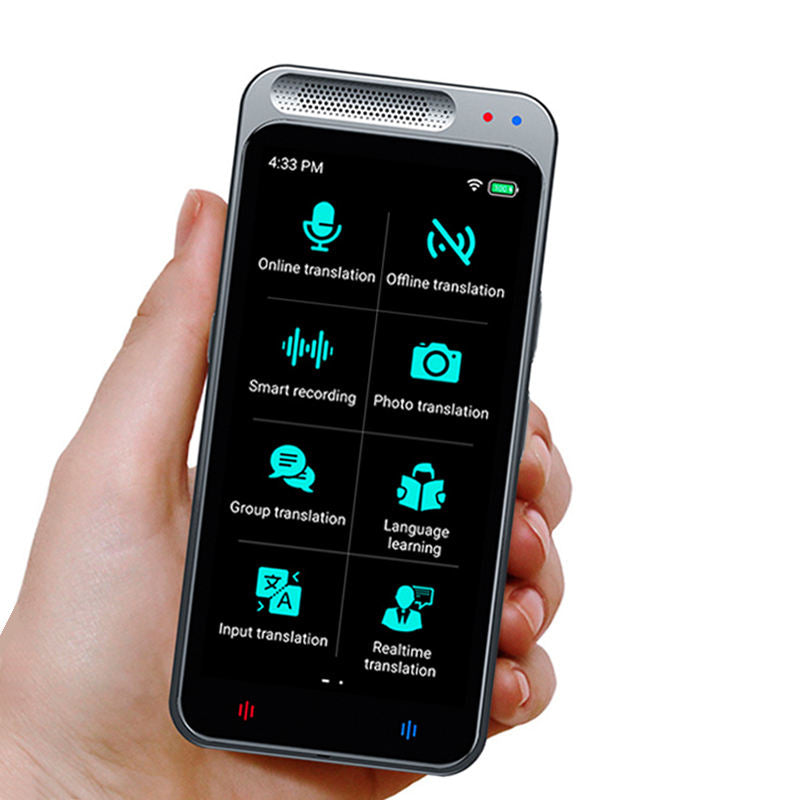
The main reason for this range is that an AI translator is not just a small computer. It may include microphones, speakers, cameras, a touchscreen, Wi-Fi, cellular data, Bluetooth, and cloud-based language services. Each part affects how long the device remains useful.
A newer device can also become outdated even when its hardware still works. The manufacturer may stop sending firmware updates, reduce cloud support, or remove access to newer translation models.
In practical terms, expect these general timelines:
• Two to three years for heavy daily use, travel work, or frequent charging
• Three to five years for normal personal use
• Five to seven years for light use with careful storage
• Longer than seven years as a simple offline dictionary or phrase tool, if the battery still holds a charge
So, when asking how long do AI translation devices last, it helps to separate physical life from useful life. The device may turn on for many years, but its best translation quality may not last that long.
What affects the lifespan of an AI translation device?
Several factors decide how long do AI translation devices last in real-world conditions. Some relate to the device itself, while others depend on how and where you use it.
Battery health
The rechargeable battery is often the first part to weaken. Lithium-ion batteries lose capacity over time, especially after many charge cycles or exposure to heat.
A fresh battery may power a translator through a full day of light use. After a few years, the same device may last only several hours. It may also shut down when the battery shows 20% or 30% power.
Software and cloud support
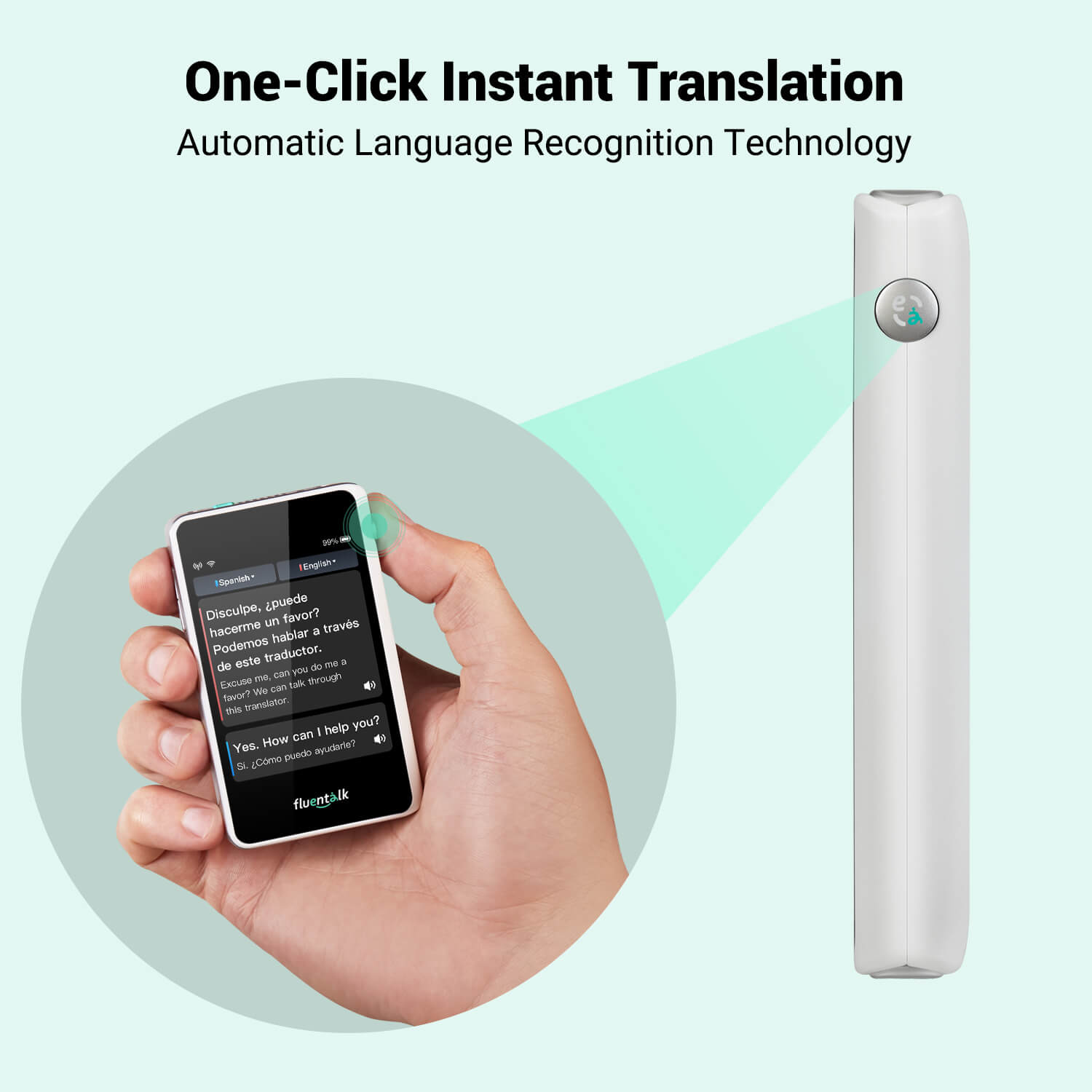
Many AI translation devices use cloud servers to process speech. This allows them to use better language models and recognize accents more accurately.
However, cloud support creates a key risk. If the company closes its service or stops supporting an older model, online translation may stop even if the device still works.
Frequency of use
A translator used once a year on vacation faces less wear than one used every day by a tour guide, nurse, truck driver, or international salesperson.
Heavy use can cause:
• More battery cycles
• Faster screen wear
• Dust and moisture exposure
• More drops and scratches
• Greater heat from continuous processing
Environment
Travel can be hard on electronics. Extreme heat, freezing weather, humidity, sand, and salt air may reduce device life.
A translator used near a beach, construction site, or outdoor market needs more protection than one used in a quiet office.
Repairability
Some devices have sealed cases and small custom batteries. These can be difficult or expensive to repair.
A model with an available battery, case, screen, or service center may last longer because you can fix it instead of replacing the entire unit.
Hardware lifespan versus useful lifespan
The physical lifespan of an AI translation device is the time it can power on and perform basic tasks. Its useful lifespan is the time it provides accurate, fast, and supported translation.
These are not always the same.
For example, an older translator may still display saved phrases and translate a few offline languages. Yet it may struggle with newer accents, slang, medical terms, or mixed-language speech. A slow processor can also create long pauses during conversations.
This difference matters when comparing how long do AI translation devices last with how long they remain worth buying. A three-year-old device may still function well, while another three-year-old model may feel nearly obsolete.
Think of it like an old car. It may still move, but poor fuel use, costly repairs, and missing safety features can make replacement the wiser choice.
A device may be nearing the end of its useful life when:
• Translation takes much longer than it once did
• The battery drains within a few hours
• Updates no longer install
• Important languages disappear from online mode
• The screen has dead spots or touch problems
• The device cannot connect to current Wi-Fi networks
• The companion app no longer works on your phone
How long does the battery last on an AI translation device?
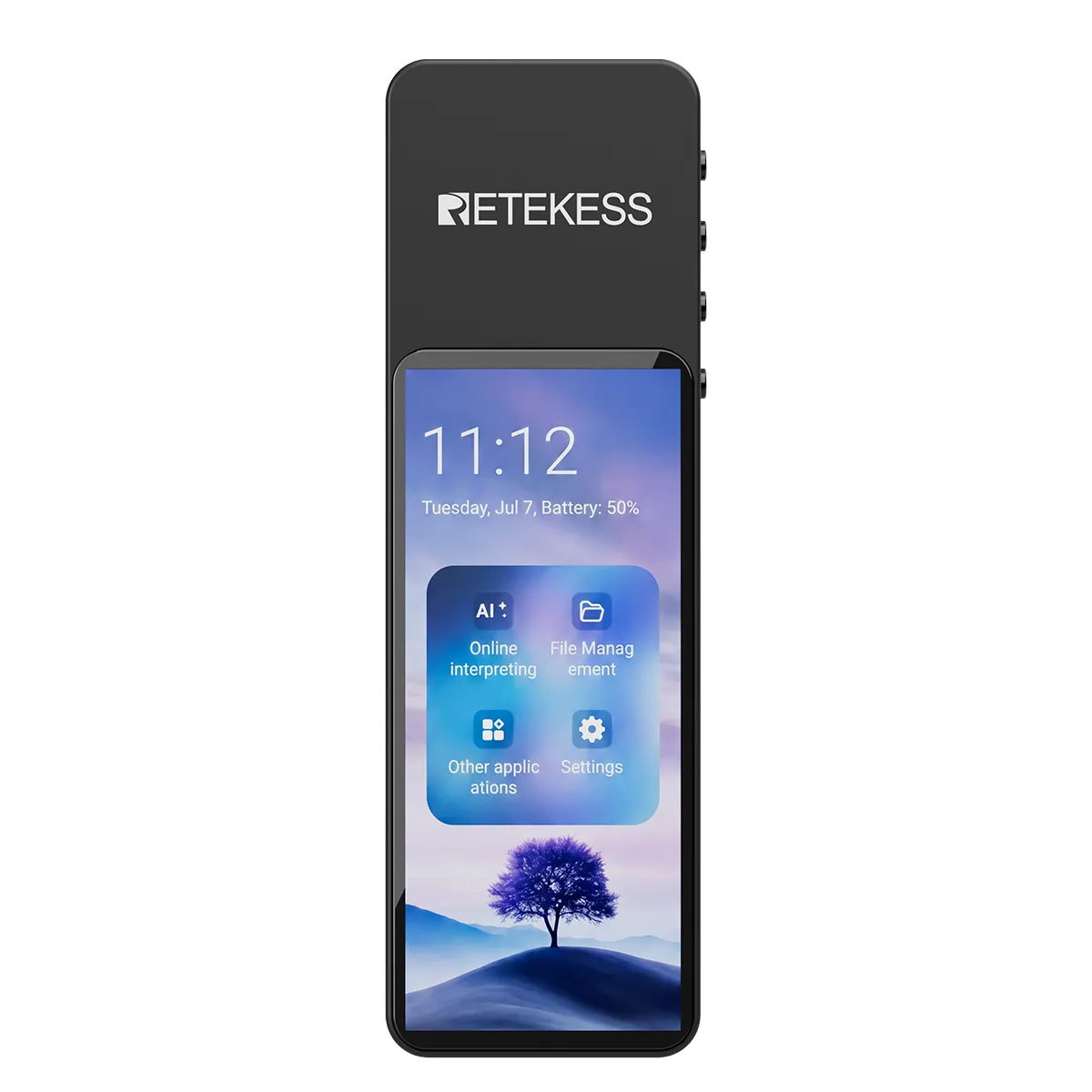
A single charge often lasts between six and 24 hours, depending on the model and how it is used. Continuous speech translation, a bright screen, mobile data, and camera features can reduce battery life quickly.
A device used for short conversations may last several days between charges. A tour guide using live translation all day may need a power bank before the afternoon.
Battery life also changes as the battery ages. After two or three years, the device may provide only 60% to 80% of its original runtime. Heat, fast charging, and leaving the battery at 0% for long periods can speed up this decline.
To extend battery life:
• Keep the device away from direct sunlight and hot cars
• Charge it before the battery reaches zero
• Use a normal charger approved by the manufacturer
• Lower screen brightness when possible
• Turn off mobile data, Bluetooth, or Wi-Fi when not needed
• Avoid charging under pillows or inside tight bags
• Store it near 50% charge if you will not use it for months
Battery estimates are not exact. A company may test runtime with light use, while real conversations demand more power. This is why how long do AI translation devices last cannot be judged by battery claims alone.

Do AI translation devices need internet access?
Many AI translation devices work best with an internet connection. Online access lets them send speech to cloud systems, process complex language, and return a translated result.
Some models offer offline translation. This feature can be valuable when traveling through rural areas, flying, or avoiding international data fees. Offline modes usually support fewer languages and may provide less natural results.
Before buying, check whether the device supports:
• Offline speech translation
• Offline text translation
• Offline camera translation
• Wi-Fi networks in your destination
• Mobile data or eSIM service
• Language downloads for travel
Internet dependence affects long-term usefulness. A device with strong offline tools may remain helpful after its online service changes. A device that relies entirely on a company server may become limited if the service ends.
This is one of the biggest reasons how long do AI translation devices last varies from one brand to another. The hardware may be durable, but its online features depend on business support.
How software updates affect device longevity
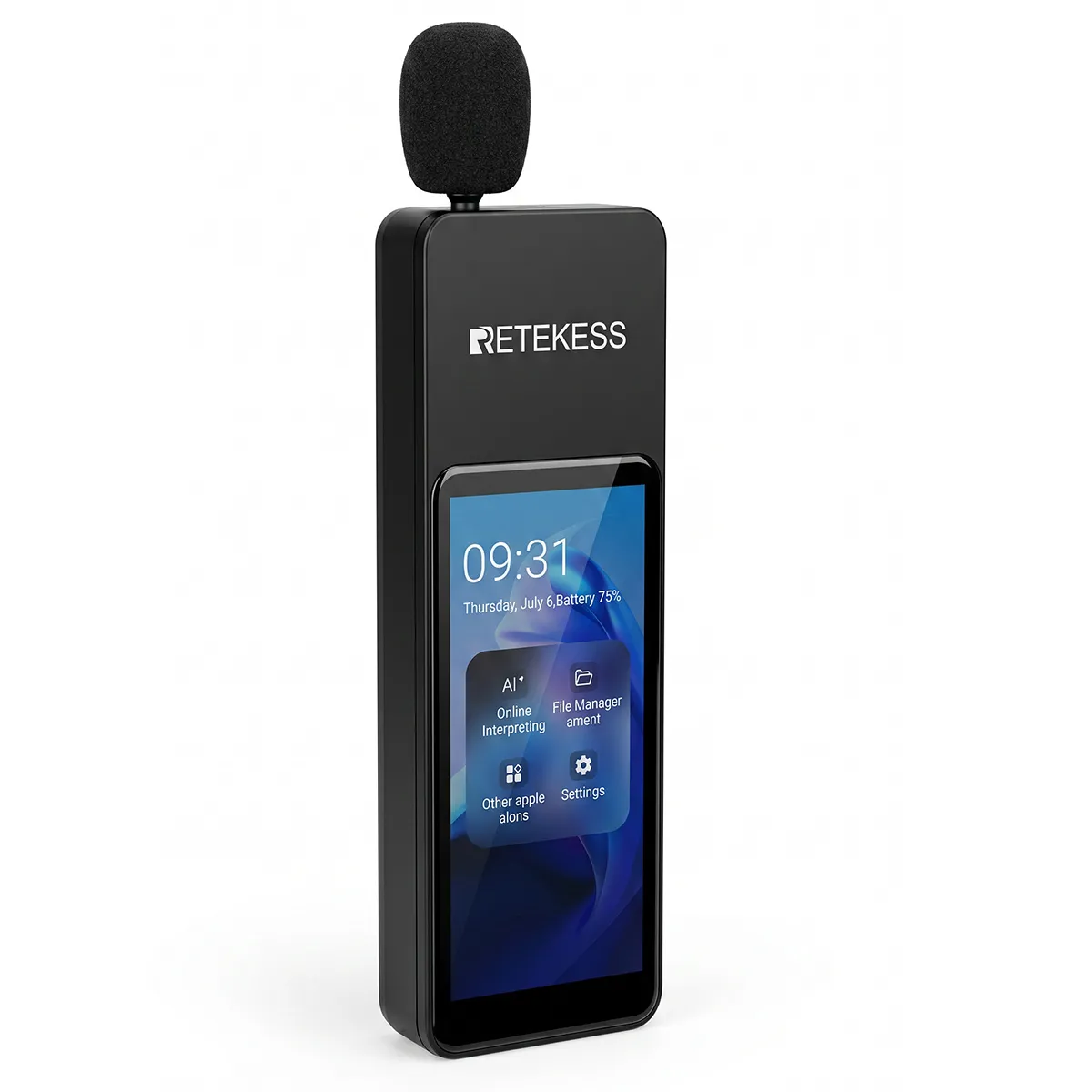
Software updates can improve translation quality, fix security problems, add languages, and support newer phones. They may also make an older device feel useful for longer.
Still, updates have limits. Older processors may not handle newer AI models well. A manufacturer may stop updates when the cost of supporting old hardware becomes too high.
Check the company’s update policy before buying. Look for clear information about:
• Expected years of firmware support
• App compatibility with Android and iPhone
• Language update schedules
• Cloud service terms
• Offline feature support
• Repair and replacement options
A device with regular updates may offer better value than a cheaper model with no clear support plan. This is especially important for business users who need reliable translation over several years.
A useful buying lesson is simple: do not ask only how long do AI translation devices last physically. Ask how long the company promises to support the software and cloud service.

Can you use an AI translation device without a subscription?
Some AI translation devices work without a monthly subscription, while others charge for cellular data, premium AI tools, or cloud translation. The exact cost depends on the brand, model, and service plan.
A subscription may cover:
• Mobile data in many countries
• Advanced online translation
• New language models
• Voice transcription
• Customer support
• Cloud storage
A device without a subscription may still need Wi-Fi. Some products include a limited free service, then require payment after a trial period.
Subscription costs affect total ownership. A device that costs $300 may become expensive if it requires $15 per month for years. On the other hand, a service plan may be useful for frequent travelers who need reliable mobile access.
Read the terms before purchase. Confirm what happens if you cancel. In some cases, basic offline translation remains available. In others, the device loses most of its main features.
How to make an AI translation device last longer
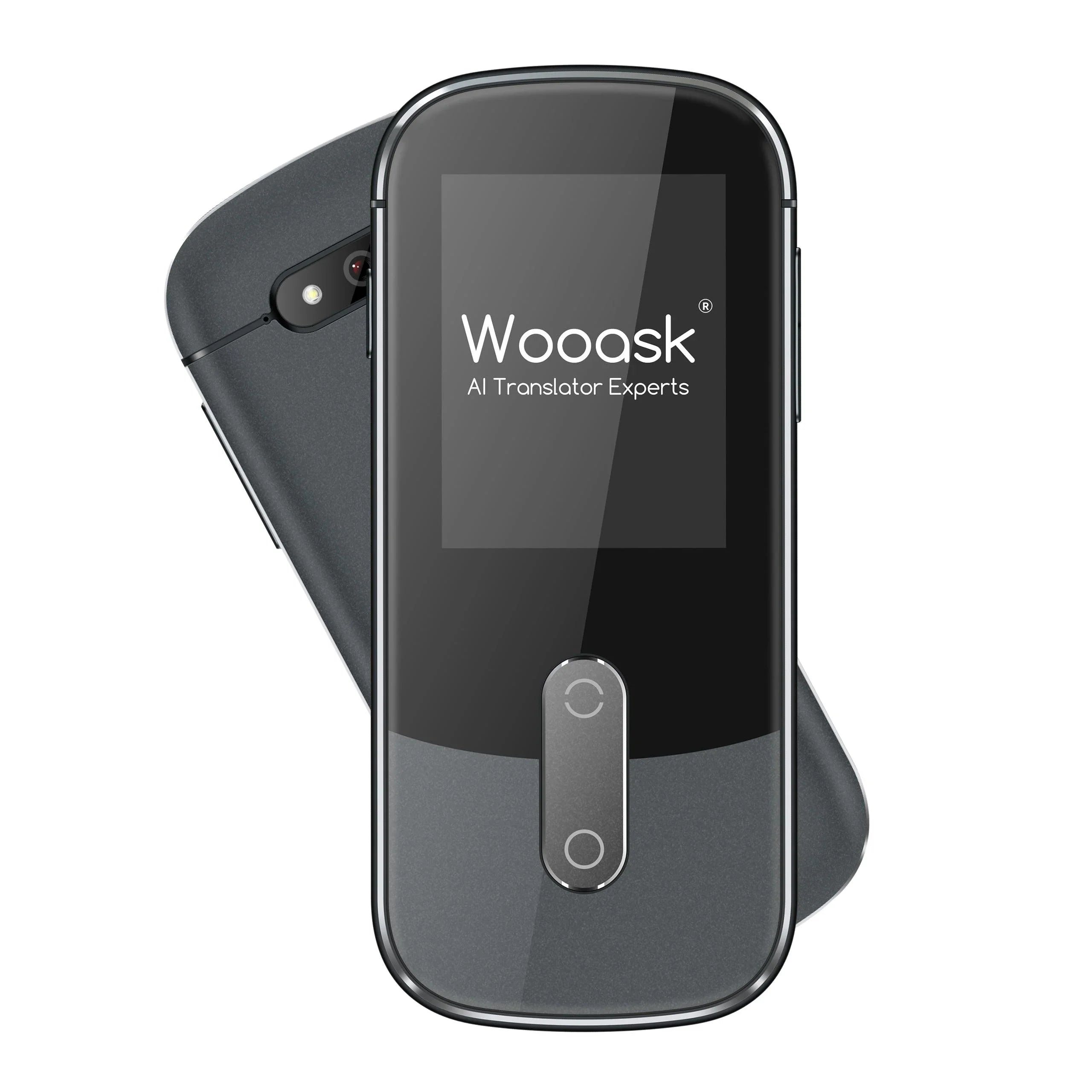
Good care can add years to the useful life of an AI translation device. Most steps are simple and cost little.
Protect the screen and case
Use a case made for the model. A case can protect the device from drops, pressure, and scratches inside a travel bag.
A screen protector may also help. Avoid placing keys, coins, or hard chargers on top of the device.
Manage heat and moisture
Heat is a major enemy of battery health. Do not leave the translator on a dashboard or in checked luggage during hot weather.
If the device gets wet, turn it off. Do not charge it until it is fully dry. Even water-resistant models may not tolerate salt water, steam, or repeated moisture.
Keep the software current
Install trusted firmware and app updates. Updates can fix connection errors and improve language performance.
Avoid unofficial software. It may damage the device, create security risks, or stop cloud features from working.
Store it correctly
For long-term storage, charge the battery to about half full. Keep the device in a cool, dry place and power it on every few months.
Do not store it for a year with a fully empty battery. Deep discharge can make some lithium-ion batteries difficult or unsafe to recharge.
Use a reliable charger
Poor-quality chargers can create heat or unstable power. Use the cable and adapter recommended by the manufacturer or a certified replacement.
These habits can improve how long do AI translation devices last, especially for travelers who use the device only a few times each year.
Signs that it is time to replace your translation device
Replacement makes sense when repair costs more than the device is worth or when key features no longer work.
Watch for these warning signs:
• The battery swells, becomes hot, or loses power very fast
• The device turns off during normal conversations
• The microphone no longer hears speech clearly
• The speaker produces crackling or very low sound
• The touchscreen misses taps
• Online translation stops without a clear fix
• The companion app is no longer supported
• Your required languages are no longer available
• The device cannot receive security or system updates
A swollen battery needs urgent attention. Stop using the device and keep it away from heat. Do not puncture or throw it into household trash; follow local battery recycling rules.
You may also replace a device when your needs change. A basic travel translator may not be enough for work, health care, legal discussions, or detailed business meetings. In those settings, accuracy, privacy, and human review matter more than convenience.
AI translation devices compared with smartphone apps
A smartphone translation app can last as long as your phone and operating system remain supported. It may offer more languages, frequent updates, camera tools, and voice features.
A dedicated translator still has useful advantages:
• It may be easier to hand to another person
• It can reduce distractions from calls and notifications
• It may include a simpler interface
• Some models offer better offline travel tools
• It may have stronger microphones for face-to-face use
• It can keep translation separate from personal messages
The best choice depends on your situation. Occasional travelers may prefer an app. People who work across languages every day may value a dedicated device.
Privacy also deserves attention. Cloud translation can send recordings or text to remote servers. Check the privacy policy and avoid using any tool for sensitive conversations unless you understand how the data is handled.
The answer to how long do AI translation devices last may therefore depend on comparison. A phone app may receive updates longer, while a dedicated device may be easier and faster to use in a live conversation.
What to check before buying an AI translation device
A careful purchase can prevent early replacement. Focus on long-term value rather than the highest number of supported languages.
Use this checklist:
-
Check the warranty length and what it covers.
-
Confirm whether the battery can be replaced.
-
Ask how many years the company plans to provide updates.
-
Check if your needed languages work offline.
-
Review subscription and mobile data costs.
-
Read recent customer reports about battery life and support.
-
Confirm compatibility with your phone and Wi-Fi network.
-
Look for a case, screen protector, and official charger.
-
Check the return policy before opening the package.
-
Consider whether a smartphone app would meet your needs.
Be cautious with claims such as “supports more than 100 languages.” That number may include text, speech, camera, and offline modes counted separately. A language may also have weaker support for accents, regional words, or fast speech.
For a fair comparison, test the exact situations you expect to face. Try names, food terms, street directions, and short back-and-forth conversations. Translation quality can vary widely between languages.
How much does ownership cost over time?
The purchase price is only one part of the cost. Total ownership may include subscriptions, mobile data, repairs, accessories, and replacement batteries.
A simple cost estimate includes:
• Device price
• Monthly or yearly service fees
• Protective case
• Screen protector
• Charger or power bank
• Travel data costs
• Possible repair expenses
For example, a $250 device with no subscription may cost less over four years than a $150 device that requires a monthly plan. But the second model could still be better for a person who needs global mobile data.
Think about use frequency. If you travel once every three years, buying a premium device may not make financial sense. If you use translation every workday, a durable model with strong support may save time and prevent communication mistakes.
A reliable device also has an indirect value. Clear translation can reduce confusion at hotels, clinics, airports, and customer meetings. Yet it should not replace a qualified interpreter for legal, medical, or safety-critical communication.
Frequently Asked Questions: How long do AI translation devices last
How long do AI translation devices last on one charge?
Most last about six to 24 hours on one charge, depending on screen use, online processing, mobile data, and conversation time. Continuous voice translation uses more power than occasional phrase lookup.
How long do AI translation devices last before replacement?
Many remain useful for three to five years with normal care. Heavy use, poor battery health, discontinued cloud services, or a lack of software updates can shorten that period.
Do AI translation devices stop working when the battery gets old?
They may still work, but runtime can become very short. If the battery swells, overheats, or shuts down suddenly, stop using the device and seek an approved replacement or recycling option.
Can an AI translation device last longer than a smartphone?
It can, especially if it has simple hardware and offline translation. However, a smartphone may receive software updates and language improvements for longer, so useful life depends on the specific product.
Do AI translation devices work without Wi-Fi?
Some support offline translation, but they may offer fewer languages and less advanced results. Others need Wi-Fi or mobile data for speech processing, language updates, and cloud-based AI features.
Is it worth buying an AI translation device for occasional travel?
It may be worthwhile if you want a simple tool that you can share with another person or use without phone distractions. For rare trips, compare the device price and subscription cost with a smartphone translation app.
Can a translation device translate medical or legal conversations?
It can help with basic communication, but it should not replace a trained interpreter in medical, legal, or emergency situations. Important details can be lost through accents, unclear speech, cultural terms, or AI errors.
Conclusion
Most AI translation devices last three to five years, but battery wear and software support often decide when replacement becomes necessary. A device with offline languages, a replaceable battery, regular updates, and strong repair support can provide better long-term value.
Protect it from heat, moisture, drops, and deep battery discharge. Before buying, check the warranty, subscription terms, update policy, privacy rules, and offline features. Choose a model that fits how you really travel or work, then compare it with a smartphone app before spending money.
Use this guidance to make a confident choice, and explore more device reviews and language technology tips before your next trip.