Best AI Fitness Trackers: Top Picks For Smarter Workouts
The best AI fitness trackers turn daily health data into clear, useful steps you can act on.
You may know that you should move more, sleep better, or train with a plan. Yet busy days make those goals hard to track. A good AI fitness tracker acts like a small coach on your wrist or body. It watches trends, counts activity, and helps turn numbers into simple choices. I looked at smart watches and screen-free trackers for comfort, sensors, app support, battery life, and useful AI tools. My goal is to help you pick a tracker that fits your real routine, not just one with the longest feature list.

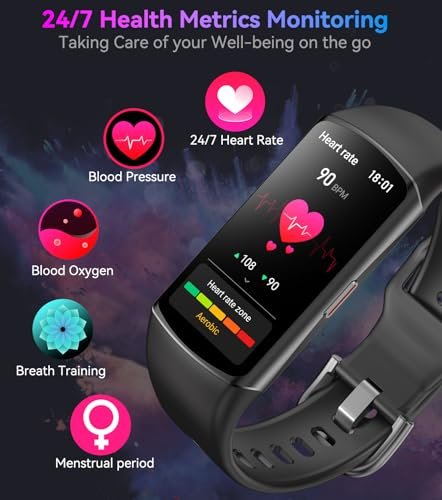
Smart Watch Fitness Tracker with…
【Superb Visual Experience & Effortless Operation】Diving into the latest 1.58” ultra high resolution display technology, every interaction on the fitness watch is a visual delight with vibrant colors and crisp…
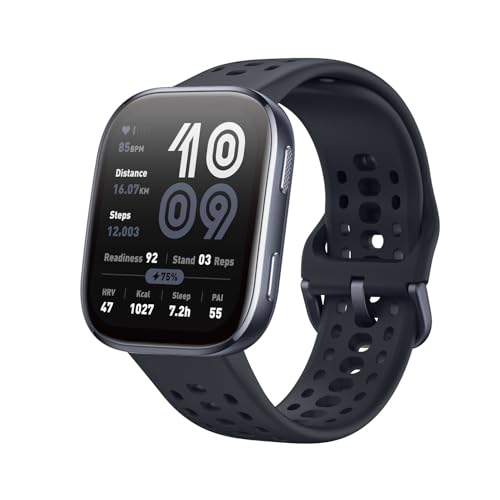
Amazfit Bip 6 Smart Watch,…
STYLISH DESIGN, VIBRANT DISPLAY: The lightweight aluminum build blends effortless style with workout durability, while the vivid 1.97″ AMOLED display keeps your data easy to read, even under bright sunlight….

Wearable Voice Activated AI Recorder…
【One-Tap AI Transcription】Press record and let the AI do the rest — this voice recorder turns speech into text with up to 95% accuracy across 109 languages, labels each speaker,…
Smart Watch Fitness Tracker with 120 Sports Modes

This affordable fitness watch packs a large set of health and activity tools into one simple design. It tracks steps, calories, sleep, heart rate, and workouts, while its sports menu gives users many exercise modes to try. The watch also lists blood oxygen and blood pressure monitoring, which can help you notice general changes over time. I like the broad feature set for people who want one device to cover basic daily goals.
The IP68 water-resistant build makes it useful for walks, gym sessions, and normal splashes. Its phone connection can also make daily life easier by showing alerts without requiring you to reach for your phone. Still, I would treat wellness readings as estimates, not medical results. The FDA and other health authorities advise users not to use consumer wearables to diagnose or treat a health problem.
Pros:
- Tracks steps, calories, sleep, and heart rate in one place
- Offers a wide range of workout modes
- Large feature set at a budget-friendly level
- IP68 water resistance suits everyday active use
- Works with Android and iPhone devices
- Can reduce phone checks through wrist alerts
Cons:
- Health readings may not match clinical equipment
- App quality and data detail may vary by phone
- Users who want advanced training plans may outgrow it
My Recommendation
I recommend this model to beginners, casual walkers, and families who want many fitness tools without a premium price. It is also a good pick for someone who wants a traditional watch screen and quick access to steps, sleep, and workout data. The broad sports list gives new users room to explore. Among the Best AI Fitness Trackers, this one stands out for feature value rather than deep coaching.
| Best for | Why |
|---|---|
| First-time fitness tracker users | Simple daily metrics and a large feature list |
| Budget-minded shoppers | Offers many smartwatch functions at a lower cost |
| Everyday activity tracking | Counts steps, calories, sleep, and common workouts |
Amazfit Bip 6 Smart Watch with GPS

The Amazfit Bip 6 is the most complete traditional fitness watch in this group. Its 1.97-inch AMOLED display should make workout numbers, notifications, and menus easy to read. Built-in GPS is a major benefit for runners, walkers, and cyclists who want route data without carrying a phone. The watch also supports both iOS and Android, so it fits a wide range of users.
I see this as a strong middle ground between a simple tracker and a costly premium smartwatch. GPS can help measure distance and pace, while health and sleep tools can show patterns across days. Like all wrist devices, its readings depend on fit, skin contact, movement, and software. For best results, I would wear it snugly during exercise and compare important concerns with a trained health professional.
Pros:
- Built-in GPS supports outdoor route and pace tracking
- Bright 1.97-inch AMOLED screen is easy to view
- Compatible with iOS and Android phones
- More useful for runners and cyclists than a basic step counter
- Provides a polished watch-style experience
- Balances fitness tools with smart notifications
Cons:
- Larger case may feel less comfortable on small wrists
- GPS and bright screen can use more battery during workouts
- Advanced health features still do not replace medical tests
My Recommendation
The Amazfit Bip 6 is my top choice for most people who want a full fitness smartwatch. I would choose it for outdoor walkers, runners, cyclists, and anyone who wants GPS without paying for a high-end watch. The large display also helps users who dislike tiny text. If you are comparing the Best AI Fitness Trackers for everyday versatility, this is the strongest all-around option in the list.
| Best for | Why |
|---|---|
| Outdoor runners | Built-in GPS can track routes, pace, and distance |
| People who want a big screen | The AMOLED display makes data and alerts easier to read |
| Mixed phone households | Supports both iPhone and Android users |
Wearable Voice-Activated AI Recorder and Tracker

This product takes a different path from a normal fitness watch. It combines wearable voice recording, AI transcription, and fitness tracking in a small device. That mix may help users capture ideas, reminders, meetings, or spoken workout notes while keeping both hands free. It is especially interesting for people who want AI assistance but do not want another large screen on the wrist.
The fitness side should appeal to users who enjoy simple movement data rather than a large menu of sports tools. Voice features can be useful after a walk, when you want to record how the workout felt before you forget. Privacy deserves careful thought, since recording people may require consent under local laws and workplace rules. I would also check storage, app functions, subscription terms, and battery details before relying on it for important recordings.
Pros:
- Combines voice recording and fitness features
- AI transcription can save time after spoken notes
- Useful for hands-free reminders and ideas
- Less screen-focused than a typical smartwatch
- Can support fitness journaling through voice
- Interesting choice for tech users who want new AI tools
Cons:
- Recording laws and privacy concerns require user care
- May offer fewer workout controls than a full smartwatch
- AI transcription accuracy can change with noise and accents
- App, storage, or subscription limits may affect long-term use
My Recommendation
I recommend this wearable to students, creators, coaches, and busy users who value voice notes as much as fitness data. It is not my first choice for serious runners who need a bright display and built-in GPS. Instead, it works like a pocket notebook that can also track movement. Among the Best AI Fitness Trackers, it is the most unusual pick and the best fit for hands-free AI use.
| Best for | Why |
|---|---|
| Voice-first users | Lets you capture spoken notes without typing |
| Coaches and creators | Transcription may simplify workout or idea notes |
| Screen-free tracking fans | Offers a less watch-like way to collect data |
Google Fitbit Air Special Edition Tracker

The Fitbit Air takes a calm approach to fitness tracking. It has no normal screen, so it does not tempt you to check numbers every few minutes. Instead, users can focus on movement and review data later in the Fitbit experience. The Stephen Curry Special Edition design adds a sporty look for fans who want a tracker with more personality.
A screenless design can also feel light and less distracting during work, sleep, or exercise. Fitbit’s long history in activity tracking gives this product a familiar appeal for people who already use its app. The trade-off is clear: you cannot glance at live pace, steps, or notifications on the device itself. I would choose it for habit building, not for users who need detailed data during every workout.
Pros:
- Screenless design reduces digital distractions
- Light form factor can suit sleep and all-day wear
- Fitbit app provides a familiar way to review trends
- Sporty Stephen Curry Special Edition styling
- Good match for people who dislike bulky watches
- Encourages users to focus on habits instead of constant numbers
Cons:
- No screen for live workout stats
- Users must use a phone or app to review information
- Less suitable for GPS-based training and detailed workouts
- Some Fitbit insights may depend on paid features or plan terms
My Recommendation
I recommend the Fitbit Air to people who want gentle accountability without another bright screen. It suits walkers, sleep-focused users, and anyone who checks a phone too often. It is also a smart choice for fans of the Stephen Curry design. In my view, this is one of the Best AI Fitness Trackers for simple habit support, though athletes who need live feedback should select the Amazfit Bip 6 instead.
| Best for | Why |
|---|---|
| Screen-free living | No display means fewer alerts and less checking |
| Sleep and habit tracking | Light design supports all-day and overnight wear |
| Fitbit app users | Fits a known platform for reviewing activity trends |
uaue AI Smart Watch with ChatGPT

The uaue AI Smart Watch aims to blend a normal smartwatch with an AI helper. Its listed ChatGPT support may help with quick questions, prompts, or simple daily assistance from the wrist. It also includes Bluetooth calling, more than 110 activity modes, sleep tracking, heart rate monitoring, calorie data, and step counting. That makes it appealing to users who want communication and fitness tools in one device.
The 1.91-inch display should give enough room for menus, call controls, and workout information. IP68 water resistance adds useful protection for sweat and daily splashes, though I would still follow the care instructions around swimming and hot water. AI features depend on the watch app, phone connection, internet access, and the exact service terms. I would see this as a convenient smart accessory, not a replacement for a doctor, trainer, or medical monitor.
Pros:
- ChatGPT-style AI support adds a modern smart feature
- Bluetooth calling can help users answer calls from the wrist
- Offers more than 110 activity modes
- Includes sleep, heart rate, calorie, and step tracking
- Large display supports easier navigation
- IP68 rating suits common daily wear
Cons:
- AI functions may need a phone, app, or internet connection
- Call quality depends on the connected phone and surroundings
- Health readings are for wellness use, not diagnosis
- Many activity modes may not provide equally deep data
My Recommendation
I recommend the uaue watch to Android or iPhone users who want an affordable smartwatch with voice and AI-style help. It suits people who answer calls, check simple information, and track varied workouts. It is less ideal for an athlete who needs advanced training load data or highly precise GPS. For shoppers seeking the Best AI Fitness Trackers with a visible AI assistant, this model offers the clearest match.
| Best for | Why |
|---|---|
| AI-curious smartwatch buyers | ChatGPT support adds a hands-on AI feature |
| Call and alert access | Bluetooth calling and notifications keep the phone in a pocket |
| Multi-sport beginners | Many listed modes support different types of activity |
How I Evaluated the Best AI Fitness Trackers
AI fitness trackers can look alike on a product page. In daily use, small details make a large difference. I look first at what the tracker can measure, then at how clearly it presents that data. A long list of sensors means little if the app is hard to use or the device feels uncomfortable.
I also separate “AI” from simple automation. A step count is useful, but it is not advanced coaching. AI may help summarize trends, answer questions, create prompts, or turn raw data into a plan. The quality depends on the software, data access, phone connection, and the way the company explains its results.
Accuracy and Sensor Limits
Wrist trackers estimate many health measures through light, motion, and contact with the skin. They can be useful for trends, such as seeing whether your sleep time changes or whether your daily steps rise. They can also make mistakes during fast movement, loose wear, tattoos, cold skin, or poor contact.
I never use a consumer fitness tracker to confirm a medical issue. Blood pressure, blood oxygen, heart rhythm, and other health readings may require approved clinical equipment. If a number worries you, repeat it with a suitable device and ask a qualified health professional for advice.
AI Coaching and Smart Insights
The best AI fitness trackers should help you answer a simple question: “What should I do next?” A useful insight might suggest a rest day after a hard session or remind you that short walks add up. Good coaching should feel like a kind guide, not a strict judge.
Be careful with bold health claims. AI can spot patterns, but it does not know your full medical history unless you provide it, and even then it can misunderstand context. Treat AI suggestions as general wellness help. Do not follow a risky plan just because an app sounds confident.
Comfort and Wear Time
A tracker only helps when you wear it. I look for a light body, a secure band, a clear clasp, and a shape that does not press into the wrist. Sleep tracking also depends on comfort. A watch that feels fine for one hour may feel annoying after eight hours.
Screenless designs can feel peaceful, while full watches offer useful live data. Neither style wins for every person. Choose a screen when you need pace, maps, calls, or quick numbers. Choose a screenless tracker when quiet habit support matters more.
Battery Life and Charging
Battery life affects trust. If a tracker dies before a long walk or misses sleep because it needs charging, your record becomes a patchwork. GPS, calls, bright screens, and frequent alerts often use more power than simple step tracking.
I suggest setting a regular charging habit. Many people charge while showering or during a morning routine. Also check whether the charger is proprietary, since losing a special cable can make a working tracker difficult to use.
Phone and App Support
Before buying, check your phone type and operating system. Some watches work with both platforms but offer different features on iPhone and Android. Calls, replies, AI tools, and health data may rely on the companion app.
App design matters as much as the watch. I want clear charts, simple goals, readable sleep summaries, and easy export or sharing options. If the app hides key data behind a subscription, read the current plan details before purchase.
Water Resistance and Care
Water resistance is not the same as waterproofing. An IP rating can show protection from dust and water under set test conditions, but it does not promise safety in every pool, shower, sauna, or ocean. Follow the maker’s care guide.
Dry the watch and band after sweat or water. Clean the skin under the sensor as well. A clean, snug fit can improve comfort and may help the optical sensor capture steadier readings.
AI Fitness Tracker Features That Matter Most
Product pages often use large numbers to attract attention. More sports modes do not always mean better tracking. A tracker may list 120 modes but provide the same basic step and calorie data for many of them.
I value useful basics first: steady step tracking, dependable sleep estimates, comfortable wear, clear app charts, and stable phone pairing. After that, I look at GPS, calls, AI prompts, and workout tools. This order helps prevent flashy features from hiding weak daily performance.
Heart Rate Monitoring
Heart rate data can help show effort during a walk or workout. It may also show resting trends across time. Fit matters, since a loose band can cause gaps or strange readings.
Do not use a general fitness watch as an emergency monitor. If you have chest pain, fainting, severe shortness of breath, or another urgent symptom, seek medical care rather than waiting for a watch alert.
Sleep Tracking
Sleep tracking can help you notice bedtime habits. It may show time in bed, sleep duration, and broad sleep stages. These estimates are best used as a mirror, not a grade.
A poor score does not always mean poor sleep, and a high score does not prove that your sleep is healthy. Look for repeated patterns. Use them to guide simple changes, such as a regular bedtime or less late-night screen use.
GPS for Walking and Running
Built-in GPS is useful for people who exercise outdoors. It can record a route and estimate pace or distance without a phone in hand. This is why the Amazfit Bip 6 is a strong pick for outdoor training.
GPS can drift near tall buildings, trees, bridges, and indoor spaces. Give the watch time to find a signal before starting. For serious race training, compare watch data with a known route or a dedicated training system.
AI Chat and Voice Tools
AI chat can help with quick ideas, simple explanations, and reminders. Voice transcription can turn spoken thoughts into notes after a workout. These tools are most useful when they save time.
They are less useful when they require too many steps or a weak phone link. Check the microphone, speaker, app, language support, privacy policy, and internet needs. Also avoid sharing sensitive health or personal data unless you understand how the service handles it.
Which Tracker Style Fits Your Routine?
Think about your normal day, not your ideal day. If you run three times a week, GPS and pace may matter more than voice recording. If you sit at a desk and forget to move, gentle reminders and a comfortable band may matter most.
If you want calls and AI questions, choose a full smartwatch. If you want fewer distractions, try the Fitbit Air. If you want both a watch and a low price, the first smart watch offers a broad starting point.
For Beginners
Beginners need clear feedback, not a wall of charts. A tracker should make the next step easy. Set one goal, such as a short walk after lunch, and let the device show progress.
The first smart watch is a practical entry pick. It covers common metrics and many sports. The Fitbit Air is also appealing if a screen would become another source of stress.
For Runners and Outdoor Users
Outdoor users should place GPS near the top of the list. Live pace and route data can make a run more useful. A bright screen can also help in sun or during a quick glance.
The Amazfit Bip 6 is the clear choice here. It gives a more complete outdoor experience than the screenless tracker. Remember that GPS distance is an estimate, so do not expect perfect accuracy on every route.
For Sleep-Focused Users
Sleep-focused users need comfort first. A watch that pinches, feels heavy, or needs charging at bedtime may not help. A screenless tracker can be easier to wear through the night.
The Fitbit Air fits this use well. It keeps the wrist quiet and moves detailed review to the app. The first watch can also work if you prefer a visible display and a wider set of health tools.
For AI and Productivity
AI features can support a busy life, but they should not create more work. Voice notes are handy when your hands are full. Wrist chat can help with quick prompts, but it may not replace a phone for complex tasks.
The uaue AI Smart Watch suits users who want ChatGPT-style access and Bluetooth calls. The wearable AI recorder is better for people who think out loud or need transcription. Both require attention to privacy and connection limits.
How to Get Better Results From a Fitness Tracker
Wear the device in the same general spot each day. Keep it snug, but not tight. A stable fit helps reduce gaps and makes your data easier to compare.
Use weekly trends instead of reacting to one strange reading. A single low sleep score can come from a late night, a loose band, or a software error. Look for patterns across several days.
Start with small goals. Add five minutes to a walk or take one short movement break each hour. Small steps are like drops filling a cup. They may seem minor, but they build a clear habit over time.
Keep the app updated when practical. Updates may improve pairing, battery behavior, or data display. Also review permissions. Give the app only the access it needs for the features you choose to use.
Clean the band and sensor area often. Sweat, lotion, and dirt can affect comfort and contact. Replace a worn band if it slips or causes skin irritation.
Privacy and Safety Tips
Fitness data can reveal sleep times, locations, routines, and health patterns. Use a strong account password and enable two-step login when available. Review who can see shared activity data.
Voice products need extra care. Ask before recording other people. Avoid recording private meetings, medical talks, or sensitive discussions unless you have clear permission and understand local law.
AI tools can produce wrong answers. They may also give advice that sounds personal but is based on limited information. Use them for general wellness ideas, not diagnosis, medication changes, or emergency decisions.
FAQs Of Best AI Fitness Trackers
What is an AI fitness tracker?
An AI fitness tracker is a wearable that uses software to organize activity data, create insights, answer prompts, or offer simple coaching. Some products use AI chat or transcription. Others mainly use automated trend reports, so check the exact features before buying.
Are AI fitness trackers medically accurate?
No consumer tracker should replace approved medical equipment or professional care. Wrist readings can help show general trends, but fit, motion, skin contact, and software can affect results. Use a qualified medical device for health checks and ask a professional about concerns.
Do AI fitness trackers work without a phone?
Some functions work without a phone for a short time, such as step counting or watch display features. GPS watches may record a route and sync later. AI chat, calls, transcription, and full data review often need a phone, app, internet link, or account.
Which tracker is best for running?
The Amazfit Bip 6 is the best choice in this group for running because it includes built-in GPS and a large AMOLED display. It can provide more useful outdoor data than a screenless tracker. Serious runners should still compare its data with their training needs.
Is a screenless tracker better than a smartwatch?
It depends on your goal. A screenless tracker is better for quiet habit support and fewer distractions. A smartwatch is better for live workout numbers, calls, alerts, and navigation.
Final Verdict: Which Should You Buy?
The Amazfit Bip 6 is my best overall choice, thanks to its GPS, large AMOLED screen, and broad daily use. Choose the Fitbit Air for screen-free habits, the uaue for AI and calls, or the first watch for budget value.
The Best AI Fitness Trackers work best when they fit your routine. Pick the features you will use, protect your data, and treat wellness readings as helpful estimates—not medical advice.

Similar Posts