Best AI Health Devices: Top Smart Health Picks
The best AI health devices turn daily data into simple insights for sleep, movement, wellness, and better routines.
You may wake up tired after a full night in bed, forget key notes from a doctor visit, or struggle to see how stress affects your day. The right device can act like a small health coach on your wrist, finger, desk, or nightstand. Still, smart labels can sound bigger than real features. I tested these picks by looking at comfort, useful data, app support, battery life, ease of use, and the limits of AI health tracking.

Comulytic Note Pro AI Voice…
| Comulytic AI Voice Recorder Notes Assistant | — Lifetime Free Starter Plan Comulytic Note Pro is a smart voice recorder, AI note taker, and AI recorder built for professionals,…

wepmous AI Smart Ring for…
【AI HEALTH INSIGHTS — SMARTER THAN BASIC TRACKING】 Go beyond ordinary smart rings. This AI-powered health ring analyzes your daily wellness patterns, including heart rate, sleep quality, HRV trends, blood…
Amazfit Bip 6 Smart Watch,…
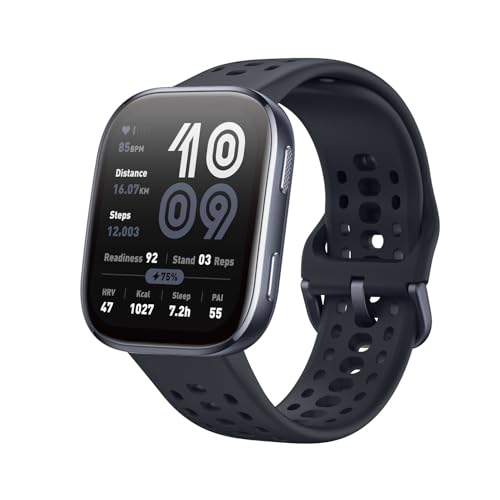
STYLISH DESIGN, VIBRANT DISPLAY: The lightweight aluminum build blends effortless style with workout durability, while the vivid 1.97″ AMOLED display keeps your data easy to read, even under bright sunlight….
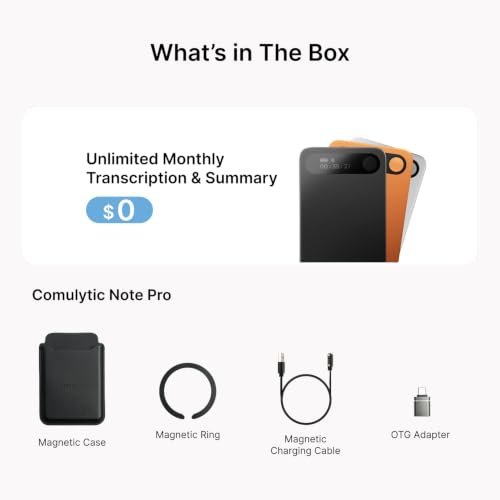
Comulytic Note Pro AI Voice Recorder

The Comulytic Note Pro is not a heart-rate monitor or sleep tracker. Instead, it supports health routines by recording talks, visits, classes, and personal reminders. Its AI note tools can help turn spoken words into a cleaner record that is easier to review later. That makes it useful for people who often leave a medical visit and remember only half of what they heard.
I see the most value here for caregivers, older adults, students, and busy patients who need better notes. A clear record may help you recall medicine names, care steps, and follow-up dates. It can also reduce the mental load of trying to write while listening. Always ask permission before recording, since consent laws differ by state and setting.
Pros:
- Helps capture spoken details during visits or meetings
- AI tools can make long recordings easier to review
- Useful for caregivers who track several care plans
- Small form factor suits desks, bags, and daily carry
- Can support better recall without constant note taking
- May help organize questions for a future appointment
Cons:
- It does not measure vital signs or diagnose illness
- Recording laws and consent rules require care
- AI transcripts may mishear medical terms or accents
My Recommendation
I recommend the Comulytic Note Pro for anyone who needs a better memory aid rather than a body sensor. It fits a patient who wants to review a doctor’s instructions, a family member helping with care, or a student learning health topics. It is not the right choice if your main goal is sleep, pulse, blood oxygen, or workout tracking. Among the Best AI Health Devices, this one stands apart because it improves health communication instead of measuring the body.
wepmous AI Smart Ring

The wepmous AI Smart Ring offers a low-key way to watch daily wellness trends. A ring can feel less distracting than a watch, and its small shape may suit people who do not want a bright screen on the wrist. Its health analysis tools are designed to help you view patterns such as sleep, activity, and other wellness signals. I like this style for users who want data in the background rather than alerts all day.
Ring fit matters more than many shoppers expect. A loose ring can move, while a tight ring can become uncomfortable during warm weather or exercise. AI summaries can help turn raw readings into simple ideas, but they should not replace a clinician’s advice. Think of this ring as a trend journal, not a medical test.
Pros:
- Light and discreet compared with many smartwatches
- Designed for all-day wellness tracking
- May help reveal links between sleep and daily habits
- No large watch face to distract you during work
- Works well for users who prefer a simple accessory
- AI analysis can make general data easier to understand
Cons:
- Correct sizing is vital for comfort and reliable readings
- Small devices may offer fewer controls than a watch
- Wellness insights are not the same as clinical results
My Recommendation
The wepmous ring is best for people who want quiet tracking of sleep and daily wellness. It may suit office workers, light exercisers, and users who dislike wearing a watch at night. I would choose it when comfort and a small design matter more than maps, calls, or a large display. For shoppers comparing the Best AI Health Devices, this ring offers an easy entry point into passive health tracking, provided you keep expectations realistic.
Amazfit Bip 6 Smart Watch

The Amazfit Bip 6 is the most practical pick here for people who want health features and smartwatch basics in one device. Its large AMOLED display should make steps, workout data, notifications, and other readings easy to view. Built-in GPS is useful for walks, runs, and bike rides when you do not want to carry a phone. It also works with both iOS and Android, which makes it flexible for many homes.
A watch gives you more active feedback than a ring. You can check a trend during a workout, set a goal, and see progress without opening your phone. The trade-off is a larger body and more screen time, so it may feel less restful at night than a plain ring. As with any wrist tracker, fit, skin contact, motion, and software updates can affect readings.
Pros:
- Large 1.97-inch AMOLED screen is easy to read
- Built-in GPS supports outdoor activity tracking
- Compatible with iOS and Android phones
- More useful for workouts than a screen-free ring
- Shows health and activity data at a quick glance
- Can serve as a daily watch and phone companion
Cons:
- Larger than a smart ring for sleep wear
- GPS and bright display can use more battery
- Smartwatch data should not guide urgent medical choices
My Recommendation
I recommend the Bip 6 for active users who want one affordable device for movement, GPS, and general wellness data. It is a strong match for walkers, runners, travelers, and anyone who wants a clear display. Choose it over a ring if you value on-screen feedback and workout tools. In a Best AI Health Devices comparison, the Bip 6 is the most versatile everyday option, though its AI insights remain wellness guidance rather than diagnosis.
Oura Ring 5 Silver

The Oura Ring 5 is built for people who care most about sleep, recovery, activity, and long-term wellness patterns. Its ring design keeps tracking subtle, while the app turns many signals into daily scores and suggestions. The listed battery life of up to one week reduces the need for daily charging. Its focus on sleep and recovery makes it different from a watch that constantly asks for your attention.
I value the Oura approach because it encourages trend watching instead of panic over one unusual number. A poor sleep score can prompt you to think about late meals, stress, alcohol, or a hard workout. Women may also find dedicated women’s health tools useful, but results can vary across users and life stages. Check the size before buying, and review any subscription terms that apply to the features you want.
Pros:
- Strong focus on sleep and recovery patterns
- Small ring design works well for overnight wear
- Up to one week of stated battery life is convenient
- AI Advisor can make personal trends easier to read
- Supports activity and women’s health features
- Available for Android and iOS users
Cons:
- Size 9 may not fit every shopper
- Buyers should check current membership requirements
- It lacks the live map and large screen of a watch
My Recommendation
The Oura Ring 5 is my top choice for sleep-first users. I would point it toward people who want to understand rest, recovery, stress, and daily readiness without wearing a watch. It is also a good fit for users who enjoy reviewing trends in an app instead of checking numbers all day. Of all the Best AI Health Devices in this guide, it offers the clearest wellness focus, but it remains a consumer tracker and not a replacement for medical care.
medicube Booster Pro X2 Beauty Device

The medicube Booster Pro X2 is a beauty and skin-care device, not a general health monitor. Its seven-in-one design aims to support at-home glow care, and the Booster Pro line is built around guided skin routines. The pink handheld body may appeal to shoppers who want a more active part of their self-care plan. I include it because skin care can be part of personal wellness, but it should not be confused with a diagnostic tool.
Consistent use matters more than a single session with devices like this. Clean skin, follow the directions, and avoid using a setting that causes pain or strong irritation. People with sensitive skin, implanted electronic devices, active skin problems, or a medical treatment plan should ask a qualified professional before use. Results can also depend on skin type, products, sun exposure, and routine.
Pros:
- Seven modes offer a broad at-home beauty routine
- Handheld design gives direct control over treatment areas
- May reduce the need for several separate beauty tools
- Fits users who enjoy structured skin-care sessions
- Pink finish gives the device a polished look
- Useful for self-care rather than passive tracking
Cons:
- It does not track sleep, pulse, or exercise
- Skin results may vary from person to person
- Users must follow safety and cleaning instructions closely
My Recommendation
The medicube Booster Pro X2 is best for a beauty-focused shopper who wants an active home skin-care tool. It may suit someone building a simple evening routine and willing to use the device with care. I would not buy it as a substitute for a health tracker or medical treatment. Within this list of Best AI Health Devices, it belongs in the personal wellness category, with value tied to regular use and realistic skin-care goals.
How I Evaluated the Best AI Health Devices
AI health gadgets can look impressive on a product page. Yet a long list of sensors does not always create a better daily tool. I look first at the job each product claims to do. A sleep ring, a fitness watch, a voice recorder, and a beauty tool need different tests.
I also review comfort because a device cannot help if it stays in a drawer. Battery life, fit, phone support, app clarity, and setup all shape real use. I favor products that make data easy to understand without using fear or bold medical claims. Good design should feel like a calm map, not a warning siren.
What AI Actually Does in a Health Device
In most consumer devices, AI looks for patterns in data. It may compare your recent sleep with your activity, sort notes from a recording, or offer a suggested routine. This can save time and turn a pile of numbers into a short summary.
AI does not make every reading correct. A watch may lose contact during a workout. A ring may fit poorly. A recorder may confuse a drug name with a common word. I treat AI advice as a prompt for better questions, not as a final medical answer.
Health Tracking Is Not Medical Diagnosis
This point matters. Consumer wearables can support awareness, but many are not cleared to diagnose disease. Even when a device has an FDA-cleared feature, that clearance may apply only to a specific function and use. Read the exact claim, not just the word “health” on the box.
If you have chest pain, trouble breathing, fainting, severe weakness, or another urgent symptom, contact emergency services. Do not wait for a ring or watch to confirm a problem. For ongoing concerns, share useful trends with your doctor and ask how they fit your care plan.
Privacy and Data Safety
Health data can be personal. Before pairing a device, check what the app collects, where it stores data, and whether you can delete your account. Use a strong password and update the app and firmware. Be careful when sharing screenshots that show your name, location, or detailed health history.
Voice recording needs extra care. Ask everyone involved for consent before you record. A medical office, workplace, school, or state may have its own rules. The safest habit is simple: explain the reason for the recording and stop if anyone objects.
Comfort, Fit, and Daily Use
Wearable accuracy often begins with fit. A watch should sit snugly without cutting into the skin. A ring should stay in place without causing numbness or swelling. Remove jewelry or wearables when the maker advises it, especially during skin irritation.
Think about your own habits. If you forget to charge devices, a longer battery may matter more than a bright display. If you dislike phone apps, choose a product with clear on-device controls. The Best AI Health Devices are not the same for every person because the best choice is the one you will use often.
Do You Need a Subscription?
Some health platforms place advanced trends, reports, or coaching behind a paid plan. The hardware may still work without a subscription, but the experience can change. Check the current terms before you buy, since prices and included features may change over time.
I suggest asking three questions. What works without a plan? What data disappears if I cancel? Can I export my information? These answers help you compare the true long-term cost instead of judging only the sale price.
Best for Table
| Best for | Why |
|---|---|
| Sleep and recovery | Oura Ring 5 offers a discreet design, long battery life, and a strong sleep focus. |
| Workouts and GPS | Amazfit Bip 6 gives active users a large display, GPS, and broad smartwatch use. |
| Health notes and self-care | Comulytic supports spoken notes, while medicube supports a structured skin-care routine. |
FAQs Of Best AI Health Devices
What are the Best AI Health Devices for most people?
For most users, the Amazfit Bip 6 offers the broadest daily mix of activity tracking, GPS, notifications, and a clear screen. Choose the Oura Ring 5 instead if sleep and recovery matter most. Your best pick depends on the data you will use and the device you will wear.
Can AI health devices diagnose medical conditions?
Usually, no. Most consumer devices provide wellness estimates and trends. They should not replace a doctor, lab test, prescription, or urgent medical care.
Are smart rings better than smartwatches?
Neither is always better. Smart rings are small and often comfortable for sleep. Smartwatches offer a screen, GPS, workout controls, and faster feedback. Pick the form that fits your routine.
How accurate are AI health trackers?
Accuracy varies by sensor, fit, movement, skin contact, software, and the feature being measured. Treat results as helpful trends. If a reading worries you, confirm it with a proper medical device or a health professional.
Should I share wearable data with my doctor?
You can share it when it helps explain a pattern, such as changes in sleep or activity. Bring dates, symptoms, and context, not just one unusual score. Ask your doctor how much weight to give the data.
Final Verdict: Which Should You Buy?
The Oura Ring 5 is my top pick for sleep and recovery, while the Amazfit Bip 6 is the best all-around watch. The Comulytic helps with care notes, the wepmous ring offers quiet tracking, and medicube suits skin care.
The Best AI Health Devices work best as simple tools for better habits. Choose the device that matches your goal, protect your data, and use medical advice when health concerns arise.

Similar Posts