5 Best Drawing Tablet: Top Picks For Every Artist
The best drawing tablet combines accurate pen control, a comfortable surface, useful shortcuts, and software that fits your creative work.
You may know the feeling: your ideas move faster than your mouse, but your laptop trackpad keeps turning smooth lines into shaky marks. A good drawing tablet fixes that gap. It gives your hand a natural place to draw, paint, sketch, edit photos, or write notes. I tested these options by looking at pen feel, screen quality, setup, portability, software support, and long-term value. This guide will help you find the Best Drawing Tablet for your skill level, budget, and daily creative tasks.

11″ Standalone Drawing Tablet, Portable…
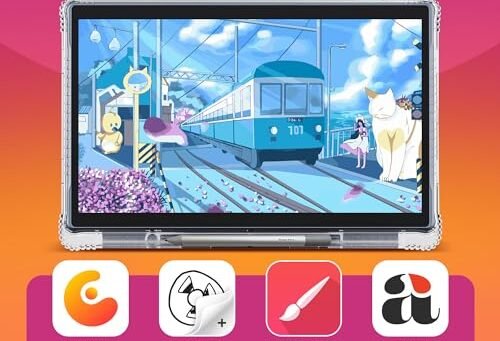
➡️ COMPACT STANDALONE DRAWING TABLET: Draw, design, animate, and learn on the larger, immersive PicassoTab X11 — a fully standalone tablet that needs no computer. Preloaded with 5 creative apps…

XPPen Artist 13.3 Pro 13.3″…
PLEASE NOTE:XPPen Artist13.3 Pro drawing tablet Need to connect with computer,you need to use it with your computer or laptop, the 3 in 1 cable is included Drawing Tablet with…

Wacom Intuos Small, Wired Graphic…
Wacom Intuos Small Graphics Drawing Tablet: Enjoy industry leading tablet performance in superior control and precision with Wacom’s EMR, battery free technology that feels like pen on paper Works With…
PicassoTab X11 Standalone Drawing Tablet

The PicassoTab X11 stands apart because it works as a standalone drawing tablet. You do not need to connect it to a Windows or Mac computer before you can sketch. That makes it useful for artists who like to draw on the sofa, at school, during travel, or in a quiet café. Its larger 11-inch format also gives you more room than a small phone or basic pen tablet.
I see this model as a simple bridge between a tablet computer and a traditional pen display. It is aimed at users who want a ready-to-use creative device rather than a desk-bound accessory. The portable design can also help younger artists and beginners avoid a complex setup. Before buying, check the current listing for storage, battery, included apps, and operating details, since package contents may change over time.
Pros:
- Works without a separate computer
- Portable 11-inch drawing format
- Good fit for travel and casual sketching
- More natural than drawing with a mouse
- Beginner-friendly standalone design
- Useful for notes, sketches, and simple digital art
Cons:
- May offer less power than a full computer setup
- Standalone battery life can limit long sessions
- Built-in software may not match every professional workflow
- Larger body may feel less compact than a small pen tablet
My Recommendation
I recommend the PicassoTab X11 for beginners, students, travel artists, and anyone who wants to draw without carrying a laptop. It is also a good choice for parents buying a first digital art device because the setup feels less intimidating. The main benefit is freedom: you can pick it up and start drawing without arranging a full desk. For a portable Best Drawing Tablet, this model offers a practical all-in-one approach.
Professional illustrators who depend on large files, advanced desktop apps, or a color-critical workflow may prefer a screen tablet connected to a powerful computer. Still, the X11 can be a strong value when convenience matters more than maximum performance. I would check the current Amazon bundle before ordering, especially if included accessories or software are important to you.
XPPen Artist 13.3 Pro Drawing Tablet
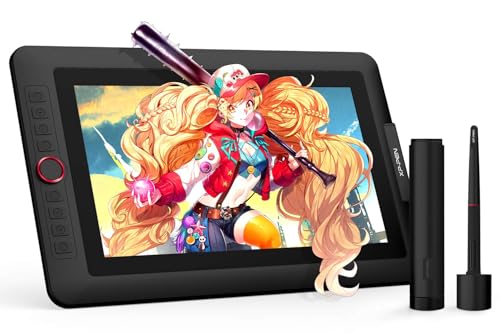
The XPPen Artist 13.3 Pro is a pen display for users who prefer to see the cursor beneath the pen. Its 13.3-inch screen gives you a comfortable working area without taking over your entire desk. The listed 16K pressure level specification suggests fine control for light strokes and firm lines. A full-laminated design can also help reduce the visible gap between the pen tip and the image.
This tablet suits digital painters, comic artists, illustrators, and photo editors who already use a computer. It provides a more direct drawing experience than a screenless tablet because your eyes stay on the artwork. The screen size feels like a useful middle ground: large enough for detail, yet easier to place beside a laptop or monitor. As with any pen display, you should confirm your computer ports, driver support, and preferred creative apps before purchase.
Pros:
- Built-in 13.3-inch drawing screen
- Direct hand-to-image workflow
- High listed pressure sensitivity for controlled strokes
- Full-laminated design can improve pen alignment
- Good size for illustration and comic work
- Suitable for popular desktop art programs
- More affordable than many large professional displays
Cons:
- Needs a compatible computer to operate
- Cables can make the desk less tidy
- Screen size may feel small for broad workspace layouts
- Color and brightness may need adjustment for serious print work
My Recommendation
I would choose the XPPen Artist 13.3 Pro for an artist who wants a screen tablet but does not need a huge display. It is especially appealing to students, freelancers, and hobby artists who work in Photoshop, Clip Studio Paint, Krita, or similar programs. The direct screen view reduces the learning curve that many people face with a screenless tablet. That makes it one of the most balanced choices in this Best Drawing Tablet review.
It is not a standalone device, so it is less useful for someone who wants to draw away from a computer. It also needs a suitable workspace and cable setup. If those limits do not bother you, the Artist 13.3 Pro offers a strong mix of size, pen control, and visual feedback. It remains a sensible pick when you want a capable screen tablet without moving to a very large professional model.
Wacom Intuos Small Drawing Tablet
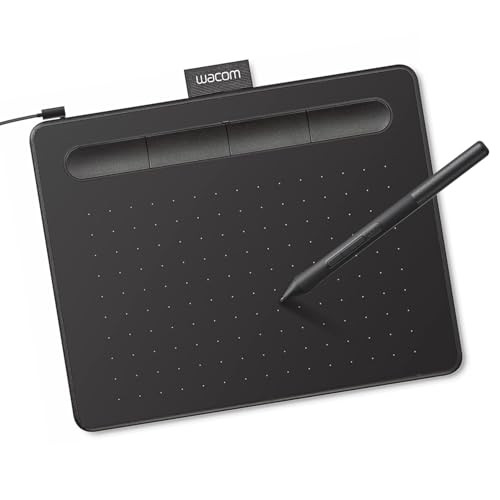
The Wacom Intuos Small is a compact, screenless drawing tablet with a long history in digital art. It connects to a computer and lets you draw while viewing the result on your monitor. This method takes a little practice, but many artists enjoy the clean desk space and low price. The small footprint also works well beside a keyboard, laptop, or second monitor.
Wacom includes a pressure-sensitive pen and software offers with this model, although available software can depend on the current bundle and registration terms. The tablet is simple, light, and easy to carry in a backpack. I find it especially useful for beginners who want to learn digital drawing without paying for a display. It can also serve experienced users who need a reliable tablet for photo retouching, signatures, diagrams, or quick edits.
Pros:
- Compact size fits small desks
- Usually easy for beginners to set up
- Pressure-sensitive pen supports natural line control
- Wacom has broad software and driver support
- Lightweight design travels well
- Useful for drawing, editing, and handwritten notes
- Included software can add value for new artists
Cons:
- No built-in screen
- Small work area may feel tight for large drawings
- Requires hand-eye adjustment for first-time users
- Wired use reduces portability compared with standalone models
My Recommendation
The Wacom Intuos Small is my top choice for a first drawing tablet when budget and desk space matter. It is a strong fit for students, beginners, casual artists, and photo editors. I also like it for users who want a trusted brand and a simple tool instead of a large screen. If you are unsure whether digital art will become a long-term hobby, this model lets you start with less risk.
Choose a larger tablet if you make broad arm movements or need room for detailed lettering. The small active area may also feel cramped if you use a high-resolution monitor. Even so, its low clutter, dependable pen control, and wide software support make the Intuos Small a practical Best Drawing Tablet for entry-level use. It gives you the core drawing experience without adding a large display to your desk.
HUION Kamvas 13 Gen 3 Drawing Tablet

The HUION Kamvas 13 Gen 3 brings a modern screen-tablet setup to a compact format. Its 13.3-inch display gives artists a direct view of every stroke, while the dual dial offers a quick way to adjust tools or zoom. That physical control can save time when you paint, shade, erase, or move around a large canvas. The black finish and portable body also suit a clean home or studio setup.
This model is made for users who want more control than a basic screenless tablet can provide. It can serve digital illustrators, design students, animators, and creators who work with a laptop or desktop. A screen tablet often feels more natural for sketching because the pen follows your hand on the image itself. Check the latest listing for the exact pen specification, included cables, and system requirements before placing an order.
Pros:
- 13.3-inch display offers direct drawing feedback
- Dual dial gives fast access to common controls
- Portable size works well with laptops
- Good fit for illustration, animation, and design study
- Screen format reduces the learning curve
- Physical controls can improve editing speed
- Modern option for artists upgrading from a basic tablet
Cons:
- Requires a computer and compatible connection
- More cables and setup than a screenless tablet
- 13.3 inches may not suit artists who need a large canvas
- Driver setup may require occasional troubleshooting
My Recommendation
I recommend the Kamvas 13 Gen 3 to artists who want a direct screen workflow and useful physical controls. It is a strong match for design students and hobby artists who want to grow into more advanced work. The dual dial is more than decoration; it gives your fingers a quick control point while your drawing hand stays focused. For many people, that makes the tablet feel faster and more engaging.
This is not the best match for someone who needs a no-computer device or a very wide screen. It also asks for more desk space than the Wacom Intuos Small. However, its screen, dial, and compact form create a well-rounded package. I would place it near the top of the Best Drawing Tablet list for users who want modern features at a mid-range size.
HUION Kamvas Pro 16 Drawing Tablet

The HUION Kamvas Pro 16 is built for artists who want a larger canvas and a more spacious working posture. Its 15.6-inch display gives your hand extra room for long strokes, detailed paintings, and layered design work. The listed 120% sRGB color coverage points toward a broad color range for digital projects. A touch bar can also provide quick access to zoom or other assigned controls.
I see this model as a strong choice for serious hobbyists, art students, and working creatives who spend many hours at a desk. The larger panel reduces the cramped feeling that can come with a small display. It also gives you more space for tool panels without covering as much of the artwork. Color coverage is not the same as perfect factory calibration, so artists preparing print work should still use a calibrated monitor and check the current specifications.
Pros:
- Large 15.6-inch drawing surface
- Broad listed 120% sRGB color coverage
- Touch bar offers fast control access
- Comfortable for detailed and long-form artwork
- Good workspace for painting and illustration
- Useful for creators who dislike small screens
- Professional-looking design at a competitive level
Cons:
- Needs a computer for operation
- Takes more desk space than a 13-inch model
- Less convenient for travel
- Extra display size may cost more than a basic pen tablet
- Color-critical users may need calibration
My Recommendation
The Kamvas Pro 16 is best for artists who want room to breathe. I would pick it for digital painters, comic artists, animators, and design students who work at a fixed desk. The larger screen helps when you use many layers, menus, and reference windows. It also feels closer to drawing on a sheet of paper than working on a very small panel.
Do not choose it only because a larger screen sounds impressive. Measure your desk, consider your monitor position, and make sure your computer can support the connection. If you draw often and value workspace over portability, the Pro 16 may be the most comfortable Best Drawing Tablet here. It offers strong value for users who want a roomy display without moving to an oversized studio monitor.
Wacom MovinkPad 11 Mobile Drawing Tablet

The Wacom MovinkPad 11 is designed for mobile creativity on Android. It includes a Wacom Pro Pen 3 and aims to give artists a familiar pen feel in a portable tablet format. The 11-inch size is easy to carry, yet it offers more room than a phone for sketching and notes. This makes it appealing to creators who want to capture ideas before they disappear.
Its Android approach gives it a different role from a standard computer pen tablet. You can use it for mobile sketching, study notes, planning, and creative work away from your main workstation. Wacom’s pen technology is a major reason to consider it, especially if pressure control and pen comfort matter to you. Because mobile apps and file workflows vary, review the current compatibility details before buying if you rely on a specific Android art app.
Pros:
- Portable Android-based creative format
- Includes the Wacom Pro Pen 3
- Useful for sketching away from a desk
- 11-inch size balances space and portability
- Good choice for notes, ideas, and mobile art
- Wacom pen feel appeals to experienced artists
- Less dependent on a Windows or Mac computer
Cons:
- Mobile app support may vary
- Not as flexible as a full desktop workstation
- Smaller screen than 13.3-inch and 15.6-inch displays
- Android file and software limits may affect advanced workflows
- Portable design may cost more than a basic wired tablet
My Recommendation
The MovinkPad 11 is best for mobile artists, students, travelers, and Wacom fans who want a creative tablet that fits into daily life. It is also useful for people who sketch during commutes or record ideas while away from a computer. The Pro Pen 3 gives it a more serious feel than a general tablet with a basic stylus. For mobile drawing, it is one of the most distinctive choices in this Best Drawing Tablet guide.
I would not buy it as a replacement for a powerful desktop setup if your work depends on complex files or specialized software. Instead, think of it as a portable sketchbook with more digital power. Its value is highest for people who draw in many places and want a smooth pen experience. Check app support and storage details before purchase so the mobile workflow matches your needs.
How I Choose the Best Drawing Tablet
A drawing tablet is not automatically good because it has a high pressure number or a bright screen. I look at the full experience. The pen should feel stable, the surface should give enough resistance, and the driver should work without constant repair. I also consider whether the tablet fits the way you really work, not the way a product box suggests you should work.
Screen Tablet or Screenless Tablet?
A screen tablet lets you draw directly on the image. This feels familiar and often helps new users learn faster. Models such as the XPPen Artist 13.3 Pro, HUION Kamvas 13 Gen 3, and Kamvas Pro 16 follow this design.
A screenless tablet places the drawing surface on your desk while the artwork appears on a monitor. The Wacom Intuos Small uses this method. It may feel strange for a few days, but it has real advantages. It costs less, takes less space, and lets your neck stay in a more neutral position because you can keep your main monitor at eye level.
The PicassoTab X11 and Wacom MovinkPad 11 offer a third path. They work more like mobile computers, so you can draw without a separate desktop or laptop. This is convenient, but mobile operating systems may not support every desktop tool. Think about your most-used apps before choosing.
Pressure Sensitivity and Pen Feel
Pressure sensitivity controls how line width or opacity changes as you press. More levels can help, but the number alone does not guarantee a better result. Pen response, tilt support, surface texture, and driver tuning matter just as much. A well-tuned pen with fewer advertised levels can feel better than a poorly tuned pen with a larger number.
I suggest testing light strokes, firm strokes, slow curves, and quick flicks. A good tablet should respond without forcing you to press hard. It should also avoid sudden jumps when you lift the pen. Artists with hand pain may prefer a pen that works with a light touch.
Active Area and Desk Space
Small tablets suit small desks and compact movements. They work well for photo edits, icons, notes, and casual sketches. Large tablets provide more room for shoulder movement and detailed art, but they need more space and often cost more.
A 13.3-inch screen is a useful middle size for many creators. A 15.6-inch screen feels more open for painting and animation. An 11-inch mobile tablet is easier to carry. I recommend measuring your desk before buying because a tablet that does not fit your space will soon become a drawer ornament.
Compatibility and Connections
Most computer drawing tablets need a USB connection and a compatible driver. Some may require an adapter, especially with newer laptops that use USB-C ports. Check the included cable type and your computer ports before ordering. A device can have excellent pen hardware and still cause frustration if your setup lacks the right connection.
Also check support for your operating system and art apps. Popular software often includes Photoshop, Illustrator, Clip Studio Paint, Krita, and other creative tools, but exact support can change. Mobile tablets need a separate check because Android versions and app features differ. Always confirm current compatibility on the manufacturer or retailer listing.
Display Quality
Artists should look at resolution, color range, brightness, viewing angle, and surface glare. A wide color range can help digital paintings look rich, but it does not replace calibration. Glossy screens may show more reflections near a window. A matte surface can reduce glare and add a paper-like feel, though it may slightly soften the image.
For most beginners, a clear screen with stable pen alignment matters more than chasing the highest resolution. Professionals working for print or brand projects should use a color-managed workflow. I also recommend placing the display at a comfortable angle to reduce wrist and neck strain during long sessions.
Shortcut Controls
Buttons, dials, and touch bars can speed up common actions. Undo, brush size, zoom, rotate, and pan are often used many times in one session. The HUION Kamvas models provide physical control options, while small tablets may use fewer buttons.
Shortcuts should support your habits, not distract you. If you always use keyboard commands, a simple tablet may be enough. If you like to keep one hand on the pen and one hand near the controls, a dial can feel like a small steering wheel for your canvas.
Software, Drivers, and Support
Drivers connect the pen to your operating system and creative apps. Good drivers let you set pressure curves, map buttons, change the active area, and switch displays. Keep drivers updated, but do not update right before a major deadline unless you have time to test them.
Brand support also matters. Wacom has a long history in pen input, while XPPen and HUION offer many competitive display options. I still judge each model on its own. A known brand does not make every product ideal for every user, and a lower-cost brand may offer the exact feature you need.
Best For Comparison
| Best for | Why |
|---|---|
| Beginners and small desks | Wacom Intuos Small offers simple pen control, compact size, and a lower entry cost. |
| Direct screen drawing | XPPen Artist 13.3 Pro and HUION Kamvas 13 Gen 3 show your artwork beneath the pen. |
| Portable creative work | PicassoTab X11 and Wacom MovinkPad 11 work away from a standard computer setup. |
Best Drawing Tablet Buying Tips for 2026
In 2026, buyers have more tablet choices than ever. That sounds helpful, but it can make the decision harder. I recommend starting with your workflow instead of the brand name. Ask where you draw, which apps you use, how much desk space you have, and whether you want to see the artwork on the tablet.
If you work at a desk and want the lowest cost, choose a screenless model. If you sketch for hours and want a natural view, choose a pen display. If you travel often, consider a standalone or Android model. These simple questions remove many poor matches before you compare technical numbers.
Do not overlook comfort. A tablet can have excellent specifications and still feel wrong if the pen is too heavy or the surface is too slick. Your wrist angle, chair height, screen angle, and shortcut placement affect the experience. I like to take short breaks and keep the pen grip relaxed, especially during long painting sessions.
Think about the full cost, too. A screen tablet may need a stand, extra cables, an adapter, and a computer. A screenless tablet may need a monitor. A standalone tablet may reduce accessory costs but offer less app freedom. The lowest product price is not always the lowest total cost.
Finally, check returns and warranty coverage. Pen nibs wear down, cables can fail, and drivers may need support. A seller with clear return terms gives you time to test pressure control and screen alignment. This matters more than a small difference in advertised specifications.
FAQs Of Best Drawing Tablet
What is the Best Drawing Tablet for beginners?
The Wacom Intuos Small is a strong beginner choice. It is compact, simple, and usually less costly than a screen tablet. If you want to draw directly on the image, consider the XPPen Artist 13.3 Pro instead.
Is a screen drawing tablet better than a screenless model?
Neither design is always better. A screen tablet feels more natural because you draw on the artwork. A screenless tablet costs less, takes less space, and can work very well after a short adjustment period.
Can I use these drawing tablets without a computer?
The PicassoTab X11 and Wacom MovinkPad 11 are designed for standalone or mobile use. The XPPen, Wacom Intuos, and HUION Kamvas models generally need a compatible computer. Confirm the current product details before buying.
What size drawing tablet should I buy?
A small tablet works well for notes, photo edits, and limited desk space. A 13.3-inch display suits many students and illustrators. Choose a 15.6-inch model if you want more room for painting, menus, and detailed work.
Do more pressure levels always mean a better pen?
No. Pressure response, tilt control, surface feel, and driver quality also matter. A well-tuned pen should create smooth light and dark strokes without requiring heavy pressure.
Final Verdict: Which Should You Buy?
For most artists, the HUION Kamvas 13 Gen 3 offers the best balance of screen size, direct control, and useful shortcuts. Beginners on a budget should choose the Wacom Intuos Small, while travelers may prefer the PicassoTab X11 or MovinkPad 11.
The Best Drawing Tablet is the one that fits your apps, space, and habits. Compare pen feel, connection needs, display size, and current bundle details before buying for the best long-term value.

Similar Posts