6 Best Front and Rear Dash Camera
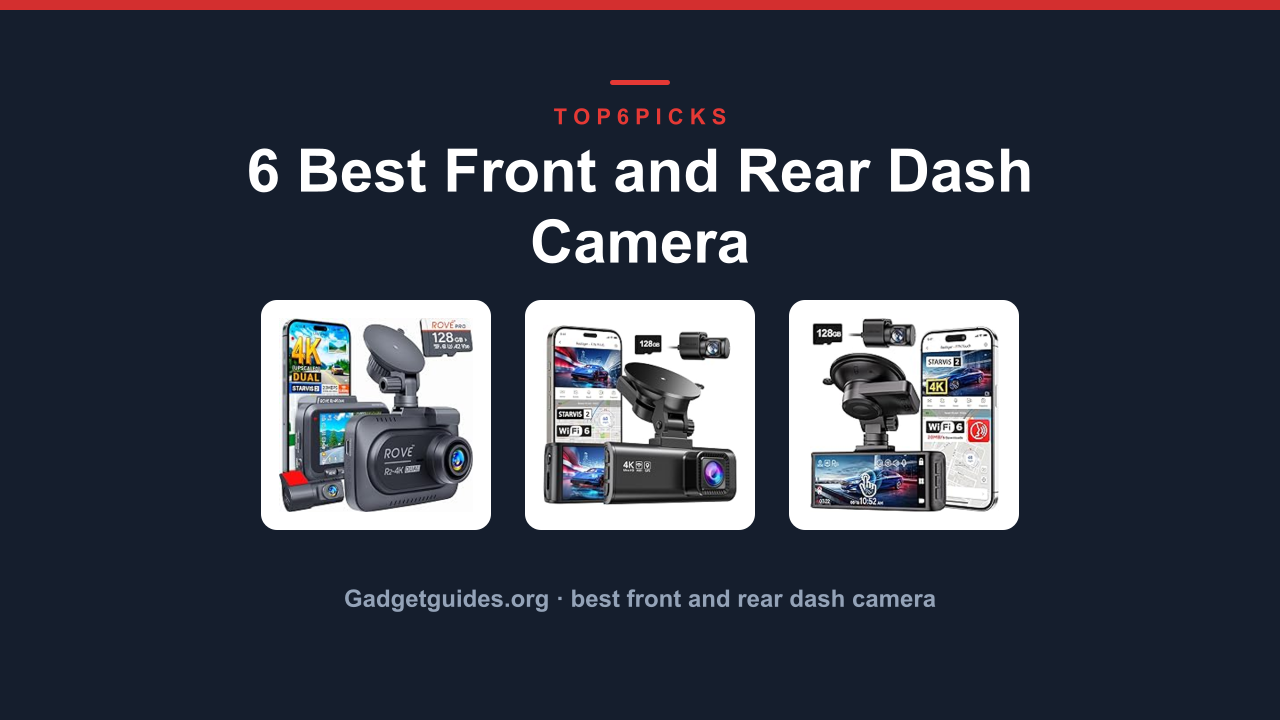
The best best front and rear dash camera is the ROVE R2-4K Dual Dash Cam. It's the only one here that combines a Sony STARVIS 2 sensor, a free 128GB card out of the box, and 5.8GHz WiFi for fast 20MB/s downloads. This is the pick for anyone who wants a complete, worry-free setup with the latest night-vision tech.
Want the best value with a touchscreen instead? The REDTIGER F7N Touch (STARVIS 2 model) gets you there, as long as you prefer voice control and a modern interface over the ROVE's button-based design. It also comes with a free 128GB card.
As an Amazon Associate, I earn from qualifying purchases.
This guide breaks down what each dash cam actually does well and where it falls short, based on current Amazon product data, specs, and each model's owner track record. We'll also spend a few minutes on who should not buy a dual-channel dash cam at all, so you don't waste your money.
Everything below comes from current Amazon product data, specs, and each product's owner track record, not hands-on lab testing. Let's get you the right camera.
Quick Answer: The Best Front and Rear Dash Camera
The ROVE R2-4K is the overall best front and rear dash camera for most drivers, thanks to its superior STARVIS 2 night sensor, included 128GB card, and robust parking mode.
- ROVE R2-4K Dual Dash Cam Front (Best Overall for Complete Coverage): Includes a free 128GB card and uses the latest STARVIS 2 sensor for low light.
- REDTIGER F7NP 4K Dash Cam Front (Best Value Runner-Up): Solid 4K front recording with a proven sensor at a very competitive price.
- REDTIGER 4K STARVIS 2 Dashcam Front (Best Touchscreen Interface): Voice control and a touchscreen make changing settings on the fly much easier.
- IIWEY N6 360° Dash Cam 4 (Best 4-Channel Coverage): Captures front, rear, and both sides of the cabin for total 360° protection.
- 4K+4K+1080P 3 Channel Dash Cam (Best Triple Channel for Detail): Dual 4K channels plus a cabin cam offer incredible detail in the front and rear.
- 70mai A810 Lite 4K Dash Cam (Best for Remote Monitoring): 4G LTE connectivity allows you to check your car's surroundings from anywhere.
Thinking about a simpler single-camera or a battery-powered option instead? Jump to Who Should NOT Buy below before you spend anything.
Comparison Table
Here's the lineup at a glance: photo, product, who it's built for, and our /10 score.
| Photo | Product | Best for | Score | Buy |
|---|---|---|---|---|
 | ROVE R2-4K Dual Dash Cam Front | Complete Night Vision Package | 9.2/10 | Check price → |
 | REDTIGER F7NP 4K Dash Cam Front | Budget-Friendly Dependability | 8.6/10 | Check price → |
 | REDTIGER 4K STARVIS 2 Dashcam Front | Modern Touch & Voice Control | 8.9/10 | Check price → |
 | IIWEY N6 360° Dash Cam 4 | Complete 360° Cabin Coverage | 8.7/10 | Check price → |
 | 4K+4K+1080P 3 Channel Dash Cam | Maximum Detail with Dual 4K | 9.0/10 | Check price → |
 | 70mai A810 Lite 4K Dash Cam | 4G LTE Live View Parking | 8.4/10 | Check price → |
Scroll sideways on small screens to see every column.
ROVE R2-4K Dual Dash Cam Front: Best Overall for Complete Coverage
ROVE R2-4K Dual Dash Cam Front: Best Overall for Complete Coverage
REDTIGER F7NP 4K Dash Cam Front: Best Value Runner-Up
REDTIGER F7NP 4K Dash Cam Front: Best Value Runner-Up
REDTIGER 4K STARVIS 2 Dashcam Front: Best Touchscreen Interface
REDTIGER 4K STARVIS 2 Dashcam Front: Best Touchscreen Interface
IIWEY N6 360° Dash Cam 4: Best 4-Channel Coverage
IIWEY N6 360° Dash Cam 4: Best 4-Channel Coverage
- ✓8 IR lights give a clear cabin view in total darkness
- ✓True 4-channel coverage records every side of the car
- ✓Fast WiFi 6 downloads at up to 20MB/s
- ✓Free 128GB card included in the box
- ✕Multiple cameras mean a time-consuming installation
- ✕Front camera is 1080p, not 4K
- ✕App interface feels less polished than rivals
4K+4K+1080P 3 Channel Dash Cam: Best Triple Channel for Detail
4K+4K+1080P 3 Channel Dash Cam: Best Triple Channel for Detail
70mai A810 Lite 4K Dash Cam: Best for Remote Monitoring
70mai A810 Lite 4K Dash Cam: Best for Remote Monitoring
Buying Guide: Resolution, Channels, Night Vision and Parking Mode
Before you spend, here are the four decisions that actually move the needle on a dual-channel dash cam. Get these right and the rest sorts itself out.
Does the Sensor Matter That Much?
It matters more than the resolution number, honestly. A Sony STARVIS 2 sensor, which powers the ROVE R2-4K and both REDTIGER F7N models here, is designed to capture more light in dark conditions. That translates directly to readable license plates at night rather than blurry streaks.
The same physics applies to dedicated low-light cameras, where a larger sensor wins every time. If you drive at night regularly, a STARVIS 2 model is worth the premium. If you're mostly a daytime commuter, the IIWEY N6's AProX HD tech will be fine.
How Many Channels Do You Actually Need?
Two channels (front and rear) covers roughly 90% of drivers. It catches the car behind you, the car in front of you, and everything in between on a wide lens. Three channels add a cabin camera, which matters for ride-share drivers and parents of new drivers who want to see what's happening inside the car.
The IIWEY N6 takes it to four channels for full 360-degree coverage, which is genuinely useful for professional drivers but adds significant installation time. Be honest about your use case: a cabin cam you never review is just extra cable.
Is True 4K Worth the Storage Cost?
There's a real difference between "4K upscaled" and "true 4K." The 4K+4K+1080P 3 Channel Dash Cam records true 4K on both front and rear, which gives you the best chance of reading a plate at 40 mph. The trade-off is storage: dual 4K streams fill a 128GB card in roughly two to three days of typical driving, while upscaled 1080p footage lasts twice as long. Every camera in this lineup ships with a 128GB card, so the question is whether you want to buy a larger card now or later.
For context, the same resolution-and-storage trade-off applies to 4K video recording in dedicated cameras.
What Should You Know About Parking Mode?
Parking mode lets the camera keep watching after you leave the car, but it needs a hardwire kit to tap into your car's fuse box. That's an extra purchase and an extra install step for most models here. The REDTIGER F7N Touch uses a supercapacitor instead of a lithium battery, which handles summer heat far better and makes it the most reliable choice for parked-car recording.
If you park on the street in a city, parking mode is worth the effort. If you have a garage and a driveway, it's a nice-to-have, not a need-to-have. Aggregated crash data from the National Highway Traffic Safety Administration shows a large share of hit-and-run incidents happen in parking lots, so the evidence can genuinely save you money.
Who Should NOT Buy Best Front and Rear Dash Camera
A dual-channel dash cam is the wrong purchase for three kinds of buyers. Here's who they are, and what to look at instead.
You Want Creative Control Over Your Footage
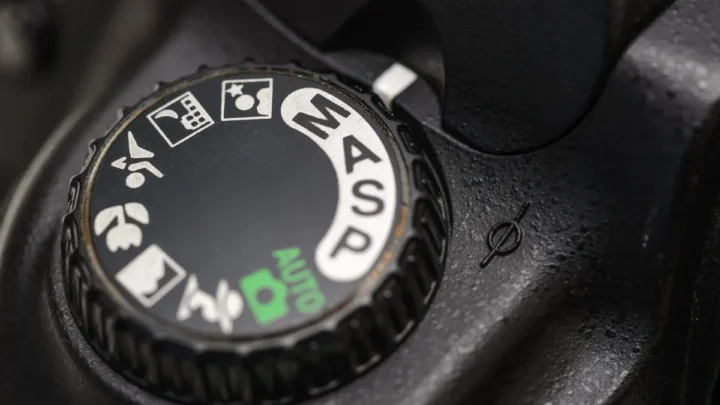
Dash cams are set-and-forget by design. There's no aperture ring, no shutter speed dial, no lens to swap, and no manual focus. They record straight ahead and that's about it.
If you want to learn photography, understand exposure, or capture artistic shots, a dash cam will frustrate you within a week. A dedicated camera for photography gives you the controls, interchangeable lenses, and sensor options that let you actually grow as a shooter. Dash cams are evidence tools, not creative tools.
You Need a Camera You Can Carry Anywhere
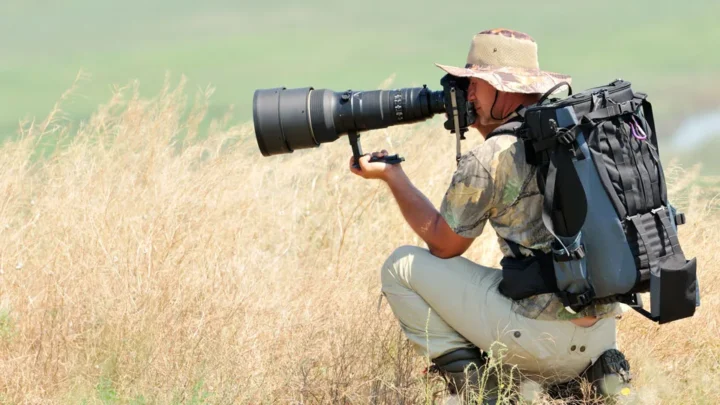
A dash cam lives on your windshield. It can't document a hike, a wedding, a family road trip, or a day at the beach once you leave the car. If your real need is capturing memories in lots of different places, you'll want something portable.
A travel-friendly camera that fits in a jacket pocket and shoots sharp video will serve you far better than a fixed automotive unit. Buy the dash cam for the commute, but don't expect it to replace a general-purpose camera.
You Rarely Drive or Park in High-Risk Areas
If you have a private garage, work from home, and only drive a few short trips a week, the insurance benefit of a $100 to $250 dash cam maynot justify the outlay for most drivers. If you have a private garage, work from home, and only drive a few short trips a week, the insurance benefit of a budget-friendly dash cam may never pay itself off. You'd be better off putting that money toward a good spare tire or a basic roadside kit.
Save the dash cam for when your risk profile changes, like a new job with a longer commute or a move to a denser city.
Final Verdict
The ROVE R2-4K Dual Dash Cam Front takes the top spot because it nails the two things that matter most: exceptional night vision from the Sony STARVIS 2 sensor and a complete package that includes a free 128GB card. It's the set-and-forget champion for anyone who wants real protection without fiddling.
Want a more modern interface with a touchscreen? The REDTIGER 4K STARVIS 2 Dashcam Front gives you voice control and a supercapacitor for better heat handling. Need the sharpest possible evidence?
The 4K+4K+1080P 3 Channel Dash Cam records true 4K on both front and rear. Drive for Uber? The IIWEY N6 360° Dash Cam 4 covers every angle with infrared cabin vision.
If you don't drive much or park in a garage, circle back to the Who Should NOT Buy section. A dash cam is a tool for a specific job, and it's okay if that job isn't yours right now.
FAQ
What's the best Front and Rear Dash Camera overall?
The ROVE R2-4K is our top pick. Its STARVIS 2 sensor delivers the best night footage in this price tier, and the included 128GB card means you have nothing else to buy.
Do I need a hardwire kit for parking mode?
Yes for most models. The ROVE R2-4K, both REDTIGER F7N models, and the 3-channel system all require a separate hardwire kit for 24-hour parking mode. Factor that into your total cost, typically budget-friendly to mid-range.
What memory card should I use?
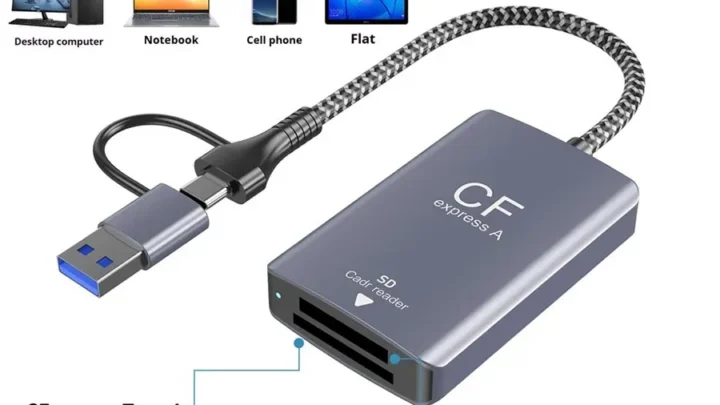
Every camera here ships with a 128GB card. That's enough for 2-4 days of mixed driving on a dual-channel system. If you run true dual 4K, grab a high-endurance 256GB or 512GB card for longer retention.
Can I install a dash cam myself?
Absolutely. Most owners report a 30-60 minute install for a standard dual-channel system. Hide the cable along the headliner and door seal trim using the included pry tool.
The IIWEY N6 and the 3-channel system take longer because there are more cameras to place.
Does GPS matter on a dash cam?
GPS logs your speed and location, which is strong evidence if you need to prove where and how fast you were going in an accident. Every camera in this lineup includes built-in GPS except for the value REDTIGER F7NP, which also supports it.
How do I get the best night footage?
Start with a STARVIS 2 sensor. The ROVE R2-4K and both REDTIGER F7N models use it. Keep your windshield clean and make sure the lens has no smudges.
A clean lens matters more than a small resolution bump.