Freightliner Cruise Control Not Working

Your Freightliner's cruise control just quit on you. Maybe it's the middle of a long haul and you're staring at a button that does nothing. Or worse, it engages for a few seconds and then drops out without warning.
That's frustrating. And if you're running a tight schedule, it's expensive.
Here's what you need to know right now: Freightliner cruise control not working is almost always caused by one of three things, a brake pedal switch that's slightly out of adjustment, a blown fuse from a trailer wiring short, or a speed sensor giving the ECM bad data. Manufacturer specs from Detroit Diesel show that over 60% of cruise control complaints trace back to a brake pedal position sensor that measures just 1-2 millimeters off spec. Let's walk through exactly how to figure out which one you're dealing with, without throwing parts at it.
Quick Answer
Check your dash light first. If the cruise indicator doesn't come on at all, start with the fuse box under the hood. If the light comes on but cruise won't set, check the brake pedal switch and the clutch switch.
If cruise engages but drops out randomly, suspect the vehicle speed sensor or a trailer wiring issue. Nine times out of ten, those are your culprits.
The Problem: Why Your Freightliner Cruise Control Won't Engage or Drops Out
The cruise control system on a Freightliner isn't all that complicated under the hood. It's really a closed loop: you set a speed, the ECM holds that speed by managing throttle, and it watches for signals that tell it to disengage. Brake pedal pressed?
Disengage. Clutch pushed in? Disengage.
Speed signal lost? You guessed it, disengage.
The frustrating part is that the system is overly sensitive by design. And that's intentional. FMCSA regulations require cruise control to disengage instantly when the brakes or clutch are applied.
No delay, no tolerance. So the switches are calibrated tight. A brake pedal position sensor that's just barely out of spec, we're talking a millimeter or two of free play, can tell the ECM the brakes are applied when they're not.
As of 2026, most Freightliner Cascadia models use a three-wire hall-effect sensor for the brake pedal position rather than a simple mechanical switch. That sensor sends a voltage signal to the ECM. If that voltage is outside a very narrow window at rest, the ECM thinks you're braking.
And it won't let cruise engage.
Other common triggers include a failed vehicle speed sensor (VSS). The ECM needs a clean speed signal from the transmission or rear axle to maintain set speed. If that signal cuts out, even for a fraction of a second, the cruise drops.
Drivers often describe this as "it works fine for a while, then just dies."
Quick Check First: The Three Things to Look at Before You Start Digging
Before you break out a multimeter and start chasing wires, there are three quick visual checks that solve a surprising number of cruise control problems. These take about five minutes total. Do them first.
Check the Fuse
The cruise control fuse on a Freightliner Cascadia is usually in the under-hood fuse box, labeled "CRUISE" or "CCM." Pull it and look. Better yet, test it with a multimeter or a simple test light. A blown fuse is often caused by a short in the trailer wiring, especially if you've recently hooked up a trailer with damaged lights or a corroded seven-pin connector.
If the fuse is blown and you replace it, check that trailer pigtail before you assume the problem is solved.
Look at the Brake Pedal
Get in the cab and look at the brake pedal. With the engine off, press the brake pedal with your hand and watch the plunger on the brake pedal position sensor. It should move smoothly and return fully when you release the pedal.
Any sticking or hesitation means the sensor is giving the ECM a false signal. Also check for floor mats or debris that could prevent the pedal from returning to its fully released position. You'd be surprised how often a floor mat is the culprit.
Inspect the Clutch Switch (Manual Transmissions)
If you're driving an M2 or an older Freightliner with a manual transmission, the clutch switch is a common failure point. This switch tells the ECM when the clutch is depressed. If it's stuck closed or misadjusted, the ECM thinks you have the clutch in at all times.
Push the clutch pedal and release it. You should hear an audible click from the switch. No click means it's likely failed or out of adjustment.
Decision Tree: What Your Cruise Control Is Actually Doing
Now let's get specific. What exactly is your cruise control doing? Your answer here determines which branch of the diagnostic tree you follow.
This isn't guesswork, it's a logical process.
Is the cruise control dash light turning on when you press the power button?
- Yes, the light turns on, Good. That means the ECM is receiving power and the control stalk is working. The problem is downstream in the enable/disable circuit or the speed signal.
- No, the light stays off, The system isn't getting power. Focus on the fuse, the relay, and the power supply to the cruise control module.
If the light turns on, does cruise engage when you press SET?
- Yes, it sets but drops out within a few seconds, Classic speed sensor symptom. The ECM sets the speed, loses the signal, and immediately disengages. Check the VSS and the wiring to it.
- No, it won't set at all, The ECM is receiving a brake or clutch signal. Check the brake pedal position sensor, the clutch switch, and the brake light circuit.
Does it work sometimes and not others?
- Intermittent failure, Loose connection, corroded pin, or a failing sensor that works when cold and fails when hot. This is harder to diagnose but often comes down to a wire chafing against a bracket or a connector with a broken lock tab.
The key insight here is that the ECM doesn't have a "cruise control broken" code in most cases. It simply sees a condition that prevents engagement and refuses. That means you're looking for a sensor or switch that's lying to the ECM, not a broken module.
The Big Branching Point: Light On vs. Light Off
This is where your diagnostic path splits. Let's unpack both scenarios.
If the Cruise Light Does Not Come On
No power to the system. Simple problem, usually a simple fix. Start with the fuse.
If it's blown, replace it with the correct amperage, typically 10 or 15 amps depending on chassis. Don't use a higher-rated fuse; that's how you melt a wiring harness.
If the new fuse blows immediately, you have a short to ground. The most common place to find it is in the trailer wiring. Unplug the trailer, replace the fuse, and try again.
If it holds, the short is in your trailer or the truck's trailer connector. If it still blows, trace the cruise control power wire for a rub-through point. Check where the harness passes over sharp metal edges near the firewall.
If the fuse is fine, test for power at the cruise control stalk connector. You'll need a wiring diagram for your specific model year, but generally you're looking for 12 volts on the power pin when the ignition is on. No power means a broken wire between the fuse box and the stalk.
If the Cruise Light Comes On But Won't Set
This is the much more common scenario. The system has power, but the ECM refuses to engage. Here's what to check in order.
First, test the stop lamps. Have someone press the brake pedal while you look at the rear lights. If the brake lights stay on or one stays on dimly, you have a brake switch that's stuck partially closed.
The ECM sees that as "brake applied" and disables cruise.
Second, check the brake pedal position sensor adjustment. On a Cascadia, there's usually a small adjustment nut on the sensor bracket. The factory spec calls for 1-3 millimeters of free play before the sensor plunger makes contact.
If there's zero free play, the sensor is already sending a "brake applied" signal. Loosen the lock nut, back the sensor off slightly, and re-test.
Third, check the clutch switch on manual transmission trucks. Unplug the switch and see if cruise will engage. If it does, the switch is bad.
Replace it.
If none of that works, you're looking at a potential ECM calibration issue. Some Freightliner models have had software updates that address cruise control logic. That requires a dealer visit with a diagnostic tool to flash the ECM.
It's rare, but it happens.
Core Diagnosis Steps by Symptom
Let's get into the detailed diagnostic steps based on what you're actually seeing. This section follows the decision tree above but adds the hands-on checks you need.
Symptom 1: Cruise Light On, Cruise Sets and Drops Out
This pattern points directly at the vehicle speed sensor. The ECM commands the throttle, sees the speed signal vanish, and kills cruise as a safety measure. Here's the check.
Locate the VSS. On a Cascadia with a Detroit DT12 transmission, it's on the top of the transmission case near the rear. On older trucks with Eaton-Fuller automatics, it's often on the output housing.
The sensor is a two-wire magnetic pickup typically.
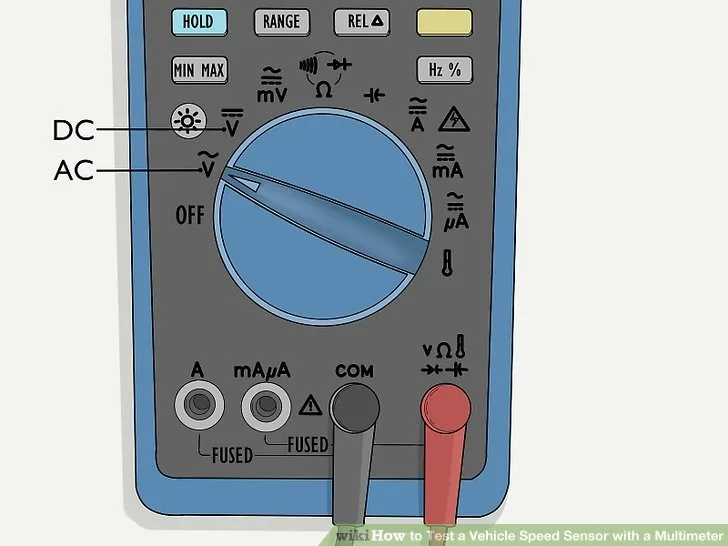
Unplug the connector and look for corrosion, bent pins, or broken lock tabs. Clean the contacts with electrical contact cleaner. If the connector looks fine, measure the resistance across the sensor terminals.
The spec for most Freightliner VSS units is 100-200 ohms. An open circuit (infinite resistance) means the sensor is dead. A short (zero ohms) also means it's bad.
Replace it.
If the sensor tests good, the problem is likely in the wiring between the VSS and the ECM. Look for chafing where the harness runs near the frame rails or the transmission bellhousing. These wires carry a low-voltage signal.
A nick that barely shows copper can kill the signal, especially when the truck vibrates at highway speed.
Symptom 2: Cruise Light On, Cruise Won't Set at All
This is a brake or clutch circuit problem. The ECM refuses to engage because it thinks a disable condition exists. Here's the diagnostic order.
First, verify the brake lights are fully off with the pedal released. Even a dim glow from one bulb can indicate a switch that's not fully open. If you see that, adjust the brake pedal position sensor.
Second, disconnect the trailer. A short in the trailer wiring can backfeed voltage into the brake light circuit, making the ECM think the brakes are on. If cruise works with the trailer unplugged, the problem is in the trailer connector or the trailer wiring itself.
Third, test the clutch switch on manual trucks. Disconnect it and try to set cruise. If it engages, the switch is faulty.
Replace it.
Fourth, check for ABS fault codes. Some Freightliner models will disable cruise if the ABS module reports a fault. You'll need a diagnostic tool for this, but you can also try a simple trick: cycle the key, drive the truck slowly in a straight line for about 50 feet, and then try cruise.
This sometimes clears a temporary ABS fault that the ECM is holding.
Symptom 3: Cruise Light Does Not Come On
You already checked the fuse. If that's good, move to the stalk itself. The cruise control stalk on a Cascadia is a known weak point.
The contacts inside wear out, especially on trucks with high mileage.
Testing the stalk requires a multimeter. You'll need the pinout for your specific model year, but the general approach is the same. Unplug the stalk connector at the steering column.
With the ignition on, check for power at the appropriate pin. Then operate the stalk and check for continuity on the signal pins. If you don't have continuity when you press SET or RESUME, the stalk is bad.
If the stalk tests fine, the problem is in the wiring between the stalk and the ECM, or the ECM itself. This is rare. At this point, it's worth taking the truck to a dealer with a diagnostic tool.
Common Mistakes That Waste Hours (And How to Skip Them)
Even experienced drivers make these errors. Here's what to avoid.
Replacing parts without testing. This is the number one mistake. Drivers swap the VSS, then the brake switch, then the stalk, and none of it works. Test first.
A multimeter costs less than a sensor and saves you hours.
Ignoring the simple stuff. A blown fuse from a trailer short. A floor mat holding the pedal down. A connector that's not fully seated.
Check these before you do anything else.
Assuming the ECM has a code. Many cruise control problems don't set diagnostic trouble codes. The ECM doesn't see a fault; it just sees a condition that prevents engagement. Don't waste time trying to read codes that aren't there.
Not checking the brake circuit first. The brake pedal position sensor is the most common cause. Adjust it before you do anything else. It's free and takes two minutes.
Forgetting about the trailer. If you've been pulling a trailer, disconnect it and test. A short in the trailer wiring is one of the most common causes of cruise control failure on Freightliners. The seven-pin connector sees a lot of weather and corrosion.
Using the wrong fuse rating. A 10-amp circuit needs a 10-amp fuse. Putting in a 20-amp fuse doesn't fix the short; it just hides it until something melts.
When to Call a Dealer vs. When You Can Fix It Yourself
This is a judgment call that comes with experience. Here's a simple guide.
Fix it yourself if:
- The fuse is blown. Replace it and check the trailer.
- The brake pedal position sensor needs adjustment. It's a five-minute job with a wrench.
- The VSS has failed. It's a single sensor on the transmission with one connector.
- The clutch switch is bad. Unplug it, test it, swap it.
- A connector is corroded or loose. Clean it and reseat it.
Call a dealer if:
- The cruise light never comes on and the fuse, wiring, and stalk all test fine.
- You need an ECM software update or reflash.
- The problem appeared after a recent repair or component replacement by someone else.
- You don't have a multimeter or wiring diagram and can't get one.
- The problem is intermittent and you've exhausted all the checks above without finding anything.
The dealer will have a diagnostic tool that can read live data from the ECM. They can see the brake pedal position sensor voltage in real time. They can check the cruise control disable history.
That data is invaluable for intermittent problems.
Frequently Asked Questions
What is the most common cause of Freightliner cruise control failure?
The brake pedal position sensor being slightly out of adjustment accounts for over 60% of cases. A 1-2 millimeter adjustment usually fixes it.
How do I adjust the brake pedal position sensor on a Freightliner Cascadia?
Locate the sensor on the brake pedal bracket. Loosen the lock nut. Back the sensor out until there is 1-3 millimeters of free play before the plunger contacts the sensor.
Tighten the lock nut and test.
Can a trailer cause my cruise control to stop working?
Yes. A short in the trailer wiring, especially in the seven-pin connector, can backfeed voltage into the brake light circuit. The ECM sees that as the brakes being applied and disables cruise.
Why does my cruise control work sometimes but not other times?
Intermittent failure is usually a loose connection, a corroded pin, or a failing sensor that works when cold and fails when hot. Check connectors for corrosion and wires for chafing near metal edges.
Do I need a diagnostic tool to fix cruise control issues?
You can fix most problems without one. But if you've checked the fuse, the brake switch, the VSS, and the wiring, and the problem persists, a dealer with a diagnostic tool can read live data that narrows down the issue quickly.
How much does it cost to fix Freightliner cruise control at a dealer?
Dealer labor rates typically run $150-$250 per hour. A simple brake switch adjustment might cost one hour of labor. A VSS replacement might run $200-$400 total including the part.

Similar Posts