Glacier Bay Toilet Troubleshooting
Your Glacier Bay toilet is acting up. Maybe it runs and runs. Maybe it won't flush at all.
Maybe you hear water trickling when nobody touched the handle. Whatever the symptom, Glacier Bay toilet troubleshooting doesn't have to mean calling a plumber.
Most problems come down to four or five common parts. The fill valve. The flapper.
The chain. The water level. And sometimes the wax ring at the floor.
Per WaterSense testing criteria, a 1.28 GPF model must clear 350 grams of waste in one flush. Most Glacier Bay toilets meet this standard. When yours doesn't, the fix is usually simple and costs under $20.
Let's walk through each symptom so you can diagnose yours in about ten minutes.
Quick Answer
To troubleshoot a Glacier Bay toilet, start with the symptom. Toilet runs? Replace the flapper or adjust the chain.
Weak flush? Raise the water level or clean the jet holes. Won't flush at all?
Check the handle and lift chain. Leak at the base? Replace the wax ring.
Almost all fixes use basic tools and cost under $30.
Image source: Bing (Web (fair-use with source credit))
How to Diagnose Your Glacier Bay Toilet Problem
Step one: listen. A running toilet makes a hissing or trickling sound. A ghost flush (random self-flush) means water is slowly leaking past the flapper. A weak flush sounds anemic, like it barely clears the bowl.
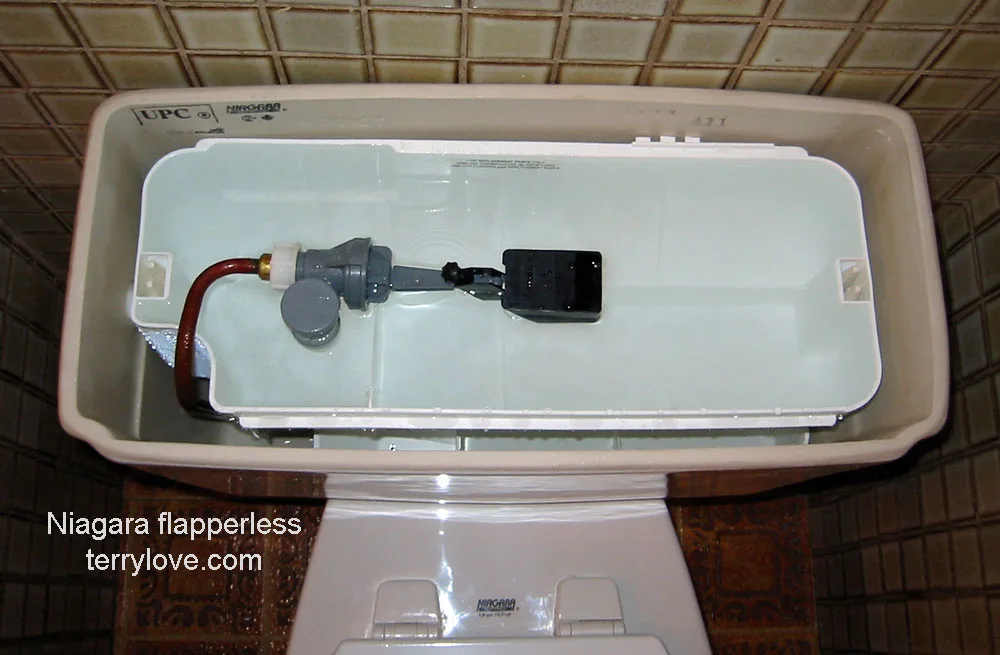
Step two: lift the lid. Look inside the tank while it's not actively flushing. The water level should sit about half an inch below the top of the overflow tube. If it's higher, water spills into the tube and keeps running.
If it's lower, you lose flush power.
Step three: test the handle. Push it down firmly. Does the flapper lift all the way? Does it fall back evenly?
If the handle feels loose or the chain is too long, you'll get no flush or a half flush.
Step four: check for leaks. Wipe the floor around the base with a dry paper towel. If it's wet, you have a wax ring issue or condensation. If the floor is dry but you smell sewage, the wax ring may be failing without visible water.
Once you've done those four checks, you'll know which path to follow. The table below matches symptoms to the most likely cause.
| Symptom | Most Likely Culprit |
|---|---|
| Toilet runs constantly | Flapper not sealing, or fill valve stuck open |
| Random ghost flush | Flapper slowly leaking |
| Weak / partial flush | Low water level, clogged jet holes, or chain too tight |
| Won't flush at all | Handle broken, chain disconnected, or fill valve dead |
| Water at base | Wax ring failed, or condensation (if tank sweats) |
Toilet Runs or Ghost Flushes? Fix the Fill Valve, Flapper, or Chain
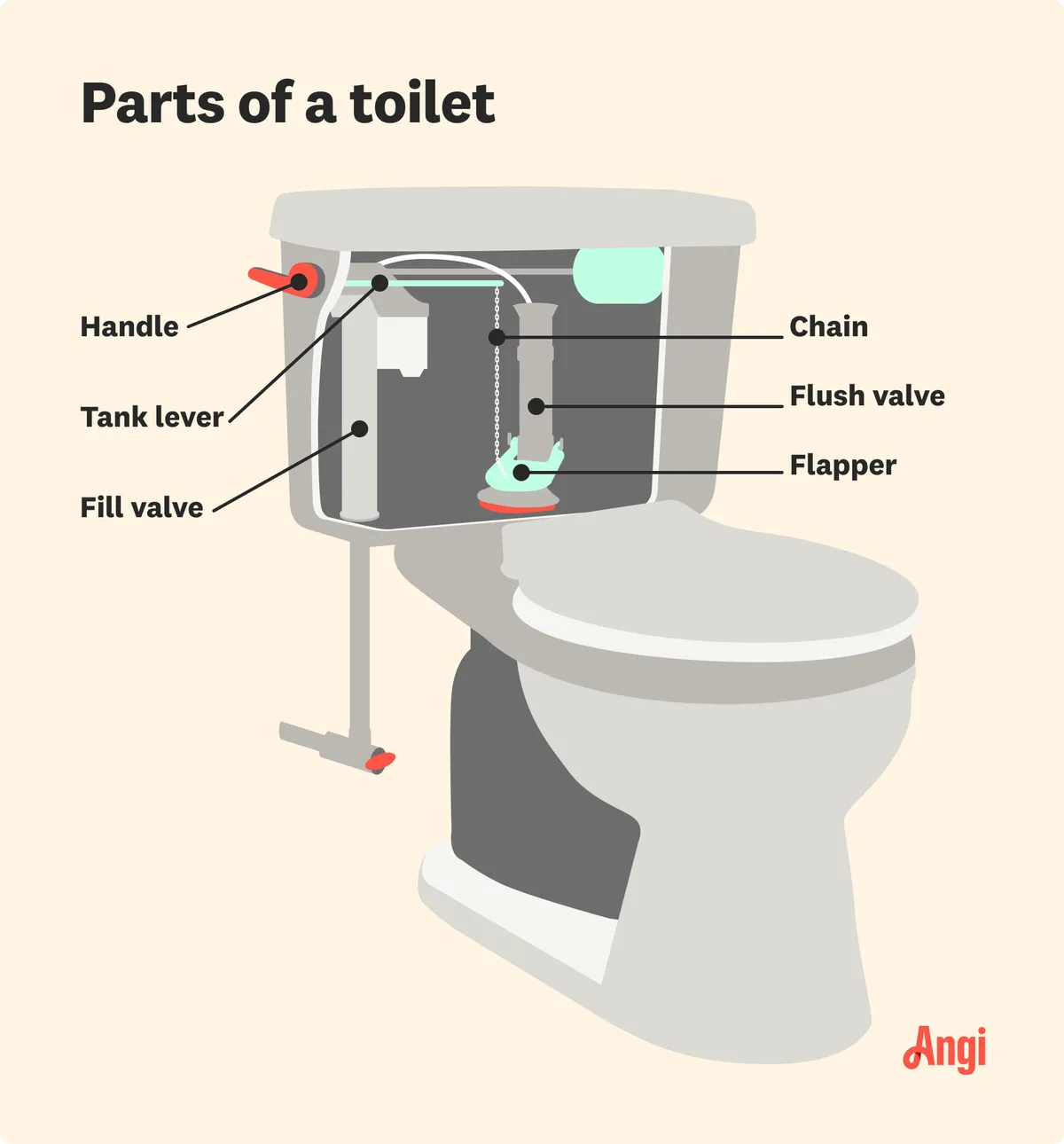
Image source: Bing (Web (fair-use with source credit))
If your Glacier Bay toilet runs for more than a minute after flushing, or if you hear it cycle on its own at night, the flapper is usually the problem. Over time, the rubber stiffens or gets coated with minerals. It no longer seals the flush valve seat.
To test the flapper: Drop a few drops of food coloring into the tank water. Wait 15 minutes without flushing. If color shows up in the bowl, the flapper is leaking.
To replace the flapper:
- Turn off the water supply valve (behind the toilet, usually).
- Flush to empty the tank.
- Unhook the old flapper from the overflow tube ears.
- Slide the new flapper onto the same ears. Make sure it's the correct size. Glacier Bay often uses a 2‑inch or 3‑inch flapper.
- Attach the chain to the trip lever. Leave about ¼ inch of slack. Too much slack and it won't lift; too little and the flapper can't seat.
If the flapper is fine, check the fill valve. A hissing sound points to a fill valve that won't shut off. To test: lift the float arm gently. If the water stops, the float needs adjustment.
On most Glacier Bay models, you turn a screw on top of the fill valve to raise or lower the water level. If the hiss persists, the fill valve is worn out. Replace it with a universal valve (about $15).
Adjust the chain length if the toilet runs only after a flush but then stops after a few seconds. The chain might be too long and catching under the flapper. Shorten it by hooking the clip into a different link.
Toilet Won't Flush or Flushes Weakly? Water Level, Handle, and Jet Holes
A weak flush is frustrating, but the fix is usually quick. First, check the water level in the tank. It should be at the full mark (often a line on the overflow tube) or half an inch below the top.
If it's low, adjust the fill valve. On most Glacier Bay models, there's a screw or a sliding clip on the fill valve stem. Turn clockwise to raise the float, counter‑clockwise to lower it.
Handle problems are common on Glacier Bay toilets. The trip lever is plastic on budget models. Over time, it snaps or the internal arm bends.
If you push the handle and nothing happens, open the tank. Watch the lever. Does it pull the chain?
If the arm is broken, replace the whole handle assembly (about $10 at Home Depot).
Chain too tight can also cause weak flushes. If the chain is pulled taut, the flapper won't open fully. It may only crack open, releasing a trickle.
Adjust the chain so there's a small bow in it when the handle is at rest.
Clogged rim jets cause poor bowl cleaning. The small holes under the toilet rim can get blocked by hard‑water deposits. To clean them:
- Wear gloves.
- Use a small mirror to see the holes.
- Poke each hole with a paperclip or a wire.
- Pour a cup of white vinegar into the overflow tube and let it sit for an hour. This dissolves mineral buildup.
If the flush is still weak after these steps, the toilet might have a partial clog in the trap. Use a toilet auger (not a plunger) to break it free.
Water Leaking Around the Base? Wax Ring, Tank-to-Bowl Gasket, or Condensation
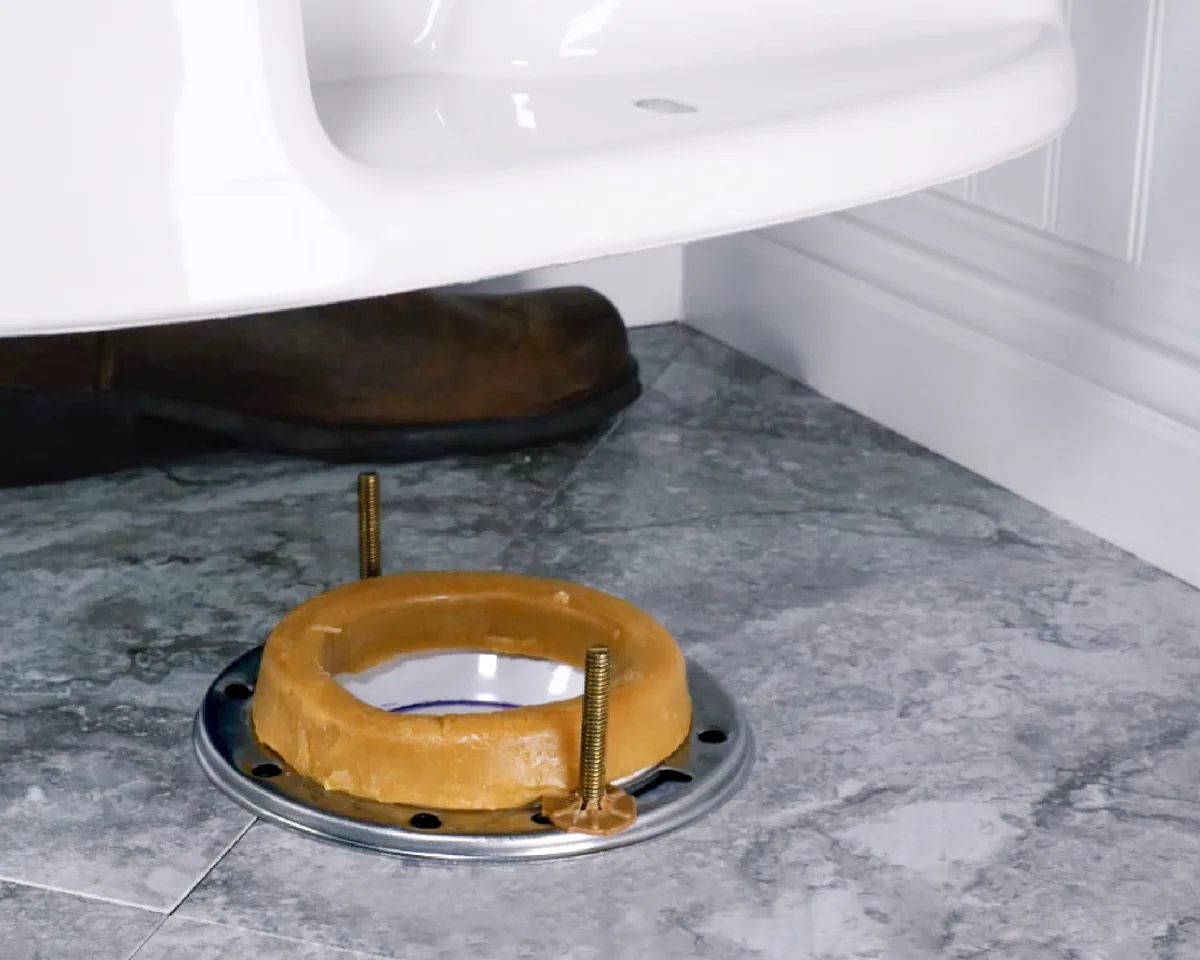
Image source: Bing (Web (fair-use with source credit))
Water around the base of your Glacier Bay toilet is alarming, but it's not always a major leak. There are three possibilities. Let's rule them out one by one.
First, check for condensation. If the room is humid or cold, the tank can "sweat." Water droplets form on the outside and run down to the floor. This is common in basements and bathrooms without ventilation. Wipe the tank dry.
If it stays dry, condensation wasn't the problem. If it reappears, you can install an anti‑sweat valve or a tank liner.
Second, inspect the tank‑to‑bowl gasket. This is the rubber gasket between the tank and the bowl. If it fails, water leaks from the back of the toilet onto the floor. Tighten the two tank bolts (the ones under the caps on the tank).
Don't overtighten, the porcelain can crack. If the leak stops, you're good. If not, you need to replace the gasket.
That means removing the tank, which is a moderate DIY job.
Third, the wax ring. If the leak is at the base of the bowl (not the tank), the wax ring between the toilet and the floor flange has likely failed. Signs: water pooling at the front or back of the toilet, or a sewer smell. To replace it:
- Turn off the water and disconnect the supply line.
- Remove the two floor bolts (they may be rusted, use a penetrating oil).
- Rock the toilet gently to break the wax seal. Lift it straight up.
- Scrape away the old wax. DO NOT flush the old wax or plastic ring down the toilet.
- Install a new wax ring with a plastic sleeve (it helps align the bolts).
- Set the toilet straight down onto the new ring. Tighten the bolts evenly.
Important safety note: A failed wax ring can allow sewer gas into your home. If you smell rotten eggs, stop using the toilet and fix immediately. If you aren't comfortable lifting the toilet, call a plumber.
Common Glacier Bay Replacement Parts and Sizing Traps
Glacier Bay toilets are sold exclusively at Home Depot. That means replacement parts are generally available in‑store, but you need to know the exact model. Check the back of the tank for a sticker with the model number.
Many Glacier Bay models use a universal fill valve (Fluidmaster style) and a universal flapper. However, there are traps.
Flapper size confusion. Glacier Bay toilets come in both 2‑inch and 3‑inch flush valve sizes. A 3‑inch flapper is wider and uses a different chain attachment. If you pick up a generic "universal" flapper, it might fit but not seal properly.
The safest bet is to buy the OEM flapper from Home Depot. It's usually labeled for the specific model. If you can't find the model, measure the flush valve opening inside the tank. 2 inches across = standard. 3 inches = large.
Fill valve compatibility. Most Glacier Bay toilets use a standard fill valve (threaded ½‑inch NPT). A Fluidmaster 400 series or a Korky Quiet Fill works perfectly. Avoid the cheapest off‑brand valves from discount stores, they often leak or fail within a year.
Handle replacement. Glacier Bay handles are plastic and the threads are metric. Don't assume a standard American Standard handle will fit. Buy the Glacier Bay‑branded handle from the same aisle.
It comes with the correct nut and adapter.
Wax ring type. Glacier Bay's floor flange is standard (4‑inch inner diameter). Any standard wax ring with a plastic sleeve works. For a tighter seal, use a jumbo wax ring (thicker) if the flange is recessed below the floor.
Parts cost summary (as of 2026):
| Part | Typical Price | Where |
|---|---|---|
| Flapper (OEM) | $7 – $12 | Home Depot |
| Fill valve (universal) | $15 – $25 | Home Depot / online |
| Handle (OEM) | $10 – $15 | Home Depot |
| Wax ring with sleeve | $5 – $8 | Home Depot |
| Tank‑to‑bowl gasket | $8 – $12 | Home Depot |
| Flush valve kit | $15 – $20 | Home Depot |
Pro tip: Take a photo of the inside of your tank before you go to the store. It saves you from guessing which flapper or handle matches. Home Depot employees can look it up on their system with the model number photo.
Mistakes That Wreck Your Repair
Overtightening the handle nut. The plastic nut that holds the trip lever in place is fragile. Many people crank it down to stop the handle from wobbling. That cracks the tank porcelain every single time.
Tighten it by hand until snug, then give it an extra eighth turn with pliers if needed. If you hear a crack, stop immediately.
Using the wrong flapper size. This is the number one mistake. A 2‑inch flapper on a 3‑inch flush valve leaves a gap. Water rushes past constantly.
Your toilet runs nonstop. A 3‑inch flapper on a 2‑inch valve won't seat at all. Measure the opening before you buy.
If you're not sure, take the old flapper to the store and match it.
Skipping the wax ring sleeve. The plastic sleeve inside modern wax rings helps center the bolts and prevents the wax from shifting. If you buy a wax ring without a sleeve, you're working with 1980s technology. It's harder to seat properly and more likely to leak.
Spend the extra dollar.
Cranking down the tank bolts. The bolts that hold the tank to the bowl are brass over plastic. Tighten them evenly, alternating sides. If you torque one side all the way before touching the other, the tank tilts and the gasket pinches.
Result: a leak at the back that runs down your floor.
Forgetting the fill tube clip. Every Glacier Bay toilet has a small plastic clip that positions the refill tube over the overflow tube. If that clip is missing or broken, the refill tube can flop into the tank. It siphons water backward.
You get a weak flush and a gurgling sound. Replace the clip or secure the tube with a zip tie.
Ignoring the sediment screen. Glacier Bay fill valves have a small screen where the water supply line connects. Hard water deposits can clog it over time, restricting flow. Your tank takes forever to fill.
To check: shut off the water, disconnect the supply line, and inspect the screen. Clean it with a toothbrush or replace it.
Using a plunger on a drain snake job. If your Glacier Bay toilet has a partial clog in the trap, a plunger often pushes the clog deeper. It can lodge in the toilet's internal passage where you can't reach it. Use a toilet auger instead.
The auger's tip grabs the clog and pulls it back. Plungers are for cleared drains, not stubborn obstructions.
Thinking "universal" means guaranteed. Universal fill valves and flappers work in most toilets, but Glacier Bay uses some non-standard dimensions. The trip lever threading is one example. The tank-to-bowl gasket size is another.
When in doubt, buy the OEM part from Home Depot. The extra two dollars saves you a return trip.
When to Replace the Whole Toilet vs. Keep Fixing
Glacier Bay is a budget brand. A new toilet costs $100 to $300. That makes the repair-or-replace decision different than it would be for a $600 Toto.
Here is a straightforward framework.
Replace the toilet if:
- The porcelain is cracked anywhere (tank or bowl). A crack will eventually grow and leak.
- The toilet is over 15 years old and you've already replaced the fill valve and flapper twice.
- You're getting constant clogs even after snaking. Some Glacier Bay models have narrow trap passages (1.75 inches instead of 2 inches). That's a design flaw you can't fix.
- The floor flange is damaged or rusted away. Replacing the flange means pulling the toilet anyway.
- You want a water efficiency upgrade. Older Glacier Bay models use 1.6 GPF. Current models use 1.28 GPF and earn the WaterSense label. That cuts water use by roughly 2,900 gallons per year for a family of four.
Keep fixing the toilet if:
- The problem is a single worn part. Flappers fail every three to five years. Fill valves last about five to seven years. That's normal.
- The toilet is five years old or less. Parts wear, but the porcelain is fine.
- You like the height or bowl shape. Replacing a toilet means finding a new one that matches.
- The floor around the toilet is sound. A full replacement can disturb the tile or flooring.
The cost math. A new fill valve ($20) plus a flapper ($10) plus a wax ring ($8) equals $38. That's cheaper than any new toilet. Even if you add a handle ($12) and a supply line ($10), you're at $60.
A new install costs $100 to $300 for the toilet plus potentially a plumber's fee if you don't DIY. The break-even point is about three major repair cycles before replacement makes financial sense.
Time consideration. A flapper swap takes 10 minutes. A fill valve swap takes 30 minutes. Pulling and replacing a toilet takes two to three hours for a DIY homeowner.
If you value your Saturday afternoon, sometimes paying for simplicity is smart.
One more thing. As of 2026, Home Depot still stocks Glacier Bay toilets and parts. That's a big advantage over discontinued brands. If you need a new bowl or tank gasket, you can usually find it.
But if your model is no longer sold, replacement parts become harder to get. Check the Home Depot website for your model number. If they don't list it, replacement may be the better path.
FAQ: Glacier Bay Toilet Troubleshooting
Why does my Glacier Bay toilet keep running?
The flapper is the most common cause. The rubber stiffens over time and can't seal the flush valve. Replace the flapper with the correct size (2-inch or 3-inch).
If the flapper is fine, adjust the fill valve float or replace the fill valve if it won't shut off.
How do I stop a ghost flush on my Glacier Bay toilet?
A ghost flush means water is leaking slowly past the flapper. The tank refills on its own after the water level drops enough. Do a dye test with food coloring.
If color appears in the bowl in 15 minutes, replace the flapper. Clean the flush valve seat with a scouring pad too.
Why is my Glacier Bay toilet flushing weakly?
Low water level inside the tank is the first thing to check. Adjust the fill valve to raise the water to half an inch below the overflow tube. Also clean the rim jet holes with a paperclip and vinegar.
If the flush is still weak, the trap might have a partial clog that needs an auger.
How much does it cost to fix a Glacier Bay toilet?
Most repairs cost between $5 and $30 if you do the work yourself. A flapper costs $7 to $12. A fill valve costs $15 to $25.
A wax ring costs $5 to $8. A handle costs $10 to $15. Hiring a plumber adds $100 to $250 for service call and labor.
Can I use universal replacement parts on a Glacier Bay toilet?
Universal fill valves (like Fluidmaster 400) work well in most models. Universal flappers sometimes fit but the sizing is tricky. The trip lever threading is non-standard.
Buy OEM parts for the flapper and handle. Universal fill valves are safe. Always measure before you buy.
How do I find my Glacier Bay toilet model number?
Look on the back of the tank near the water supply line. The model number is on a white sticker. It usually starts with "GL" followed by four to six digits.
Write it down before you go to Home Depot. Some models also have the number printed on the underside of the tank lid.
When should I replace my Glacier Bay toilet instead of repairing it?
Replace it if the porcelain is cracked, the toilet is over 15 years old with repeated repairs, or the floor flange is damaged. Also replace it if you want to upgrade to a 1.28 GPF water-saving model. A single repair under $60 is almost always worth doing.

Similar Posts